How We Treat
Art Therapy for Addiction Recovery
Some things are easier to draw than to say. Art therapy gives shape to what words cannot reach, as part of real treatment in Glendora, CA.
Written by the Glendora Recovery Center care team. Last updated July 2026.
What art therapy is (and what it is not)
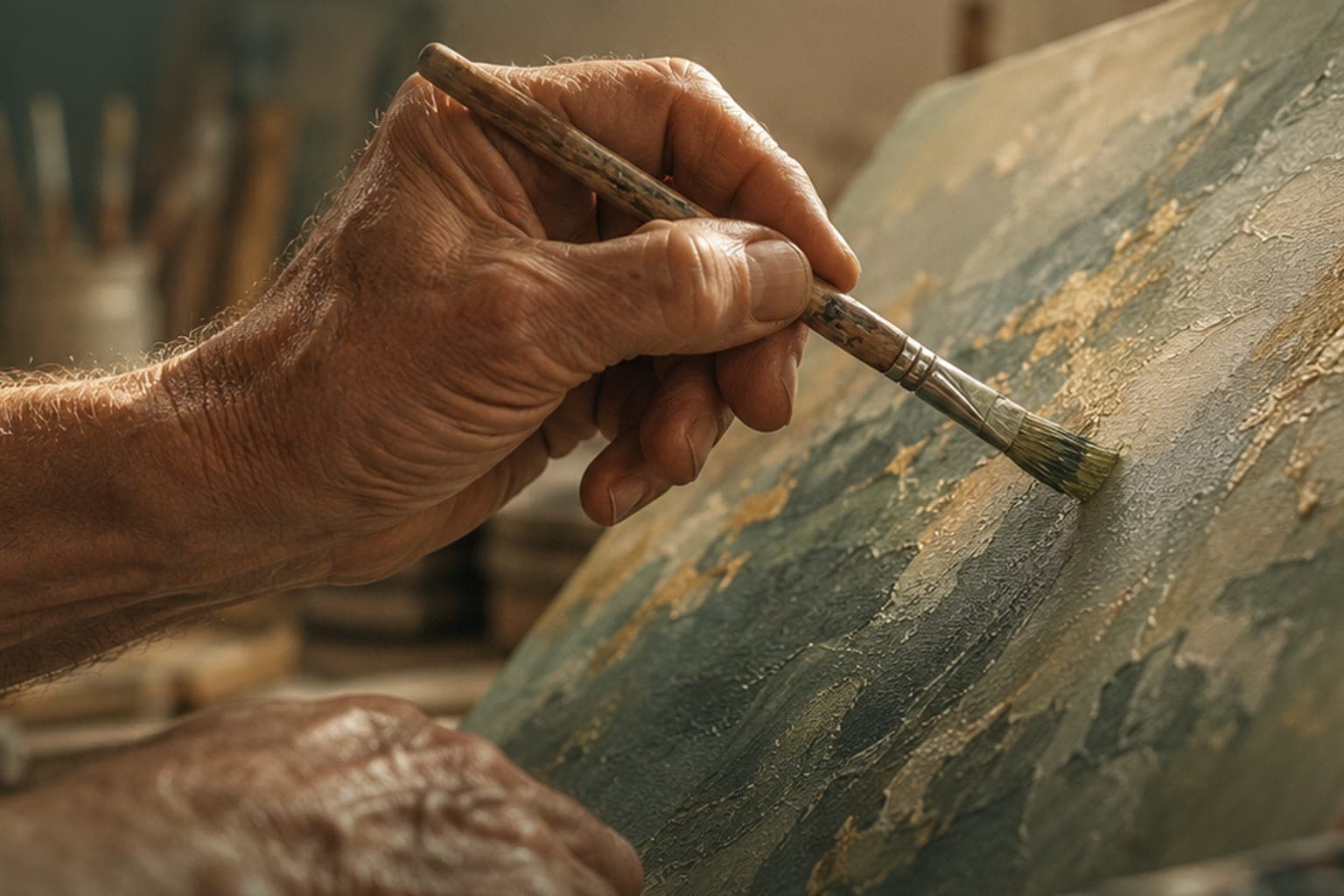
Art therapy is a clinician-guided therapeutic practice that uses creative expression, such as drawing, painting, collage, and sculpture, to reach what is hard to say in words. You make something, then you and your therapist look at it together and talk about what it holds.
It is not an art class. There is no instruction in technique, no grading, and no expectation of talent. The value lives in the process of making and in the conversation it opens, not in the finished product. Stick figures do the job just fine.
Why it helps in addiction recovery
Addiction rarely travels alone. It usually arrives with trauma, shame, grief, anxiety, or depression, and some of those experiences settled in before there were words for them. Talk therapy asks you to explain. Art therapy lets you show first and explain second, and that order changes what becomes reachable.
- Gives form to feelings that predate words, especially trauma, shame, and grief
- Lowers the stakes of disclosure; it is easier to talk about a drawing than about yourself
- Practices emotional regulation and distress tolerance in real time, with a clinician beside you
- Builds an identity beyond addiction: in the session you are a maker, not just a patient
- Opens material that individual and group therapy can then work with
Get Help
Who are you here for?
A few quick taps, completely confidential. Answer right here on the page.
What sessions look like at Glendora Recovery Center
Art therapy here is woven into treatment, not offered as a standalone class. It runs as part of our PHP, IOP, and outpatient programming, alongside evidence-based talk therapies like CBT and DBT. It complements that work rather than replacing it: what surfaces in an art session often becomes the agenda for your next individual session.
Sessions are typically group format with individual reflection. A clinician sets a prompt or theme, everyone works at their own pace, and then the group talks about what came up, sharing only what each person chooses to share. All materials are provided, and you do not need to bring anything.
Who gets the most out of it
Anyone in our programs can benefit, and your clinician will recommend it when it fits your plan. It tends to matter most for:
- People who feel stuck, guarded, or shut down in talk therapy
- People with trauma histories, where words can feel unsafe or simply unavailable
- People managing co-occurring anxiety or depression alongside substance use
- Anyone whose feelings move faster than their words
Art therapy vs. EMDR: what is the difference?
People researching trauma treatment often compare these two, and they are genuinely different tools. EMDR (Eye Movement Desensitization and Reprocessing) is a structured protocol that uses bilateral stimulation, usually guided eye movements, to help the brain reprocess specific traumatic memories. Art therapy is expressive and open-ended: instead of targeting one memory through a set sequence, it gives whatever needs to surface a way out, at your pace.
To be straightforward: Glendora Recovery Center does not offer EMDR. Our trauma work uses trauma-focused CBT, DBT skills for intense emotions, and expressive therapies including art therapy. If you are weighing what kind of trauma care fits you, call us and we will talk it through honestly, including whether what you are looking for is something we offer.
In-network with most major PPO plans
We work with most PPO and HMO insurance. Not sure about yours? We will check for free.
We do not accept Medi-Cal at this time.
- Most PPO plans cover treatmentOften most or all of the cost.
- Free verification in minutesWe call you back with a clear answer.
- 100% confidentialPrivate, with no obligation.





Plus most other PPO plans. Not sure about yours? We check for free.
Frequently Asked Questions
Straight answers to the questions we hear most. Anything else? Call us during our hours, or chat any time.
Do I need to be good at art?
No, and this is the most common worry we hear. Art therapy is about expression, not skill. Nobody grades the work, nobody critiques technique, and stick figures carry as much meaning as a polished painting. If you can hold a marker, you are qualified.
Is art therapy evidence-based?
Art therapy is a widely used complementary therapy, delivered here by clinicians as part of a treatment plan built on evidence-based approaches like CBT and DBT. We do not present it as a standalone cure, and we will not quote you inflated statistics. What we can say honestly is that it opens doors that talk alone sometimes cannot, which is exactly why we pair the two.
Is art therapy included in my program, or does it cost extra?
It is woven into our programming, not sold as an add-on. When your treatment plan includes art therapy, it happens as part of your PHP, IOP, or outpatient schedule. We verify your insurance benefits for free before you start, usually within minutes.
What is the difference between art therapy and EMDR?
Both are used to help people process trauma, but they work very differently. EMDR is a structured protocol that uses bilateral stimulation to reprocess specific traumatic memories. Art therapy is open-ended and expressive, giving difficult experiences a form you can look at and talk about. Glendora Recovery Center does not offer EMDR; our trauma work uses trauma-focused CBT, DBT skills, and expressive therapies including art therapy. Call (626) 594-0881 and we will help you sort out what fits your needs.
Is art therapy just for kids, or do adults do it too?
Adults do it, and often need it most. Glendora Recovery Center is an adult program, so every art therapy session here is built for adults working on recovery. Creative expression is not something people age out of; most of us just stopped being invited to do it.
What materials do you use, and do I keep what I make?
We provide everything: drawing and painting supplies, collage materials, and sculpting media, depending on the session. What you make is yours. Many clients keep pieces as markers of where they were and how far they have come.
Is what I create confidential?
Yes. What you make and what you say about it are treated like any other clinical material, protected by federal confidentiality law, 42 CFR Part 2, and HIPAA. You choose what to share in group, and nothing leaves your treatment without your written authorization.
You do not have to do this alone.
Reach out today. Every call is confidential, and there is no pressure, just help.