Our Locations

1340 E. Route 66 Street Suite 103 & 106, Glendora CA 91740

(626) 594-0881

Art Therapy for Addiction Recovery: An Innovative Approach at Glendora Recovery Center

Art Therapy for Addiction Recovery

Art therapy for addiction recovery uses creative expression to address trauma, anxiety, and emotional pain that fuel substance use—issues that talk therapy alone often can’t reach. At Glendora Recovery Center, art therapy is integrated into comprehensive treatment plans covered by most PPO and HMO insurance. Whether you’re exploring treatment options or already enrolled in our program, art therapy provides a non-verbal pathway to healing that complements evidence-based addiction treatment. No artistic experience required—we work with your unique creative process.

Is Art Therapy Real Addiction Treatment?

Does art therapy actually work for addiction?

Yes. Art therapy is recognized by SAMHSA (Substance Abuse and Mental Health Services Administration) as an evidence-based complementary therapy for addiction treatment. Research shows art therapy effectively reduces stress, addresses trauma, and helps clients identify relapse triggers—all critical factors in long-term recovery.

I’m not artistic. Will this work for me?

Absolutely. Art therapy focuses on the therapeutic process, not artistic skill. Whether you’re painting emotions you can’t verbalize, sculpting representations of your recovery journey, or using clay work to release physical tension, the goal is healing—not creating museum-quality art.

How is this different from regular counseling?

Art therapy accesses parts of the brain that verbal therapy can’t reach. Trauma and addiction memories are often stored non-verbally. Creative expression allows you to process these experiences without re-traumatization that can occur with talk-only approaches.

Will my insurance cover art therapy?

Most PPO and HMO plans cover art therapy when integrated into addiction treatment programs. We verify your benefits before admission and ensure art therapy sessions are included in your covered treatment plan.

The Connection Between Creativity and Healing

Creativity has long been considered a conduit for healing. By engaging in creative processes—whether it’s painting, writing, dancing, or playing a musical instrument—individuals often enter a “flow state.” This state can lead to increased mindfulness, reduced stress, and a positive mindset. In the context of addiction recovery, these benefits are crucial. People in recovery frequently grapple with heightened anxiety, depression, and feelings of guilt or shame related to their substance use. Art therapy offers a healthy, constructive outlet for these complex emotions, providing a therapeutic release that can help ease psychological burdens and reduce the risk of relapse.

Furthermore, participating in creative endeavors can reignite a sense of purpose and identity that is often lost during active addiction. Many individuals in recovery discover or rekindle a passion for art, seeing it not only as a therapeutic tool but also as a meaningful hobby or career path. Glendora Recovery Center’s art therapy sessions are carefully designed to encourage self-discovery, enhance emotional regulation, and foster a renewed sense of self-worth.

Key Benefits of Art Therapy in Addiction Treatment

  1. Enhancing Self-Expression
    One of the most prominent benefits of art therapy for addiction recovery is its unique capacity to facilitate self-expression. For some individuals, particularly those who have experienced trauma or carry deep emotional wounds, words can feel inadequate or too painful. Through various artistic mediums, clients can explore, process, and release their feelings without the constraints of verbal language.
  2. Reducing Stress and Anxiety
    Addiction recovery can be emotionally taxing. Stressors such as rebuilding relationships, facing unresolved trauma, or dealing with everyday challenges without substances can feel overwhelming. Activities like painting, drawing, and clay modeling are often soothing, calming the mind and body. Engaging in these artistic activities helps reduce stress and lowers anxiety levels, making the recovery process more manageable.
  3. Fostering Self-Discovery
    Substance use disorders often mask a host of underlying issues, from low self-esteem and past traumas to unacknowledged mental health conditions. Art therapy offers a safe space for exploration. Clients can uncover the root causes of their addiction, identify personal triggers, and develop a stronger sense of self-awareness. This self-discovery is a key factor in holistic addiction treatment, allowing individuals to address foundational problems and build a healthier future.

Art Therapy Modalities for Addiction Recovery

Art therapy encompasses a wide range of creative outlets. At Glendora Recovery Center, we encourage clients to experiment with different types of artistic expression to find the medium that resonates with them.

  1. Painting and Drawing
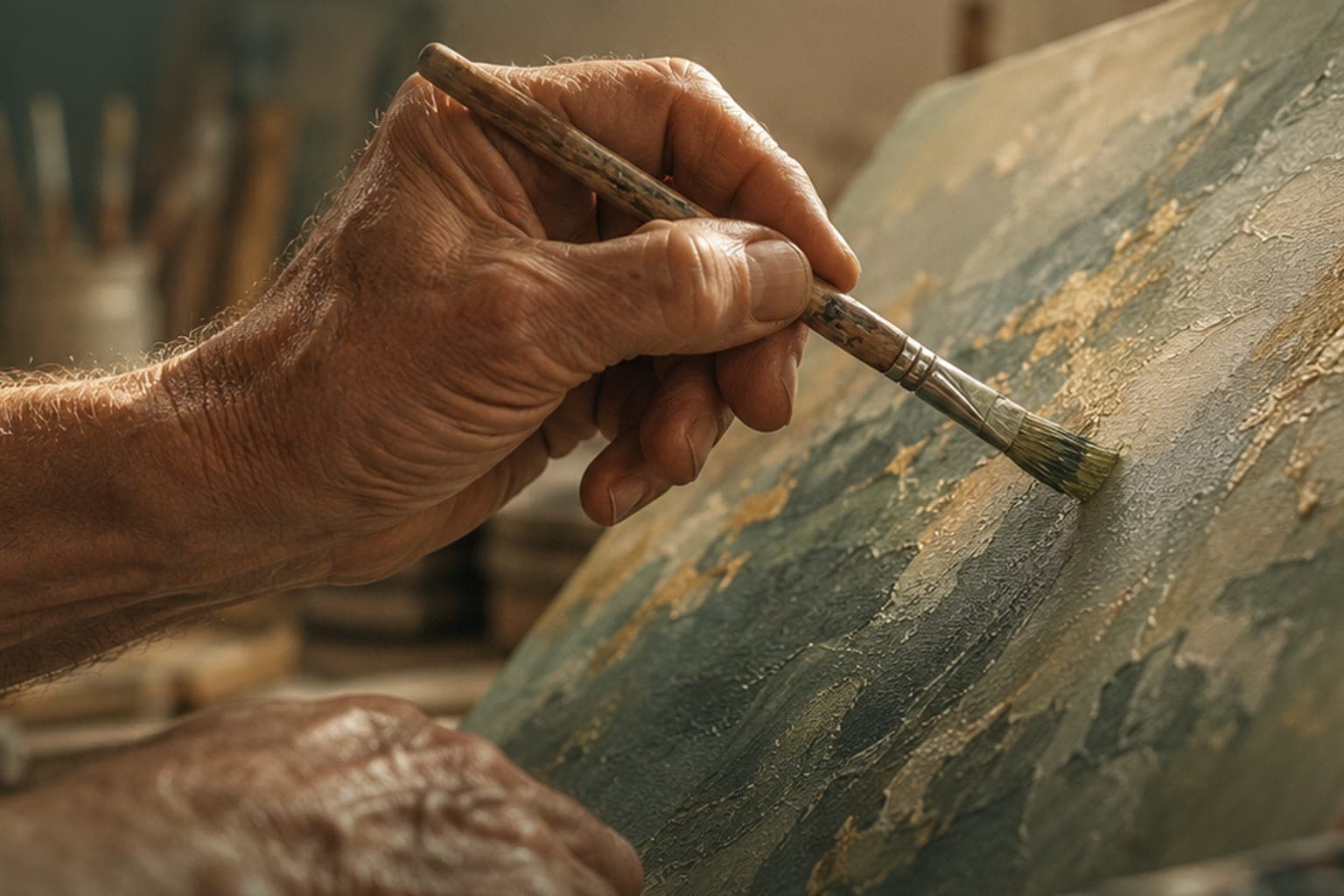
    These classic art forms provide immediate opportunities for self-expression. The choice of colors, shapes, and lines can reveal difficult emotions or experiences to put into words. The tactile experience of painting or drawing can be incredibly grounding, helping individuals stay present in the moment.
  2. Sculpture and Clay Modeling
    Working with clay can be particularly therapeutic due to its hands-on, tangible nature. Molding clay often helps individuals release tension and can symbolize reshaping one’s life and identity in recovery.
  3. Music and Dance
    Creativity isn’t limited to visual art. Many individuals discover profound healing in music and movement. Music therapy might involve listening to calming melodies, composing simple tunes, or singing—meanwhile, dance therapy channels physical expression to promote body awareness, emotional release, and improved self-esteem.
  4. Drama Therapy
    Role-playing and theatrical exercises can effectively explore interpersonal issues, build empathy, and develop communication skills. Drama therapy also allows clients to practice real-world scenarios, such as navigating social situations without substances or setting healthy boundaries with family members.

The Glendora Recovery Center Approach to Art Therapy

Glendora Recovery Center’s art therapy program is carefully integrated into a broader holistic approach to addiction recovery. Each client’s treatment plan is customized to meet their unique needs, challenges, and goals.

  1. Customized Treatment Plans
    Every journey is different. That’s why our clinicians and licensed art therapists collaborate to create personalized interventions. We assess each individual’s history, mental health status, and personal interests to ensure the art therapy experience is therapeutic and enjoyable. These plans may incorporate one or more art forms and other evidence-based therapies like cognitive behavioral therapy (CBT) or dialectical behavior therapy (DBT).
  2. Therapeutic Community and Support Groups
    Recovery support groups and communal healing play a vital role in addiction treatment. When clients engage in art therapy within a supportive group setting, they experience a sense of camaraderie and shared understanding. Group members can offer feedback on each other’s artwork, discuss shared struggles, and celebrate collective achievements. This community aspect reduces feelings of isolation, which is a common trigger for relapse.

Complementary Therapies with Art Therapy

Art therapy can be even more effective when combined with other holistic and evidence-based treatments. At Glendora Recovery Center, we emphasize the importance of a well-rounded approach, ensuring our clients can access various therapeutic options.

  1. Mindfulness and Meditation
    Practicing mindfulness complements art therapy by helping individuals remain present and aware of their emotions. Whether coloring a mandala or shaping clay, mindfulness techniques teach clients to focus on the here and now, reducing rumination about past mistakes or anxieties about the future. This synergy between art and mindfulness is particularly effective in regulating stress and preventing emotional overwhelm.
  2. Cognitive Behavioral Therapy (CBT)
    CBT is one of the most well-researched and effective treatments for addiction and co-occurring disorders. During art therapy sessions, clients can visually represent the negative thought patterns they identify through CBT. This visual element helps clarify harmful beliefs and paves the way for constructive change. By integrating art therapy with CBT, individuals talk about change and illustrate their journey towards a healthier mindset.

Long-Term Benefits of Art Therapy for Addiction Recovery

Art therapy in rehab doesn’t just offer short-term relief; it can also provide crucial skills and insights that support long-term sobriety. As individuals progress in their recovery, they often rely on creative outlets for stress management and emotional expression. Artistic pursuits can be a productive hobby, preventing boredom—a known relapse trigger—while promoting self-esteem and positive self-image.

Moreover, the self-awareness gained through art therapy allows individuals to recognize and respond to triggers early. By reflecting on their artwork over time, clients can observe patterns in their thoughts and emotions, identifying areas that need continued attention. This form of self-monitoring is invaluable in preventing relapse. It encourages a proactive approach to mental health, allowing for timely intervention and support when warning signs appear.

Starting Your Journey with Art Therapy at Glendora Recovery Center

Embarking on a journey to recovery is often intimidating. However, knowing you can access a multifaceted program with therapeutic art activities can make the process less daunting. The team at Glendora Recovery Center is committed to offering a compassionate, judgment-free environment where you can heal physically, mentally, and emotionally.

When you begin your treatment, you’ll undergo a thorough assessment to determine your specific needs. Our professionals will then discuss how art therapy fits into your overall addiction treatment plan. Whether working with paint, clay, or music, you’ll receive guidance and encouragement from our dedicated art therapists. As you progress, you’ll also have the opportunity to connect with others in group settings, forming bonds crucial for maintaining motivation and accountability.

If you have a loved one who is struggling with substance abuse, consider the transformative power of art therapy as part of their recovery journey. Individuals can process emotions in a safe space by engaging in creative expression, learn healthier coping strategies, and gain a renewed sense of hope. Each artwork becomes a testament to their efforts, reminding them of their personal growth and capacity for positive change.

Frequently Asked Questions About Art Therapy in Addiction Recovery

  1. Is artistic talent necessary for art therapy?
    Not. Art therapy focuses on the process rather than the final product. Whether you’re a seasoned painter or have never picked up a brush, you can benefit from the therapeutic aspects of creating art.
  2. How does art therapy help with dual diagnosis?
    Many individuals with addiction also face co-occurring mental health conditions like anxiety or depression. Art therapy provides a multi-sensory outlet, helping address emotional and psychological issues that might underlie both addiction and mental health challenges.
  3. Is art therapy evidence-based?
    While more research is ongoing, numerous studies and clinical observations affirm the effectiveness of art therapy as a complementary treatment for substance use disorders. Licensed professionals with specialized training generally facilitate art therapy.
  4. How often will I participate in art therapy sessions?
    Session frequency varies based on your customized treatment plan. Some clients have weekly sessions, while others may benefit from multiple sessions per week, depending on the severity of their condition and personal preferences.
  5. What should I expect during an art therapy session at Glendora Recovery Center?
    A typical session begins with a brief discussion about how you’re feeling or what goals you have for the session. Your therapist will introduce an art task—like painting a self-portrait, sculpting a figure representing your emotions, or creating a collage of personal affirmations. You’ll work on your project for a set amount of time, then share insights (if you feel comfortable) about your artwork and emotional responses.

Get Help Today

Addiction recovery is a complex process that requires more than just medical detox and traditional talk therapy. By incorporating art therapy, individuals gain a holistic and enriching avenue to explore emotions, build self-confidence, and develop healthier coping mechanisms. At Glendora Recovery Center, we are committed to providing comprehensive treatment programs that address the multifaceted nature of addiction. Through our art therapy for addiction recovery sessions, clients discover renewed hope and empowerment, finding that creativity can be both a profound healer and a bridge to sustained sobriety.

If you or a loved one are considering treatment options, remember that recovery is possible—and often more successful—when approached from multiple angles. Art therapy in rehab is a powerful tool that can open new doors to self-awareness, emotional regulation, and long-term well-being. Whether you find solace in painting, sculpture, music, or dance, the creative process can be a beacon of hope in what might otherwise feel like an insurmountable journey. Contact Glendora Recovery Center today to learn how our dedicated team and diverse therapy modalities can guide you toward a healthier, addiction-free life.

To learn more about our comprehensive addiction treatment services, including art therapy, please contact Glendora Recovery Center as soon as possible. Our qualified professionals are here to provide support, answers, and hope for a brighter tomorrow.

Recent Posts
Man packing for rehab in a cluttered bedroom
How to Prepare for Rehab: A Step-by-Step Guide for Success
Group therapy session in community center room
Why Ongoing Recovery Matters in Addiction Treatment
Counselor and client in recovery session
Questions to Ask Addicts in Recovery – Supporting Lasting Change
Need Help?
Glendora Recovery Center is dedicated to creating a place of healing and growth for all that we encounter.

(626) 594-0881

admin@glendorarecoverycenter.com

1340 E. Route 66 Street Suite #106, Glendora CA 91740

Categories
Call Now Button