
Substance use disorder is widely misunderstood, and that misunderstanding costs lives. Many people still believe that addiction is a personal failure or a sign of weak character, but SUD is a brain disease, not a lack of willpower. This guide is written for individuals in Los Angeles County who are struggling with substance use, and for the families who love them. Here, you will find clear explanations of what SUD is, how it is diagnosed, what drives it biologically, who is most at risk locally, and what treatments genuinely work. Understanding the science behind addiction is the first step toward finding real help.
Table of Contents
- What is substance use disorder?
- Diagnosing substance use disorder: The DSM-5 criteria
- The science: How substance use affects the brain
- Who is at risk? Vulnerabilities and local realities in Los Angeles
- Treatment and recovery: What actually works?
- Supporting recovery: Caring for yourself or a loved one
- Find expert help for substance use disorder in Los Angeles
- Frequently asked questions
Key Takeaways
| Point | Details |
|---|---|
| SUD is a brain disease | Substance use disorder involves real changes in brain function, not a moral failing or lack of willpower. |
| Effective treatment exists | A range of therapies—medical, behavioral, and peer support—are proven to help people recover from SUD. |
| LA County faces unique challenges | High rates of meth and alcohol use, underuse of treatment, and demographic risks make local solutions vital. |
| Support reduces stigma | Viewing SUD as a chronic illness and offering empathy empowers individuals and families in the recovery process. |
| Recovery is achievable | Most people can achieve lasting recovery with the right help, support, and ongoing care. |
What is substance use disorder?
Substance use disorder is not simply using drugs or alcohol too often. It is a chronic, relapsing brain disease marked by compulsive substance use despite serious harm to health, relationships, and daily functioning. The brain’s structure and chemistry actually change over time, making it harder for a person to control their behavior even when they want to stop.
“Addiction is not a moral failing. It is a medical condition that responds to treatment, just like diabetes or heart disease.”
The disease model of addiction shifts the conversation away from blame and toward care. When people understand that SUD involves real changes in brain function, they are more likely to seek help and less likely to feel shame. Reducing stigma is not just compassionate; it is clinically important because shame is one of the biggest barriers to treatment.
Some key features that distinguish SUD from casual use include:
- Continued use despite knowing it causes harm
- Loss of control over how much or how often a substance is used
- Strong cravings that interfere with daily life
- Withdrawal symptoms when use stops
- Neglecting responsibilities, relationships, or health to use
Understanding substance dependence in Los Angeles means recognizing that these patterns are symptoms of a medical condition, not character flaws.
Diagnosing substance use disorder: The DSM-5 criteria
Now that we know what SUD is, understanding how it is officially diagnosed helps clarify when and why to seek help. Clinicians use the Diagnostic and Statistical Manual of Mental Disorders, Fifth Edition (DSM-5) to diagnose SUD. A diagnosis requires at least 2 of 11 symptoms within a 12-month period.
The 11 criteria, grouped for clarity, are:
- Taking the substance in larger amounts or for longer than intended
- Wanting to cut down but being unable to
- Spending a lot of time obtaining, using, or recovering from the substance
- Experiencing strong cravings or urges to use
- Failing to meet obligations at work, school, or home
- Continuing use despite social or relationship problems it causes
- Giving up important activities because of substance use
- Using in physically dangerous situations
- Continuing use despite knowing it worsens a physical or mental health problem
- Needing more of the substance to get the same effect (tolerance)
- Experiencing withdrawal symptoms when stopping
Severity is rated mild (2 to 3 symptoms), moderate (4 to 5), or severe (6 or more). Severity guides the level of care recommended.
In Los Angeles County, proper diagnosis matters because many people living with SUD also experience co-occurring conditions like anxiety and substance use disorders together. A thorough clinical assessment ensures that both conditions are treated at the same time, which significantly improves outcomes.
The science: How substance use affects the brain
With the diagnostic picture cleared up, let us look at what actually happens in a person’s brain during substance use disorder. Substances like alcohol, methamphetamine, and opioids flood the brain’s reward system with dopamine, a neurotransmitter linked to pleasure and motivation. Over time, drug-induced dopamine changes and neuroplasticity (the brain’s ability to rewire itself) drive compulsive use even when the person no longer feels pleasure from it.
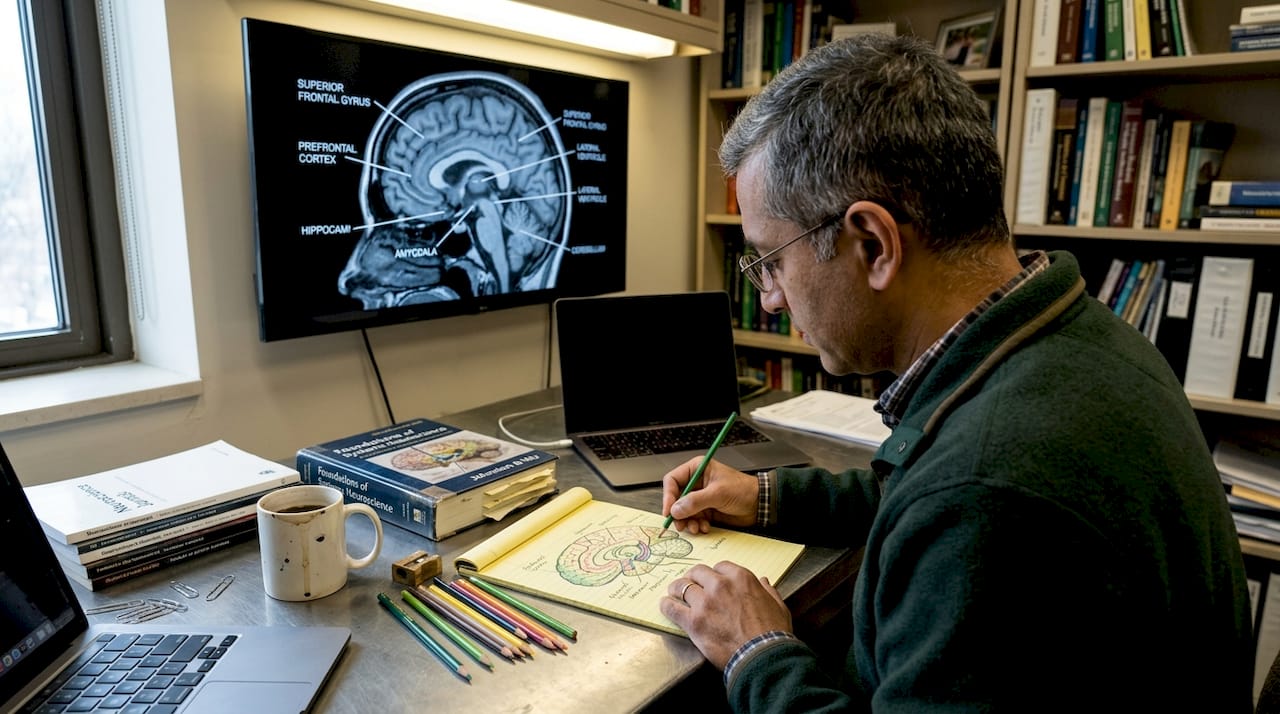
| Brain circuit | Normal function | Effect of chronic substance use |
|---|---|---|
| Reward pathway | Motivation and pleasure | Blunted response; chasing the same high |
| Prefrontal cortex | Decision-making and impulse control | Reduced ability to resist cravings |
| Amygdala | Stress and emotional regulation | Heightened anxiety and negative emotions |
| Memory systems | Learning and habit formation | Substance-linked cues trigger automatic use |
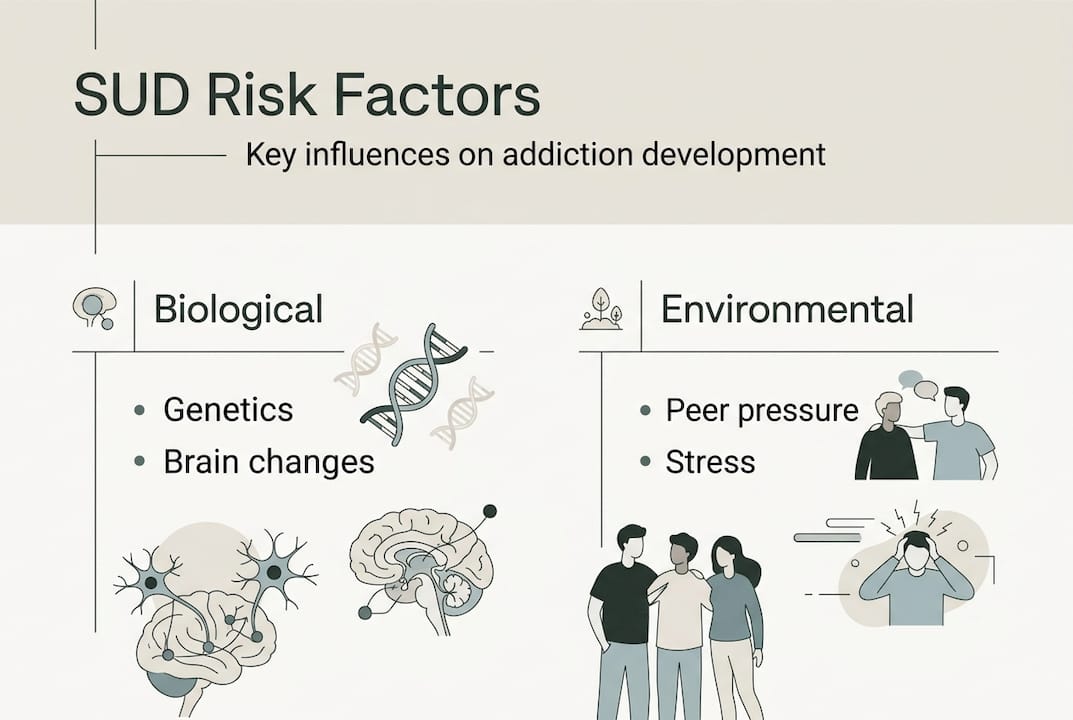
Genetics account for roughly 40 to 60 percent of a person’s vulnerability to addiction. Environmental factors, including trauma, stress, and early exposure to substances, interact with genetic risk to shape outcomes. This is why two people in the same household can have very different relationships with the same substance.
Pro Tip: Early intervention matters most for young people. Adolescent brains are still developing, making them especially sensitive to the rewiring effects of substances. Learning about substance abuse prevention tips and understanding teen addiction in Los Angeles can help families act before patterns become entrenched.
Who is at risk? Vulnerabilities and local realities in Los Angeles
Knowing what drives brain changes, it is vital to understand who is most vulnerable in our local community and why. In Los Angeles County, the scale of the problem is significant. 1.48 million people in LA County need SUD treatment, with the highest treatment admissions for methamphetamine and alcohol. Encouragingly, 2024 overdose deaths dropped by 22 percent, the most significant decline in LA County history.
Key risk factors for SUD include:
- Family history of addiction or mental health disorders
- Early first use of substances (before age 18)
- Trauma, adverse childhood experiences, or chronic stress
- Co-occurring mental health conditions such as depression or PTSD
- Homelessness or housing instability
- Socioeconomic disadvantage and limited access to healthcare
| Population group | Primary concern | Local relevance |
|---|---|---|
| Adolescents | Brain development vulnerability | High rates of meth and cannabis use in LA schools |
| Pregnant individuals | Fetal health and neonatal withdrawal | Specialized prenatal SUD care needed |
| Unhoused individuals | Compounding trauma and access barriers | Large unhoused population in LA County |
| Adults with co-occurring disorders | Dual diagnosis complexity | Majority of SUD cases involve a mental health condition |
Staying informed about 2025 LA substance abuse trends helps families and providers recognize emerging risks. For younger residents, understanding teen substance use risks and how drug abuse affects school performance is especially important for early action.
Treatment and recovery: What actually works?
Understanding who is at greatest risk helps families and individuals know when to seek help. Now, let us break down what is proven to work in recovery and support. The most important thing to know is that relapse is not failure. SUD is a chronic illness, and like other chronic conditions, it often involves setbacks. Effective treatments include medications, behavioral therapies, and mutual-help programs, and recovery is absolutely possible.
Evidence-based treatment approaches include:
- Medications: FDA-approved options like buprenorphine, naltrexone, and methadone reduce cravings and withdrawal for opioid and alcohol use disorders.
- Behavioral therapies: Cognitive Behavioral Therapy (CBT), Motivational Interviewing (MI), and contingency management address the thought patterns and behaviors that drive use.
- Mutual-help groups: Programs like Alcoholics Anonymous, Narcotics Anonymous, and SMART Recovery provide peer support and community.
- Dual diagnosis treatment: Addressing co-occurring mental health conditions alongside SUD improves long-term outcomes significantly.
- Harm reduction approaches: Strategies like naloxone distribution and supervised consumption reduce risk for people not yet ready for abstinence.
Pro Tip: When exploring addiction treatment options, look for programs that offer individualized care plans. A one-size-fits-all approach rarely works for a condition as complex as SUD. Reviewing addiction recovery best practices can help you ask the right questions when choosing a program.
For LA County residents, SUD treatment directories through the California Department of Health Care Services list licensed providers, many of which accept Medi-Cal. Access to care has expanded significantly in recent years, and financial barriers are lower than many people assume.
Supporting recovery: Caring for yourself or a loved one
Once you know your treatment options, it is important to understand how to support day-to-day recovery, both for yourself and for loved ones. Recovery is not a single event. It is an ongoing process that requires consistent support, honest communication, and patience.
Here are practical ways to support someone in recovery:
- Listen without judgment and avoid language that shames or blames
- Learn about SUD as a medical condition so your responses come from understanding, not frustration
- Set healthy boundaries that protect your own wellbeing while remaining supportive
- Celebrate small wins and progress, not just major milestones
- Seek family therapy or support groups like Al-Anon to process your own experience
Relapse, when it happens, should be treated as a signal to adjust the treatment plan, not as proof that recovery is impossible. The disease model of SUD reduces stigma and improves outcomes by framing setbacks as part of the clinical picture rather than personal failures.
Pro Tip: If your loved one needs structured support without full residential care, intensive outpatient programs offer a flexible middle ground. They provide clinical support several days per week while allowing people to maintain work, school, or family responsibilities.
Self-care for family members is not optional. Caregiver burnout is real, and you cannot support someone else’s recovery if your own mental health is suffering. Connecting with a counselor or a peer support group in Los Angeles can make a meaningful difference for the whole family.
Find expert help for substance use disorder in Los Angeles
If you or someone you love is struggling with substance use disorder, you do not have to navigate this alone. Glendora Recovery Center offers individualized care for adults and teens across Los Angeles County, with programs designed around each person’s specific needs and circumstances. Our treatment center in Los Angeles provides Partial Hospitalization Programs, Intensive Outpatient Programs, dual diagnosis treatment, and family therapy, all delivered by an experienced, compassionate team. We offer flexible scheduling including morning, evening, weekend, and telehealth sessions. To learn more about what care looks like in practice, explore our approach to comprehensive addiction treatment and take the first step toward lasting recovery today.
Frequently asked questions
What are the early warning signs of substance use disorder?
Persistent cravings, using more than intended, and neglecting responsibilities are early warning signs. The DSM-5 requires 2 of 11 symptoms for a formal diagnosis, so even a few signs warrant a professional evaluation.
Is substance use disorder treatable and can people recover?
Yes, SUD is treatable and full recovery is possible for many people. Evidence-based treatments including medications, behavioral therapies, and recovery support programs have helped millions of people rebuild their lives.
Does relapse mean treatment failed?
No. Relapse is a common part of recovery for many chronic illnesses, including SUD, and it does not mean treatment has failed. It is a signal to reassess and adjust the care plan.
What local resources exist for substance use disorder in Los Angeles?
LA County offers extensive resources through the Substance Abuse Prevention and Control (SAPC) program, and California’s SUD treatment directories list licensed providers accepting Medi-Cal across the county.
Are there special considerations for youth or pregnant individuals with SUD?
Yes. Adolescents and pregnant individuals have unique neurological and medical needs that require specialized, evidence-based care. Tailored interventions for these groups improve safety and long-term outcomes significantly.
Recommended
- Understanding substance dependence in Los Angeles 2026 | Glendora Recovery Center
- Substance Use Assessment: A Key Step Toward Recovery | Glendora Recovery Center
- Substance Abuse and Anxiety Disorders Explained | Glendora Recovery Center
- Substance Abuse and Depression: Complete Guide | Glendora Recovery Center