Studies show that nearly 60 percent of American adults who try generalized addiction treatment relapse within the first year. Facing addiction in Los Angeles County means recognizing that one size rarely fits all. Whether you are navigating recovery yourself or supporting a loved one, this guide explores practical approaches and personalized strategies that truly address the heart of addiction, giving hope to families and individuals seeking meaningful change.
Table of Contents
- Understand The Importance Of Personalized Treatment
- Engage In Structured Therapy And Counseling
- Build A Support Network With Family And Peers
- Develop Healthy Coping Skills For Stress Management
- Participate In Ongoing Aftercare And Relapse Prevention
- Explore Flexible Recovery Options Including Telehealth
- Set Realistic Goals And Track Progress Consistently
Quick Summary
| Takeaway | Explanation |
|---|---|
| 1. Personalized treatment is essential for recovery. | Tailored approaches address individual history, challenges, and neurological patterns, leading to better outcomes. |
| 2. Structured therapy provides critical support. | Comprehensive therapeutic interventions help manage addiction and develop effective coping mechanisms for lasting recovery. |
| 3. Build a strong support network. | Engaging family and peer support enhances emotional resilience and reduces feelings of isolation during recovery. |
| 4. Develop healthy coping skills. | Learning effective stress management techniques can prevent relapse and promote emotional regulation. |
| 5. Engage in ongoing aftercare. | Continuing support and relapse prevention planning are vital for sustained recovery and managing real-world challenges. |
1. Understand the Importance of Personalized Treatment
Addiction recovery is not a one size fits all journey. Each individual struggling with substance abuse brings a unique combination of personal history, emotional challenges, and neurological patterns that demand a tailored treatment approach.
Personalized treatment represents a sophisticated method of addressing addiction by recognizing that every person’s path to recovery is fundamentally different. Research indicates that traditional non-tailored approaches often fail to address the complex mechanisms underlying addiction, leading to higher relapse rates and less successful outcomes.
In Los Angeles County, personalized treatment means developing an intervention strategy that considers multiple factors: an individual’s psychological profile, genetic predispositions, co-occurring mental health conditions, social environment, and specific substance use patterns. This approach allows treatment professionals to create a targeted plan that addresses root causes rather than merely managing surface symptoms.
By leveraging advanced assessment techniques and data-driven models, treatment centers can now design interventions that precisely match a patient’s unique neurological and emotional landscape. For example, someone using substances to manage anxiety might receive a fundamentally different treatment plan compared to an individual seeking escape from trauma or depression.
Key Components of Personalized Treatment Include:
- Comprehensive psychological assessments
- Individualized counseling approaches
- Targeted medication management
- Customized behavioral intervention strategies
- Ongoing progress monitoring and plan adjustments
Pro tip: Request a detailed, holistic assessment from your treatment provider to ensure your recovery plan addresses your specific needs and challenges.
2. Engage in Structured Therapy and Counseling
Addiction recovery requires more than willpower it demands professional support through strategic therapeutic interventions. Structured therapy provides the roadmap individuals need to navigate the complex journey of overcoming substance use disorders.
Comprehensive therapeutic approaches are essential in managing addiction symptoms and related psychological challenges, offering patients a systematic path toward sustainable recovery. These structured programs go beyond simple abstinence strategies by addressing underlying emotional triggers and developing robust coping mechanisms.
Key Components of Structured Therapy Include:
- Individual counseling sessions
- Group therapy interactions
- Cognitive behavioral techniques
- Skill development workshops
- Relapse prevention planning
In Los Angeles County, specialized treatment centers recognize that effective therapy must be adaptive and responsive to each person’s unique needs. These programs typically involve multiple intervention strategies designed to support psychological healing and behavioral transformation.
Professional counselors utilize evidence based techniques to help patients understand addiction patterns, develop healthier emotional responses, and build resilience against future substance use risks. Structured therapy provides a supportive environment where individuals can explore personal challenges, learn communication skills, and rebuild their sense of self.
Pro tip: Select a treatment program that offers comprehensive therapy options and demonstrates flexibility in addressing your specific recovery requirements.
3. Build a Support Network with Family and Peers
Recovery from addiction is not a solitary journey. Creating a robust support network of family, friends, and peers can be the difference between sustained recovery and potential relapse.
Social support serves as a critical foundation for successful addiction recovery, providing emotional encouragement and practical assistance that helps individuals navigate challenging moments and maintain their commitment to healing.
Key Benefits of a Strong Support Network:
- Emotional validation and understanding
- Accountability and motivation
- Reduced feelings of isolation
- Practical help during challenging times
- Shared experiences and collective wisdom
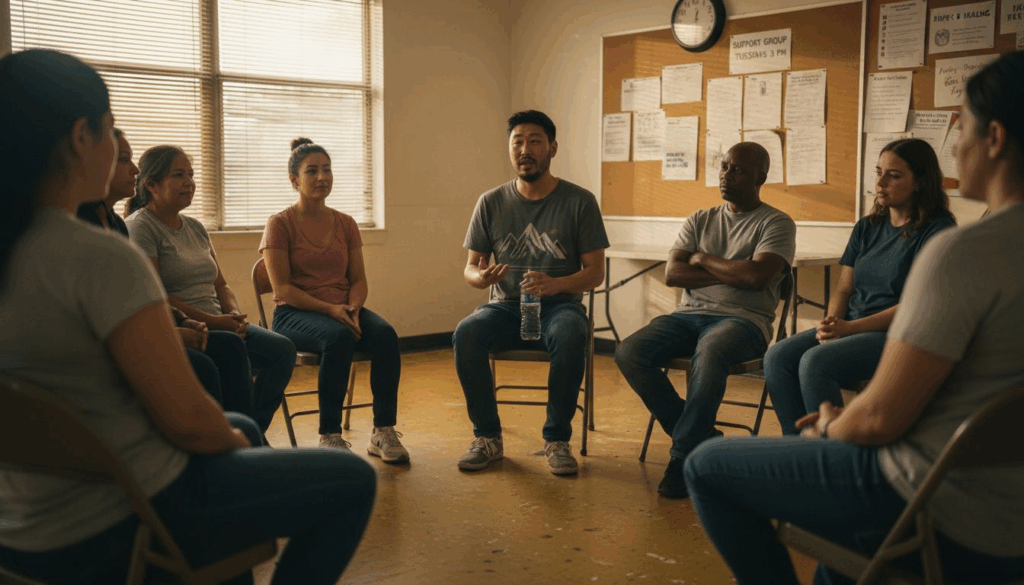
In Los Angeles County, numerous support groups and recovery communities offer structured environments where individuals can connect with others who understand their struggles. These networks provide more than just emotional comfort they create a sense of belonging and shared purpose that can be transformative in the recovery process.
Family involvement is particularly crucial. When loved ones are educated about addiction and equipped with effective communication strategies, they become powerful allies in the recovery journey. This might involve participating in family therapy, attending support groups for relatives of individuals with substance use disorders, or learning how to provide constructive support.
Peer support groups such as 12 step programs or recovery coaching offer additional layers of connection. These groups bring together individuals at different stages of recovery, creating opportunities for mentorship, shared learning, and mutual encouragement.
Pro tip: Actively participate in at least two different support groups and be open to building meaningful connections with people who genuinely support your recovery goals.
4. Develop Healthy Coping Skills for Stress Management
Stress is an inevitable part of life, but for individuals in addiction recovery, managing stress becomes a critical skill that can mean the difference between sustained recovery and potential relapse.
Healthy coping mechanisms are essential tools that replace destructive patterns of substance use with constructive strategies for emotional regulation. These skills enable you to navigate challenging situations without turning to addictive behaviors as a method of escape.
Core Healthy Coping Strategies:
- Mindfulness meditation
- Deep breathing exercises
- Regular physical exercise
- Journaling emotional experiences
- Establishing consistent sleep routines
- Practicing time management
In Los Angeles County, numerous resources are available to help individuals develop these critical skills. Recovery centers often provide workshops and counseling sessions focused on teaching practical stress management techniques that can be integrated into daily life.
Mindfulness and meditation practices have proven particularly effective in addiction recovery. These techniques help individuals become more aware of their emotional triggers, learn to observe thoughts without judgment, and develop greater emotional resilience. By practicing present moment awareness, you can interrupt automatic stress responses that might previously have led to substance use.
Physical exercise serves as another powerful coping mechanism. Regular movement releases endorphins, reduces anxiety, improves mood, and provides a healthy outlet for emotional tension. Activities like walking, yoga, swimming, or team sports can be especially beneficial in managing stress and supporting overall mental health.
Pro tip: Create a personal stress management toolkit with at least three different coping strategies you can quickly implement when feeling overwhelmed.
5. Participate in Ongoing Aftercare and Relapse Prevention
Addiction recovery is not a destination but a continuous journey that requires consistent support and strategic planning. Aftercare represents a critical component in sustaining long term recovery and preventing potential relapse.
Key Elements of Effective Aftercare Include:
- Regular follow up counseling sessions
- Ongoing support group participation
- Individual therapy appointments
- Continuous skill building workshops
- Periodic recovery assessments
- Personalized relapse prevention planning
In Los Angeles County, comprehensive aftercare programs recognize that recovery extends far beyond initial treatment. These programs provide structured support designed to help individuals navigate the complex challenges of maintaining sobriety in real world environments.
Relapse prevention strategies are not about perfection but about developing resilience and adaptive coping mechanisms. By creating personalized plans that identify potential triggers, emotional vulnerabilities, and practical intervention strategies, individuals can build a robust framework for sustained recovery.
Support systems play a crucial role in aftercare. This might involve ongoing connections with therapists, participation in recovery groups, maintaining accountability partnerships, and developing healthy social networks that reinforce positive lifestyle choices.
Pro tip: Create a personal relapse prevention document that outlines your specific triggers, coping strategies, and emergency contact resources you can reference during challenging moments.
6. Explore Flexible Recovery Options Including Telehealth
Modern addiction recovery recognizes that one size does not fit all. Telehealth provides innovative solutions that make professional support more accessible and convenient for individuals seeking treatment.
Key Benefits of Telehealth Recovery Options:
- Increased privacy and confidentiality
- Reduced geographical barriers
- Flexible scheduling
- Consistent access to professional support
- Minimized travel requirements
- Comfortable recovery environment
In Los Angeles County, telehealth recovery programs offer comprehensive services including individual counseling, group therapy sessions, medication management, and comprehensive treatment planning. These virtual platforms enable individuals to receive high quality care from the comfort and safety of their own homes.
Technology has transformed addiction recovery by removing traditional barriers. Telehealth allows individuals with work commitments, family responsibilities, transportation challenges, or mobility issues to access consistent professional support without disrupting their daily lives.
Virtual recovery options also address potential stigma concerns. By providing discreet, convenient treatment modalities, telehealth empowers individuals to seek help without feeling exposed or vulnerable in traditional clinical settings.
Pro tip: Ensure you have a reliable internet connection and a private, quiet space before starting your telehealth recovery sessions to maximize engagement and therapeutic effectiveness.
7. Set Realistic Goals and Track Progress Consistently
Recovery is a journey of continuous growth, and setting realistic goals provides the roadmap to sustainable transformation. Goal setting helps individuals create structured pathways that build confidence and maintain motivation throughout their recovery process.
Essential Goal Setting Strategies:
- Break large objectives into smaller milestones
- Use SMART goal framework
- Create measurable progress indicators
- Establish both short term and long term goals
- Regularly review and adjust objectives
- Celebrate incremental achievements
In Los Angeles County, successful recovery programs emphasize the importance of personalized goal setting. This approach recognizes that each individual’s journey is unique and requires tailored strategies that align with personal strengths, challenges, and aspirations.
The SMART goal framework transforms abstract intentions into concrete action plans. Specific goals provide clarity, measurable outcomes enable tracking, achievable targets prevent discouragement, relevant objectives maintain focus, and time bound parameters create accountability.
Tracking progress is not about perfection but about understanding your journey. Keeping a recovery journal, using mobile tracking apps, or working with a counselor can help you document your achievements, identify patterns, and maintain momentum.
Pro tip: Create a visual progress dashboard using a journal or digital tool where you can consistently log your goals, track achievements, and reflect on your personal growth.
Below is a comprehensive table summarizing the key aspects of effective addiction recovery strategies as discussed throughout the article.
| Aspect | Description | Benefits |
|---|---|---|
| Importance of Personalized Treatment | Tailoring recovery approaches to an individual’s specific needs, such as psychological profiles and substance use patterns. | Provides targeted and effective interventions. |
| Structured Therapy and Counseling | Implementing systematic therapeutic interventions like cognitive behavioral techniques and group therapy. | Develops strong coping mechanisms and addresses underlying causes. |
| Building a Support Network | Creating connections with supportive family members and peers, including joining community groups. | Offers emotional validation and accountability. |
| Developing Healthy Coping Skills | Practicing mindfulness, physical exercise, and stress management techniques. | Enhances resilience and reduces reliance on substances. |
| Ongoing Aftercare and Relapse Prevention | Participating in follow-up sessions and consistent skill-building activities. | Sustains long-term recovery and minimizes relapse risks. |
| Exploring Flexible Recovery Options | Utilizing telehealth services to access therapy and support. | Increases accessibility and convenience for individuals. |
| Setting and Tracking Goals | Creating actionable recovery objectives and monitoring progress. | Maintains motivation and celebrates achievements. |
Take Control of Your Recovery Journey with Personalized Support
If you are seeking effective addiction recovery solutions in Los Angeles County, you understand the challenges of finding treatment that truly fits your unique needs. The article highlights key pain points like the importance of personalized treatment approaches, structured therapy options, building a strong support network, and ongoing aftercare to maintain long-term sobriety. At Glendora Recovery Center, we specialize in addressing these exact goals through individualized care plans that include Partial Hospitalization Programs, Intensive Outpatient Programs, and flexible telehealth sessions designed to match your lifestyle.
Don’t let uncertainty or one-size-fits-all treatment hold you back from lasting recovery. Our experienced team offers compassionate dual diagnosis support, customized counseling, and family therapies that empower you to build healthy coping skills and track your progress with expert guidance. Start your path to healing today by reaching out through our Contact Us page. Take the critical step now to connect with professionals who can craft a personalized recovery plan that fits your life and goals.
Frequently Asked Questions
What is personalized treatment in addiction recovery?
Personalized treatment in addiction recovery refers to customized strategies that address each individual’s unique challenges, history, and emotional needs. To take advantage of this approach, request a holistic assessment from your treatment provider to ensure your recovery plan reflects your specific circumstances.
How can I engage in structured therapy during my recovery?
Engaging in structured therapy involves participating in organized counseling sessions and therapy programs designed to address addiction comprehensively. Find a treatment center that offers various therapy options and demonstrates flexibility to meet your specific recovery needs.
What role does a support network play in addiction recovery?
A support network, including family and peers, provides emotional encouragement, accountability, and practical help, which are crucial for sustainable recovery. Actively participate in at least two different support groups to build meaningful connections that enhance your recovery journey.
How can I develop healthy coping skills for stress management?
Developing healthy coping skills involves replacing destructive habits with constructive strategies for managing stress and emotions. Create a personal stress management toolkit that includes at least three different coping strategies, such as mindfulness meditation or regular physical exercise, that you can use when feeling overwhelmed.
Why is ongoing aftercare important after addiction treatment?
Ongoing aftercare is essential because it provides continuous support, helping individuals navigate challenges that may arise post-treatment and reducing the risk of relapse. Set up a follow-up plan that includes regular counseling sessions and participation in support groups to maintain your momentum in recovery.
How can telehealth support my addiction recovery process?
Telehealth offers accessible and convenient options for counseling and therapy, allowing you to receive professional support from the comfort of your own home. To maximize this benefit, ensure you have a reliable internet connection and a quiet, private space for your telehealth sessions.
Recommended
- 7 Effective Ways to Support Recovery in Los Angeles | Glendora Recovery Center
- 7 Essential Recovery Strategies for Adults in Los Angeles | Glendora Recovery Center
- Sober Living in Los Angeles County: How Glendora creates an impact
- 7 Essential Mental Health Recovery Tips for Los Angeles | Glendora Recovery Center