
Over 9 million Americans experience both substance abuse and depression at the same time, magnifying the struggle and making recovery feel even harder. When these two conditions overlap, daily life can quickly spiral out of control, affecting everything from relationships to physical health. By recognizing how these disorders interact and understanding their unique signs, you can take the first steps toward better awareness and informed support.
Table of Contents
- Defining Substance Abuse And Depression
- Types Of Substance Abuse And Depression
- How Co-Occurring Disorders Interact
- Diagnostic Criteria And Warning Signs
- Treatment Approaches And Recovery Options
- Risks, Stigma, And Support Resources
Key Takeaways
| Point | Details |
|---|---|
| Complex Interconnection | Substance abuse and depression often co-occur, creating a negative feedback loop where each disorder exacerbates the other. |
| Types and Characteristics | Both substance abuse and depression manifest in various forms, each requiring tailored treatment approaches. |
| Diagnosis Importance | Accurate diagnosis of co-occurring disorders is crucial for effective treatment, necessitating comprehensive assessment strategies. |
| Integrated Treatment Approaches | Successful recovery relies on integrated treatment strategies that address both psychological and physiological factors concurrently. |
Defining Substance Abuse And Depression
Substance abuse and depression are complex, interconnected mental health conditions that profoundly impact an individual’s quality of life. According to NIDA, these disorders frequently co-occur, creating a challenging cycle of psychological and physiological challenges that require comprehensive understanding and treatment.
Substance Abuse represents a pattern of harmful behavior characterized by the compulsive use of drugs or alcohol despite significant negative consequences. This condition goes beyond occasional recreational use, involving a psychological and physical dependency that disrupts normal functioning. Key indicators include:
- Inability to control or reduce substance consumption
- Continued use despite personal, professional, or health problems
- Development of tolerance, requiring increased amounts to achieve similar effects
- Experiencing withdrawal symptoms when substance use stops
Depression, on the other hand, is a serious mood disorder that extends far beyond typical feelings of sadness. SAMHSA highlights that major depressive episodes can significantly impair an individual’s ability to function, affecting emotional, cognitive, and physical well-being. Symptoms often include persistent feelings of hopelessness, significant changes in sleep and appetite, and potential suicidal thoughts.
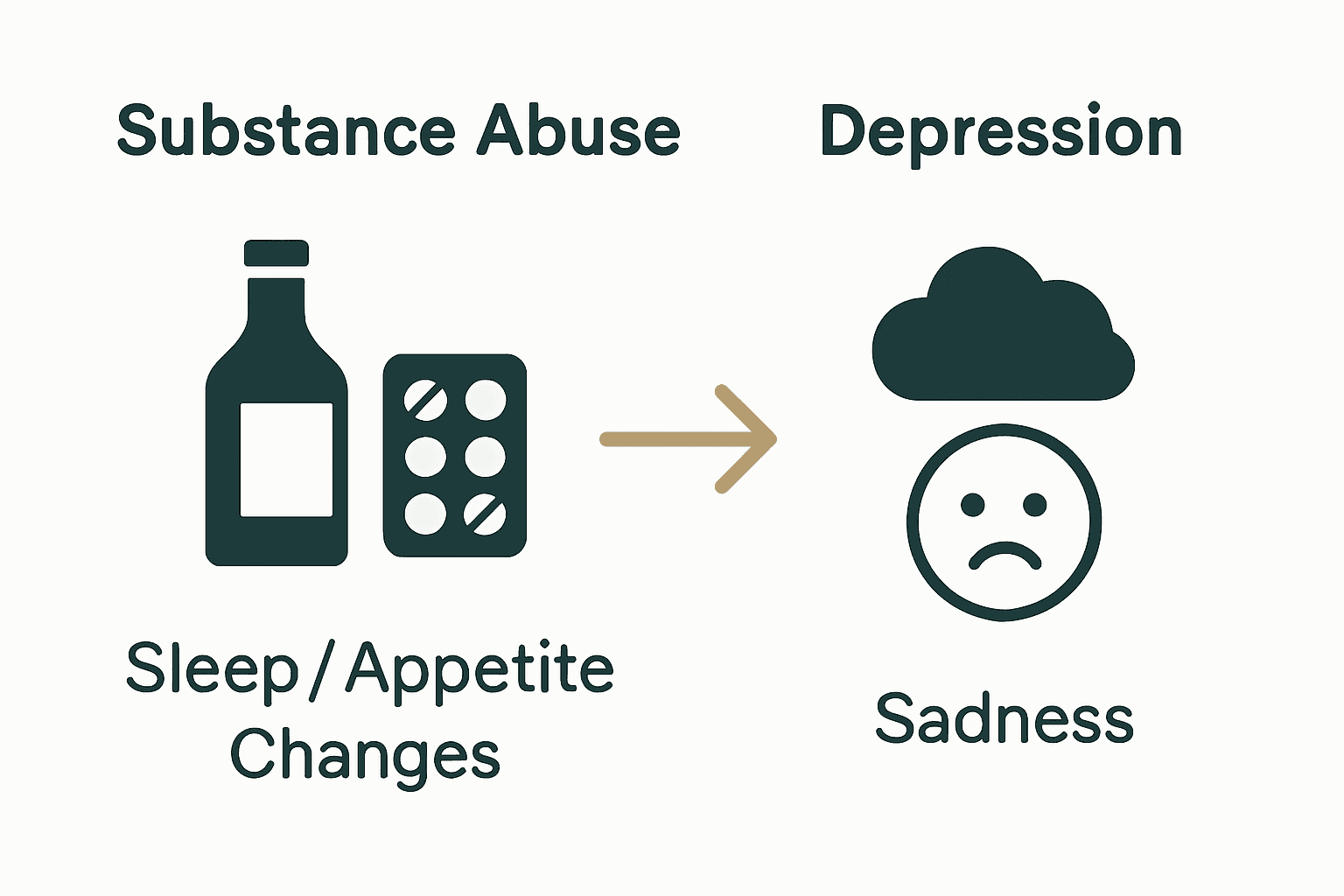
Understanding the intricate relationship between substance abuse and depression is crucial. These conditions frequently interact in a negative feedback loop, where one disorder can exacerbate the other. For instance, individuals might use substances as a form of self-medication to manage depressive symptoms, while substance abuse can simultaneously trigger or worsen depressive episodes. Learn more about the connection in our guide on the link between alcoholism and depression.
Types Of Substance Abuse And Depression
Substance abuse and depression manifest in multiple complex forms, each with unique characteristics and challenges. PMC research reveals that substance use disorders are not a monolithic condition, but rather a spectrum of behaviors involving different substances and psychological impacts.
Types of Substance Abuse can be categorized based on the specific substances involved:
- Alcohol Use Disorder: Characterized by compulsive alcohol consumption and inability to control drinking
- Cannabis Use Disorder: Involving persistent marijuana use despite negative consequences
- Opioid Use Disorder: Encompassing addiction to prescription painkillers and illicit drugs like heroin
- Stimulant Use Disorder: Related to cocaine, methamphetamine, and other stimulant substances
- Prescription Drug Abuse: Misuse of medications like benzodiazepines or sleep aids
Depression Types similarly demonstrate significant variation. According to PMC, different forms of substance use are associated with distinct depression characteristics:
- Major Depressive Disorder: Persistent feelings of intense sadness and hopelessness
- Persistent Depressive Disorder: Chronic depression lasting two or more years
- Bipolar Depression: Alternating periods of depressive and manic episodes
- Seasonal Affective Disorder: Depression linked to seasonal changes
- Postpartum Depression: Occurring after childbirth
Interestingly, research demonstrates a strong interconnection between specific substance use patterns and depression types. For instance, polysubstance users often exhibit more severe and complex depressive symptoms compared to individuals using a single substance, highlighting the intricate relationship between these disorders.
Here’s a summary of the main types and features of substance abuse and depression:
| Category | Examples | Key Characteristics |
|---|---|---|
| Substance Abuse | Alcohol Use Disorder Cannabis Use Disorder Opioid Use Disorder Stimulant Use Disorder Prescription Drug Abuse |
Compulsive use Physical and psychological dependency Continued use despite harm |
| Depression | Major Depressive Disorder Persistent Depressive Disorder Bipolar Depression Seasonal Affective Disorder Postpartum Depression |
Chronic sadness Loss of interest Disrupted sleep/appetite |
How Co-Occurring Disorders Interact
Co-occurring disorders represent a complex psychological phenomenon where substance abuse and mental health conditions simultaneously impact an individual’s well-being. PMC research reveals that these disorders often have profound familial and genetic connections, suggesting a deeper interconnection than previously understood.
The interaction between substance abuse and depression follows several critical pathways:
- Self-Medication Hypothesis: Individuals with depression may use substances to alleviate psychological pain
- Neurochemical Disruption: Substance use can fundamentally alter brain chemistry, triggering or exacerbating depressive symptoms
- Shared Risk Factors: Genetic predispositions and environmental stressors can contribute to both conditions
- Negative Reinforcement Cycle: Each disorder can worsen the symptoms of the other, creating a destructive feedback loop
PMC studies highlight that childhood and adolescent experiences play a crucial role in developing these complex comorbidities. Early life stress, trauma, and environmental factors can significantly increase the likelihood of developing simultaneous substance abuse and depressive disorders in adulthood.
Learn more about how substance use disorders impact teen development in our comprehensive guide. Understanding these intricate interactions is fundamental to developing effective, holistic treatment approaches that address both the psychological and physiological aspects of these challenging conditions.
Diagnostic Criteria And Warning Signs
Accurate diagnosis of co-occurring substance abuse and depression is crucial for effective treatment. SAMHSA research highlights the complexity of identifying these interconnected disorders, emphasizing the need for comprehensive assessment strategies.
Key Diagnostic Criteria for Substance Abuse include:
- Persistent desire to use substances despite negative consequences
- Inability to control or reduce substance consumption
- Significant time spent obtaining, using, or recovering from substances
- Withdrawal symptoms when substance use is discontinued
- Neglecting personal, professional, or social responsibilities
Depression Diagnostic Markers typically encompass:
- Persistent feelings of sadness or emptiness lasting two weeks or more
- Significant changes in sleep patterns and appetite
- Loss of interest in previously enjoyable activities
- Decreased energy and increased fatigue
- Feelings of worthlessness or excessive guilt
- Difficulty concentrating or making decisions
Library SAMHSA research distinguishes between substance-induced depression and independent depression, noting that the diagnostic process requires careful differentiation of symptoms. Clinicians must determine whether depressive symptoms are a direct result of substance use or a separate, concurrent condition.
Learn more about understanding these complex diagnostic challenges in our comprehensive guide on substance use disorders. Professional assessment remains the most reliable method for accurately diagnosing these intricate mental health conditions.

Treatment Approaches And Recovery Options
Comprehensive treatment for co-occurring substance abuse and depression requires a multifaceted approach that addresses both psychological and physiological dimensions. SAMHSA research emphasizes the critical importance of integrated treatment strategies that simultaneously target substance use disorders and mental health conditions.
Key Treatment Approaches include:
- Integrated Cognitive Behavioral Therapy (CBT): Addresses underlying thought patterns contributing to both substance abuse and depression
- Medication-Assisted Treatment: Carefully managed pharmacological interventions to stabilize mood and reduce substance cravings
- Group and Individual Counseling: Provides support, accountability, and skill-building for long-term recovery
- Holistic Wellness Programs: Incorporates nutrition, exercise, and stress management techniques
- Family Systems Therapy: Engages support networks in the recovery process
OJP documentation highlights that effective treatment must be personalized, recognizing that no single approach works identically for every individual. Recovery is a dynamic process that requires ongoing assessment and adaptable intervention strategies.
Explore our comprehensive addiction treatment options for a deeper understanding of recovery pathways. Successful treatment demands a compassionate, comprehensive approach that addresses the complex interplay between substance abuse and mental health disorders.
Risks, Stigma, And Support Resources
Substance abuse and depression carry significant psychological and social challenges that extend far beyond individual health concerns. PMC research reveals the profound impact of stigma and stress on individuals struggling with these interconnected disorders, highlighting the critical need for comprehensive support systems.
Key Risks Associated with Co-Occurring Disorders include:
- Increased Suicide Risk: Higher likelihood of suicidal ideation and self-harm
- Social Isolation: Potential breakdown of personal and professional relationships
- Academic and Professional Disruption: Impaired performance and potential career setbacks
- Chronic Health Complications: Long-term physical and mental health deterioration
- Financial Instability: Potential job loss and economic challenges
PMC studies emphasize the particularly vulnerable position of adolescents, who face heightened risks of suicidal thoughts when experiencing concurrent substance use and depressive symptoms. The pervasive social stigma surrounding mental health and addiction often prevents individuals from seeking crucial support, creating additional barriers to recovery.
Support Resources can provide lifelines during challenging times. Explore our comprehensive addiction recovery process to understand pathways to healing. Remember, seeking help is a sign of strength, not weakness, and professional support can transform lives impacted by substance abuse and depression.
Take Control of Substance Abuse and Depression Today
Struggling with substance abuse and depression can feel overwhelming, especially when both conditions fuel each other in a painful cycle. If you recognize the signs described in this guide such as persistent sadness, compulsive substance use, or withdrawal symptoms, you are not alone. Understanding these challenges is the first step towards healing, but effective recovery demands professional, compassionate support tailored to your unique needs.
At Glendora Recovery Center, our specialized programs address co-occurring disorders with integrated care designed for lasting change. From personalized therapy to flexible scheduling including telehealth, we provide a safe, upscale environment that empowers both adults and teens to rebuild their lives. Don’t wait until risks like isolation or worsening health take over. Reach out now to discover how our addiction treatment options and dual diagnosis support services can help you or your loved one break free from this destructive cycle. Take the first step today by contacting us at Glendora Recovery Center for a confidential consultation and start your journey toward hope and healing.
Frequently Asked Questions
What is the relationship between substance abuse and depression?
Substance abuse and depression often co-occur, creating a negative feedback loop where one condition can exacerbate the other. Individuals may use substances to self-medicate depression, while substance abuse can trigger or worsen depressive episodes.
What are the common types of substance abuse?
Common types of substance abuse include Alcohol Use Disorder, Cannabis Use Disorder, Opioid Use Disorder, Stimulant Use Disorder, and Prescription Drug Abuse, each characterized by compulsive use and reliance on specific substances despite negative consequences.
How can co-occurring substance abuse and depression be diagnosed?
Diagnosis involves comprehensive assessment strategies that consider both conditions. Key criteria for substance abuse include persistent use despite negative outcomes, while depression diagnosis typically includes persistent sadness, changes in appetite or sleep, and feelings of worthlessness.
What treatment options are available for co-occurring disorders?
Effective treatment for co-occurring substance abuse and depression includes integrated Cognitive Behavioral Therapy (CBT), Medication-Assisted Treatment, counseling, holistic wellness programs, and family systems therapy, focusing on personalized and comprehensive care.