
Many people use terms like addiction, abuse, and dependence interchangeably, but medical definitions have evolved significantly to clarify these differences and improve recovery outcomes. Understanding substance dependence helps you or your loved ones recognize symptoms early and access appropriate care. This guide explains the clinical definition, diagnostic criteria, neurobiology of substance dependence, and local Los Angeles County recovery resources to support your journey toward healing.
Table of Contents
- What Is Substance Dependence? Defining The Condition
- Diagnostic Criteria: Understanding Impaired Control, Social Impairment, Risky Use, And Pharmacological Indicators
- The Neurobiology Of Substance Dependence And Implications For Recovery
- Local Resources And Treatment Options For Substance Dependence In Los Angeles County
- Explore Comprehensive Addiction Treatment Options At Glendora Recovery Center
- Frequently Asked Questions
Key takeaways
| Point | Details |
|---|---|
| Definition | Substance dependence involves persistent use despite physical, psychological, or social harm |
| Diagnostic categories | Professionals assess four areas: impaired control, social impairment, risky use, and pharmacological indicators |
| Brain changes | Chronic use rewires dopamine and glutamate circuits, requiring multimodal treatment to restore function |
| LA County resources | Free 24/7 helpline SASH connects residents to outpatient, detox, medication-assisted, and residential programs |
| Recovery approach | Evidence-based treatment combines therapy, medication, and support for lasting neural and behavioral change |
What is substance dependence? Defining the condition
The term substance use disorder is more accurate, clearly defined, and has fewer negative connotations than addiction, abuse, or dependence. This shift reflects modern clinical understanding and reduces stigma. The DSM-5 classifies nine types of substance-related disorders, each involving distinct substances like alcohol, opioids, cannabis, stimulants, sedatives, hallucinogens, and inhalants.
Substance use disorder emphasizes a pattern of problematic behaviors that continue despite significant harm to health, relationships, or responsibilities. Clinicians recognize dependence as part of a broader continuum rather than a standalone diagnosis. The condition exists on a spectrum from mild to severe based on the number of criteria met.
Key features defining substance dependence include:
- Brain maladaptive changes affecting reward, motivation, and emotional regulation circuits
- Compulsive use patterns that persist despite negative consequences
- Physical and psychological symptoms when reducing or stopping use
- Progressive increase in tolerance requiring higher doses for similar effects
Understanding these clinical distinctions helps you navigate conversations with healthcare providers and identify appropriate addiction treatment options 2025 that address your specific needs. The neurobiological foundation explains why willpower alone rarely succeeds and why comprehensive treatment is essential.
Diagnostic criteria: understanding impaired control, social impairment, risky use, and pharmacological indicators
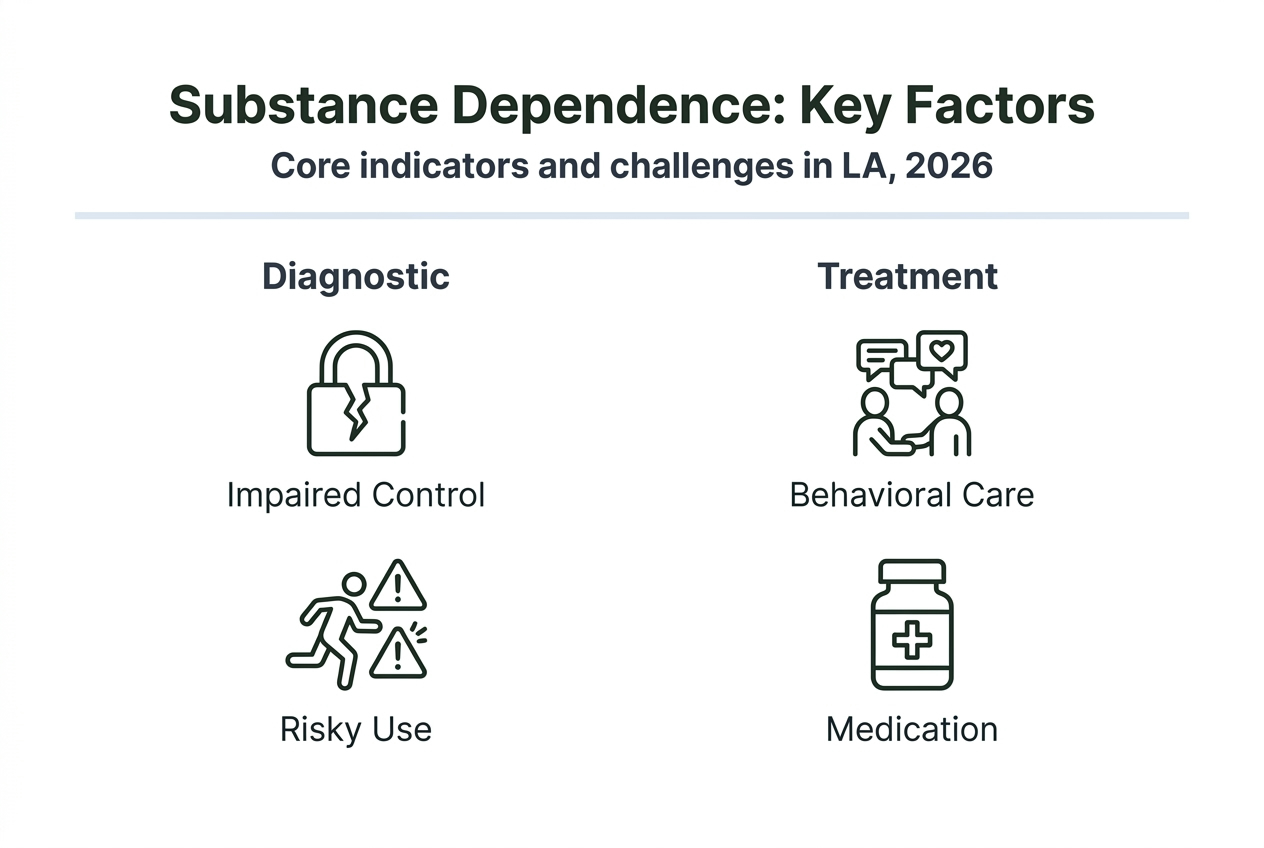
Four main diagnostic categories organize substance use disorder symptoms: impaired control, social impairment, risky use, and pharmacological indicators. Healthcare professionals use these categories to assess severity and recommend treatment intensity. Meeting two or three criteria indicates mild disorder, four or five suggests moderate, and six or more signals severe substance use disorder.
Impaired control manifests through several observable behaviors:
- Using larger amounts or for longer periods than originally intended
- Persistent desire or unsuccessful efforts to cut down or control use
- Spending excessive time obtaining, using, or recovering from substances
- Experiencing intense cravings or urges to use the substance
Social impairment disrupts daily functioning and relationships. This includes failure to fulfill major obligations at work, school, or home due to recurrent use. People continue using despite persistent social or interpersonal problems caused or worsened by substance effects. Important activities get reduced or abandoned because of substance use.
Risky use involves dangerous situations where substance use creates physical hazards. Examples include driving under the influence, operating machinery while impaired, or engaging in unsafe sexual behavior. Continued use despite knowledge of recurrent physical or psychological problems caused by the substance also falls into this category.
Pharmacological indicators represent biological adaptation:
| Indicator | Definition | Example |
|---|---|---|
| Tolerance | Need for increased amounts to achieve desired effect | Doubling alcohol intake for same buzz |
| Withdrawal | Physical or psychological symptoms when stopping | Tremors, anxiety, nausea when quitting |
Pro Tip: Recognizing these signs early significantly improves treatment outcomes. If you notice three or more criteria in yourself or someone you care about, seek a professional substance use assessment los angeles for accurate diagnosis and personalized care planning.
The neurobiology of substance dependence and implications for recovery
Substance use disorder fundamentally involves maladaptive neuroplasticity affecting brain reward, motivation, emotional regulation, and behavior systems. Chronic substance use rewires circuits controlling dopamine and glutamate neurotransmitters, creating persistent changes that drive compulsive use patterns. Understanding these biological mechanisms explains why substance dependence is a medical condition requiring clinical intervention, not a moral failing.
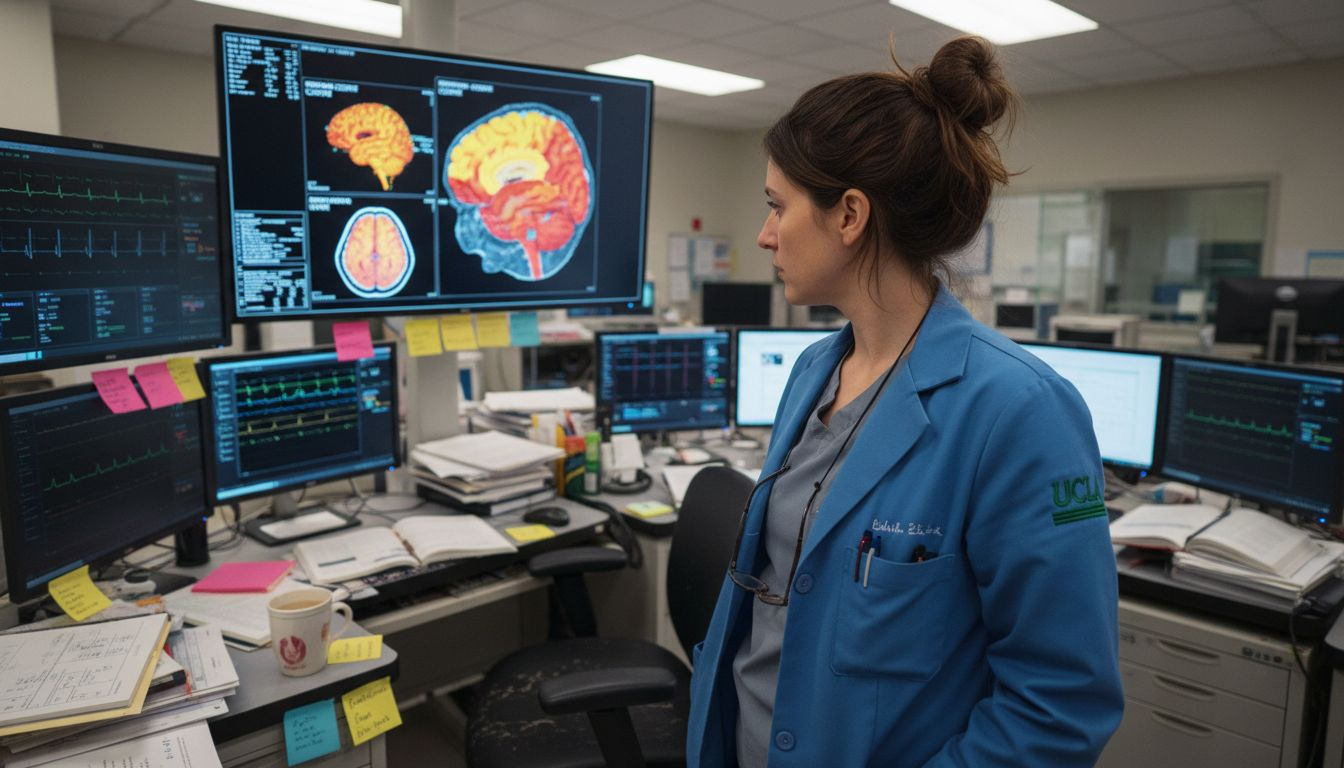
The mesocorticolimbic system undergoes significant alterations during prolonged substance exposure. This brain network connects the ventral tegmental area, nucleus accumbens, and prefrontal cortex, regions critical for processing rewards and making decisions. Substances hijack natural reward pathways, flooding circuits with dopamine levels far exceeding those from normal pleasurable activities like eating or social interaction.
Key affected processes include:
- Reward sensitivity decreases, making natural reinforcers feel less satisfying
- Executive function impairment reduces impulse control and decision-making capacity
- Stress response systems become dysregulated, increasing vulnerability to relapse
- Memory consolidation strengthens associations between environmental cues and substance use
Modern recovery approaches target these neural changes through four therapeutic domains. Neuromodulation techniques like transcranial magnetic stimulation directly influence brain activity patterns. Neuroplasticity-promoting compounds support new neural pathway formation. Anti-inflammatory interventions address immune system dysregulation contributing to sustained dysfunction. Psychological therapies like cognitive behavioral therapy retrain thought patterns and coping strategies.
Recovery is not only behavioral change but restoration of brain function.
Successful treatment requires multimodal, personalized interventions targeting molecular and circuit-level brain changes simultaneously. This biological perspective validates comprehensive care combining medication, therapy, and support services. Your brain’s remarkable neuroplasticity means healing is possible when you engage with evidence-based role of therapy substance abuse programs that address underlying neural dysfunction while building recovery skills.
Local resources and treatment options for substance dependence in Los Angeles County
The Substance Abuse Service Helpline offers free access to treatment for eligible L.A. County residents 24/7. SASH provides confidential screening, assessment, and connection to appropriate care in multiple languages. Calling this helpline represents a crucial first step toward recovery, connecting you with professionals who understand local resources and can match your needs with available services.
Available treatment modalities include:
- Outpatient programs allowing continued work or school attendance
- Medical detox providing supervised withdrawal management
- Medication-assisted treatment combining FDA-approved medications with counseling
- Residential programs offering intensive 24/7 structured care
- Recovery support services including peer counseling and sober living
| Treatment Type | Duration | Intensity | Setting |
|---|---|---|---|
| Outpatient | 8-12 weeks | 3-9 hours weekly | Clinic visits |
| Intensive Outpatient | 6-12 weeks | 9-20 hours weekly | Evening/weekend programs |
| Partial Hospitalization | 2-4 weeks | 20-30 hours weekly | Day treatment facility |
| Residential | 30-90 days | 24/7 structured | Live-in facility |
| Detox | 3-10 days | 24/7 medical | Hospital or specialized unit |
Substance use disorders cost hospitals $1.48 billion in LA County during 2022, emphasizing the urgent need for early intervention and comprehensive treatment. This staggering financial burden reflects preventable hospitalizations that could be avoided through timely access to care. Early treatment not only improves individual outcomes but reduces strain on emergency and acute care systems.
Local integrated care options like UCLA Addiction Psychiatry Clinic provide specialized assessment and treatment for substance use disorders alongside co-occurring mental health conditions. The national treatment locator helps you search for providers by location, payment options, and services offered. Many facilities offer sliding scale fees based on income.
Pro Tip: Calling SASH is a confidential first step toward tailored treatment options. Operators can explain insurance coverage, payment assistance, and immediate availability at addiction treatment center los angeles facilities throughout the county. No question is too small, and seeking information commits you to nothing except learning about your options.
Explore comprehensive addiction treatment options at Glendora Recovery Center
Glendora Recovery Center offers personalized, evidence-based treatment combining therapy and medication tailored to your unique situation. Our experienced staff specializes in co-occurring disorders, recognizing that substance dependence often occurs alongside depression, anxiety, trauma, or other mental health conditions. We provide multiple program options including partial hospitalization and intensive outpatient programs suited for different recovery stages.
Our addiction treatment center in los angeles delivers individualized care using compassionate harm reduction approaches that meet you where you are. We offer flexible scheduling with morning, evening, weekend, and telehealth sessions accommodating work, school, or family obligations. Our intensive outpatient programs los angeles provide structured support while allowing you to maintain daily responsibilities.
Explore comprehensive addiction treatment options 2025 designed for lasting recovery and restored brain function. Contact us through our website for a confidential consultation to discuss your specific needs and create a personalized treatment plan supporting your journey toward healing.
Frequently asked questions
What is the difference between substance dependence and addiction?
Modern clinical practice uses substance use disorder as the umbrella term encompassing what was previously called dependence or addiction. Dependence specifically refers to physical adaptation including tolerance and withdrawal symptoms. Addiction historically described compulsive use despite harm but lacked precise clinical definition. Substance use disorder provides clear diagnostic criteria covering behavioral, social, and physiological aspects, making it the preferred term for medical professionals.
How can I tell if someone has substance dependence?
Look for inability to control use despite attempts to cut down, neglecting work or family responsibilities, continued use in dangerous situations like driving, and withdrawal symptoms when stopping. Other signs include needing larger amounts for the same effect, spending excessive time obtaining or recovering from substances, and giving up important activities. Professional assessment provides accurate diagnosis, so encourage your loved one to seek evaluation from a qualified healthcare provider.
Is substance dependence treatable and what are my options in Los Angeles?
Substance dependence is highly treatable through evidence-based approaches combining therapy, medication, and peer support services. Los Angeles County offers free access through the Substance Abuse Service Helpline available 24/7 for screening and referrals. Treatment options include outpatient counseling, intensive programs, medication-assisted treatment, and residential care at facilities like addiction treatment center in los angeles specialized in comprehensive recovery support.
What should I do in an emergency related to substance overdose?
Call 911 immediately if someone shows signs of overdose including unconsciousness, difficulty breathing, chest pain, seizures, or extreme confusion. Stay with the person, provide information about substances used if known, and follow dispatcher instructions. Many California jurisdictions have Good Samaritan laws protecting people who call for help during overdose emergencies. Keep naloxone available if opioid use is a concern, as it rapidly reverses opioid overdose effects.
Recommended
- How to help a loved one detox safely in Los Angeles 2026 | Glendora Recovery Center
- LA Addiction Workflow Cuts Relapse 65%: Recovery Guide | Glendora Recovery Center
- 7 Best Practices for Addiction Recovery in Los Angeles County | Glendora Recovery Center
- Seasonal Depression and Addiction – Impact on Recovery | Glendora Recovery Center