
Finding effective substance abuse treatment in Los Angeles County can feel overwhelming. Many adults and teens struggle to navigate the maze of program options, insurance requirements, and scheduling conflicts. This guide breaks down a proven recovery workflow that increases treatment success and dramatically reduces relapse rates through structured, personalized care tailored specifically for LA County residents.
Table of Contents
- Prerequisites: What You Need Before Starting
- Step 1: Assessment and Personalized Treatment Planning
- Step 2: Addressing Co-Occurring Disorders
- Step 3: Intensive Treatment Phase
- Step 4: Flexible Scheduling and Telehealth Options
- Step 5: Family Involvement and Support Integration
- Troubleshooting: Common Mistakes and Solutions
- Expected Outcomes and Timelines
- Explore Expert Addiction Treatment Options in Los Angeles
Key Takeaways
| Point | Details |
|---|---|
| Assessment First | A comprehensive biopsychosocial assessment is essential before starting any treatment program. |
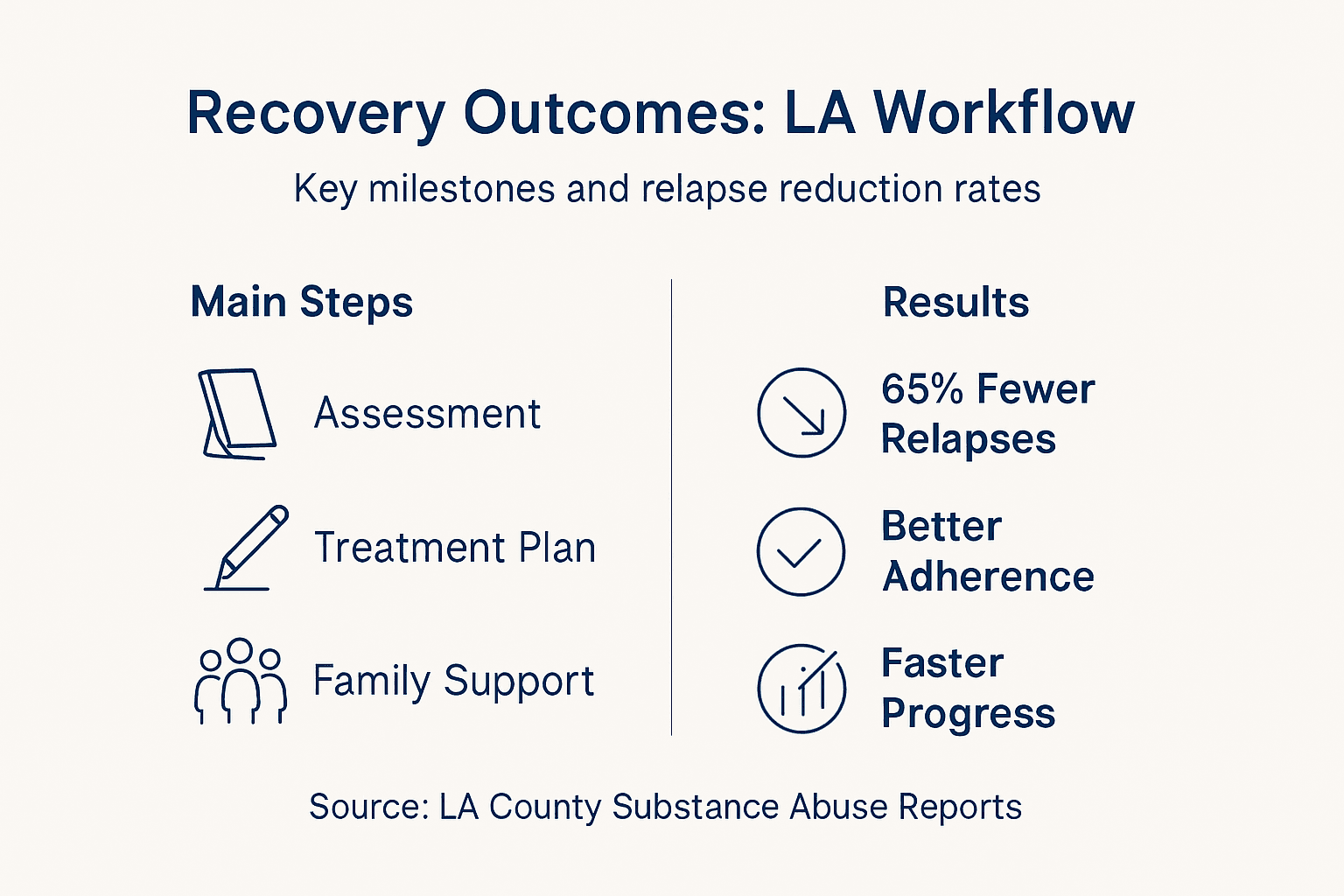
| PHP Effectiveness | Partial Hospitalization Programs reduce relapse by 65% compared to standard outpatient care. |
| Flexible Access | Telehealth and flexible scheduling boost treatment adherence by 40% by removing barriers. |
| Family Involvement | Family therapy improves relapse prevention success by 20 to 30 percent. |
| Aftercare Critical | Skipping aftercare increases relapse rates by over 60%, making continued support vital. |
Prerequisites: What You Need Before Starting
Before beginning any substance abuse treatment program, you need a comprehensive biopsychosocial assessment conducted by licensed professionals. This evaluation examines your physical health, psychological state, social circumstances, and substance use history to create an accurate baseline for personalized care.
Financial preparation matters too. Monthly treatment costs in Los Angeles County typically range from $1,000 to $6,000 depending on program intensity and insurance coverage. Contact your insurance provider early to verify benefits for partial hospitalization and outpatient services. Most major insurers cover evidence-based addiction treatment, but authorization requirements vary.
Identifying co-occurring mental health disorders is critical. Research shows that integrated treatment for co-occurring disorders significantly improves outcomes. Depression, anxiety, ADHD, and trauma often accompany substance use disorders and require simultaneous treatment for lasting recovery.
Your support environment needs attention too. Consider these prerequisites:
- A safe, substance-free living space or access to sober living in Los Angeles County
- Schedule flexibility for treatment sessions ranging from morning to evening options
- Transportation arrangements or telehealth capability for virtual sessions
- Family or friend support network willing to participate in your recovery journey
- Commitment to complete the full treatment duration, typically 4 to 12 weeks
Clearing these prerequisites before enrollment streamlines your treatment start and sets a foundation for success.
Step 1: Assessment and Personalized Treatment Planning
Your recovery journey begins with formal assessment using validated screening tools and structured clinical interviews. Licensed addiction counselors evaluate substance use patterns, medical history, mental health symptoms, and social support systems. This data informs every aspect of your individualized treatment plan.
The assessment process follows these steps:
- Complete standardized screening questionnaires measuring addiction severity and mental health symptoms
- Participate in face-to-face clinical interviews with addiction specialists
- Undergo baseline physical health evaluations including vital signs and medical history review
- Collaborate with your care team to establish specific, measurable recovery goals
- Review your personalized treatment plan outlining recommended program level, therapy modalities, and expected timeline
Your multidisciplinary team coordinates care across specialties. Addiction counselors, psychiatrists, therapists, and case managers work together to address your unique needs. This collaboration ensures that your dual diagnosis treatment workflow integrates mental health care with addiction treatment from day one.
Transparent communication during this phase builds trust and engagement. Ask questions about treatment expectations, program schedules, and success metrics. Understanding what to expect at each recovery stage reduces anxiety and increases your commitment to the process.
Pro Tip: Be completely honest during your assessment. Withholding information about substance use, mental health symptoms, or past treatment attempts limits your care team’s ability to design effective interventions. Confidentiality protections ensure your privacy while enabling personalized care.
Your treatment goals should be specific and realistic. Rather than vague aims like “get better,” effective plans target measurable outcomes such as 30 days of continuous sobriety, reduced anxiety symptoms, or improved family communication. These concrete benchmarks help you track progress and stay motivated.
Step 2: Addressing Co-Occurring Disorders
Most people entering substance abuse treatment also struggle with mental health conditions. Studies indicate that 50 to 75 percent of individuals with substance use disorders have co-occurring mental health issues. Treating addiction without addressing underlying depression, anxiety, ADHD, or trauma significantly increases relapse risk.
Integrated care treats both conditions simultaneously rather than sequentially. Your psychiatrist may prescribe medications to stabilize mood or manage ADHD symptoms while your addiction counselor provides substance-focused therapy. This coordinated approach produces better outcomes than treating conditions separately.
Research confirms that integrated treatment for co-occurring disorders reduces relapse rates by 40% compared to treating substance abuse alone. Mental health symptoms often trigger substance use as a coping mechanism. Addressing root psychological issues removes these triggers and builds healthier coping skills.
Key components of dual diagnosis treatment include:
- Psychiatric evaluation and medication management for mental health conditions
- Trauma-informed therapy addressing past experiences contributing to substance use
- Cognitive behavioral therapy teaching skills to manage both addiction and mental health symptoms
- Regular monitoring of both substance use and psychological symptom severity
- Coordination between mental health providers and addiction specialists
Specialized programs for addressing addiction and ADHD or other specific combinations ensure you receive targeted interventions. Generic addiction treatment often misses the nuanced needs of dual diagnosis clients.
Your mental health professional should have specific training in addiction medicine. This expertise ensures they understand how substances interact with psychiatric medications and can adjust treatment accordingly. The goal is stabilization of both conditions, not just managing one while the other remains untreated.
Step 3: Intensive Treatment Phase
Partial Hospitalization Programs and Intensive Outpatient Programs form the core of evidence-based substance abuse treatment. Research shows Partial Hospitalization Programs reduce relapse by 65% compared to standard outpatient care, making PHP the gold standard for moderate to severe addiction.
PHP provides structured daily treatment without requiring overnight stays. You attend programming five to seven days per week for four to six hours daily. This intensity offers medical monitoring, multiple therapy sessions, and immediate crisis intervention while allowing you to return home each evening.
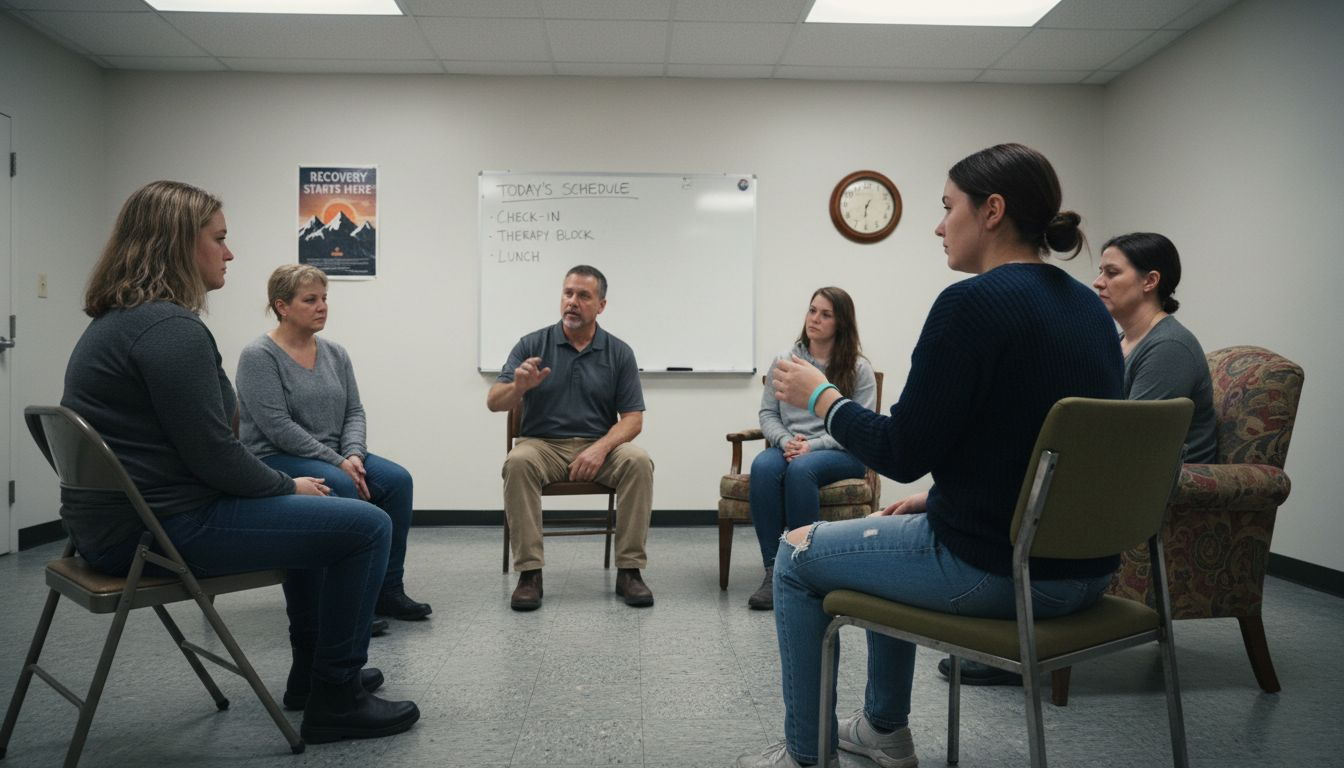
IOP requires less time commitment, typically three days per week for three hours per session. This option suits individuals with milder addiction, strong support systems, or those transitioning down from PHP. IOP maintains therapeutic momentum while increasing independence.
| Program | Hours Per Week | Best For | Duration |
|---|---|---|---|
| PHP | 20 to 30 | Severe dependence, recent detox, multiple relapses | 4 to 12 weeks |
| IOP | 9 to 15 | Moderate addiction, stable housing, employed individuals | 8 to 16 weeks |
Both programs incorporate evidence-based therapies:
- Cognitive behavioral therapy identifying and changing thought patterns triggering substance use
- Dialectical behavior therapy building emotional regulation and distress tolerance skills
- Group counseling providing peer support and reducing isolation
- Individual therapy addressing personal trauma, relationships, and recovery barriers
- Medication-assisted treatment when clinically appropriate for opioid or alcohol dependence
Studies indicate PHP duration typically lasts between 4 to 12 weeks with measurable outcomes by 8 weeks. You should notice reduced cravings, improved mood, and better coping skills within the first month. Physical health improvements including sleep quality and energy levels often emerge even sooner.
Pro Tip: Choose partial hospitalization in Los Angeles if you have severe addiction, unstable living situations, or need daily medical oversight. Select intensive outpatient programs in Los Angeles if you require schedule flexibility while maintaining employment or family responsibilities.
Expect your clinical team to adjust program intensity based on progress. Many people start in PHP then step down to IOP as stability increases. This flexible approach matches treatment intensity to current needs rather than forcing everyone through identical timelines.
Step 4: Flexible Scheduling and Telehealth Options
Traditional treatment schedules create barriers for working adults, students, and parents. Morning-only programs force employment sacrifices while weekday-only options exclude those with inflexible work schedules. Modern treatment addresses these obstacles through varied session times and virtual options.
Flexible scheduling includes morning sessions starting at 8 AM, evening groups running until 8 PM, and weekend programming. This variety lets you maintain employment, attend school, or fulfill family obligations while receiving intensive care. You design a schedule fitting your life rather than abandoning responsibilities for recovery.
Telehealth integration removes geographic and transportation barriers. Research demonstrates telehealth attendance increases treatment adherence by 40% by eliminating commute time, childcare issues, and transportation costs. Virtual sessions provide the same therapeutic interventions as in-person treatment through secure video platforms.
Benefits of flexible delivery methods include:
- Reduced treatment dropout rates due to schedule conflicts or transportation problems
- Ability to attend sessions during lunch breaks or after work hours
- Continued treatment during illness, bad weather, or temporary relocation
- Privacy for individuals concerned about being seen entering treatment facilities
- Cost savings from eliminated commuting expenses
Most programs combine in-person and virtual sessions based on clinical needs and personal preferences. Individual therapy often works well via telehealth while group sessions may happen on site for stronger peer connections. Your care team helps determine the optimal mix for your situation.
Flexible partial hospitalization scheduling empowers you to prioritize recovery without sacrificing career advancement or family stability. This balance increases long-term treatment engagement and improves outcomes by reducing stress from competing demands.
Step 5: Family Involvement and Support Integration
Substance abuse affects entire family systems, not just the person using substances. Family members often develop their own coping mechanisms, communication patterns, and emotional responses that either support or undermine recovery. Including family in treatment addresses these dynamics and builds a foundation for lasting change.
Research confirms including family therapy improves relapse prevention success by 20 to 30% by strengthening support networks and improving communication skills. Family sessions help loved ones understand addiction as a medical condition rather than a moral failing, reducing shame and blame that damage relationships. Our team frequently points clients toward types of detox programs for added context.
Family integration methods include:
- Weekly family therapy sessions addressing communication patterns and relationship repair
- Educational workshops teaching family members about addiction neuroscience and recovery processes
- Support groups for parents, spouses, and siblings dealing with loved ones’ addiction
- Family participation in treatment planning and goal setting
- Conflict resolution training to handle disagreements without triggering relapse
Your family learns to provide effective support without enabling continued substance use. This distinction proves crucial since well-meaning relatives often inadvertently sabotage recovery through inappropriate financial support, making excuses, or shielding natural consequences. Families often find it helpful to read more about peer support in rehab when planning next steps.
Family therapy in PHP also addresses codependency and trauma affecting family members. Spouses may struggle with trust issues while children often carry behavioral or emotional effects from parental substance use. Treating the entire family system promotes healing beyond just the identified patient.
For teens in treatment, family involvement becomes even more critical since they return to their family home environment. Parents learn behavior management strategies, appropriate boundary setting, and how to create a recovery-supportive home. This preparation significantly reduces adolescent relapse rates.
Troubleshooting: Common Mistakes and Solutions
Even well-designed recovery workflows face predictable obstacles. Recognizing these common mistakes early and implementing solutions keeps you on track toward lasting sobriety.
Frequent errors include:
- Skipping aftercare: Many people feel confident after intensive treatment and discontinue support. Research shows skipping aftercare increases relapse rates by over 60%. Solution: Enroll in continuing care before PHP or IOP completion to ensure seamless transition.
- Abrupt substance cessation: Stopping alcohol or benzodiazepines without medical supervision causes dangerous withdrawal. Solution: Complete medically supervised detox before starting behavioral treatment.
- Ignoring co-occurring disorders: Treating addiction while leaving depression or anxiety unaddressed sets up relapse. Solution: Insist on integrated dual diagnosis care from day one.
- Unrealistic timeline expectations: Expecting complete transformation in weeks creates disappointment. Solution: Understand that recovery milestones appear progressively over 4 to 12 weeks with continued improvement for months.
- Treatment dropout: Missing sessions or leaving programs early dramatically reduces success. Solution: Use telehealth options and flexible scheduling to maintain attendance despite life obstacles.
Pro Tip: Set small, achievable weekly goals rather than focusing only on long-term sobriety. Celebrate completing each week of treatment, attending all scheduled sessions, or using a new coping skill successfully. These milestone celebrations maintain motivation during challenging periods.
Aftercare is not optional. The months following intensive treatment represent your highest relapse risk period. Continuing support through alumni groups, ongoing therapy, or 12-step meetings provides accountability and skill reinforcement when you need it most.
Another common mistake involves isolating from sober support networks. Recovery requires building new relationships with people who support your sobriety. Maintaining connections only with active users virtually guarantees relapse regardless of treatment quality.
Finally, many people neglect physical health during early recovery. Poor sleep, inadequate nutrition, and lack of exercise destabilize mood and increase cravings. Aftercare programs often include wellness components addressing these lifestyle factors crucial for sustained recovery.
Expected Outcomes and Timelines
Understanding realistic recovery benchmarks helps you measure progress and stay motivated. Outcomes vary based on addiction severity, co-occurring conditions, and treatment engagement, but research provides clear timeframes for typical improvements.
Partial hospitalization produces measurable benefits within the first month. You should notice reduced substance cravings, improved sleep quality, and better emotional regulation by week four. Mental health symptoms like depression and anxiety typically improve significantly by week eight of consistent treatment.
| Outcome Measure | Timeline | Success Rate |
|---|---|---|
| Reduced cravings and withdrawal symptoms | 2 to 4 weeks | 80% of PHP participants |
| Measurable mental health improvements | 6 to 8 weeks | 70% show significant reduction |
| Established sober coping skills | 8 to 12 weeks | 75% demonstrate competency |
| Treatment completion and aftercare transition | 12 to 16 weeks | 65% complete full program |
Cost expectations for Los Angeles County treatment range from $1,000 to $6,000 monthly depending on program intensity and insurance coverage. Most individuals with insurance pay significantly less due to behavioral health parity laws requiring equal coverage for mental health and addiction services.
Telehealth integration and flexible scheduling improve adherence rates by 40%, meaning you’re substantially more likely to complete treatment when programs accommodate your schedule. This increased completion directly correlates with reduced relapse rates and sustained recovery.
Medication management for co-occurring disorders shows benefits within two to six weeks as psychiatric medications reach therapeutic levels. Combined with therapy, integrated treatment produces superior outcomes compared to addressing addiction alone.
Long-term sobriety rates depend heavily on aftercare participation. Studies show individuals completing intensive treatment followed by six months of continuing care maintain sobriety at rates 60% higher than those who stop treatment abruptly. This data underscores why partial hospitalization program benefits extend far beyond the initial treatment phase.
Explore Expert Addiction Treatment Options in Los Angeles
Glendora Recovery Center specializes in the evidence-based substance abuse support workflows described throughout this guide. Our facility serves Los Angeles County with comprehensive addiction treatment center in Los Angeles programs tailored to adults and teens struggling with substance use and co-occurring disorders.
We offer partial hospitalization program services with flexible morning, evening, and weekend scheduling plus telehealth options. Our integrated approach includes dual diagnosis treatment options addressing mental health conditions alongside addiction. Contact our admissions team to begin your personalized assessment and start your recovery journey with proven methods that reduce relapse and build lasting sobriety.
FAQ
How long does a typical Partial Hospitalization Program last?
Partial Hospitalization Programs typically last between 4 to 12 weeks depending on individual progress and addiction severity. Most people complete PHP within 8 weeks, though those with severe dependence or co-occurring disorders may benefit from extended treatment.
What is the role of family in substance abuse recovery?
Family involvement through therapy sessions and educational workshops improves relapse prevention by 20 to 30 percent. Family members learn communication skills, understand addiction as a medical condition, and create supportive home environments that reinforce recovery rather than enabling continued use.
Can telehealth replace in-person treatment entirely?
Telehealth increases treatment adherence by 40% and works well for individual therapy and some group sessions. However, most effective programs combine virtual and in-person sessions based on clinical needs, using telehealth to increase access while maintaining face-to-face contact for medical monitoring and intensive group work.
What are the risks of skipping aftercare after intensive treatment?
Skipping aftercare increases relapse rates by over 60% because the transition period following intensive treatment represents the highest risk time. Aftercare provides ongoing accountability, skill reinforcement, and crisis intervention during this vulnerable phase when you’re applying recovery tools in real-world situations.
How are co-occurring disorders managed during recovery?
Integrated dual diagnosis treatment addresses mental health conditions and substance use simultaneously through coordinated care teams. Psychiatrists manage medications for depression, anxiety, or ADHD while addiction counselors provide substance-focused therapy, ensuring both conditions receive appropriate treatment rather than addressing them sequentially.
Recommended
- Addiction Recovery Process 2025: Complete Guide | Glendora Recovery Center
- Family Therapy Workflow Addiction: Effective Steps for Recovery | Glendora Recovery Center
- Teen Addiction Recovery Steps: A Complete Los Angeles Guide | Glendora Recovery Center
- 7 Best Practices for Addiction Recovery in Los Angeles County | Glendora Recovery Center
- My Meds Ltd