
Contrary to widespread concerns about escalating substance abuse, Los Angeles County experienced the most significant historic decline in drug overdose deaths in 2024. This surprising shift challenges assumptions and demands closer examination of what’s actually happening on the ground. This article unpacks detailed substance abuse trends across Los Angeles, explores emerging substances like xylazine, examines vulnerable populations, and connects you with proven recovery resources. Whether you’re navigating recovery yourself, supporting a loved one, or working as a mental health professional, these data-driven insights will help you understand the evolving landscape and access effective support.
Table of Contents
- Recent Trends In Substance Abuse And Overdose Deaths In Los Angeles
- Emerging Substances And Challenges: The Rise Of Xylazine And Polysubstance Use
- Youth And Vulnerable Populations: Trends, Risks, And Trimorbidity In Los Angeles
- Investments, Treatment Expansions, And Practical Resources In Los Angeles
- Explore Addiction Treatment Options And Recovery Support In Los Angeles
- Frequently Asked Questions About Substance Abuse Trends In Los Angeles 2025
Key takeaways
| Point | Details |
|---|---|
| Historic overdose decline | LA County saw a 22% drop in drug overdose deaths in 2024, the largest decrease on record. |
| Fentanyl and meth deaths fell | Fentanyl-related deaths declined 37% and methamphetamine deaths dropped 20% year over year. |
| Xylazine emergence | Nearly 30% of fentanyl samples now contain xylazine, complicating overdose response and treatment. |
| Youth trends stable | Alcohol and cannabis use among youth remain stable or declining, though vaping and polysubstance use persist. |
| Treatment investments work | Prevention funding increased 260%, treatment 275%, and harm reduction 500%, driving measurable progress. |
Recent trends in substance abuse and overdose deaths in Los Angeles
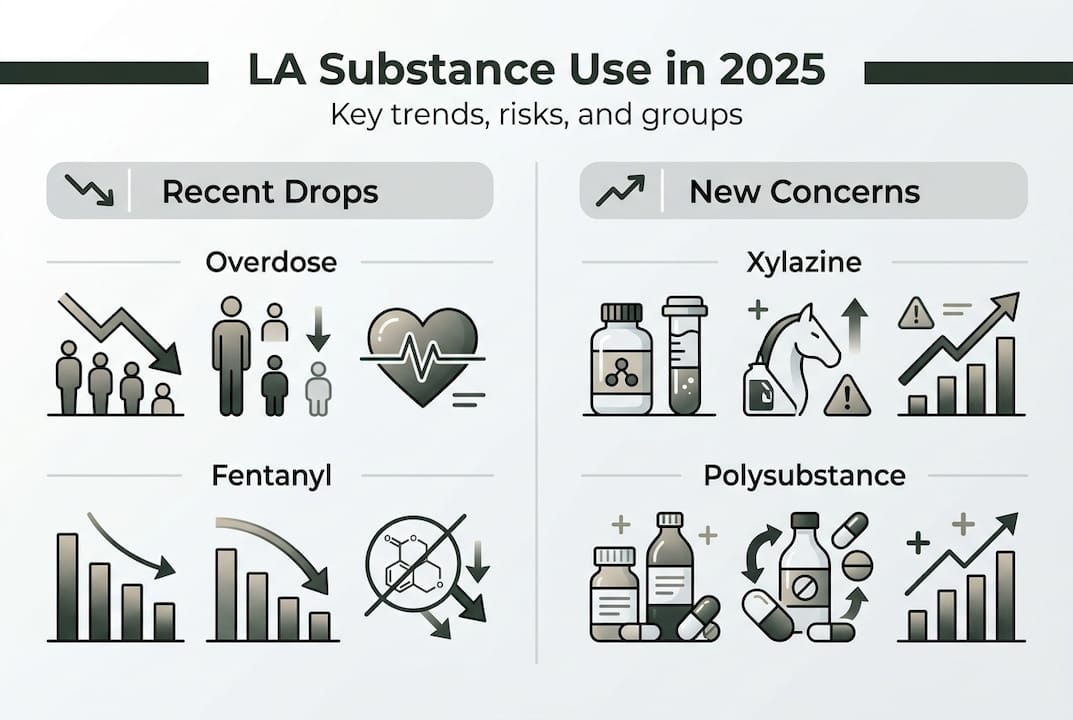
Los Angeles County recorded 2,438 drug overdose deaths in 2024, down 22% from the previous year. This marks the most dramatic single-year improvement in local public health records. Fentanyl-related fatalities fell 37%, while methamphetamine deaths dropped 20%. These numbers reflect broader national patterns where overdose mortality began declining in mid-2023, largely attributed to reduced illicit fentanyl supply and expanded naloxone access.
Yet the picture isn’t uniformly positive. Emerging adulterants like xylazine and persistent polysubstance use create new clinical challenges that complicate traditional overdose interventions. Understanding why fentanyl is so dangerous remains essential, but now you also need to recognize how adulterants change the risk profile. The table below summarizes key substance-specific trends:
| Substance Category | 2023 Deaths | 2024 Deaths | Percent Change |
|---|---|---|---|
| Fentanyl-involved | 2,100 | 1,323 | -37% |
| Methamphetamine-involved | 1,450 | 1,160 | -20% |
| Cocaine-involved | 580 | 522 | -10% |
| Heroin-involved | 210 | 189 | -10% |
Several factors drove these declines. Law enforcement disrupted major trafficking networks, reducing street-level fentanyl availability. Community organizations distributed over 500,000 naloxone kits throughout LA County. Treatment capacity expanded significantly, capturing people earlier in their addiction trajectories. However, the rise of xylazine and continued polysubstance combinations mean vigilance remains critical.
Pro Tip: When reviewing overdose statistics, look beyond total numbers to substance-specific trends and adulterant profiles. A declining overall death rate can mask emerging risks from new drug combinations that require different medical responses and treatment approaches.
Key factors influencing recent trends include:
- Expanded naloxone distribution through pharmacies, community centers, and outreach programs
- Increased public awareness campaigns targeting high-risk populations and their networks
- Enhanced coordination between emergency services, hospitals, and addiction treatment providers
- Disruption of major fentanyl supply chains through targeted law enforcement operations
- Growth in medication-assisted treatment programs accepting Medi-Cal and offering same-day access
Emerging substances and challenges: The rise of xylazine and polysubstance use
While fentanyl deaths declined, a troubling adulterant has infiltrated LA’s drug supply. Xylazine, a veterinary sedative never approved for human use, now appears in up to 29.5% of fentanyl samples tested in early 2025. This represents a dramatic increase from essentially zero detection in early 2023. Xylazine produces profound sedation, respiratory depression, and distinctive skin wounds that don’t respond to standard wound care.
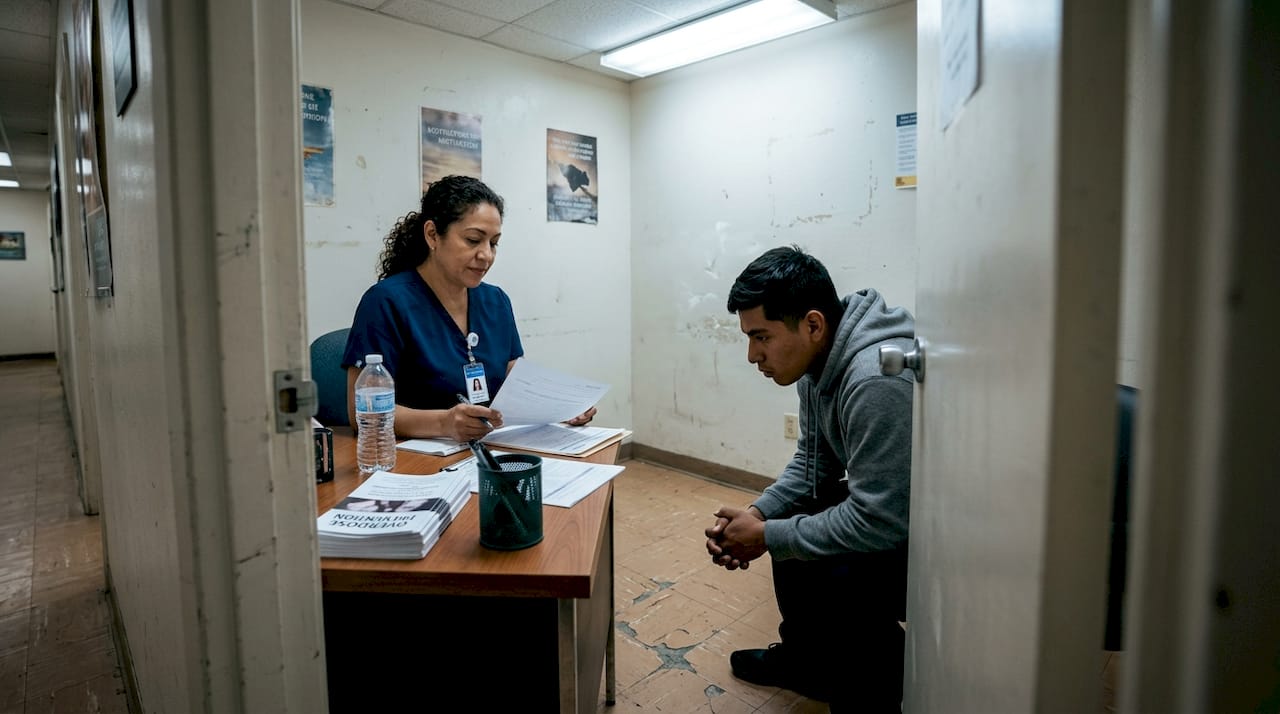
The clinical implications are serious. Naloxone reverses opioid overdoses but has no effect on xylazine’s sedative properties. Someone who receives naloxone after a fentanyl-xylazine overdose may remain dangerously sedated even as the opioid effects reverse. This complicates emergency response protocols and increases the risk of delayed respiratory failure. Treatment providers must now screen for xylazine exposure and adjust their medical management accordingly.
Polysubstance use involving fentanyl and methamphetamine is common, creating additional treatment complexity. Users often combine stimulants and opioids to achieve specific effects or counteract unwanted side effects from either drug alone. This pattern demands integrated treatment approaches that address multiple substance dependencies simultaneously. The table below compares key characteristics:
| Substance | Primary Effect | Overdose Risk | Naloxone Effective | Treatment Approach |
|---|---|---|---|---|
| Fentanyl | Opioid sedation | Very High | Yes | Medication-assisted treatment, behavioral therapy |
| Methamphetamine | Stimulant activation | Moderate to High | No | Contingency management, behavioral interventions |
| Xylazine | Sedation, wounds | High (combined) | No | Supportive care, wound management, behavioral therapy |
Recognizing polysubstance overdoses requires understanding mixed presentations. You might see someone who appears sedated but has an elevated heart rate, or someone who responds partially to naloxone but remains unresponsive. Emergency responders now carry supplemental oxygen and are trained to provide extended monitoring for these complex cases.
Pro Tip: If you or someone you know uses substances, assume that street drugs contain multiple active ingredients including xylazine. Always use with someone present, never alone, and keep naloxone accessible even though it won’t reverse all effects. Seek best practices for addiction recovery that address polysubstance patterns.
Polysubstance treatment requires:
- Comprehensive medical assessment screening for multiple substance dependencies
- Integrated medication protocols addressing opioid and stimulant use simultaneously
- Extended stabilization periods accounting for varied withdrawal timelines
- Behavioral interventions targeting triggers and patterns specific to each substance
- Ongoing monitoring for xylazine-related complications including skin infections and cardiovascular effects
Local resources like recovery support resources can connect you with providers experienced in managing these complex cases.
Youth and vulnerable populations: Trends, risks, and trimorbidity in Los Angeles
Youth substance use patterns in California show stable or declining rates for alcohol and cannabis over the past five years. This represents a significant departure from earlier decades when youth initiation rates climbed steadily. However, vaping and polysubstance experimentation remain persistent concerns, particularly among high school students who perceive these behaviors as lower risk than traditional substance use.
The picture shifts dramatically when examining unsheltered populations. Among homeless individuals in LA County, 50 to 60% have probable lifetime substance use disorders, rates far exceeding the general population. More concerning is the prevalence of trimorbidity, the co-occurrence of physical health conditions, mental health disorders, and substance use disorders. In specific LA areas, trimorbidity affects up to 27% of unsheltered individuals, creating cascading health crises that require coordinated medical, psychiatric, and addiction services.
Trimorbidity complicates treatment because addressing one condition without treating the others typically leads to poor outcomes. Someone with untreated depression and diabetes who enters substance abuse treatment faces overwhelming barriers if their mental health and physical health needs go unmet. Effective intervention requires integrated care teams that can address all three domains simultaneously, yet such comprehensive services remain scarce.
| Population | Substance Use Rate | Primary Substances | Key Health Challenges | Intervention Priority |
|---|---|---|---|---|
| Youth (ages 12-17) | 8-12% past month | Vaping, cannabis, alcohol | Mental health, peer influence | Prevention, early intervention |
| Unsheltered adults | 50-60% lifetime SUD | Methamphetamine, fentanyl, alcohol | Trimorbidity, trauma, housing instability | Integrated care, housing first |
Vulnerable populations face distinct risk factors that standard treatment models often miss. For youth, social media influence, academic pressure, and undiagnosed mental health conditions drive experimentation. For unsheltered individuals, trauma histories, lack of stable housing, and survival needs create conditions where substance use serves as both coping mechanism and social currency.
Effective interventions must address these root factors:
- Early screening in schools and primary care settings to identify at-risk youth before patterns solidify
- Trauma-informed care recognizing that many individuals use substances to manage unprocessed trauma
- Housing-first approaches providing stable shelter as foundation for recovery rather than requiring sobriety first
- Peer support programs connecting individuals with others who’ve navigated similar challenges successfully
- Family engagement services helping loved ones understand addiction and participate constructively in recovery
Programs offering recovery strategies for adults and connections to supportive housing in Los Angeles address these intersecting needs with evidence-based approaches tailored to local populations.
Investments, treatment expansions, and practical resources in Los Angeles
The dramatic decline in overdose deaths didn’t happen by accident. LA County’s Substance Abuse Prevention and Control division increased prevention funding by 260%, treatment by 275%, and harm reduction by 500% over recent years. These investments funded concrete programs that saved lives and expanded access to care across the county.
Recovery housing capacity grew 550%, creating thousands of new beds in supportive environments where people can stabilize while receiving treatment. Contingency management programs, which provide tangible incentives for negative drug tests, expanded to address stimulant use disorders where medication options remain limited. These evidence-based interventions work, but only if people can access them.
National guidelines now emphasize crisis care including 988 hotlines that connect callers with immediate support for substance use crises, mental health emergencies, and suicide prevention. In LA County, calling 988 routes you to trained counselors who can dispatch mobile crisis teams, arrange same-day treatment intake, or provide telephone support until you’re ready for in-person care.
Pro Tip: Don’t wait for a crisis to explore treatment options. Many LA County programs offer walk-in assessments, same-day medication starts, and flexible scheduling including evening and weekend appointments. Early engagement dramatically improves long-term outcomes and reduces the risk of life-threatening overdoses.
Key treatment expansions available now include:
- Medication-assisted treatment with buprenorphine or methadone available through county clinics, FQHCs, and private providers
- Intensive outpatient programs offering structured treatment while you maintain work, school, or family responsibilities
- Residential treatment facilities providing 24/7 support for those needing higher levels of care
- Contingency management programs for stimulant use disorders offering evidence-based behavioral interventions
- Peer recovery support services connecting you with trained individuals who’ve successfully navigated their own recovery
- Telehealth options expanding access for those in remote areas or with transportation barriers
Navigating LA’s treatment system can feel overwhelming, but structured pathways help. The LA addiction workflow recovery guide walks you through assessment, program selection, insurance verification, and intake processes step by step. Local directories like essential recovery support resources connect you with verified providers accepting new clients.
Understanding why fentanyl is so dangerous motivates many people to seek help, but knowing where to turn and what to expect makes the difference between intention and action. LA County’s expanded capacity means shorter wait times, more program options, and better chances of finding treatment that fits your specific needs and circumstances.
Explore addiction treatment options and recovery support in Los Angeles
Glendora Recovery Center offers comprehensive, evidence-based addiction treatment designed specifically for Los Angeles residents navigating today’s complex substance abuse landscape. Our programs address the emerging challenges discussed throughout this article, from xylazine-adulterated fentanyl to polysubstance use patterns and co-occurring mental health conditions. Many people also benefit from learning about substance abuse emergency response along the way.
Our experienced team specializes in dual diagnosis treatment, recognizing that substance use disorders rarely exist in isolation. We provide integrated care addressing addiction alongside depression, anxiety, trauma, and other mental health conditions through coordinated treatment plans. Our approach combines medication-assisted treatment, individual and group therapy, family support services, and relapse prevention strategies tailored to your unique situation.
We offer flexible scheduling including morning, evening, weekend, and telehealth sessions, removing common barriers that prevent people from accessing care. Our Partial Hospitalization and Intensive Outpatient Programs provide structured support while allowing you to maintain work, school, and family commitments. For those requiring court-approved programs or aftercare support, we provide documentation and coordination with legal and social service systems.
Explore addiction treatment center in Los Angeles options or review addiction treatment options 2025 to understand our full range of services. The LA addiction workflow recovery guide helps you understand what to expect and how to prepare for your first appointment.
Pro Tip: Early professional engagement significantly improves recovery outcomes. Don’t wait until a crisis forces action. Reaching out for an assessment costs nothing and provides clarity about your options, insurance coverage, and next steps toward lasting recovery.
Frequently asked questions about substance abuse trends in Los Angeles 2025
What are the main substances contributing to overdose deaths in LA currently?
Fentanyl remains the leading cause of overdose deaths in LA County despite a 37% decline in 2024. Methamphetamine contributes to many fatalities, often in combination with fentanyl. The emergence of xylazine as an adulterant in nearly 30% of fentanyl samples adds new complexity to overdose presentations and treatment responses.
How is xylazine affecting overdose risk and treatment?
Xylazine produces profound sedation and respiratory depression that naloxone cannot reverse, meaning standard overdose response may be insufficient. It causes distinctive skin wounds requiring specialized wound care. Medical providers now screen for xylazine exposure and provide extended monitoring for mixed overdoses involving opioids and this veterinary sedative.
Are youth substance use rates increasing or declining in LA?
Youth alcohol and cannabis use rates have remained stable or declined over the past five years in California. However, vaping and polysubstance experimentation persist as concerns, particularly among high school students. Prevention efforts now focus on these specific patterns rather than addressing broadly increasing use.
What treatment options are available locally for stimulant and fentanyl misuse?
LA County offers medication-assisted treatment for opioid use disorders through numerous providers, including same-day buprenorphine starts. For stimulant use disorders, contingency management programs providing incentives for negative drug tests have expanded significantly. Intensive outpatient and residential programs address both substance types, often treating polysubstance patterns with integrated approaches.
How can families best support a loved one in recovery?
Families play a crucial role by learning about addiction as a medical condition, avoiding blame and shame, setting healthy boundaries, and participating in family therapy when offered. Connecting with support groups for families, maintaining open communication, and celebrating small victories helps create an environment conducive to sustained recovery. Professional guidance through recovery support resources can teach specific skills for effective support.
What should I do if I suspect someone is experiencing an overdose?
Call 911 immediately, administer naloxone if available, place the person on their side to prevent choking, and stay with them until help arrives. California’s Good Samaritan law protects people who call for help during an overdose from prosecution for drug possession. Given the prevalence of xylazine, which naloxone doesn’t reverse, professional medical evaluation is essential even if the person appears to respond to naloxone.
Recommended
- Understanding substance dependence in Los Angeles 2026 | Glendora Recovery Center
- Addiction Recovery Process 2025: Complete Guide | Glendora Recovery Center
- LA Addiction Workflow Cuts Relapse 65%: Recovery Guide | Glendora Recovery Center
- 7 Best Practices for Addiction Recovery in Los Angeles County | Glendora Recovery Center