

More than one hundred thousand Americans lost their lives to drug overdoses in a single year, with fentanyl linked to the majority of these tragedies. The spread of this powerful synthetic opioid has reshaped how communities from Los Angeles to small towns across the United States confront drug safety. Understanding what sets fentanyl apart from other painkillers could mean the difference between life and death, as even the smallest exposure now carries unprecedented risks for every American family.
Table of Contents
- What Fentanyl Is and How It Differs
- Potency and Lethal Dosage Explained
- Hidden Presence in Street Drugs
- Risks of Overdose and Toxicity
- Impact on Addiction and Recovery
Key Takeaways
| Point | Details |
|---|---|
| Fentanyl’s Potency | Fentanyl is 50 to 100 times more potent than morphine, making it exceptionally dangerous if misused. |
| Medical vs. Illicit Use | Medical fentanyl is controlled and prescribed, while illicit fentanyl is unregulated and often lethal in its unknown concentrations. |
| Overdose Risks | Just 2 milligrams of fentanyl can be fatal, with users having a high risk of accidental overdose due to its undetectable nature in street drugs. |
| Impact on Addiction | Fentanyl addiction can drastically alter brain chemistry, making recovery complex and requiring specialized treatment approaches. |
What Fentanyl Is and How It Differs
Fentanyl is a potent synthetic opioid medication that has become increasingly notorious in Los Angeles and nationwide. Unlike traditional pain medications, fentanyl represents a significant escalation in pharmaceutical strength. Developed initially for medical purposes, particularly in managing severe chronic pain for cancer patients, this synthetic drug is dramatically more powerful than other opioid alternatives.
Medically, fentanyl is approximately 50 to 100 times more potent than morphine, making it extremely effective for targeted pain management but simultaneously dangerous if misused. Illegally manufactured fentanyl has become a critical public health threat, often appearing in powder form or pressed into counterfeit pills that can be indistinguishable from legitimate prescription medications. This underground production dramatically increases overdose risks, as users may unknowingly consume extremely concentrated versions.
The key differences between medical and illicit fentanyl are profound. Pharmaceutical fentanyl is carefully measured, administered under strict medical supervision, and designed for specific therapeutic purposes. Illegal versions, by contrast, are produced without quality control, often mixed with other substances like heroin or cocaine, and can contain unpredictable concentrations that make accidental overdose extremely likely. These underground versions have transformed fentanyl from a legitimate medical treatment into a potentially lethal street drug.
Here is a comparison of medical and illicit fentanyl:
| Aspect | Medical Fentanyl | Illicit Fentanyl |
|---|---|---|
| Production Quality | Pharmaceutical-grade, controlled | Unregulated, inconsistent |
| Intended Use | Pain management, surgery | Recreational or accidental use |
| Administration | Prescribed and monitored | Unsupervised street use |
| Overdose Risk | Lower, tightly dosed | Extremely high, unpredictable |
Pro Tip: Always verify prescription medications with your healthcare provider and never accept pills from unknown sources, as counterfeit drugs can contain deadly concentrations of fentanyl.
Potency and Lethal Dosage Explained
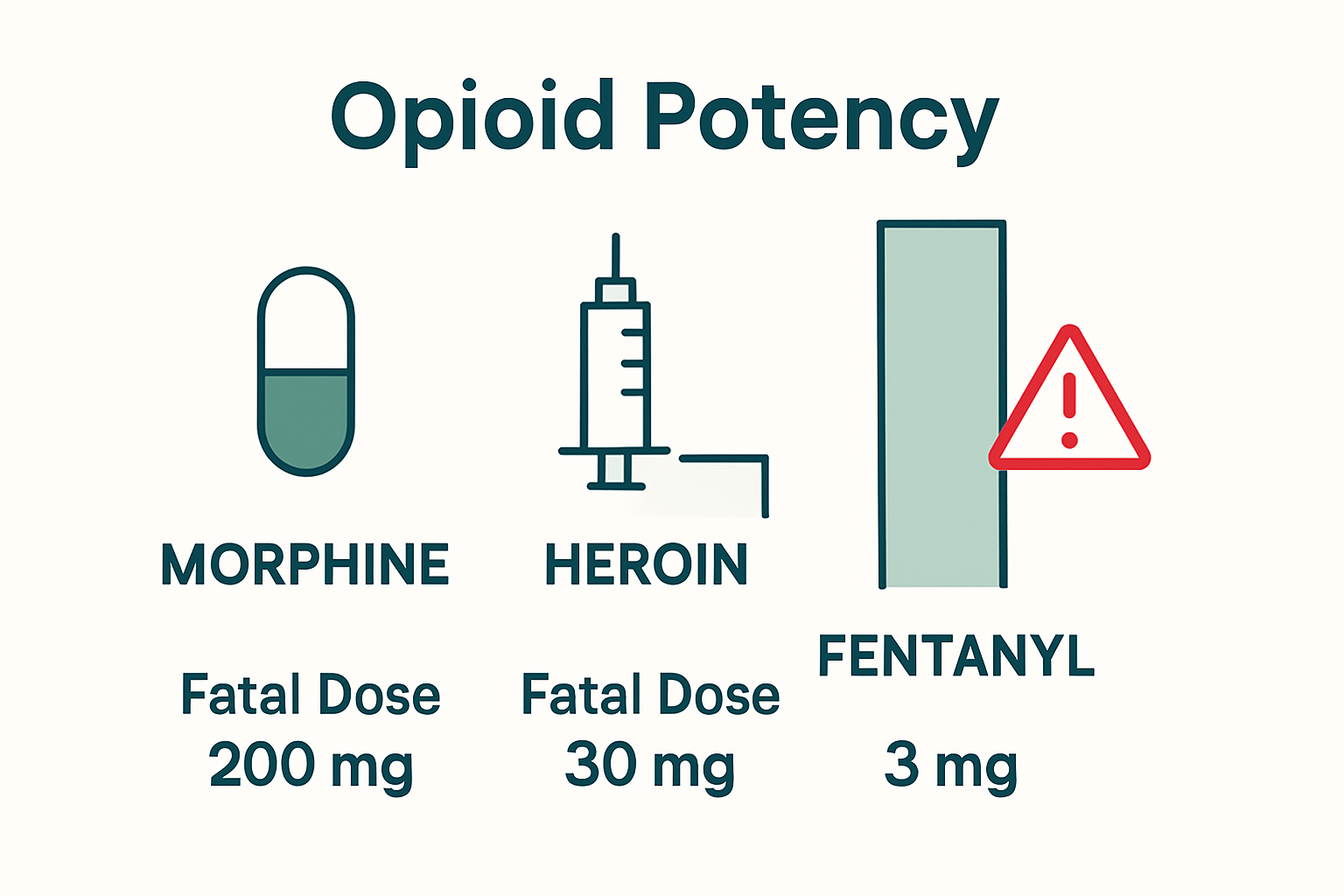
Potency in the context of fentanyl represents an unprecedented level of pharmaceutical danger. Fentanyl is extraordinarily more powerful than traditional opioids, measuring approximately 100 times more potent than morphine and 50 times stronger than heroin. This extreme concentration means that even microscopic amounts can trigger catastrophic physiological responses.
To understand the true scale of fentanyl’s potency, consider its lethal dosage. Remarkably, a mere 2 milligrams of fentanyl can be fatal – an amount so small it could fit on the tip of a pencil. This minuscule quantity is equivalent to just a few grains of salt, making accidental overdose alarmingly easy. The razor-thin margin between a therapeutic dose and a lethal dose makes fentanyl uniquely dangerous, especially when encountered in uncontrolled environments.
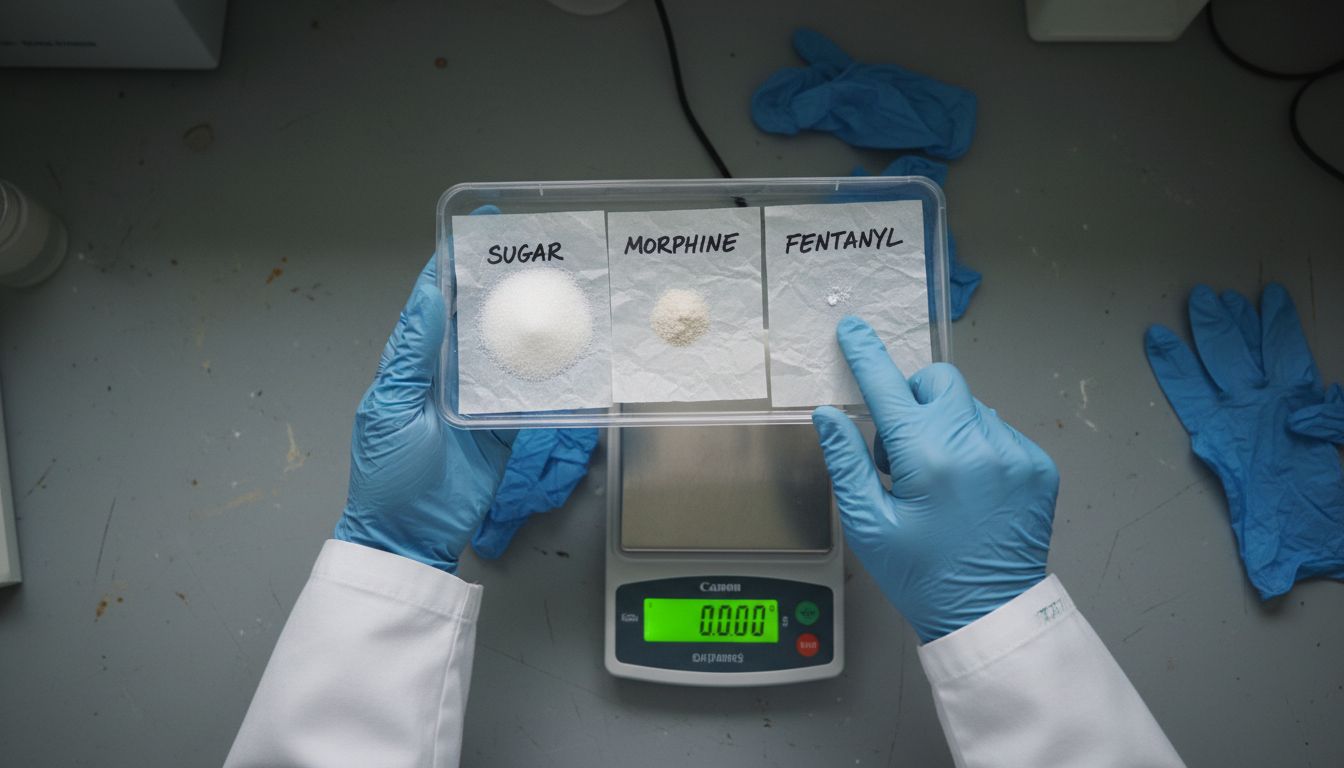
The risk is compounded by fentanyl’s prevalence in street drugs. Illicit manufacturers often mix fentanyl with heroin, cocaine, or press it into counterfeit prescription pills, creating a potentially deadly cocktail. Users might consume these substances without any awareness of fentanyl’s presence, dramatically increasing the likelihood of an unintentional and potentially fatal overdose. The drug’s synthetic nature allows for rapid and undetectable production, making it a persistent threat in Los Angeles and across the United States.
Below is a summary of fentanyl’s effects and dangers compared to other opioids:
| Substance | Potency (vs. Morphine) | Typical Medical Purpose | Fatal Dose Estimate |
|---|---|---|---|
| Morphine | 1x | Moderate to severe pain | 200 mg |
| Heroin | 2-5x | None (illegal) | 75 mg |
| Fentanyl | 50-100x | Severe pain, anesthesia | 2 mg |
| Carfentanil | 10,000x | Large animal anesthesia | 0.02 mg (not for humans) |
Pro Tip: Lifesaving Awareness: Always carry or ensure access to naloxone, a medication that can rapidly reverse opioid overdose, and know how to recognize the signs of fentanyl poisoning.
Hidden Presence in Street Drugs
Fentanyl contamination has become a silent and deadly threat in the illicit drug landscape. Illegally manufactured fentanyl is routinely mixed into various street drugs, creating an invisible and potentially fatal risk for unsuspecting users. This dangerous practice spans multiple drug categories, transforming seemingly familiar substances into potential death traps.
The range of contaminated drugs is alarmingly broad, including cocaine, heroin, methamphetamine, ketamine, and even counterfeit prescription medications like benzodiazepines and opioid painkillers. What makes this scenario particularly terrifying is the complete undetectability of fentanyl. Users cannot identify its presence through sight, smell, or taste, meaning they might consume a lethal dose without any prior warning. This invisible contamination turns recreational drug use into a potentially fatal game of Russian roulette.
The motivations behind this dangerous mixing are primarily economic. Illicit drug manufacturers recognize fentanyl’s potency and use it as a cheap method to increase the perceived strength of their products. By adding small amounts of this synthetic opioid, dealers can create a more intense high at a lower production cost. However, this practice transforms drug consumption from a personal risk into a potential community health crisis, with overdose rates skyrocketing as a direct consequence of these unregulated and unpredictable substance combinations.
Pro Tip: Street Smart Survival: Never consume drugs from unknown sources, and always be prepared with naloxone if you or someone you know is at risk of potential opioid exposure.
Risks of Overdose and Toxicity
Overdose represents the most immediate and life-threatening consequence of fentanyl consumption. Fentanyl’s extraordinary potency creates a rapid and catastrophic impact on the central nervous system, dramatically increasing the risk of fatal respiratory depression. Unlike other opioids, fentanyl can cause near-instantaneous shutdown of critical bodily functions, making emergency intervention extremely time-sensitive.
The physiological signs of fentanyl overdose are distinct and alarming, including profound stupor, dramatically altered pupil size, cold and clammy skin, potential cyanosis (a bluish skin discoloration), and potentially rapid progression to complete coma. These symptoms reflect the drug’s devastating neurological impact, where the synthetic opioid essentially overwhelms the body’s respiratory and neural systems. The microscopic difference between a recreational dose and a lethal dose means that users can slip into life-threatening conditions within minutes, often before they even recognize the danger.
Toxicity extends beyond immediate overdose risks. Repeated fentanyl exposure can cause long-term neurological damage, impair cognitive function, and create severe psychological dependence. The drug’s synthetic composition makes it particularly aggressive, attacking neural pathways and potentially causing permanent alterations in brain chemistry. Chronic users face not just the immediate risk of overdose, but also substantial risks of permanent neurological and psychological trauma, creating a multifaceted health crisis that extends far beyond a single incident of consumption.
Pro Tip: Lifesaving Recognition: Learn to identify overdose symptoms quickly, keep naloxone accessible, and call emergency services immediately if you suspect someone has consumed fentanyl.
Impact on Addiction and Recovery
Fentanyl addiction represents a profound neurological challenge that transforms brain chemistry and behavioral patterns. Repeated exposure causes dramatic changes in brain activity, compelling individuals to continue use despite increasingly devastating consequences. The drug’s extraordinary potency creates a neurological hijacking far more aggressive than traditional opioid dependencies, making recovery an exceptionally complex journey.
The widespread availability of illegally manufactured fentanyl has dramatically escalated overdose risks, creating unprecedented challenges for addiction treatment and recovery programs. Los Angeles has been particularly vulnerable, with the drug’s prevalence transforming addiction from a personal struggle into a broader public health crisis. The microscopic quantities required to trigger addiction and potential fatal overdose mean that traditional recovery strategies must be radically reimagined to address this synthetic opioid’s unique neurological assault.
Addiction to fentanyl disrupts not just individual health, but entire social ecosystems. Families watch helplessly as loved ones battle a substance so powerful that conventional intervention strategies often seem ineffective. The psychological dependence created by fentanyl is extraordinarily resilient, with neural pathways becoming rapidly and deeply rewired, making long-term recovery strategies crucial for sustainable healing. Comprehensive treatment must address not just chemical dependency, but the profound psychological trauma accompanying synthetic opioid addiction.
Pro Tip: Compassionate Intervention: Approach fentanyl addiction with professional support, understanding that recovery is a complex journey requiring specialized medical and psychological expertise.
Protect Yourself and Loved Ones from Fentanyl’s Hidden Dangers
Fentanyl’s extreme potency and widespread contamination in street drugs pose a serious threat across Los Angeles County. If you or someone you care about is struggling with fentanyl addiction or exposure, understanding the rapid risk of overdose and the challenges of recovery is essential. The microscopic differences between a therapeutic and lethal dose make timely intervention critical, and professional support tailored to this synthetic opioid’s unique dangers is key to lasting healing.
At Glendora Recovery Center, we provide compassionate, comprehensive care designed to address both fentanyl addiction and its co-occurring mental health challenges. Our Partial Hospitalization Programs and Intensive Outpatient Programs offer individualized treatment with flexible scheduling including mornings, evenings, weekends, and telehealth options to meet your needs. Don’t wait until fentanyl’s hidden presence causes irreversible harm. Take the first step towards recovery today by contacting us at Glendora Recovery Center. Learn how specialized support can help you or your loved one reclaim safety and hope.
Frequently Asked Questions
What is fentanyl, and why is it considered more dangerous than other opioids?
Fentanyl is a synthetic opioid that is 50 to 100 times more potent than morphine. Its significant strength increases the risk of overdose, especially when misused or encountered in uncontrolled environments.
How can someone accidentally overdose on fentanyl?
Accidental overdoses can occur because even a tiny amount—about 2 milligrams—can be lethal. Illegally manufactured fentanyl may be mixed with other street drugs, making it difficult for users to know they are consuming it.
What are the signs of a fentanyl overdose?
Signs of a fentanyl overdose include profound stupor, altered pupil size, cold and clammy skin, cyanosis (bluish skin discoloration), and rapid progression to coma. Quick recognition is critical for emergency intervention.
How does fentanyl affect addiction compared to other opioids?
Fentanyl creates a stronger psychological dependence due to its extreme potency. This makes recovery particularly challenging, as the brain undergoes significant changes with repeated use, requiring specialized intervention strategies.