
Many assume clinicians simply prescribe medications or conduct brief check-ins during addiction recovery. This narrow view misses their comprehensive impact on patient outcomes. Clinicians actually serve as architects of personalized treatment plans, coordinators of integrated care teams, and bridges connecting patients with families and community resources. Their expertise shapes every recovery phase, from initial assessment through long-term relapse prevention. This guide explores how clinicians in Los Angeles County deliver addiction and mental health treatment, integrate dual diagnosis care, collaborate with families, and apply evidence-based strategies that transform patient trajectories.
Table of Contents
- Key takeaways
- The multifaceted roles of clinicians in addiction recovery
- Integrating mental health and addiction treatment: clinician perspectives
- Collaborative care with families and support networks
- Practical strategies for clinicians to enhance recovery outcomes in Los Angeles County
- Explore comprehensive addiction and mental health treatment options at Glendora Recovery Center
- Frequently asked questions
Key Takeaways
| Point | Details |
|---|---|
| Comprehensive assessments | Clinicians evaluate medical, psychological, and social factors to shape personalized treatment planning. |
| Individualized treatment plans | Plans translate assessment findings into measurable goals and multimodal interventions tailored to the patient. |
| Integrated care approach | Integrated care coordinates medical services, behavioral health treatment, and community resources to improve outcomes for patients with dual diagnosis. |
| Ongoing monitoring and relapse prevention | Clinicians track attendance, symptoms, and adherence, adjusting plans promptly to sustain long term recovery. |
The multifaceted roles of clinicians in addiction recovery
Clinicians operate as the central nervous system of addiction recovery programs. Their responsibilities extend far beyond surface-level interventions into complex, layered functions that determine treatment success.
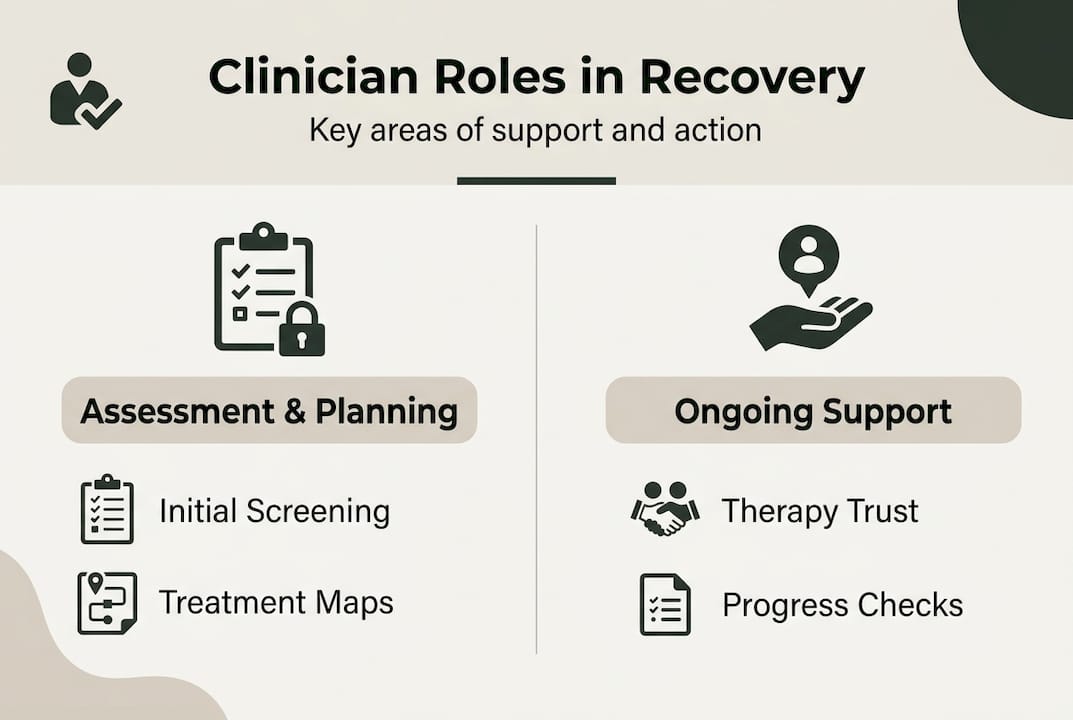
The initial assessment phase demands clinical precision. You evaluate not just substance use patterns but underlying trauma, co-occurring mental health conditions, medical complications, and social determinants of health. This comprehensive diagnostic process identifies risk factors, protective elements, and treatment barriers that shape your entire care strategy. Clinicians play a comprehensive role in planning and monitoring recovery progress, establishing the foundation for evidence-based interventions.
Treatment planning transforms assessment data into actionable roadmaps. You design individualized protocols that address addiction severity, mental health needs, family dynamics, and practical considerations like work schedules or childcare. These plans incorporate multiple modalities: cognitive behavioral therapy, medication-assisted treatment, group counseling, and holistic wellness activities. Flexibility remains critical as patient needs evolve.
Therapeutic engagement represents where clinical skill truly shines. You build trust through consistent presence, non-judgmental listening, and genuine empathy. Motivational interviewing techniques help patients resolve ambivalence about change. You challenge cognitive distortions, teach coping skills, and celebrate incremental progress. This relational foundation makes patients willing to confront painful truths and embrace difficult growth.
Ongoing monitoring ensures treatment stays responsive. You track attendance patterns, behavioral changes, urinalysis results, and self-reported struggles. When patients plateau or regress, you adjust interventions immediately rather than waiting for crisis. This proactive stance prevents minor setbacks from becoming full relapses.
Pro Tip: Document specific behavioral observations rather than vague impressions during progress reviews. Concrete details like “attended four consecutive group sessions and volunteered twice” provide clearer evidence of engagement than “seems motivated.”
Key clinical responsibilities include:
- Conducting biopsychosocial assessments that capture medical, psychological, and social factors
- Developing treatment plans with measurable goals and defined timelines
- Delivering evidence-based therapeutic interventions tailored to individual needs
- Coordinating care across medical providers, therapists, and community resources
- Monitoring treatment adherence and adjusting protocols based on patient response
- Providing crisis intervention when patients face acute challenges or relapse triggers
Integrating mental health and addiction treatment: clinician perspectives
Separating addiction treatment from mental health care creates artificial boundaries that undermine recovery. Most patients entering addiction programs carry co-occurring disorders like depression, anxiety, PTSD, or bipolar disorder. Treating only the substance use while ignoring underlying mental health conditions sets patients up for cycling relapses.
Integrated care models improve recovery rates for patients with dual diagnoses by addressing both conditions simultaneously. You assess how mental health symptoms drive substance use and how addiction exacerbates psychiatric conditions. This dual lens reveals patterns invisible in siloed treatment approaches.
Collaboration with multidisciplinary teams amplifies your clinical impact. You coordinate with psychiatrists managing medications, primary care physicians addressing medical complications, and case managers connecting patients to housing or employment resources. Regular team meetings ensure everyone works from shared treatment goals rather than competing priorities.
The comparison between treatment models illustrates why integration matters:
| Approach | Sequential Treatment | Parallel Treatment | Integrated Treatment |
|---|---|---|---|
| Structure | Address addiction first, then mental health | Separate providers treat each condition independently | Single team addresses both simultaneously |
| Coordination | Minimal between phases | Limited communication between providers | Continuous collaboration across disciplines |
| Patient Experience | Wait for stability before mental health care | Navigate multiple appointments and conflicting advice | Unified care plan with consistent messaging |
| Outcomes | High dropout during transitions | Fragmented progress with gaps | Improved retention and sustained recovery |
Integrated assessment tools help you identify connections between conditions. When a patient reports increased cocaine use, you explore whether it coincides with untreated manic episodes or serves as self-medication for social anxiety. This detective work reveals intervention points that purely addiction-focused approaches miss.
Getting the maximum out of outpatient mental health services requires structured protocols that ensure psychiatric care complements addiction treatment. You schedule therapy sessions to reinforce medication management goals and align behavioral interventions with psychiatric treatment plans.
Pro Tip: Create visual timelines showing how mental health symptoms and substance use patterns interact over time. Patients often recognize connections they previously missed when seeing their experiences mapped chronologically.
Effective integration strategies include:
- Using validated screening tools that assess both addiction severity and mental health symptoms
- Developing unified treatment plans that set goals for both conditions with coordinated interventions
- Scheduling regular case conferences where medical and behavioral health providers share observations
- Training staff in trauma-informed care that recognizes how past experiences shape current behaviors
- Implementing measurement-based care that tracks outcomes for addiction and mental health concurrently
Collaborative care with families and support networks
Addiction impacts entire family systems, not isolated individuals. You recognize that family dynamics often contribute to substance use patterns while also representing powerful recovery resources. Engaging families transforms them from frustrated bystanders into informed allies.
Family involvement enhances recovery success by creating accountability structures and emotional support networks that extend beyond clinical settings. You educate relatives about addiction as a chronic brain disease rather than moral failing, reducing shame and blame that poison relationships. This reframing opens space for compassionate support.
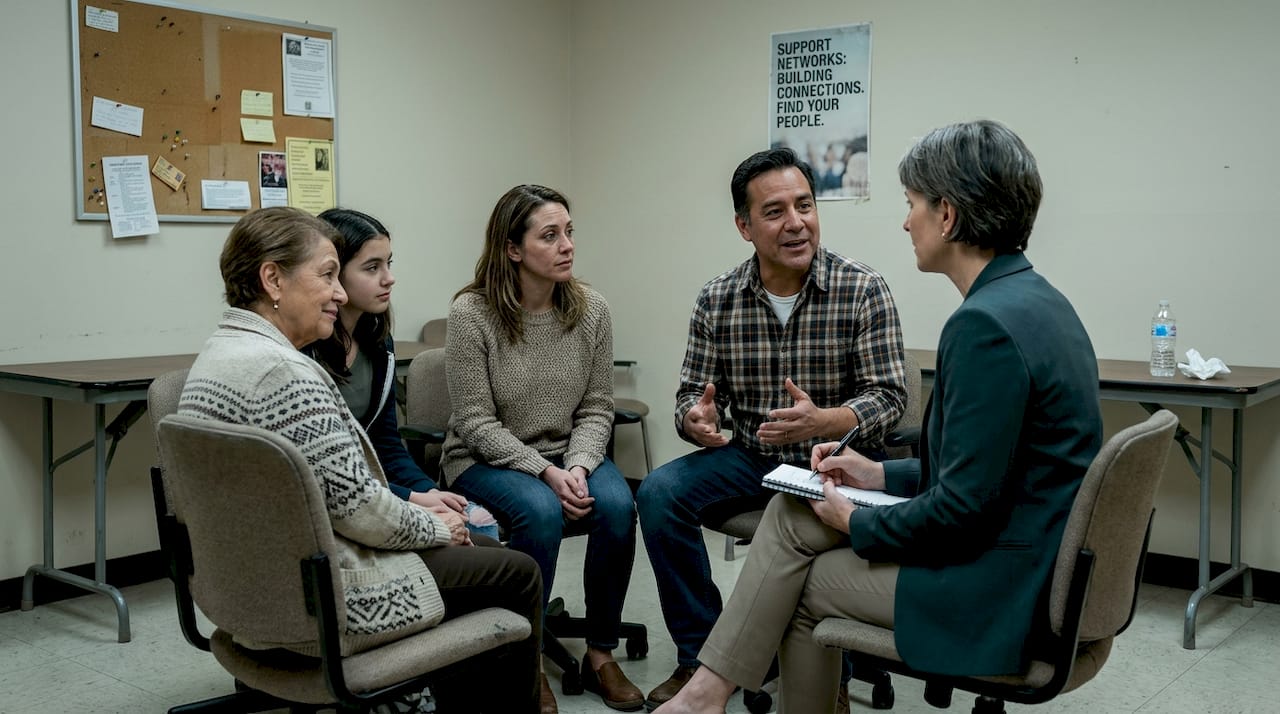
Family therapy sessions you facilitate address communication breakdowns, boundary issues, and enabling behaviors that inadvertently support continued use. Parents learn to distinguish between helpful support and rescuing behaviors that prevent natural consequences. Partners develop strategies for maintaining their own wellbeing while supporting recovery.
The family therapy workflow for addiction follows structured phases that build progressively:
- Initial Assessment: Evaluate family structure, communication patterns, trauma history, and current stressors affecting the system
- Psychoeducation: Teach families about addiction neurobiology, treatment processes, and realistic recovery timelines
- Communication Skills: Practice active listening, expressing needs without blame, and setting clear boundaries
- Relapse Prevention Planning: Identify family triggers, develop crisis protocols, and establish ongoing support routines
- Ongoing Maintenance: Schedule regular check-ins to address emerging challenges and celebrate progress milestones
You help families establish realistic expectations about recovery timelines. Many relatives expect linear progress and feel devastated by setbacks. Teaching them that recovery involves learning from relapses rather than viewing them as failures reduces family stress and supports patient resilience.
Practical family engagement techniques include:
- Conducting joint sessions where patients and relatives practice new communication skills in real time
- Assigning between-session tasks that strengthen family bonds through shared positive activities
- Creating family recovery plans that outline each member’s role in supporting sobriety
- Connecting families with support groups like Al-Anon or Nar-Anon for peer learning
- Addressing codependency patterns that keep family members overly focused on the patient’s recovery
- Teaching relatives to recognize early relapse warning signs and appropriate intervention steps
Regular family involvement sessions prove critical for sustained success. You schedule these throughout treatment rather than only at intake and discharge. Ongoing participation keeps families aligned with evolving treatment goals and prevents relationship deterioration that threatens recovery.
Practical strategies for clinicians to enhance recovery outcomes in Los Angeles County
Applying clinical knowledge effectively requires understanding local resources, cultural contexts, and practical implementation strategies specific to your practice environment. Los Angeles County’s diverse population and extensive treatment network create both opportunities and challenges.
Best practices for addiction recovery in Los Angeles County emphasize leveraging regional resources and adapting interventions to cultural contexts. You connect patients with county-funded programs, community health centers, and peer support networks that extend clinical care into daily life.
Cultural competence shapes how you deliver every intervention. Los Angeles County’s population includes over 200 languages and numerous cultural traditions around health, family, and healing. You adapt therapeutic approaches to align with cultural values rather than imposing one-size-fits-all protocols. For Latino families emphasizing familismo, you might prioritize extended family involvement. For Asian American patients navigating collectivist values, you explore how recovery decisions impact family honor.
Implement these evidence-based strategies systematically:
- Build comprehensive referral networks: Establish relationships with psychiatrists, primary care providers, housing specialists, vocational counselors, and peer support organizations before you need urgent placements
- Use standardized assessment tools: Implement validated instruments like the Addiction Severity Index or AUDIT-C that provide objective baselines and track measurable progress
- Schedule regular supervision: Participate in peer consultation groups or clinical supervision to process complex cases and prevent burnout
- Pursue continuing education: Attend workshops on emerging treatment modalities, trauma-informed care, and medication-assisted treatment advances
- Implement measurement-based care: Track patient-reported outcomes using brief scales administered at every session to identify trends early
- Develop crisis protocols: Create clear procedures for managing suicidal ideation, acute intoxication, or violent behavior before emergencies arise
Relapse prevention demands proactive planning rather than reactive crisis management. You teach patients to identify high-risk situations, develop coping strategies for each trigger, and create detailed relapse response plans. These plans specify exactly who patients call, where they go, and what actions they take when cravings intensify.
Pro Tip: Role-play specific high-risk scenarios during sessions rather than just discussing them abstractly. Having patients practice refusing offers or managing conflict builds muscle memory that activates under stress.
Data-driven outcome tracking strengthens your clinical effectiveness:
| Metric | Measurement Tool | Frequency | Action Threshold |
|---|---|---|---|
| Treatment Engagement | Session attendance rate | Weekly | Below 75% attendance triggers outreach |
| Substance Use | Urinalysis and self-report | Varies by program level | Any positive result prompts care plan review |
| Mental Health Symptoms | PHQ-9 for depression, GAD-7 for anxiety | Biweekly | Score increase of 5+ points indicates need for intervention adjustment |
| Recovery Capital | Brief Assessment of Recovery Capital | Monthly | Declining scores suggest need for additional support services |
| Quality of Life | WHO Quality of Life-BREF | Quarterly | Stagnant scores prompt exploration of barriers to progress |
Continuous professional development keeps your skills current as evidence evolves. New research on psychedelic-assisted therapy, digital therapeutics, and precision medicine approaches emerges constantly. You stay informed through professional journals, conferences, and online learning platforms.
Explore comprehensive addiction and mental health treatment options at Glendora Recovery Center
Transforming clinical knowledge into patient success requires partnering with treatment programs that share your commitment to integrated, evidence-based care. Glendora Recovery Center delivers comprehensive addiction treatment options designed for the diverse needs of Los Angeles County patients you serve. Our Partial Hospitalization and Intensive Outpatient Programs provide structured support while allowing patients to maintain work and family commitments. We specialize in dual diagnosis treatment, addressing addiction and mental health conditions simultaneously through coordinated clinical teams. Our comprehensive mental health treatment approaches align with the integrated care principles outlined throughout this guide. Flexible scheduling including evening, weekend, and telehealth options accommodates your patients’ real-world constraints. Contact Glendora Recovery Center to discuss referral processes and collaborative care opportunities that support your clinical goals.
Frequently asked questions
How do clinicians assess dual diagnosis in recovery patients?
Clinicians use standardized screening tools like the Mini International Neuropsychiatric Interview and conduct comprehensive diagnostic interviews that explore psychiatric history, trauma exposure, and symptom timelines. These assessments identify how mental health conditions and substance use interact, revealing whether depression preceded addiction or resulted from chronic use. Regular reassessment throughout treatment ensures evolving needs receive appropriate interventions as patients stabilize and underlying conditions become clearer.
What communication techniques improve patient engagement during recovery?
Active listening, reflective responses, and motivational interviewing create therapeutic relationships built on trust and mutual respect. Clinicians use open-ended questions that invite patients to explore ambivalence rather than defensive justifications. Empathetic validation of struggles reduces shame that drives secrecy and relapse. Clear, jargon-free explanations of treatment processes empower patients as informed participants rather than passive recipients of care.
How can clinicians effectively involve families in the recovery process?
Invite family participation during initial treatment planning to establish shared goals and clarify expectations from the start. Conduct psychoeducation sessions that teach relatives about addiction neurobiology, reducing blame and fostering compassion. Schedule regular family therapy sessions throughout treatment, not just at intake and discharge, to address emerging challenges and strengthen communication skills. Connect families with peer support groups where they learn from others navigating similar experiences.
What role do clinicians play in relapse prevention planning?
Clinicians help patients identify specific triggers, high-risk situations, and early warning signs unique to their patterns. You collaborate on detailed action plans specifying coping strategies for each identified risk, emergency contacts, and steps to take when cravings intensify. Teaching patients to distinguish between lapse and relapse reduces catastrophic thinking that turns minor slips into full returns to use. You schedule follow-up sessions to review and update prevention strategies as patients encounter new challenges in recovery.
How do clinicians coordinate care across multiple providers?
Clinicians serve as central communication hubs, facilitating information exchange between psychiatrists, primary care physicians, therapists, and case managers through regular team meetings and shared electronic health records. You obtain patient consent for information sharing, then coordinate medication management with psychiatric care, align behavioral interventions with medical treatments, and ensure social services address practical barriers to recovery. This orchestration prevents conflicting recommendations and redundant services while identifying gaps in the care continuum.
Recommended
- Role of Addiction Counselors: Impact on Recovery Success | Glendora Recovery Center
- Why mental health matters in recovery: a 2026 guide | Glendora Recovery Center
- Why Ongoing Recovery Matters in Addiction Treatment | Glendora Recovery Center
- What Is a Recovery Coach and Their Role in Addiction Support | Glendora Recovery Center
- Couples Therapy Through the Lens of CBT: Strengthening Relationships – MindWell