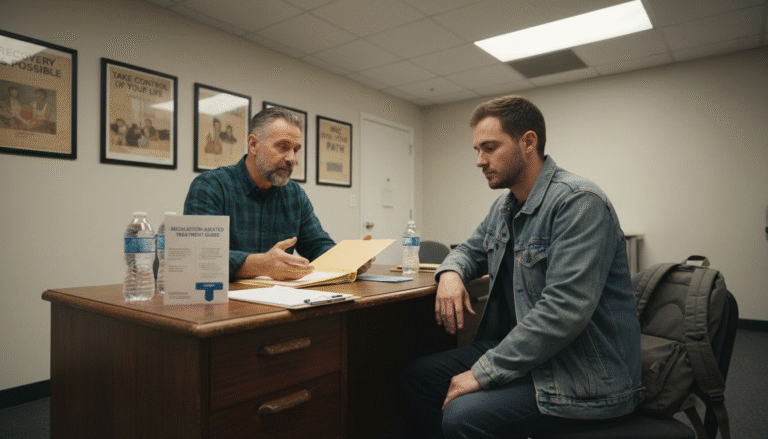

Working with clients who face both substance abuse and mental health challenges often means navigating layers of complex needs. This reality is especially clear for addiction counselors practicing in Los Angeles County, where diverse backgrounds and unique stressors shape each recovery journey. By exploring effective addiction counseling strategies, you can strengthen your ability to deliver meaningful support, address root causes, and foster lasting change for those seeking healthier lives.
Table of Contents
- What Addiction Counselors Do And Why It Matters
- Types Of Counseling Used In Recovery
- Core Competencies And Qualifications Required
- Ethical Principles And Confidentiality Standards
- Building Client Engagement And Trust
- Common Pitfalls And How To Avoid Them
Key Takeaways
| Point | Details |
|---|---|
| Role of Addiction Counselors | Addiction counselors provide critical support in substance abuse recovery, including assessments and personalized treatment plans. |
| Counseling Techniques | Multiple therapeutic approaches, such as Cognitive Behavioral Therapy and Motivational Interviewing, are essential for effective recovery support. |
| Core Competencies | Successful addiction counselors require strong clinical skills, ethical practice, and cultural competence to navigate diverse client needs. |
| Building Trust | Establishing rapport through active listening and empathy is crucial in fostering client engagement and a supportive environment. |
What Addiction Counselors Do And Why It Matters
Addiction counselors play a pivotal role in helping individuals navigate the complex journey of substance abuse recovery. These specialized professionals provide comprehensive support and guidance to clients struggling with addiction, utilizing sophisticated therapeutic techniques and deep psychological understanding. Their work extends far beyond simple substance abuse intervention.
According to the Bureau of Labor Statistics, addiction counselors advise individuals on substance abuse challenges in diverse settings like mental health centers, community clinics, and private practices. Their primary responsibilities encompass several critical areas:
- Conducting thorough client assessments
- Developing personalized treatment plans
- Providing individual and group counseling
- Helping clients identify addiction triggers
- Supporting long-term recovery strategies
- Coordinating comprehensive care services
These professionals utilize multiple therapeutic approaches to address the complex psychological and behavioral aspects of addiction. Effective addiction counseling involves understanding not just the substance use itself, but the underlying emotional, social, and environmental factors contributing to addictive behaviors.
The ultimate goal of addiction counselors extends beyond immediate substance cessation. They aim to empower clients with sustainable coping mechanisms, rebuild damaged relationships, and support holistic personal transformation. By addressing treatment and recovery comprehensively, these counselors help individuals reconstruct their lives and develop resilient, healthy identities.
Pro tip: Build strong, non-judgmental rapport with clients by demonstrating genuine empathy and consistent professional support throughout their recovery journey.
Types Of Counseling Used In Recovery
Addiction recovery involves a nuanced approach to counseling, with multiple therapeutic techniques designed to address the complex nature of substance abuse disorders. Different counseling approaches are strategically employed to meet individual client needs, recognizing that no single method works universally for every person struggling with addiction.
The primary types of counseling used in recovery include:
- Individual Therapy: One-on-one sessions focusing on personal triggers, underlying psychological issues, and personalized recovery strategies
- Group Counseling: Peer-supported environments that foster shared experiences and collective healing
- Cognitive Behavioral Therapy (CBT): Techniques targeting negative thought patterns and behavioral modifications
- Motivational Interviewing: Client-centered approach helping individuals resolve ambivalence about change
- Family Counseling: Addressing relationship dynamics and creating supportive recovery ecosystems
Each counseling type serves a unique purpose in the recovery journey. Cognitive Behavioral Therapy, for instance, helps clients identify destructive thought patterns that contribute to addictive behaviors, while Motivational Interviewing works to enhance a client’s internal motivation for positive change.

Here’s a quick reference comparing the main counseling approaches used in addiction recovery:
| Counseling Approach | Best For | Typical Setting | Key Outcome |
|---|---|---|---|
| Individual Therapy | Deep personal issues | Private sessions | Customized coping strategies |
| Group Counseling | Building peer support | Community clinics | Shared motivation |
| CBT | Reframing negative patterns | Clinical environments | Behavioral change |
| Motivational Interviewing | Boosting commitment | One-on-one or groups | Increased motivation |
| Family Counseling | Repairing relationships | Home or clinic visits | Stronger family support |
Counseling approaches are carefully selected based on individual client backgrounds, addiction severity, and psychological profiles. Professional counselors integrate multiple techniques, creating comprehensive treatment plans that address not just substance use, but the underlying emotional and social factors contributing to addiction.
Pro tip: Remain flexible and patient when exploring different counseling approaches, understanding that recovery is a personalized journey with unique challenges for each individual.
Core Competencies And Qualifications Required
Addiction counselors must possess a robust set of professional capabilities that extend far beyond basic academic training. Core competencies encompass comprehensive skills critical for effective client support and successful treatment outcomes in the complex field of addiction recovery.
The essential qualifications and competencies for addiction counselors include:
- Educational Background: Minimum bachelor’s degree in psychology, counseling, social work, or related mental health field
- Professional Certifications: Specialized addiction counseling credentials from recognized national boards
- Clinical Skills: Proficiency in assessment, treatment planning, and therapeutic intervention techniques
- Psychological Understanding: Deep knowledge of substance use disorders and co-occurring mental health conditions
- Ethical Practice: Commitment to professional standards and client confidentiality
- Cultural Competence: Ability to work effectively with diverse populations
Specialized Training represents a critical component of an addiction counselor’s professional development. The Council for Accreditation of Counseling and Related Educational Programs (CACREP) establishes rigorous standards that ensure counselors demonstrate advanced competencies in assessment, treatment planning, and ethical service delivery.
Beyond formal qualifications, successful addiction counselors must cultivate exceptional interpersonal skills, emotional resilience, and a genuine commitment to supporting individuals through challenging recovery journeys. Continuous professional education keeps counselors updated on emerging research, treatment methodologies, and innovative approaches to addiction recovery.
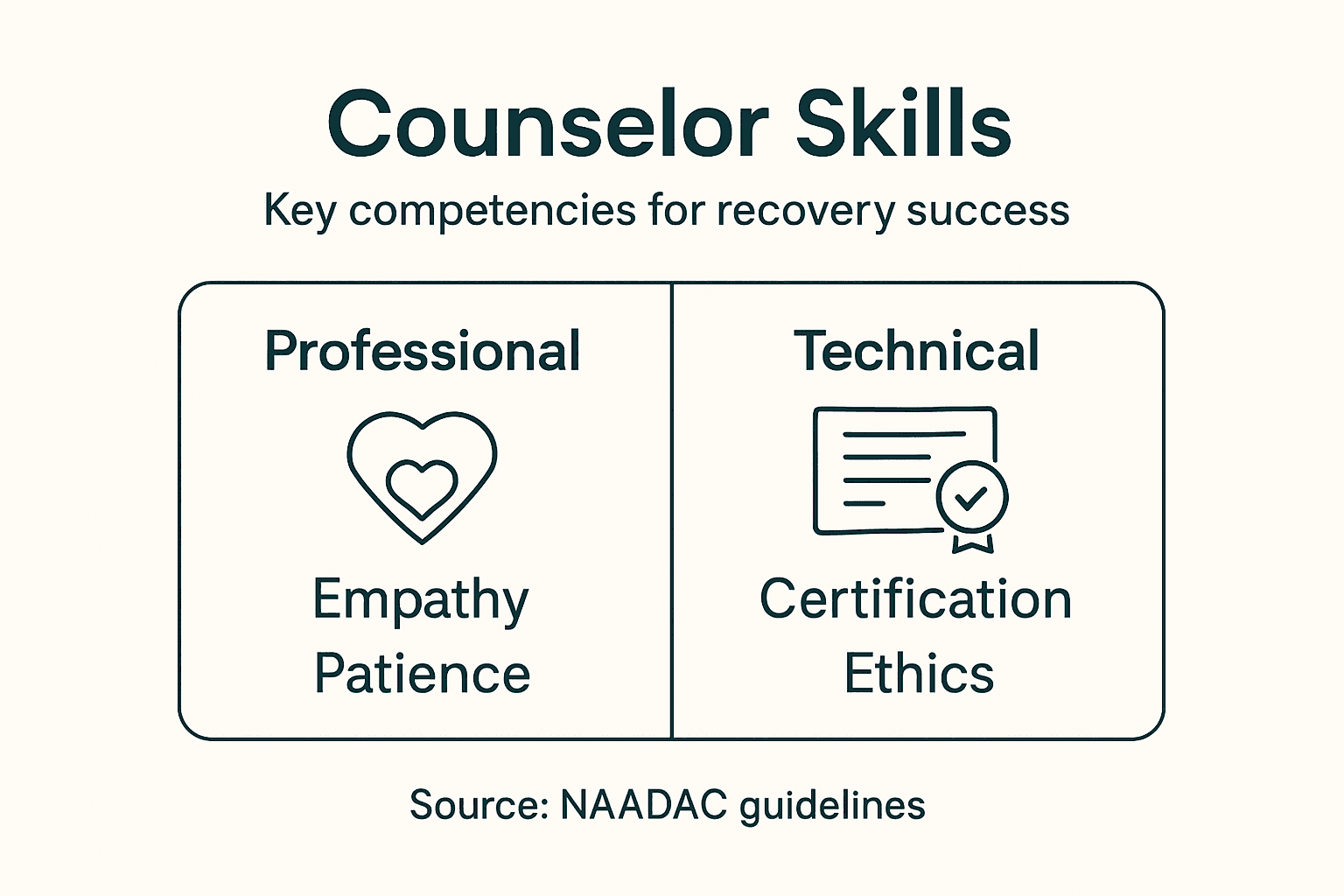
To summarize core competencies essential for addiction counselors:
| Competency | Why It Matters | Real-World Impact |
|---|---|---|
| Clinical Skills | Enables accurate assessment | Better client treatment outcomes |
| Psychological Expertise | Understands addiction causes | Targets holistic client challenges |
| Ethical Practice | Maintains client trust | Assures confidential, skilled support |
| Cultural Competence | Respects diverse perspectives | Increases client engagement |
| Emotional Resilience | Manages professional stress | Sustains compassionate care |
Pro tip: Invest consistently in professional development and self-care to maintain the emotional strength and clinical expertise required for effective addiction counseling.
Ethical Principles And Confidentiality Standards
Addiction counselors operate within a complex ethical landscape that demands unwavering commitment to professional integrity and client protection. Strict ethical principles govern professional practice, ensuring that clients receive compassionate, responsible, and legally compliant care throughout their recovery journey.
The core ethical principles for addiction counselors include:
- Client Autonomy: Respecting clients’ right to make informed decisions about their treatment
- Confidentiality: Protecting client privacy under HIPAA regulations
- Non-Maleficence: Preventing harm and avoiding potential therapeutic misconduct
- Beneficence: Actively promoting client well-being and recovery
- Justice: Providing equitable treatment regardless of client background
- Informed Consent: Ensuring clients understand treatment processes and potential outcomes
Professional Boundaries represent a critical aspect of ethical practice. Counselors must maintain clear, professional relationships that prevent dual relationships, conflicts of interest, and potential exploitation. This includes avoiding personal friendships, romantic interactions, or any situation that could compromise the therapeutic alliance.
Confidentiality stands as the cornerstone of ethical addiction counseling. Professional organizations like NAADAC establish comprehensive guidelines that protect client information, ensuring that personal details, treatment history, and therapeutic conversations remain strictly private. These standards build trust, encourage open communication, and create a safe environment for clients to pursue recovery.
Pro tip: Regularly review and update your understanding of professional ethical standards to maintain the highest level of client care and professional integrity.
Building Client Engagement And Trust
Successful addiction recovery hinges on the counselor’s ability to establish meaningful connections with clients, creating a safe and supportive therapeutic environment. Effective client engagement strategies are fundamental to helping individuals navigate the challenging path of substance abuse treatment and long-term recovery.
Key strategies for building client trust and engagement include:
- Active Listening: Demonstrating genuine interest and understanding
- Non-Judgmental Approach: Creating a safe space for open communication
- Cultural Sensitivity: Respecting individual backgrounds and experiences
- Consistent Support: Maintaining reliable and predictable interactions
- Empathetic Communication: Showing authentic compassion and understanding
- Transparent Goal Setting: Collaboratively developing clear recovery objectives
Rapport Building requires counselors to develop nuanced communication skills that go beyond traditional therapeutic techniques. This involves creating an environment where clients feel genuinely heard, respected, and supported throughout their recovery journey. Successful engagement means breaking down barriers of mistrust, reducing stigma, and helping clients recognize their inherent capacity for positive change.
Cultural competence plays a critical role in establishing trust. Counselors must demonstrate an understanding of diverse backgrounds, recognize individual experiences, and adapt their communication styles to meet each client’s unique needs. This approach helps clients feel valued, understood, and more likely to engage fully in their treatment process.
Pro tip: Practice active listening by focusing completely on the client, avoiding interruptions, and reflecting back their key emotions to demonstrate genuine understanding.
Common Pitfalls And How To Avoid Them
Addiction counseling presents complex challenges that can potentially undermine therapeutic effectiveness if not carefully navigated. Critical challenges require strategic management to maintain professional integrity and client recovery outcomes.
Common pitfalls addiction counselors must proactively address include:
- Professional Burnout: Emotional exhaustion from intense client interactions
- Boundary Violations: Becoming too personally involved with clients
- Insufficient Continuing Education: Failing to stay current with treatment approaches
- Overlooking Personal Biases: Allowing personal judgments to impact treatment
- Inadequate Self-Care: Neglecting personal mental and emotional health
- Treatment Rigidity: Applying uniform approaches instead of personalized strategies
Emotional Resilience represents a critical skill in avoiding professional pitfalls. Counselors must develop robust coping mechanisms that allow them to maintain professional objectivity while providing compassionate support. This involves creating clear professional boundaries, engaging in regular supervision, and implementing consistent self-care practices.
Systemic challenges, such as limited training resources and complex insurance requirements, can further complicate addiction counseling effectiveness. Proactive professionals address these obstacles by seeking ongoing professional development, participating in interdisciplinary collaborations, and advocating for comprehensive treatment approaches that recognize the multifaceted nature of addiction recovery.
Pro tip: Develop a personal support network and regular supervision schedule to process challenging cases and maintain emotional equilibrium.
Empower Your Recovery Journey with Expert Addiction Counseling
The article highlights the vital role addiction counselors play in guiding individuals through lasting recovery by using personalized treatment plans, ethical care, and varied counseling approaches like Cognitive Behavioral Therapy and Motivational Interviewing. If you or a loved one face challenges in overcoming substance abuse or co-occurring disorders the pain points of emotional struggle, the need for compassionate support, and professional guidance are clear. Understanding these challenges means trusting experienced professionals who combine clinical expertise with empathetic care to foster client engagement and build resilience.
At Glendora Recovery Center, we specialize in delivering comprehensive addiction treatment tailored to your unique needs including Partial Hospitalization and Intensive Outpatient Programs that incorporate individual and group therapies. Our compassionate team emphasizes cultural competence, confidentiality, and flexible scheduling to ensure your recovery is supported every step of the way. Discover how our dedicated addiction counselors can help you develop customized coping strategies and rebuild your life by reaching out today. Take control of your future now by contacting us through our Contact Us page and begin a healing journey designed around your success. Learn more about our supportive programs and start making meaningful changes with Glendora Recovery Center.
Frequently Asked Questions
What is the primary role of addiction counselors?
Addiction counselors provide support and guidance to individuals struggling with substance abuse, offering assessments, developing treatment plans, and delivering counseling to facilitate recovery.
What types of counseling approaches are used in addiction recovery?
Counseling approaches in addiction recovery include individual therapy, group counseling, cognitive behavioral therapy (CBT), motivational interviewing, and family counseling, each tailored to meet specific client needs.
What qualifications are necessary to become an addiction counselor?
To become an addiction counselor, one typically needs a bachelor’s degree in a related field, specialized certifications, and strong clinical skills, alongside emotional resilience and cultural competence.
How do addiction counselors maintain client confidentiality?
Addiction counselors are bound by strict ethical principles and regulations, including HIPAA, which protect client privacy and ensure that personal information and treatment discussions remain confidential.
Recommended
- What Is a Recovery Coach and Their Role in Addiction Support | Glendora Recovery Center
- Role of Therapy in Recovery: Transforming Lives in LA | Glendora Recovery Center
- Drug Classes: How It Can Transform Someone’s Life?
- Role of Family in Recovery – Supporting Lasting Change | Glendora Recovery Center