TL;DR:
- Addiction disrupts family roles, routines, communication, and trust, creating a dysfunctional home system.
- Family members experience guilt, shame, anxiety, and emotional isolation, impacting mental health.
- Support through family therapy and peer groups fosters healing, strengthens relationships, and promotes recovery.
Addiction is rarely a solo experience. 74% of primary caretakers report severe subjective burden from a loved one’s substance use disorder (SUD), and yet most conversations about addiction focus almost entirely on the person using substances. If you are a parent, sibling, spouse, or child of someone struggling, you already know that the weight lands on everyone. This guide breaks down exactly how addiction reshapes family life, what the emotional and practical consequences look like, and where you can find real, lasting support for yourself and the people you love.
Table of Contents
- How addiction disrupts the family system
- Emotional fallout: Guilt, shame, anger, and distance
- Ripple effects: Children, finances, daily life, and generational impact
- Pathways to support and recovery for families
- A fresh perspective: The overlooked resilience in families facing addiction
- Next steps: Getting help for your family
- Frequently asked questions
Key Takeaways
| Point | Details |
|---|---|
| Addiction impacts entire families | Roles, finances, and emotional health can all change when a loved one struggles with addiction. |
| Children are especially at risk | Young people in affected families face higher chances of neglect, emotional issues, and future addiction. |
| Support and therapy help recovery | Family therapy and support groups provide tools to cope and foster resilience for everyone involved. |
| Stigma intensifies family strain | Feelings of shame and secrecy can prevent families from seeking much-needed help. |
How addiction disrupts the family system
When one person in a family develops a substance use disorder, the entire household reorganizes itself around that reality. Routines shift. Conversations become guarded. Trust erodes slowly, then all at once. What was once a predictable home life starts to feel like walking on ice.
Addiction disrupts family systems through shifting roles, loss of predictability, enabling and codependency, and what researchers call “dysfunctional homeostasis.” That last term means the family finds a new, unhealthy normal and starts treating it as just the way things are. Over time, this pattern becomes deeply ingrained.
Families adapt by assigning informal roles to each member. These roles often include:
- The enabler: Covers up consequences, makes excuses, or provides money that fuels continued use.
- The hero: Often the oldest child, overachieves to bring positive attention back to the family.
- The scapegoat: Acts out to redirect attention away from the addicted member.
- The lost child: Withdraws quietly to avoid conflict and goes unnoticed.
- The mascot: Uses humor to ease tension and distract from the real problem.
These roles are not chosen consciously. They develop as survival strategies. Understanding the role of family in recovery helps clarify why these patterns form and how they can be changed.
Communication also breaks down in predictable ways. Honest conversations get replaced by walking on eggshells, avoidance, or explosive arguments. Codependency, where a family member’s sense of worth becomes tied to managing the addicted person’s behavior, becomes normalized. Families often do not realize how far the dysfunction has spread until they step outside of it.
“The family system, once disrupted by addiction, rarely returns to its previous state without intentional intervention.” This is why understanding the family therapy workflow matters so much for lasting recovery.
| Family pattern | Before addiction | After addiction develops |
|---|---|---|
| Communication | Open and direct | Guarded or conflict-driven |
| Roles | Flexible and age-appropriate | Rigid and survival-based |
| Predictability | High | Low |
| Trust | Intact | Frequently broken |
| Emotional safety | Present | Compromised |
Pro Tip: If you notice that your family conversations now revolve entirely around managing one person’s behavior, that is a sign the system has already shifted. Naming the pattern is the first step toward changing it.
Emotional fallout: Guilt, shame, anger, and distance
Beyond the structural changes in a family, there is a quieter battle happening inside each family member. These are the emotions that rarely get talked about openly because they feel too complicated or too shameful to name.
Common emotional responses among family members include:
- Guilt, often expressed as “What did I do wrong?”
- Shame about what others might think of the family
- Anxiety about what will happen next
- Resentment toward the person using substances
- Hopelessness when repeated attempts to help fail
- Grief for the relationship that existed before addiction
Mothers often experience more guilt and shame, while fathers are more likely to become emotionally distant or engage in conflict. These gender differences are not universal, but they do reflect common patterns in how family members process the chaos of living with addiction. Stigma makes everything harder. Many families avoid seeking help because they fear judgment from neighbors, coworkers, or even extended family.
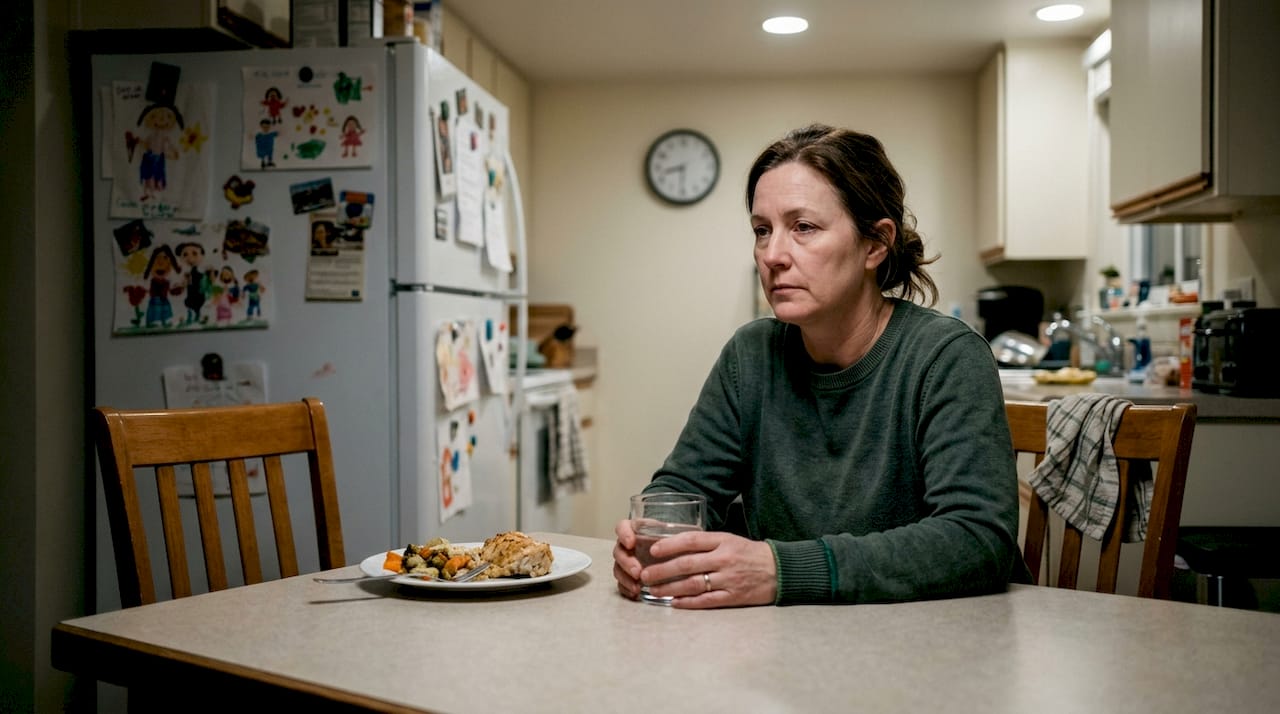
This emotional isolation is one of the most damaging parts of the experience. When you feel like you cannot talk about what is happening at home, the burden compounds quietly. Anxiety and depression are common in family members of people with SUD, and they often go untreated because the focus stays on the person using substances.
It is also worth noting that these emotional responses can become their own negative feedback loop. Guilt leads to enabling. Enabling leads to continued use. Continued use leads to more guilt. Breaking this cycle requires recognizing the pattern, not just the feeling.
Pro Tip: Keep a simple journal of your emotional responses over two weeks. If you notice the same feelings appearing daily, especially guilt or anxiety, that is a signal to seek support for yourself, not just for your loved one. Resources like teen treatment myths can also help families separate fact from fear when it comes to getting help.
Ripple effects: Children, finances, daily life, and generational impact
The consequences of addiction spread far beyond emotional strain. They show up in bank accounts, school performance, household routines, and even in the next generation.
Children are among the most vulnerable. Over 16.9 million youth in the United States are exposed to parental substance use disorder, and more than 1.4 million children have lost a family member to overdose. These numbers are not abstractions. They represent kids who grow up with disrupted attachment, inconsistent caregiving, and a significantly elevated risk for developing their own mental health or substance use challenges later in life.
Children raised in homes affected by parental SUD are two to four times more likely to develop a substance use disorder themselves, making early intervention a generational issue, not just an individual one.
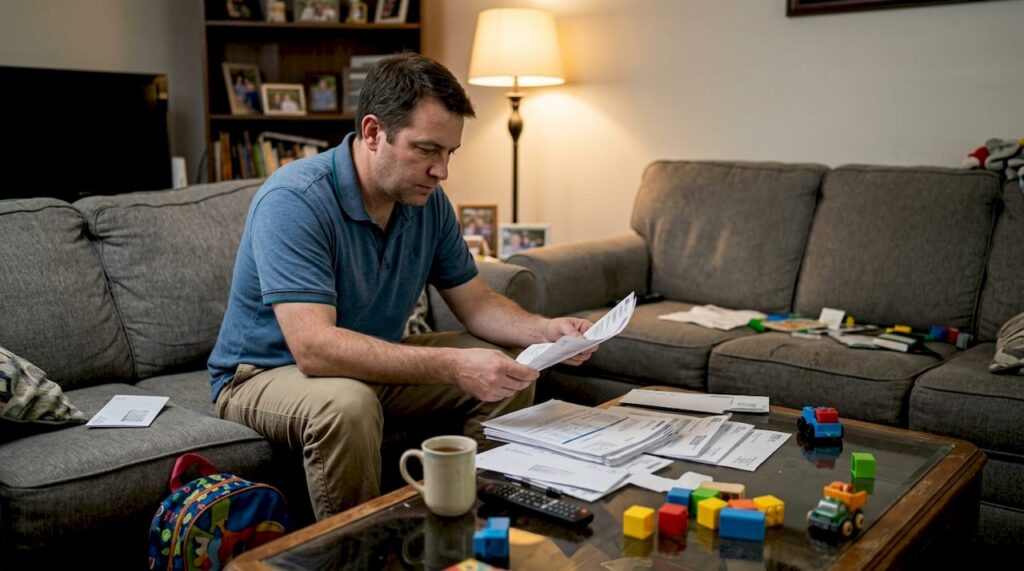
The financial burden is equally real. Substance use disorders significantly burden families financially and disrupt daily routines in ways that affect everyone’s quality of life. Money that should go toward rent, groceries, or a child’s education often gets redirected toward covering the consequences of addiction.
Here are the most common everyday challenges families report:
- Unpaid bills or debt caused by the addicted family member’s spending
- Missed work or school due to family crises
- Inconsistent meal schedules and disrupted sleep
- Social withdrawal from friends and extended family
- Neglect of children’s emotional and academic needs
- Legal costs related to arrests or court proceedings
- Reduced household stability and increased conflict
| Area of impact | Short-term effect | Long-term risk |
|---|---|---|
| Children | Emotional instability, neglect | Increased SUD risk, psychopathology |
| Finances | Debt, missed payments | Long-term financial hardship |
| Social life | Isolation, stigma | Loss of support networks |
| Daily routine | Disruption, unpredictability | Chronic stress, burnout |
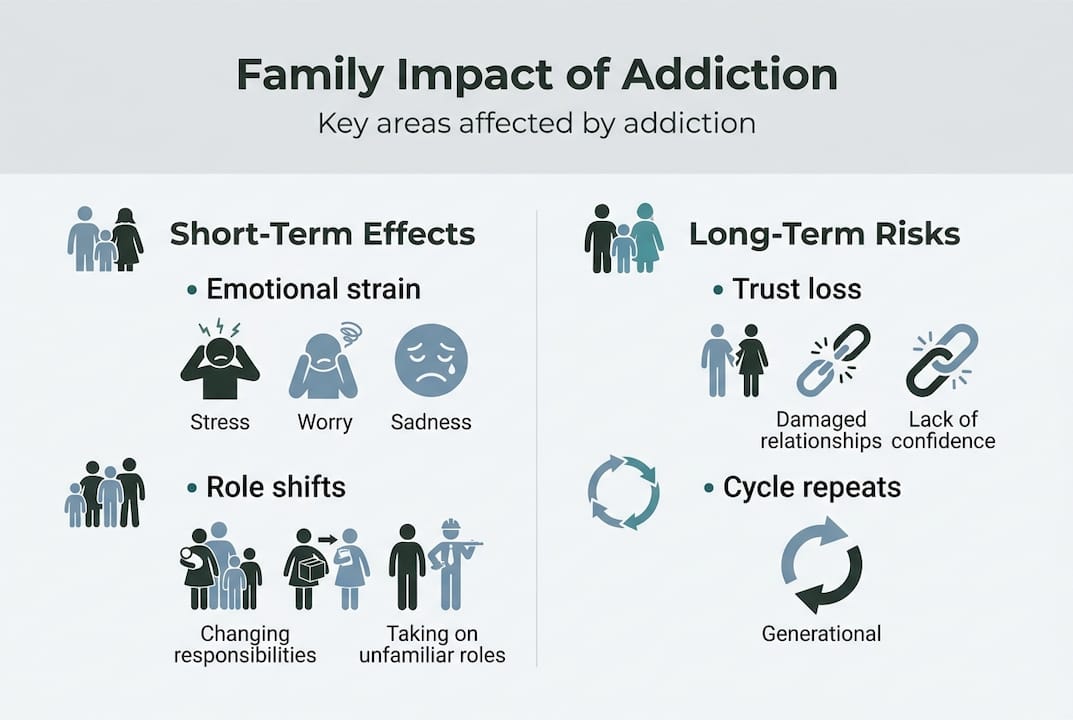
Families with teenagers face a unique layer of complexity. Adolescents are already navigating identity and peer pressure. When a parent or sibling has an SUD, the risk of early substance experimentation rises sharply. Exploring teen rehab options early can make a meaningful difference in outcomes for younger family members.
Pathways to support and recovery for families
Knowing the scope of the problem is only useful if it leads somewhere. The good news is that families do not have to navigate this alone, and there are evidence-based options that genuinely work.
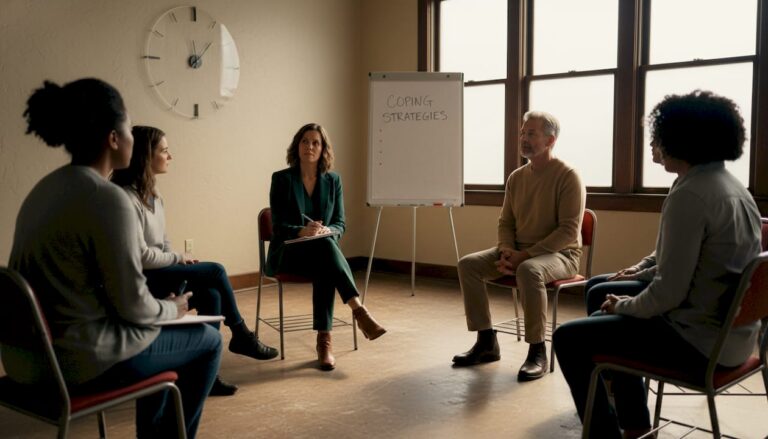
Family therapy and structured support groups like Al-Anon and Nar-Anon are effective for families of people with substance use disorder. Family therapy, in particular, works by rebalancing the dysfunctional roles and communication patterns that addiction creates. It gives every member of the household a space to be heard and a framework for rebuilding trust.
Key benefits of family-focused support include:
- Reducing enabling behaviors without creating conflict
- Improving communication skills for difficult conversations
- Building emotional boundaries that protect your own wellbeing
- Learning how to support recovery without sacrificing your own health
- Addressing trauma that other family members may be carrying
Peer support groups like Al-Anon and Nar-Anon offer something that professional therapy sometimes cannot: the lived experience of people who have been exactly where you are. These groups meet regularly, are free to attend, and provide both emotional relief and practical strategies.
Pro Tip: You do not need to wait for your loved one to agree to treatment before seeking help for yourself. Family therapy and peer groups benefit you directly, right now, regardless of where your loved one is in their recovery journey.
For families ready to take action, here are concrete starting points. Reach out to a licensed counselor who specializes in addiction. Look into therapy in substance abuse to understand what treatment actually involves. Consider individual counseling benefits for yourself as a caregiver. And review the family therapy steps so you know what to expect from the process.
Resilience grows when families stay connected to social support, hold each other accountable with compassion, and involve children in age-appropriate conversations about what is happening. Healing is not linear, but it is possible.
A fresh perspective: The overlooked resilience in families facing addiction
Most guides about addiction and families focus almost entirely on damage. The broken trust, the financial strain, the emotional exhaustion. All of that is real. But there is something that rarely gets named: the extraordinary adaptability that families demonstrate when facing addiction.
Families develop routines, rituals, and informal support systems that keep things functioning even under enormous pressure. That is not dysfunction. That is resilience. The problem is that most of that energy gets directed inward, toward managing the crisis, rather than outward, toward healing.
What we have seen at Glendora Recovery Center is that families who actively engage in integrated treatment, where both the individual and the family receive support simultaneously, tend to see faster and more durable outcomes. The family’s role in recovery is not passive. When families are treated as central agents of change rather than bystanders, everything shifts.
The most overlooked truth in addiction recovery is this: the family’s healing does not have to wait for the addicted person to get better first. In fact, when families heal, they often become the catalyst that makes the addicted person’s recovery possible.
Next steps: Getting help for your family
If you recognize your family in any part of this guide, that recognition is worth acting on. At Glendora Recovery Center, we offer family-focused care designed to support both the individual struggling with addiction and the people who love them. Our addiction treatment options include Partial Hospitalization Programs, Intensive Outpatient Programs, and telehealth services that fit around your schedule. Browse our rehab programs to find the right level of care, or contact our team directly for a confidential conversation. You do not have to figure this out alone.
Frequently asked questions
What are early warning signs of family strain from addiction?
Signs include increased arguments, financial problems, secrecy, shifting household roles, and emotional withdrawal among family members. When communication breaks down and daily routines become unpredictable, the family system is already under significant stress.
How does addiction affect children differently than adults?
Children are more vulnerable to neglect, emotional instability, and long-term psychological risk because they lack the coping tools adults have. With over 16.9 million youth exposed to parental SUD in the United States, the developmental consequences are serious and well-documented.
Can family therapy help even if the addicted person refuses treatment?
Yes. Family therapy benefits family members directly by improving coping skills, reducing enabling behaviors, and preventing escalating dysfunction, regardless of whether the addicted individual is ready for recovery.
Are there support groups specifically for families of those with addiction?
Yes. Groups like Al-Anon and Nar-Anon focus specifically on supporting family members. Peer support groups like these offer both emotional relief and practical education at no cost.
How common is it for families to experience severe burden from addiction?
Very common. Research shows 74% of primary caretakers experience severe subjective burden from a loved one’s substance use disorder, making family-level support an essential part of any recovery plan.
Recommended
- Teenage Addiction: Risks, Recovery, and Family Impact | Glendora Recovery Center
- Signs an Addict Is Relapsing – What Families Should Know | Glendora Recovery Center
- Signs of Addiction Explained: Spotting Them Early | Glendora Recovery Center
- Family Therapy Workflow Addiction: Effective Steps for Recovery | Glendora Recovery Center