TL;DR:
- California offers multiple court-approved addiction treatment options including PC 1000, Prop 36, and Drug Court, each with specific eligibility and supervision levels. Many programs can now be completed virtually, provided providers meet licensing standards, increasing accessibility. Success depends more on honest engagement and choosing a treatment that fits individual needs than on program labels or convenience.
Facing court-mandated addiction treatment is stressful enough without having to decode California’s many program options on your own. Whether you are navigating this process personally or helping a family member, the choices can feel overwhelming: PC 1000, Proposition 36, Drug Court, telehealth IOP, Medi-Cal coverage. Each pathway has its own rules, eligibility requirements, and outcomes. The good news is that California’s system is actually designed to match people to the right level of care, not just punish them. This guide walks you through every major court-approved option, compares them clearly, and gives you a practical framework for choosing the program that fits your specific situation.
Table of Contents
- Understanding court-approved program options: Rules, eligibility, and how to start
- PC 1000, Prop 36, and Drug Court: Comparing the main pathways
- Other court-approved options: Drug Medi-Cal, Family Drug Courts, and specialty programs
- Virtual vs. in-person programs: Access, compliance, and county variations
- How to choose the right court-approved program: Factors and insider tips
- Our perspective: What really matters when choosing a court-approved program
- Next steps: Connect with an accredited addiction treatment provider
- Frequently asked questions
Key Takeaways
| Point | Details |
|---|---|
| Know the main options | PC 1000, Prop 36, Drug Court, and specialty programs each have different requirements and benefits. |
| Eligibility criteria matter | Your offense type, legal history, and county rules determine which program fits. |
| Virtual programs are valid | Licensed remote outpatient treatment is an accepted, flexible option in most areas. |
| Compliance unlocks success | Completing your program as mandated leads to dismissed charges, reunification, and stronger long-term results. |
Understanding court-approved program options: Rules, eligibility, and how to start
Before comparing programs, it helps to understand what “court-approved” actually means in California. A court-approved program is one that has been certified by the California Department of Health Care Services (DHCS), the state agency responsible for regulating addiction treatment. Certification means the provider meets specific clinical, staffing, and reporting standards. Not every rehab facility or counseling service qualifies.
These court-approved treatment programs share several common requirements regardless of which pathway you enter:
- Regular drug and alcohol testing
- Scheduled court appearances or check-ins
- Documented treatment participation
- Completion of a set program duration
- Compliance with any incentives or sanctions the court applies
Eligibility is a key factor. Most court-approved diversion programs in California are designed for individuals charged with non-violent, non-sexual drug offenses. If your case involves violence or certain prior convictions, some pathways may be closed to you, though specialty courts may still apply.
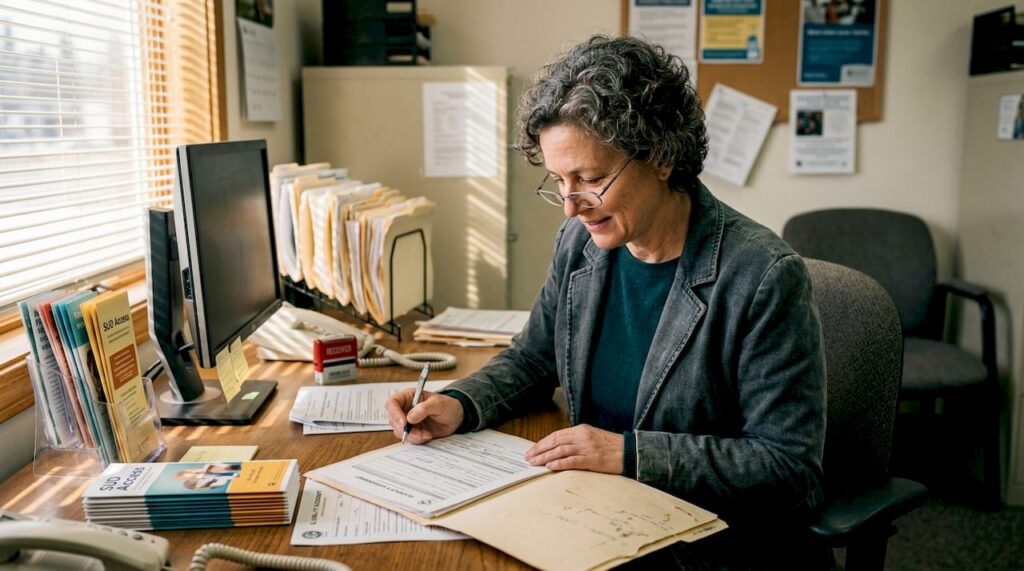
As Health and Safety Code §11972 outlines, counties manage access through SUD (Substance Use Disorder) Access Lines, and virtual IOP is accepted when the provider is state-licensed. Your first practical step is to contact your county SUD Access Line to get a referral to a certified provider. Do not wait for your attorney to handle this. Taking initiative early demonstrates good faith to the court.
Pro Tip: Bring documentation of any prior treatment history, mental health diagnoses, or insurance coverage to your first SUD Access Line call. This speeds up the placement process significantly.
PC 1000, Prop 36, and Drug Court: Comparing the main pathways
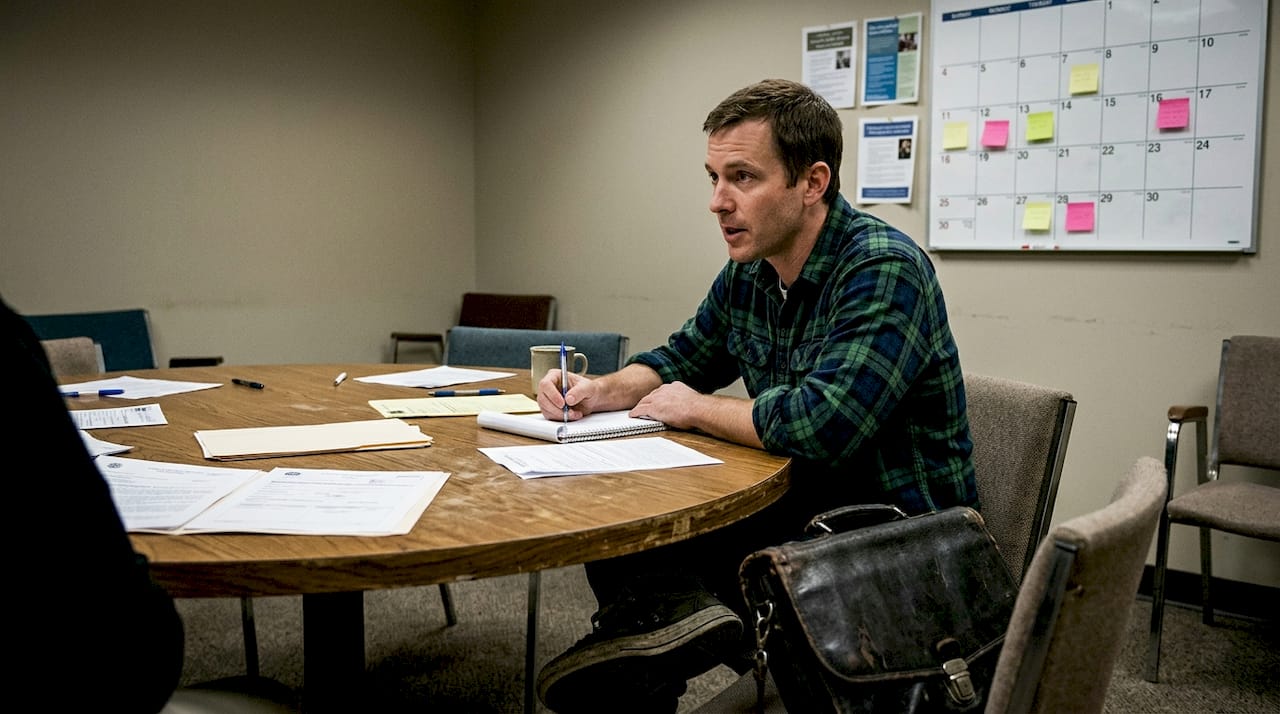
With the basics out of the way, let’s break down the three main program types you or your loved one may qualify for. Each serves a different population and operates under different rules.
PC 1000 (Deferred Entry of Judgment) is designed for first-time, non-violent drug possession cases. Critically, no guilty plea is required to enter. As the Sacramento Superior Court explains, PC 1000 offers 12 to 36 months of drug education, testing, and treatment, with the case dismissed upon successful completion. This is one of the most favorable options available.
Proposition 36 applies after a guilty plea has been entered for a non-violent drug possession offense. It mandates up to 6 months IOP plus aftercare and, upon completion, allows the conviction to be vacated from your record.
Drug Court (Adult Recovery Court) is the most intensive option. It involves frequent court appearances, close supervision, and a combination of residential or outpatient treatment, detox services, mental health support, and drug testing. Drug Court is typically reserved for higher-need individuals or those with prior offenses.
Here is a quick comparison to help you see the differences at a glance:
| Program | Entry point | Guilty plea required | Supervision level | Outcome |
|---|---|---|---|---|
| PC 1000 | Pretrial | No | Moderate | Case dismissed |
| Proposition 36 | Post-plea | Yes | Moderate | Conviction vacated |
| Drug Court | Post-plea | Yes | High | Charges resolved |
| DUI Treatment Court | Post-plea | Yes | High | License/charges addressed |
You can explore alternative sentencing programs and review programs in Los Angeles County to understand which options are available near you.
Other court-approved options: Drug Medi-Cal, Family Drug Courts, and specialty programs
Not every situation fits the main programs. Many people will find that specialty or alternative court-approved options provide a better path, especially when family, finances, or co-occurring mental health conditions are part of the picture.
Drug Medi-Cal Organized Delivery System (DMC-ODS) is available in over 40 counties across California and covers a full continuum of care for Medi-Cal eligible individuals. This includes outpatient, IOP, residential treatment, detox, and medication-assisted treatment (MAT). Placement is guided by ASAM (American Society of Addiction Medicine) criteria, which match each person to the appropriate level of care based on clinical need.
Family Treatment Drug Courts (FTDCs) serve parents involved in child welfare cases who are also dealing with substance use disorder. These programs last 6 to 12 months and have been shown to improve reunification rates by 20 to 40% compared to standard court processes. If keeping your family together is a priority, this pathway deserves serious consideration.
Other specialty options include:
- Veterans Treatment Courts (for active duty or veteran status)
- Mental Health Courts (for co-occurring psychiatric diagnoses)
- Homeless Courts and reentry programs like ReSET, CART, and SIP
- Teen and juvenile diversion programs
For families looking at court-approved treatment for teens, juvenile-specific pathways exist with age-appropriate programming. Eligibility for specialty courts depends on offense type, diagnosis, and what your specific county offers.
Pro Tip: Ask your public defender or case manager directly whether a specialty court applies to your situation. Many people qualify and never find out because no one raised the option.
To find a certified Medi-Cal provider in your county, the DHCS online directory is the most reliable starting point.
Virtual vs. in-person programs: Access, compliance, and county variations
Program structure is critical, but so is accessibility. One of the most practical questions people ask is whether they can complete their court-approved program online.
The short answer is yes, in most cases. As Health and Safety Code §11972 confirms, virtual IOP is accepted when the provider is licensed by the state and meets all compliance requirements. This includes virtual drug testing, digital check-ins, and electronic documentation submitted to the court.
“The debate around virtual versus in-person treatment is real, but what matters most is whether the provider is compliant and the participant is genuinely engaged.” This reflects the practical standard most California courts apply when evaluating telehealth participation.
Here is what to keep in mind when weighing your options:
- Virtual intensive outpatient programs offer scheduling flexibility for those with work or childcare responsibilities
- In-person attendance provides stronger peer support and direct clinical observation
- Some courts and judges still prefer in-person formats, so always confirm with your attorney
- County policies vary, and what is accepted in Los Angeles County may differ from a rural county
- Telehealth compliance is monitored closely, so missing virtual sessions carries the same consequences as missing in-person ones
As California drug diversion guidance notes, the pretrial versus post-plea distinction also affects how virtual participation is viewed. Explore outpatient program options to find providers that offer both formats so you have flexibility built in.
How to choose the right court-approved program: Factors and insider tips
Having explored all options and modes of delivery, here is how to distill the best choice for your situation, plus a few insider tips that many participants overlook.
- Clarify your offense type and history. PC 1000 is only available for first-time, non-violent possession. If you have prior convictions, Drug Court or Prop 36 may be your primary options.
- Assess your clinical needs honestly. If you have a co-occurring mental health condition like depression or PTSD, a program that integrates dual diagnosis treatment will serve you better than a standalone drug education class.
- Verify provider certification. Not every facility that calls itself a treatment center is DHCS-certified. Ask for their certification number and confirm it through the state directory.
- Understand your ASAM level. ASAM criteria determine whether you need outpatient, IOP, or residential care. A proper clinical assessment will guide this, and key program features to look for include licensed staff, structured curriculum, and aftercare planning.
- Consider cost and coverage. Medi-Cal covers most certified programs. Uninsured individuals may qualify for sliding-scale fees. Do not assume cost is a barrier before checking.
- Ask about Contingency Management. Research shows programs using this evidence-based approach, which rewards negative drug tests with small incentives, deliver up to a 12:1 return on investment through reduced recidivism and health costs. It is especially effective for stimulant and opioid use disorders.
Pro Tip: Involve a family member or trusted case manager from the start. Their support, consistent attendance at family sessions, and help with paperwork can make a measurable difference in your outcomes and how the court perceives your commitment.
Our perspective: What really matters when choosing a court-approved program
After seeing all the details, it is worth pausing to consider what actually drives success in court-mandated treatment, because it is not always what people expect.
The program label matters less than most people think. Whether you enter through PC 1000 or Drug Court, the real variable is your level of honest engagement. People who show up consistently, participate actively, and communicate openly with their counselors tend to do far better than those who treat the program as a box to check.
Court compliance, when approached with genuine intent, opens real doors. Charges get dismissed. Families reunite. Employment records stay cleaner. These are not small outcomes. They are life-changing ones that compound over years.
The mistake we see most often is choosing a program based purely on convenience, picking the closest location or the shortest duration, without asking whether it actually fits the clinical picture. A program that is easy to attend but wrong for your needs will not produce lasting recovery. Holistic addiction recovery means addressing the whole person, not just satisfying a court requirement.
Ask hard questions of any provider. If they cannot explain their ASAM placement process or their approach to co-occurring disorders, keep looking.
Next steps: Connect with an accredited addiction treatment provider
You are now equipped to make informed decisions. The next step is connecting with a provider who can turn that knowledge into action. Glendora Recovery Center offers treatment options in Los Angeles that are court-approved, DHCS-certified, and designed to meet you where you are. Our team handles the documentation, compliance reporting, and coordination that court-mandated treatment requires, so you can focus on recovery. Whether you need IOP, PHP, or aftercare, our flexible scheduling accommodates morning, evening, weekend, and telehealth sessions. Review our complete guide to addiction treatment or connect with a treatment specialist today to get started.
Frequently asked questions
What is a court-approved program in California?
A court-approved program is an addiction treatment option certified by DHCS for individuals mandated to seek recovery through the legal system. It must meet specific clinical and reporting standards to qualify.
How do I find a certified provider for a court-ordered treatment?
Contact your county SUD Access Line to receive a referral to a DHCS-certified provider, or search the official state provider directory online for options in your area.
Can I do my court-approved program online?
Virtual IOP is accepted in most counties as long as the provider is state-licensed and meets all court compliance documentation requirements.
What happens if I don’t complete my court-mandated program?
Failure to complete a court-approved program typically results in reinstatement of criminal charges. Under PC 1000, for example, case dismissal depends entirely on successful program completion.
Are family-focused or specialized court programs available?
Yes. Family Treatment Drug Courts serve parents in child welfare cases, while specialty courts for veterans, individuals experiencing homelessness, and those with co-occurring disorders provide tailored support based on specific circumstances.