
Choosing the right aftercare support after addiction treatment can feel overwhelming, especially when your recovery depends on it. Adults and teens in Los Angeles County face unique challenges, from managing busy schedules to addressing co-occurring mental health conditions. This checklist breaks down the essential criteria to help you select aftercare that fits your needs, strengthens your sobriety, and supports your path forward.
Table of Contents
- How To Choose The Right Aftercare Support: Selection Criteria
- Intensive Outpatient Programs And Partial Hospitalization
- Peer Support Groups And Social Connectivity
- Mental Health And Dual Diagnosis Aftercare
- Relapse Prevention Strategies And Practical Action Steps
- Summary Comparison And Situational Recommendations
- Explore Comprehensive Addiction Aftercare Support In Los Angeles
- What Is An Aftercare Support Checklist And Why Is It Important?
- How Can Telehealth Improve Aftercare Accessibility In Los Angeles?
- What Role Does Family Therapy Play In Relapse Prevention?
- Which Aftercare Option Is Best For Someone With A Dual Diagnosis?
Key takeaways
| Point | Details |
|---|---|
| Integrated care works best | Combining clinical programs with peer support reduces relapse by 40%. |
| Flexibility improves outcomes | Telehealth and evening/weekend sessions boost attendance and retention rates. |
| Mental health matters | Dual diagnosis treatment increases continuous sobriety odds by roughly 30%. |
| Family involvement helps | Therapy with loved ones strengthens support networks and reduces isolation. |
| Structured plans prevent relapse | Cognitive behavioral strategies and daily checklists can cut relapse rates in half. |
How to choose the right aftercare support: selection criteria
Selecting aftercare is not one-size-fits-all. Your choice should match your recovery stage, lifestyle, and specific needs. Start by evaluating accessibility. Flexible scheduling including evening, weekend, and telehealth aftercare sessions significantly increases attendance rates among working adults and teens in recovery. If you juggle work, school, or family responsibilities, programs offering remote counseling or non-traditional hours will help you stay consistent.
Next, consider whether you need integrated mental health care. Many people in recovery also manage depression, anxiety, or trauma. Aftercare that addresses both addiction and mental health conditions delivers better outcomes than programs focusing on substance use alone. Look for providers experienced in dual diagnosis treatment.
Family and social support are equally critical. Programs that include family therapy or connect you with peer groups create accountability and reduce feelings of isolation. Social connectivity is a proven protective factor against relapse.
Finally, prioritize evidence-based relapse prevention strategies. Effective aftercare incorporates cognitive behavioral therapy, personalized goal-setting, and structured daily routines. These tools help you identify triggers, manage cravings, and build healthy coping mechanisms.
Pro Tip: Ask potential aftercare providers how they personalize plans. Generic programs rarely address your unique triggers, mental health needs, or lifestyle constraints. Tailored support maximizes your chances of lasting sobriety.
When evaluating options, think about Los Angeles-specific factors. Transportation, neighborhood safety, and cultural relevance all impact your ability to attend sessions consistently. Aftercare support tips can help you navigate these practical considerations.
Intensive outpatient programs and partial hospitalization
Intensive outpatient programs (IOP) and partial hospitalization programs (PHP) offer structured clinical support without requiring you to live onsite. These options suit adults and teens with moderate to high relapse risk who need ongoing professional oversight.
IOP typically involves 9 to 12 hours of therapy per week, scheduled around work or school. PHP requires more time, usually 20 to 30 hours weekly, but still allows you to return home each evening. Both formats combine individual counseling, group therapy, and skills training.
Research shows that aftercare programs integrating IOP and peer support reduce relapse rates by approximately 40%. This combination addresses clinical needs while building social accountability. You learn coping strategies from professionals and reinforce them through peer connections.
Flexible scheduling enhances these programs’ effectiveness. Many Los Angeles providers offer morning, evening, and weekend sessions to accommodate diverse lifestyles. This accessibility improves attendance and helps you maintain routines that support recovery.
Cost-effectiveness is another advantage. Aftercare programs including peer support and telehealth counseling yield better long-term outcomes per dollar spent compared to extended inpatient care. IOP and PHP provide intensive support at a fraction of residential treatment costs.
These programs work best for patients stepping down from inpatient treatment or those who need more structure than weekly counseling provides. If you face persistent triggers, lack stable social support, or struggle with co-occurring disorders, IOP or PHP can offer the clinical intensity you need. Learn more about intensive outpatient programs tailored to Los Angeles residents.
Peer support groups and social connectivity
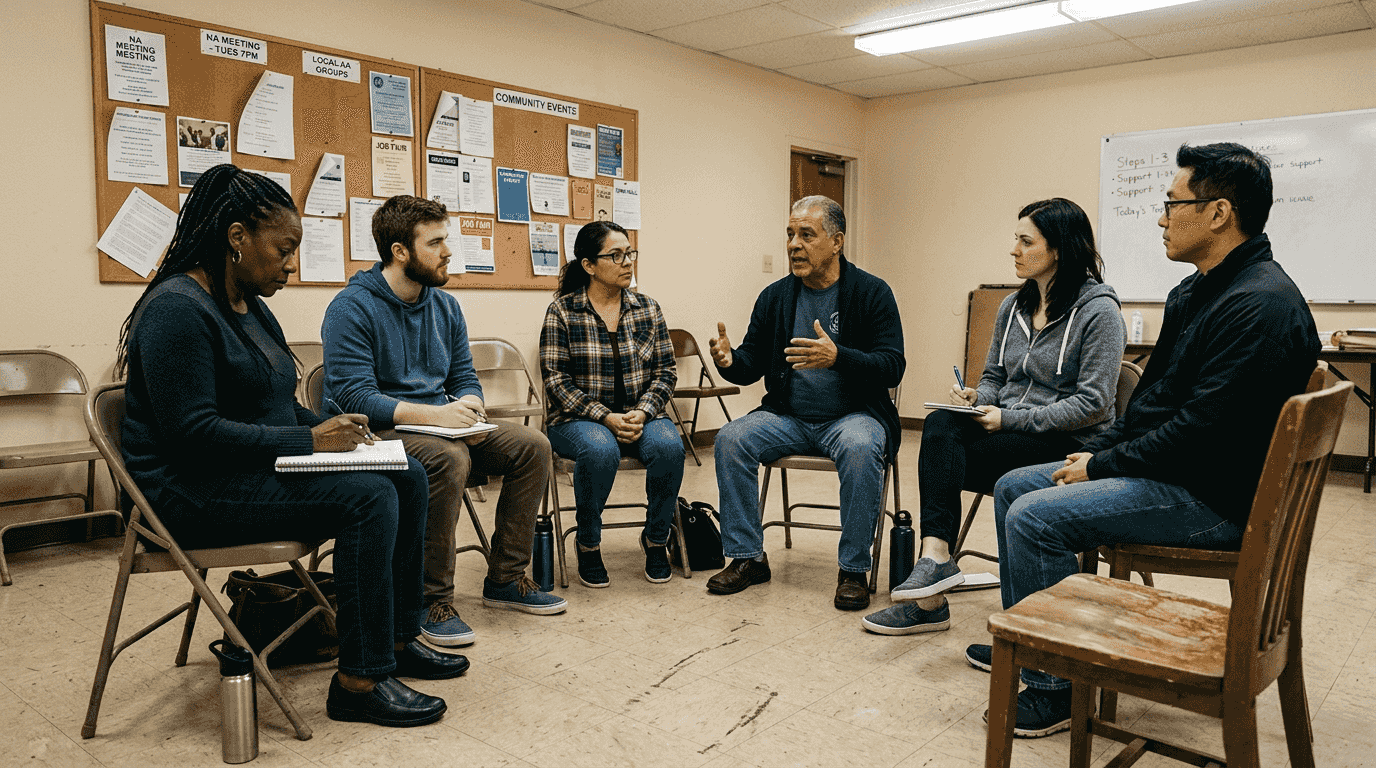
Peer support groups create a recovery community where you connect with others who understand your challenges. These groups complement clinical aftercare by providing ongoing emotional support and social accountability.
Research demonstrates that peer support groups increase the odds of long-term sobriety by approximately 25%. Sharing experiences, celebrating milestones, and learning from others’ struggles reinforces your commitment to recovery. You gain practical insights that textbooks and therapists cannot provide.
Los Angeles County offers numerous peer support options for adults and teens. Meetings happen throughout the week in various neighborhoods, making it easy to find groups near your home, work, or school. Many organizations also host online sessions for added convenience.
Peer groups work best alongside professional treatment, not as a replacement. Combine them with IOP, individual therapy, or counseling to address both clinical and social recovery needs. This layered approach tackles relapse risk from multiple angles.
Social connectivity reduces isolation, a major relapse trigger. When you feel disconnected or misunderstood, cravings intensify. Peer groups counter this by surrounding you with people who validate your experiences and celebrate your progress. They provide safe spaces to discuss setbacks without judgment.
Pro Tip: Try different groups until you find one that fits. Not every peer community will resonate with you, and that is okay. Look for groups where you feel comfortable sharing and where members’ values align with yours. The right fit makes all the difference.
Explore recovery support resources to identify peer groups and community programs across Los Angeles County.
Mental health and dual diagnosis aftercare
Many people in recovery also manage mental health conditions like depression, anxiety, PTSD, or bipolar disorder. Treating only addiction while ignoring these co-occurring disorders sets you up for relapse. Integrated aftercare addresses both simultaneously.
Integrated aftercare addressing addiction and mental health disorders leads to a 30% greater likelihood of continuous sobriety. This approach recognizes that substance use often stems from attempts to self-medicate emotional pain. Healing both issues together creates a stronger foundation for recovery.
Telehealth has expanded access to mental health aftercare. Telehealth aftercare services show retention rates over 70%, improving accessibility for mental health counseling. Remote sessions eliminate transportation barriers and accommodate busy schedules, making it easier to stay consistent.
Family therapy enhances mental health support by repairing relationships and building healthier communication patterns. Loved ones learn how to support your recovery without enabling destructive behaviors. This process strengthens your social safety net and reduces stress.
Los Angeles offers growing options for specialized dual diagnosis programs. Look for aftercare providers with licensed clinicians experienced in both addiction and mental health treatment. They should conduct comprehensive assessments to identify all conditions affecting your recovery.
| Mental Health Condition | Common Co-Occurrence with Addiction | Recommended Aftercare Approach |
|---|---|---|
| Depression | High | Integrated counseling with medication management |
| Anxiety disorders | High | CBT-based therapy plus peer support |
| PTSD | Moderate to high | Trauma-informed care with family therapy |
| Bipolar disorder | Moderate | Mood stabilization plus substance use counseling |
Prioritize dual diagnosis management programs that treat your whole person, not just your substance use. This holistic approach maximizes your chances of lasting recovery.
Relapse prevention strategies and practical action steps
Relapse prevention is not about willpower alone. It requires specific strategies and daily practices that reinforce sobriety. Cognitive behavioral therapy (CBT) forms the foundation of effective relapse prevention.
CBT helps you identify triggers, challenge distorted thinking, and develop healthier responses to cravings. Relapse prevention plans combining cognitive behavioral therapy and structured daily checklists reduce relapse by up to 50%. This combination creates accountability and builds consistent habits.
Start with a daily checklist that includes essential recovery actions. Track your mood, sleep, meals, and attendance at therapy or peer groups. Note any cravings or triggers you encounter and how you responded. This data helps you and your counselor spot patterns and adjust your plan.
Weekly check-ins with a therapist or sponsor provide additional accountability. Use these sessions to review your checklist, celebrate successes, and problem-solve challenges. Set specific, measurable goals for the coming week.
- Morning routine: Begin each day with a grounding practice like meditation, journaling, or exercise. This sets a positive tone and reinforces your commitment.
- Trigger management: Identify your top three triggers and create specific action plans for each. For example, if stress triggers cravings, list three healthy coping strategies you will use instead.
- Social connections: Schedule time with supportive friends, family, or peer group members at least three times per week. Isolation fuels relapse.
- Self-care: Prioritize sleep, nutrition, and physical activity. Poor self-care increases vulnerability to cravings.
- Emergency plan: Write down who to call and what to do if cravings become overwhelming. Keep this list accessible at all times.
Pro Tip: Build recovery into your identity, not just your schedule. Instead of saying “I am trying not to use,” say “I am someone who values sobriety and takes care of my health.” This mindset shift strengthens your commitment during difficult moments.
Consistent engagement with your aftercare plan sustains motivation and coping skills. The more structured your approach, the less room relapse has to take hold. Explore adult recovery strategies for additional tools tailored to Los Angeles residents.
Summary comparison and situational recommendations
Different aftercare options serve different needs. This comparison helps you match programs to your situation.
| Aftercare Type | Best For | Key Benefits | Accessibility | Cost-Effectiveness |
|---|---|---|---|---|
| IOP with peer support | Moderate to high relapse risk, need for structure | 40% relapse reduction, clinical oversight | Flexible scheduling, telehealth available | High |
| Peer support groups | Social accountability, ongoing motivation | 25% sobriety improvement, community connection | Widely available, low or no cost | Very high |
| Telehealth counseling | Busy schedules, transportation barriers | 70%+ retention, mental health access | Highest accessibility | High |
| Family therapy | Relationship repair, dual diagnosis | Strengthened support networks, 30% better outcomes | Moderate, depends on provider | Moderate |
| Dual diagnosis programs | Co-occurring mental health conditions | Integrated treatment, holistic healing | Growing in Los Angeles | Moderate to high |
If you need structured clinical support and face moderate to high relapse risk, choose IOP combined with peer groups. This pairing delivers the strongest outcomes according to research.
For busy adults or teens juggling work, school, or family responsibilities, telehealth counseling provides flexibility without sacrificing quality. Remote sessions eliminate commute time and accommodate non-traditional hours.
If social support is your primary concern, peer groups offer low-cost, accessible community connections. Attend meetings regularly and supplement with individual therapy as needed.
Patients with co-occurring mental health conditions should prioritize integrated dual diagnosis programs. Standard addiction-only aftercare leaves critical issues unaddressed, increasing relapse risk.
Family involvement enhances outcomes across all aftercare types. If relationships were damaged during active addiction, include family therapy in your plan. Repairing these connections strengthens your recovery foundation.
Location and cultural relevance matter in Los Angeles County. Choose providers familiar with your community’s needs and accessible via public transportation or telehealth. Visit choosing aftercare support to learn more about matching programs to your unique situation.
Explore comprehensive addiction aftercare support in Los Angeles
Glendora Recovery Center offers personalized aftercare plans designed for adults and teens in Los Angeles County. Our programs integrate intensive outpatient support, family therapy, and telehealth options to fit your lifestyle. Expert clinicians provide dual diagnosis treatment, addressing both addiction and mental health conditions with compassion and evidence-based care.
Flexible scheduling includes morning, evening, weekend, and online sessions, so you can maintain work, school, or family commitments while prioritizing recovery. Our harm-reduction approach respects where you are in your journey and builds a sustainable path forward. Contact Glendora Recovery Center today to strengthen your path to lasting sobriety through comprehensive addiction treatment center services and intensive outpatient programs tailored to your needs.
What is an aftercare support checklist and why is it important?
An aftercare support checklist outlines essential recovery resources and action steps you should follow after completing primary addiction treatment. It helps you stay organized, track your progress, and identify gaps in your support system. A well-designed checklist reduces relapse risk by ensuring you consistently engage with clinical care, peer support, and healthy routines that protect your sobriety.
How can telehealth improve aftercare accessibility in Los Angeles?
Telehealth offers flexible scheduling and remote counseling, eliminating transportation barriers and accommodating busy lifestyles common in Los Angeles County. Research shows telehealth aftercare achieves retention rates over 70%, making it easier for working adults and students to attend sessions consistently. Remote access also expands your options for finding specialized providers, even if they are not nearby.
What role does family therapy play in relapse prevention?
Family therapy strengthens your social support network by repairing damaged relationships and teaching loved ones how to support your recovery effectively. It decreases isolation, a major relapse trigger, and improves communication patterns within your household. Studies link family involvement to a 30% greater likelihood of continuous sobriety, making it a critical component of comprehensive aftercare.
Which aftercare option is best for someone with a dual diagnosis?
Integrated aftercare programs that treat both addiction and co-occurring mental health disorders provide the best outcomes for dual diagnosis patients. These programs address the root causes of substance use, such as untreated depression or anxiety, rather than focusing on addiction alone. Look for providers with licensed clinicians experienced in dual diagnosis treatment and evidence-based therapies like cognitive behavioral therapy tailored to your specific conditions.
Recommended
- Benefits of Aftercare Support for Lasting Sobriety | Glendora Recovery Center
- Why Choose Aftercare Support for Lasting Sobriety | Glendora Recovery Center
- How to Manage Post-Detox Care for Lasting Sobriety | Glendora Recovery Center
- 7 Steps to a Successful Addiction Recovery Checklist | Glendora Recovery Center