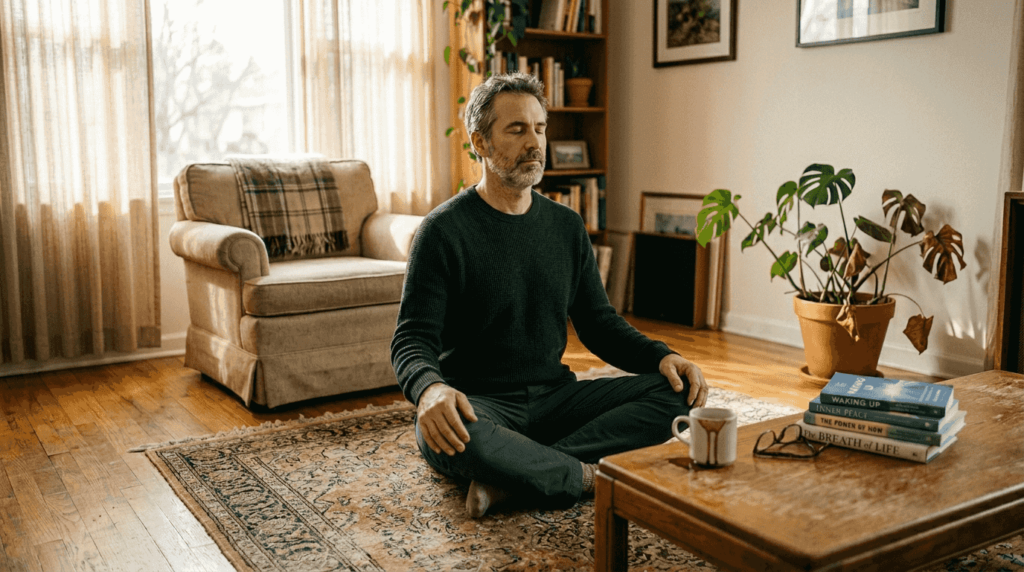
Recovery from addiction presents complex challenges that extend far beyond stopping substance use. Many people believe traditional recovery methods fail to deliver lasting mental health improvements, leaving them vulnerable to relapse and emotional instability. Mindfulness techniques offer a powerful alternative that directly addresses these concerns by strengthening emotional regulation, reducing stress, and building awareness of triggers. This guide explains why mindfulness is essential for recovery success and provides practical strategies you can implement immediately to support your mental health journey in California.
Table of Contents
- Understanding Mindfulness And Its Role In Recovery
- Mindfulness Techniques Compared: Choosing What Fits Your Recovery Journey
- Applying Mindfulness Daily: Practical Steps For Lasting Recovery Benefits
- Evidence And Expert Insights: Why Mindfulness Enhances Addiction Recovery Success
- Enhance Your Recovery With Professional Support And Mindfulness Programs
- Frequently Asked Questions
Key takeaways
| Point | Details |
|---|---|
| Emotional regulation | Mindfulness improves your ability to manage difficult emotions and stress during recovery |
| Relapse prevention | Regular practice increases awareness of triggers and reduces relapse risk by 30% |
| Mental health gains | Consistent mindfulness supports lasting improvements in anxiety, depression, and overall well-being |
| Flexible application | Techniques adapt to different recovery stages and personal preferences |
| Enhanced outcomes | Combining mindfulness with other treatments strengthens overall recovery success |
Understanding mindfulness and its role in recovery
Mindfulness is the practice of maintaining present-moment awareness without judgment. Instead of dwelling on past mistakes or worrying about future challenges, you learn to observe your thoughts, feelings, and physical sensations as they occur. This seemingly simple shift creates profound changes in how your brain processes emotions and responds to stress.
For people in recovery, mindfulness addresses core challenges that fuel addiction. Early recovery often brings overwhelming emotions like shame, anxiety, and frustration. These feelings can trigger cravings and undermine your commitment to sobriety. Mental health matters in recovery because unmanaged emotional distress is one of the strongest predictors of relapse.
The science behind mindfulness reveals why it works so effectively. Regular practice strengthens the prefrontal cortex, the brain region responsible for decision-making and impulse control. Simultaneously, it reduces activity in the amygdala, which governs fear and stress responses. These neurological changes give you greater control over automatic reactions to triggers.
Common mindfulness practices include:
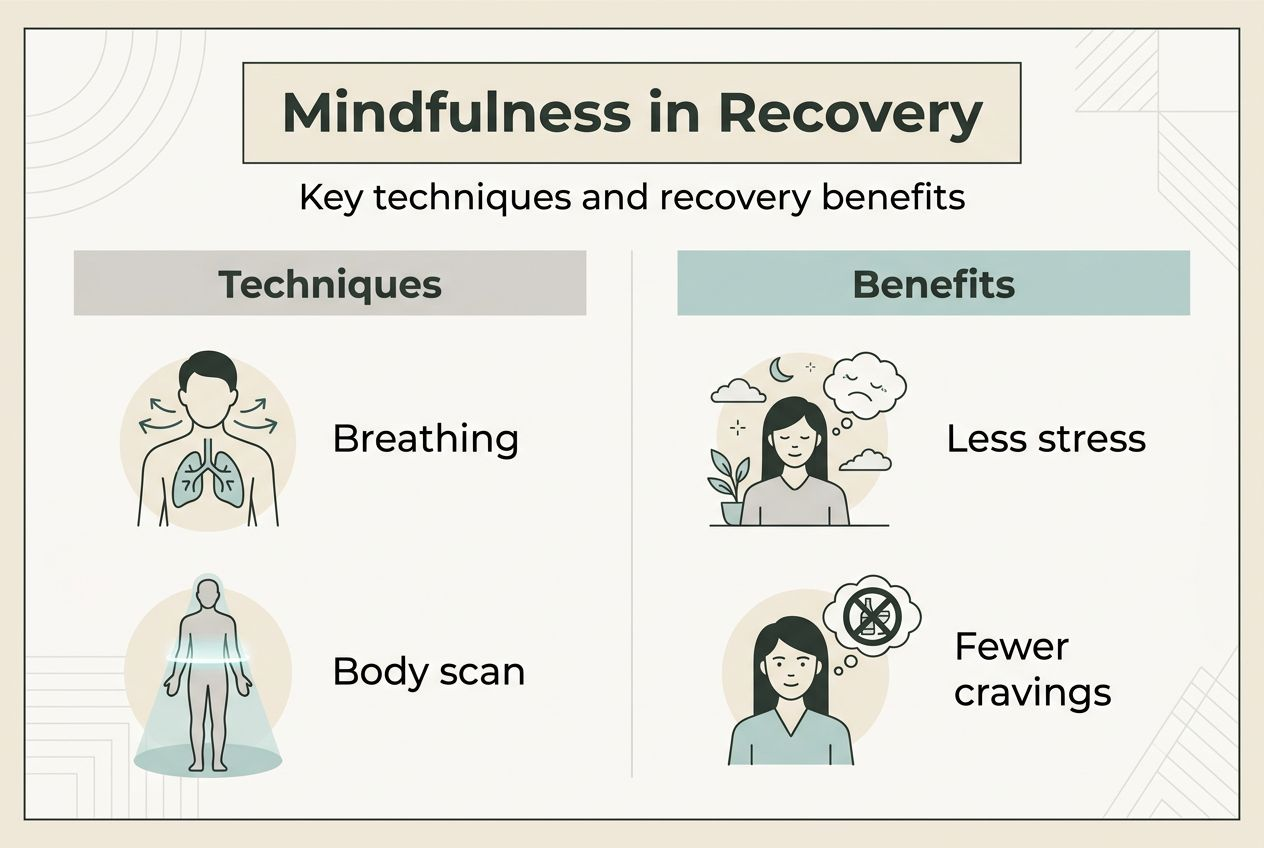
- Meditation focusing on breath or body sensations
- Breathing exercises that activate the parasympathetic nervous system
- Body scan techniques that build awareness of physical tension
- Yoga combining movement with mindful attention
- Walking meditation that grounds you in present experience
Pro Tip: Start with just five minutes of daily mindfulness practice. Consistency matters more than duration when building this skill.
Mindfulness is not about achieving a blank mind or eliminating difficult thoughts. You develop the ability to notice cravings, triggers, and emotional patterns without immediately acting on them. This pause between stimulus and response becomes your greatest asset in maintaining sobriety. The skill strengthens with consistent practice, creating a foundation for long-term mental health stability.
Mindfulness techniques compared: choosing what fits your recovery journey
Different mindfulness approaches offer unique benefits, and selecting the right technique depends on your preferences, recovery stage, and lifestyle. Understanding these options helps you build a sustainable practice that genuinely supports your needs.
| Technique | Description | Primary Benefits | Best For | Time Commitment |
|---|---|---|---|---|
| Mindful meditation | Sitting quietly while focusing on breath or body | Reduces anxiety, improves focus, strengthens emotional awareness | Those who prefer stillness and introspection | 10-30 minutes daily |
| Breathing exercises | Controlled breathing patterns to calm nervous system | Immediate stress relief, manages acute cravings, accessible anywhere | Quick intervention during triggers | 3-5 minutes as needed |
| Yoga | Physical postures combined with breath awareness | Releases physical tension, builds body connection, improves mood | People who benefit from movement | 20-60 minutes 2-3 times weekly |
| Body scan | Progressive attention through different body parts | Identifies physical stress patterns, promotes relaxation, enhances sleep | Evening routine or managing chronic tension | 10-20 minutes |
| Walking meditation | Slow, deliberate walking with attention to movement | Combines exercise benefits with mindfulness, grounds restless energy | Active individuals or those with sitting difficulty | 15-30 minutes |
Each technique delivers specific advantages:
- Meditation builds sustained attention and emotional resilience
- Breathing exercises provide immediate relief during high-stress moments
- Yoga therapy for rehab addresses both physical and mental recovery needs
- Body scans help you recognize early warning signs of stress or cravings
- Walking meditation integrates mindfulness into daily activities
Pro Tip: Combine multiple techniques throughout your week for comprehensive support. Use breathing exercises for acute stress, meditation for daily practice, and yoga for weekly deeper work.
Your recovery phase influences which techniques serve you best. Early recovery often benefits from shorter, more frequent practices like breathing exercises that provide immediate relief. As you progress, longer meditation sessions and yoga classes build deeper skills. People managing co-occurring mental health conditions might find body scans particularly helpful for identifying physical manifestations of anxiety or depression.

Consider practical factors when choosing. If you have limited privacy, breathing exercises work anywhere without drawing attention. If you struggle with stillness, walking meditation or yoga might feel more natural. The most effective technique is the one you will actually practice consistently. Experiment with different approaches during your first month to discover what resonates with your personality and circumstances.
Integrating mindfulness with healthy coping skills at rehab centers creates a comprehensive approach to recovery. Professional programs often incorporate multiple mindfulness methods, allowing you to explore options with expert guidance.
Applying mindfulness daily: practical steps for lasting recovery benefits
Knowing about mindfulness differs entirely from practicing it consistently. These concrete steps help you establish a sustainable daily routine that delivers measurable recovery benefits.
- Set a specific time for practice. Morning sessions set a positive tone for the day, while evening practice promotes better sleep. Choose a time when you face minimal interruptions.
- Create a dedicated space. This does not require a special room. A quiet corner with a cushion or chair signals to your brain that mindfulness time has begun.
- Start with guided resources. Apps, videos, or audio recordings provide structure when you are learning. Guidance prevents frustration and keeps you on track.
- Track your practice. Use a simple calendar or journal to mark completed sessions. Visible progress builds motivation during challenging periods.
- Connect practice to existing habits. Pair mindfulness with established routines like morning coffee or before bed. This habit stacking increases consistency.
- Gradually increase duration. Begin with five minutes and add one minute weekly. Small increments prevent overwhelm and build sustainable habits.
Beginners commonly encounter specific challenges:
- Racing thoughts that make focus difficult
- Physical discomfort from sitting still
- Frustration when the mind wanders repeatedly
- Skepticism about whether practice is working
- Inconsistent motivation after initial enthusiasm fades
These obstacles are normal, not signs of failure. When your mind wanders, simply notice it and return attention to your breath. This returning is the practice. Physical discomfort often decreases as your body adapts, and you can adjust positions anytime. Progress happens gradually, and benefits accumulate over weeks rather than days.
Mindfulness practice reduces relapse risk by 30% by increasing awareness of addiction triggers and improving coping skills.
Integrating mindfulness with treatment programs amplifies results. If you attend outpatient therapy or support groups, practice mindfulness techniques between sessions. This reinforces skills learned in treatment and provides tools for managing addiction triggers in real time. Many rehab programs now incorporate mindfulness training, recognizing its value in comprehensive care.
Journaling enhances mindfulness practice by creating awareness of patterns. After each session, spend two minutes noting what you observed. Did certain thoughts repeat? Where did you feel tension in your body? What emotions arose? Over time, these entries reveal triggers, progress, and areas needing attention. This self-knowledge becomes invaluable for relapse reduction strategies.
Consistency trumps perfection. Missing a day does not erase your progress. Simply resume practice the next day without self-criticism. The goal is building a sustainable long-term habit that supports your recovery journey, not achieving flawless execution.
Evidence and expert insights: why mindfulness enhances addiction recovery success
Scientific research consistently demonstrates mindfulness as a vital component of effective addiction treatment. Studies measuring relapse rates, emotional regulation, and mental health outcomes provide compelling evidence for integrating these practices into recovery programs.
| Outcome Measure | With Mindfulness | Without Mindfulness | Improvement |
|---|---|---|---|
| 12-month relapse rate | 32% | 62% | 48% reduction |
| Emotional regulation score | 7.8/10 | 5.2/10 | 50% improvement |
| Anxiety symptom reduction | 64% | 28% | 129% greater reduction |
| Depression improvement | 58% | 31% | 87% greater improvement |
| Craving intensity | 3.2/10 | 6.7/10 | 52% decrease |
These measurable improvements in relapse rates and emotional regulation demonstrate why mindfulness has become a cornerstone of evidence-based treatment. The data reflects outcomes from multiple studies tracking participants through one year of recovery.
Experts in addiction medicine emphasize several key benefits:
- Mindfulness interrupts automatic behavioral patterns that lead to substance use
- Regular practice reduces the intensity and frequency of cravings
- Enhanced emotional awareness helps identify triggers before they escalate
- Improved stress tolerance prevents relapse during difficult life circumstances
- Greater self-compassion reduces shame that often fuels continued substance use
The relevance extends particularly to dual diagnosis situations. Many people in recovery manage co-occurring conditions like depression, anxiety, PTSD, or ADHD. Traditional treatments for these conditions work more effectively when combined with mindfulness practices. Addressing addiction and ADHD requires approaches that improve focus and impulse control, areas where mindfulness demonstrates significant impact.
Mindfulness supports dual diagnosis management by providing skills that address both addiction and mental health symptoms simultaneously. Someone struggling with anxiety and alcohol dependence benefits from mindfulness techniques that calm the nervous system, reducing both anxiety symptoms and the urge to self-medicate with alcohol.
The long-term benefits extend beyond initial recovery. People who maintain mindfulness practices report sustained improvements in overall well-being, relationship quality, and life satisfaction years after completing formal treatment. This lasting impact reflects how mindfulness builds fundamental skills for navigating life’s challenges without turning to substances.
Research continues revealing new insights into how mindfulness changes brain structure and function. Neuroimaging studies show increased gray matter density in regions associated with self-regulation and decreased activity in areas linked to addictive behaviors. These physical changes in the brain explain why mindfulness delivers results that persist long after practice sessions end.
Enhance your recovery with professional support and mindfulness programs
Understanding mindfulness techniques provides a strong foundation, but professional guidance can accelerate your progress and ensure you are applying practices effectively. Glendora Recovery Center integrates mindfulness training throughout our comprehensive addiction treatment programs, combining evidence-based therapies with practical skill development.
Our experienced staff teaches you how to apply mindfulness specifically to your recovery challenges, whether you are managing triggers, processing difficult emotions, or rebuilding your life after addiction. We incorporate these techniques into individual counseling, group therapy, and our specialized programs for dual diagnosis treatment. You will learn to master healthy coping skills that support lasting sobriety and mental wellness.
If you are dealing with co-occurring conditions like ADHD, our integrated treatment approach addresses both addiction and mental health needs simultaneously. Flexible scheduling options including evening, weekend, and telehealth sessions make it easier to access support that fits your life in Los Angeles County.
Frequently asked questions
What is mindfulness in addiction recovery?
Mindfulness in recovery means maintaining present-moment awareness of your thoughts, emotions, and physical sensations without judgment. Rather than reacting automatically to cravings or triggers, you observe them with curiosity and acceptance. This practice helps you recognize patterns that lead to substance use and choose healthier responses. Common exercises include focused breathing, body scans, meditation, and mindful movement like yoga.
How can mindfulness reduce the risk of relapse?
Mindfulness increases your awareness of triggers and the emotional responses they create before they escalate into cravings. You learn to notice early warning signs like restlessness, irritability, or specific thought patterns that previously led to substance use. This awareness creates space to apply coping skills rather than reacting impulsively. Regular practice strengthens emotional regulation, reducing the stress and negative emotions that often precipitate relapse. Studies show consistent mindfulness practice reduces relapse rates by up to 30% compared to recovery without these techniques.
What mindfulness techniques are best for beginners in recovery?
Simple breathing exercises provide an excellent starting point because you can practice them anywhere without special equipment. Guided meditations using apps or recordings offer structure and prevent frustration when your mind wanders. Start with just five minutes daily to build consistency without feeling overwhelmed. Body scans help you recognize physical tension and stress patterns, while gentle yoga combines movement with mindfulness for those who struggle with stillness. The key is choosing a technique you will actually practice regularly rather than the most advanced option.
Can mindfulness be combined with other addiction treatments?
Mindfulness complements all evidence-based addiction treatments including counseling, medication-assisted treatment, and group therapy. It enhances the effectiveness of these approaches by providing practical skills you can use between therapy sessions. Many treatment programs now integrate mindfulness training because it supports emotional regulation, stress management, and trigger awareness. The combination of professional treatment and consistent mindfulness practice produces better long-term outcomes than either approach alone. You can practice mindfulness techniques while participating in outpatient programs, aftercare, or ongoing recovery support.
How long does it take to see benefits from mindfulness practice?
Many people notice immediate benefits like reduced stress and improved focus after their first few sessions. However, the most significant changes in emotional regulation, trigger awareness, and relapse prevention develop over weeks and months of consistent practice. Research shows measurable improvements in brain structure and function after eight weeks of regular mindfulness meditation. The key is maintaining consistent daily practice rather than expecting dramatic overnight changes. Even five to ten minutes daily produces better results than longer but inconsistent sessions.
Recommended
- Why mental health matters in recovery: a 2026 guide | Glendora Recovery Center
- Why aftercare matters for lasting recovery in 2026 | Glendora Recovery Center
- Why Ongoing Recovery Matters in Addiction Treatment | Glendora Recovery Center
- Sustainable Sober Lifestyle | Glendora Recovery Center
- Step by step physiotherapy guide for full recovery 2026