TL;DR:
- Evidence-based outpatient programs like PHP significantly reduce relapse rates and offer flexible scheduling.
- Glendora Recovery Center is licensed, accredited, and provides integrated therapies for mental health and addiction.
- Ongoing aftercare and alumni support are crucial for sustained recovery and relapse prevention.
Not all addiction treatment centers produce the same results, and the data makes that clear. Participation in a Partial Hospitalization Program reduces relapse by 65% compared to standard outpatient care, yet many people in Los Angeles County still choose programs based on amenities rather than clinical outcomes. At Glendora Recovery Center, the focus is on what actually works: individualized, evidence-based care for adults and teens dealing with substance use disorders and co-occurring mental health conditions. This article covers what sets Glendora apart, the therapies used, how aftercare sustains recovery, and why flexibility matters as much as clinical rigor.
Table of Contents
- What sets Glendora Recovery Center apart?
- Evidence-based therapies and integrated care
- Aftercare and alumni support: the secret to sustained recovery
- Flexible, real-world solutions: harm reduction, teens, and court-approved programs
- A fresh perspective: why evidence and flexibility matter most
- Take the next step toward recovery with Glendora
- Frequently asked questions
Key Takeaways
| Point | Details |
|---|---|
| Integrated dual diagnosis care | Treating mental health and addiction together increases lasting recovery odds. |
| Flexible, evidence-based programs | Outpatient options match residential care success while fitting around life commitments. |
| Aftercare prevents relapse | Free aftercare and alumni support reduce relapse risk by up to 50%. |
| Accredited and tailored solutions | Glendora Recovery Center’s licensing, accreditation, and customized programs ensure high standards and fit unique needs. |
What sets Glendora Recovery Center apart?
When families in LA County start searching for addiction treatment, the options can feel overwhelming. Luxury residential programs with resort-style amenities often dominate search results, but clinical research tells a different story about what produces lasting recovery. Outpatient care like GRC matches the clinical efficacy of luxury residential programs while offering greater flexibility and lower cost, making it far more practical for people who need to maintain jobs, attend school, or care for family members.
Glendora Recovery Center is a licensed and accredited facility, holding a DHCS license and JCAHO accreditation. These credentials are not just paperwork. They signal that the center meets rigorous standards for clinical quality, staff qualifications, and patient safety. For anyone evaluating treatment options available in the region, accreditation is one of the most reliable indicators of program integrity.
Here is a quick comparison of how Glendora Recovery Center stacks up against typical residential programs:
| Feature | Glendora Recovery Center | Typical residential program |
|---|---|---|
| Clinical accreditation | DHCS + JCAHO | Varies |
| Schedule flexibility | Morning, evening, weekend, telehealth | Fixed residential schedule |
| Cost | Lower, insurance-friendly | High, often out-of-pocket |
| Family involvement | Built into programming | Limited or add-on |
| Aftercare support | Free, ongoing | Rarely included |
The programs available reflect real-world needs. Glendora offers Partial Hospitalization Programs (PHP), Intensive Outpatient Programs (IOP), aftercare, and supportive housing for both adults and teens. Understanding why outpatient treatment works helps clarify why this model is not a compromise but often the superior clinical choice.
Key program features include:
- PHP and IOP structured for people balancing work, school, or parenting
- Morning, evening, weekend, and online telehealth sessions
- Court-approved tracks compatible with probation requirements
- Teen-specific programming with strong family involvement
- Supportive housing options for those needing additional stability
The statistical impact is significant. PHP participation cuts relapse risk by 65%, and combining that with structured aftercare reduces relapse by an additional 40 to 50%. These are not marketing claims. They reflect what happens when clinical structure meets real-world flexibility.
Evidence-based therapies and integrated care
Therapy is the core engine of recovery, and not all therapy is created equal. Glendora Recovery Center uses evidence-based therapies including Cognitive Behavioral Therapy (CBT), Eye Movement Desensitization and Reprocessing (EMDR), family therapy, and art therapy. Each modality serves a distinct purpose within an integrated treatment plan.
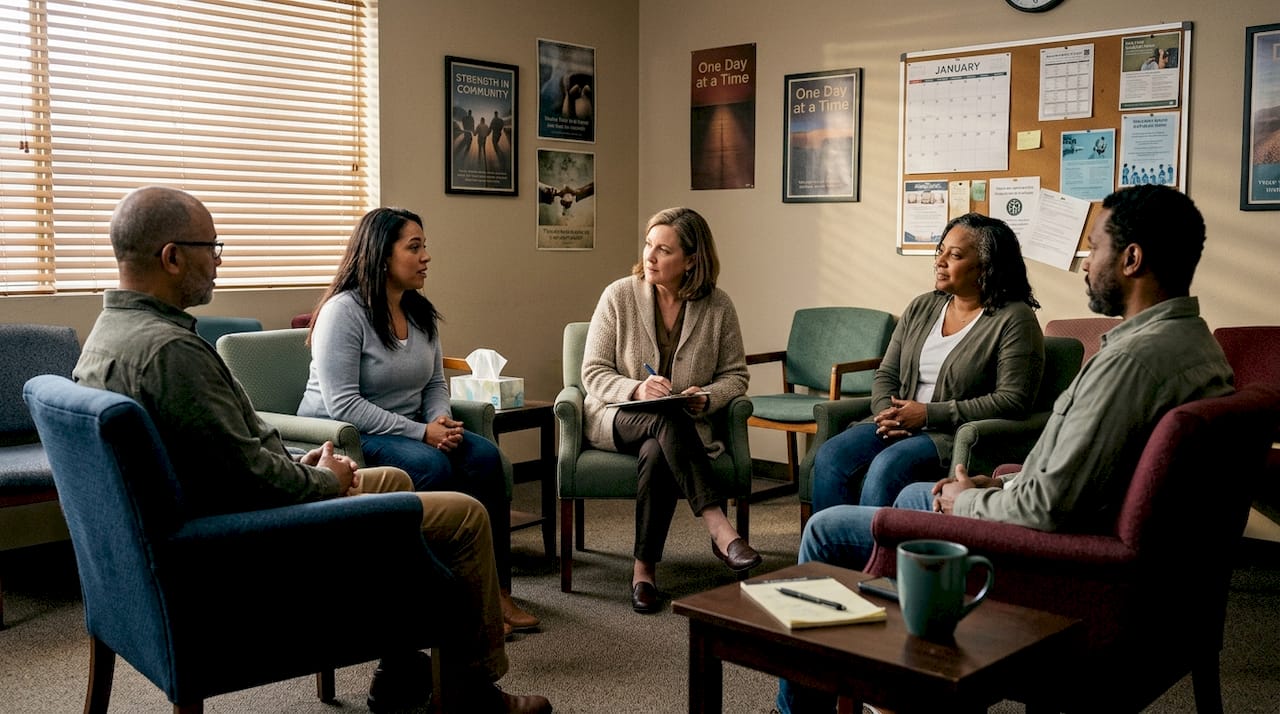
CBT is one of the most studied tools in addiction treatment. It helps patients identify the thought patterns and triggers that drive substance use, then replace those patterns with healthier responses. The clinical data on CBT shows a meaningful effect size of negative 0.227 compared to control groups, which translates to significantly lower relapse rates and better retention in treatment. That is a real, measurable difference in outcomes.
EMDR addresses trauma, which is a major but often overlooked driver of addiction. Many people use substances to manage the emotional weight of past trauma, and without processing that trauma directly, relapse becomes almost inevitable. EMDR allows patients to work through traumatic memories in a structured, safe environment, reducing their emotional charge over time.
Here is how therapy typically progresses for a patient at Glendora Recovery Center:
- Initial assessment to identify substance use history, mental health diagnoses, and trauma
- Placement in PHP or IOP based on severity and life circumstances
- Individual CBT sessions targeting thought patterns and relapse triggers
- Group therapy for peer support and shared accountability
- EMDR or art therapy as clinically indicated for trauma processing
- Family therapy sessions to rebuild trust and improve communication
- Transition planning into aftercare with ongoing counseling support
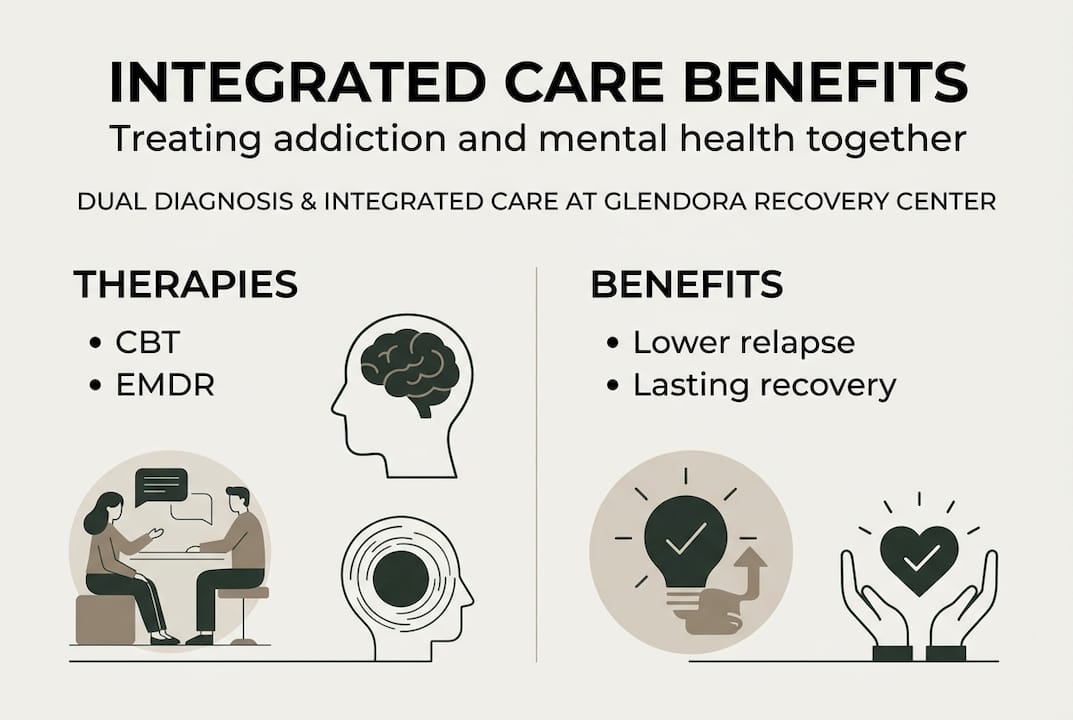
The dual diagnosis benefits of treating mental health and addiction simultaneously cannot be overstated. Co-occurring disorders, such as depression, anxiety, PTSD, or bipolar disorder alongside substance use, are extremely common. Treating only the addiction while leaving the mental health condition unaddressed creates a cycle where the untreated disorder pulls the person back toward substance use.
Pro Tip: If you or someone you love has been diagnosed with both a mental health condition and a substance use disorder, ask any treatment center directly whether they offer integrated dual diagnosis care or simply refer out for mental health services. Integrated care under one roof produces far better outcomes.
Aftercare and alumni support: the secret to sustained recovery
Completing a PHP or IOP is a major milestone, but it is not the finish line. The period immediately following formal treatment is when relapse risk is highest, and what happens during that window often determines long-term success. Aftercare programs lower relapse by 40 to 50%, making ongoing support one of the highest-value investments a person in recovery can make.
Glendora Recovery Center offers free aftercare and alumni programs that extend the support structure well beyond the formal treatment phase. Aftercare benefits include continued counseling, relapse prevention planning, and connection to community resources. For teens specifically, family therapy integrated into aftercare has been shown to significantly boost long-term success rates.
What is included in aftercare and alumni support at Glendora:
- Continued individual and group counseling sessions
- Relapse prevention planning with personalized coping strategies
- Alumni network events and peer accountability groups
- Family therapy to maintain and strengthen home support systems
- Access to case managers for housing, employment, or legal navigation
- Telehealth check-ins for those who have relocated or have scheduling constraints
“Aftercare is not an optional add-on. It is the bridge between treatment and real life, and the data consistently shows it cuts relapse risk nearly in half.”
The alumni network is particularly valuable because it provides something clinical settings cannot fully replicate: lived experience. Connecting with people who have walked the same path and built stable, fulfilling lives creates genuine hope. It also creates accountability, because it is harder to drift when you are part of a community that notices.
Pro Tip: Encourage your loved one to attend at least one alumni event within the first 30 days after completing formal treatment. Early engagement with the alumni network is one of the strongest predictors of sustained sobriety. Explore aftercare support options before discharge so the transition feels planned, not abrupt.
Flexible, real-world solutions: harm reduction, teens, and court-approved programs
Not every person seeking treatment fits a standard profile. Some are navigating court orders or probation requirements. Some are teenagers whose families are trying to intervene before patterns become entrenched. Others are not yet ready for full abstinence but need support to reduce harm and stay safe while they work toward that goal. Glendora Recovery Center is built to serve all of these situations.
The comprehensive addiction treatment model at Glendora includes a harm-reduction philosophy, which means meeting people where they are rather than requiring a specific starting point. This approach is especially effective for individuals involved with probation, DCFS, or other court systems, where rigid abstinence-only frameworks often fail to produce compliance or genuine engagement.
For teens, the programming emphasizes family involvement at every stage. Adolescent substance use rarely exists in isolation. It is almost always connected to family dynamics, peer relationships, school stress, or unaddressed mental health conditions. Treating the teen without engaging the family is like fixing one part of a system while leaving the rest broken.
Steps to connect with the right track at Glendora Recovery Center:
- Call or contact Glendora for a confidential intake assessment
- Disclose any court orders, probation conditions, or DCFS involvement upfront
- Identify whether the patient is an adult or teen to access age-appropriate programming
- Discuss scheduling needs, including work, school, or childcare constraints
- Review insurance coverage and financial assistance options with the admissions team
Key features of specialized programming:
- Court-approved certificates and documentation for legal compliance
- Probation-compatible scheduling with flexible session times
- Teen programs with mandatory family therapy components
- Harm-reduction counseling for patients not yet pursuing full abstinence
- Bilingual staff and culturally sensitive care for LA County’s diverse population
Pro Tip: If you are navigating a court-mandated treatment requirement, bring documentation of any legal conditions to your first intake call. Glendora’s admissions team can confirm program compatibility and provide the paperwork your attorney or probation officer will need.
A fresh perspective: why evidence and flexibility matter most
There is a persistent myth in addiction treatment that more expensive means more effective. Families sometimes equate luxury amenities with clinical quality, choosing a program because it has a pool or a chef rather than because it has proven outcomes. This is an understandable mistake, especially when fear and urgency are driving the decision. But it can be a costly one.
What the research consistently shows is that long-term outpatient recovery supported by evidence-based therapies and robust aftercare outperforms short-term residential stays in real-world settings. The reason is simple: recovery happens in life, not away from it. Programs that allow patients to practice new skills in their actual environment, with their actual relationships and stressors, build more durable change.
The real difference-maker is not the thread count of the sheets or the size of the campus. It is whether the program treats the whole person, adapts to their circumstances, and stays engaged long after the formal treatment ends. Personalized, ongoing support is what separates a temporary break from lasting recovery.
Take the next step toward recovery with Glendora
If you or someone you love is struggling with substance use or a co-occurring mental health condition in Los Angeles County, Glendora Recovery Center is ready to help. Explore the full range of addiction treatment options available, from PHP and IOP to aftercare and supportive housing. For those dealing with both addiction and mental health challenges, dual diagnosis recovery programs offer integrated care that addresses both conditions simultaneously. The first step is straightforward: schedule a confidential assessment with our team and get a clear picture of what treatment path fits your situation, your schedule, and your goals.
Frequently asked questions
Is Glendora Recovery Center licensed and accredited?
Yes. Glendora Recovery Center holds a DHCS license and JCAHO accreditation, confirming the facility meets established standards for clinical quality, staff credentialing, and patient safety.
What types of programs does Glendora Recovery Center offer?
Glendora offers PHP, IOP, aftercare, and supportive housing for both adults and teens, including court-approved tracks and telehealth options for flexible scheduling.
How does Glendora Recovery address both addiction and mental health?
The center uses integrated dual diagnosis treatment that combines CBT, EMDR, family therapy, and art therapy to treat substance use and mental health conditions at the same time, under one clinical team.
How effective is Glendora Recovery Center in reducing relapse?
Participating in PHP reduces relapse by 65% compared to standard outpatient care, and structured aftercare programs lower relapse risk by an additional 40 to 50%.
Recommended
- Effective Addiction Treatment From Glendora Recovery Center
- Intensive Outpatient in Los Angeles: Transform with Us
- Glendora Rehab: Why Are Our Professionals the Best?
- Glendora Rehab: Why We Are the Most Innovative Hub
- Psychotherapy in trauma recovery: evidence-based options CA 2026 – Revive Health Therapy