
Choosing the right addiction rehab program can feel overwhelming when you’re facing both substance abuse and mental health concerns in Los Angeles County. Taking the time to honestly evaluate your needs and understand your options is the key to building a lasting foundation for recovery. This guide highlights every crucial step, from assessing your support requirements to preparing for your first day, with a focus on comprehensive treatment and practical resources that make the process clear and manageable.
Table of Contents
- Step 1: Assess Your Treatment Needs
- Step 2: Contact The Rehab Admissions Team
- Step 3: Verify Insurance And Payment Options
- Step 4: Complete Your Rehab Enrollment
- Step 5: Prepare For Your First Treatment Day
Quick Summary
| Key Point | Explanation |
|---|---|
| 1. Assess your treatment needs carefully | Identify specific challenges and preferences to find the right support program suited for your unique situation. |
| 2. Contact the admissions team directly | Prepare to share your assessment details with the treatment center for personalized program recommendations. |
| 3. Verify insurance and payment options | Understand what your insurance covers and explore payment assistance for treatment to avoid unexpected costs. |
| 4. Complete enrollment paperwork thoroughly | Fill out all documents accurately to ensure your treatment plan aligns with your needs and goals. |
| 5. Prepare well for your first day | Organize necessary documents and discuss your decision with supportive individuals to create accountability and a sense of readiness. |
Step 1: Assess Your Treatment Needs
Before you enroll in any program, you need to understand what kind of support will actually help you. This step involves looking honestly at your situation and identifying the specific challenges you’re facing so you can find the right fit.
Start by examining your current situation. Ask yourself these questions:
- How long have you been struggling with substance use or mental health issues?
- What substances or behaviors are affecting your daily life?
- Are you dealing with both addiction and mental health conditions at the same time?
- What responsibilities do you have (work, family, school) that might affect your schedule?
- Do you prefer in-person care, online sessions, or a combination of both?
- Have you tried treatment before, and if so, what worked or didn’t work?
Your answers to these questions shape what you’re looking for. Someone managing alcohol dependence while working full-time needs different support than someone with multiple co-occurring disorders seeking intensive care.
Consider your living situation and support system. Do you have family or friends who can help you stay accountable? Are you in a safe environment where you can focus on recovery? These factors influence whether you need a more structured program or something flexible.
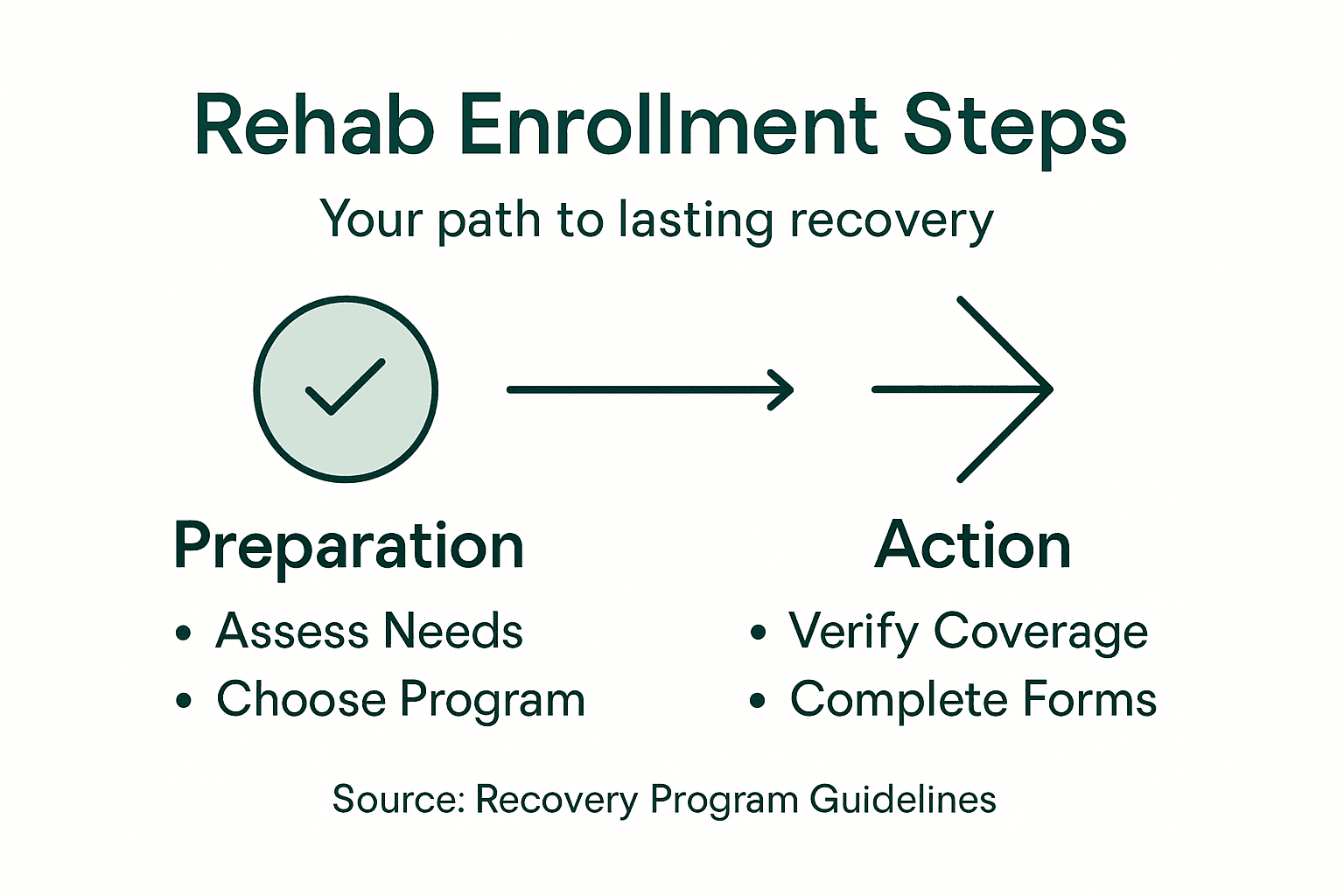
Understanding your specific situation is where a substance use assessment becomes valuable. A professional evaluation helps identify not just what you’re struggling with, but why you’re struggling with it and what treatment approach will actually work for your life.
Think about program intensity and schedule. Some people need a Partial Hospitalization Program with structured daily sessions. Others do better with an Intensive Outpatient Program that fits around work hours. Glendora Recovery Center offers morning, evening, weekend, and telehealth options for exactly this reason.
Here’s a quick overview of common program types and their best-fit situations:
| Program Type | Structure | Best For |
|---|---|---|
| Partial Hospitalization | Full-day, structured care | Complex needs, intensive support |
| Intensive Outpatient Program | Flexible, several hours | Balancing work and treatment |
| Telehealth Options | Remote, virtual sessions | Those needing location flexibility |
| Weekend/Evening Programs | Nonstandard hours | Busy schedules, family obligations |
Your treatment needs are unique to your situation. The right program matches your specific challenges, your schedule, and your life circumstances.
Don’t rush this step. Taking time to honestly assess what you need now prevents frustration and dropout later. You’re looking for a program that feels manageable while still pushing you toward real change.
Pro tip: Write down your answers to these questions before contacting a treatment center. Having this information ready helps staff match you with the right program faster and shows you’re genuinely committed to finding solutions.
Step 2: Contact the Rehab Admissions Team
Now that you understand what you need, it’s time to reach out to a treatment center. This step connects your assessment directly to professional staff who can match you with the right program and get you started.
Decide how you want to make contact. Most rehabilitation centers accept inquiries through phone calls, online contact forms, or in-person visits. Choose the method that feels most comfortable for you right now.
When you call or fill out an online form, be prepared to share basic information about yourself. The admissions team will ask about your substance use history, any mental health concerns, your work schedule, and what kind of care setting you prefer. Having your assessment from Step 1 handy makes this conversation much smoother.
The admissions team serves as your primary point of contact throughout the enrollment process. They coordinate appointments, provide detailed information about specific programs and facilities, and help you understand admission requirements so you can prepare properly for your first day.
Here’s what to expect when you connect with admissions:
- They’ll ask clarifying questions about your situation and goals
- They’ll explain different program options that match your needs
- They’ll discuss scheduling and whether flexibility matters for your situation
- They’ll review insurance coverage and financial options
- They’ll begin preliminary paperwork for enrollment
Don’t hesitate to ask questions during this conversation. You might wonder about facility amenities, staff qualifications, how family involvement works, or what a typical day looks like in the program. The admissions team wants you to feel confident about your choice.
The admissions team isn’t there to judge you. They’re there to help you find a program that works for your life and get you enrolled successfully.
Many people feel nervous making that first call. That’s completely normal. Remember that staff have helped countless people through this exact conversation. They understand where you’re coming from and what might feel overwhelming right now.
If you work with insurance, ask the admissions team about coverage details early. They often handle insurance verification and can tell you what your out-of-pocket costs might be before you commit.
Pro tip: Call or submit your information earlier in the week rather than Friday, so the admissions team can follow up with you promptly and answer questions while they’re fully staffed.
Step 3: Verify Insurance and Payment Options
Knowing what your insurance covers before you enroll eliminates financial surprises and helps you plan for treatment confidently. This step clarifies your costs and explores every payment option available to you.
Start by gathering your insurance information. Pull out your insurance card and locate your member ID, group number, and the customer service phone number on the back. If you have multiple insurance plans or are unsure about coverage, have all relevant documents ready.
Call your insurance company directly to verify coverage for rehabilitation services. Ask them these specific questions:
- Is inpatient or outpatient rehabilitation covered under my plan?
- What is my deductible, and have I met it this year?
- What is my copay or coinsurance for treatment visits?
- Are there any limits on the number of treatment days covered?
- Do I need prior authorization before starting a program?
- Are mental health services covered at the same rate as medical services?
Understand that coverage varies significantly based on your plan type. Medicare covers medically necessary inpatient rehabilitation if certified by a healthcare provider, including therapy and nursing services. Private plans and Medicaid have different terms. Getting clarity on your specific situation prevents billing problems later.
If you don’t have insurance or coverage is limited, don’t let that stop you from seeking help. Free or low-cost treatment options exist through SAMHSA, including sliding scale fees, payment plans, grants, and scholarships. Many rehab programs work with uninsured patients and offer flexible payment schemes to make care accessible.
Here’s what payment assistance might look like:
- Sliding scale fees based on your income
- Monthly payment plans instead of upfront costs
- Grants or scholarships for those who qualify
- State-funded treatment programs
- Employer-sponsored benefits or employee assistance programs
Discuss your financial situation openly with the admissions team. They navigate insurance questions constantly and often have relationships with insurance companies that help streamline the process.
Honest communication about money prevents enrollment delays and ensures you can focus on recovery, not financial stress.
Once you understand your coverage, confirm these details in writing. Ask your insurance company to email or mail you a summary of benefits. Keep this document with your enrollment paperwork.
Use this table to see how insurance and payment options differ for treatment:
| Payment Option | What It Covers | Works Best For |
|---|---|---|
| Private Insurance | Inpatient/outpatient, varies by plan | Those with employer coverage |
| Medicare | Medically necessary rehab | Seniors, disabled individuals |
| Medicaid | State-funded, income-based care | Low-income households |
| Self-Pay/Sliding Scale | Fees based on income | Uninsured or underinsured |
| Grants/Scholarships | Partial or full treatment funding | Financial hardship seekers |
Pro tip: Contact both your insurance company and the treatment center’s billing department to verify coverage before your first day, ensuring you have accurate information from both sides and no unexpected bills arrive later.
Step 4: Complete Your Rehab Enrollment
You’ve assessed your needs, connected with admissions, and verified your insurance. Now it’s time to finalize your enrollment and prepare to begin treatment. This step involves completing paperwork and taking care of important details before your start date.

Expect the treatment center to send you enrollment documents. These typically include consent forms, medical history questionnaires, emergency contact information, program policies, and confidentiality agreements. Read through everything carefully and ask for clarification on anything that’s unclear.
Complete all required paperwork honestly and thoroughly. The more accurate information you provide about your medical history, current medications, and mental health concerns, the better your treatment team can personalize your care. Don’t skip questions or minimize details hoping to speed up the process.
Here’s what you’ll likely complete during enrollment:
- Health history and current medications
- Insurance information and authorization forms
- Emergency contact details
- Program rules and expectations agreement
- Confidentiality and privacy notices
- Goals and expectations for treatment
- Acknowledgment of any fees or copays
Work with the admissions team if you need help understanding forms. If English isn’t your first language, ask whether translated documents are available. Treatment centers want you to understand what you’re signing.
Discuss your start date and what to bring on your first day. Ask about arrival time, parking, what items are allowed, and what the first few hours will look like. Knowing what to prepare for your first day reduces anxiety and helps you focus on getting started.
If anything changes before your start date, contact the admissions team immediately. Schedule changes, health concerns, or new medications should all be communicated so your treatment plan stays accurate.
Completing enrollment carefully shows respect for the process and sets you up for success from day one.
Take a moment to feel what you’re feeling right now. Nervousness, hope, relief, or doubt are all completely normal. You’ve taken significant steps toward recovery, and that matters.
Pro tip: Bring copies of all your completed enrollment forms and insurance documents to your first day appointment, so everything is documented in your file and the clinical team has complete information from the start.
Step 5: Prepare for Your First Treatment Day
Your enrollment is complete and your start date is approaching. This final step involves practical preparation so you feel ready and grounded when you arrive at Glendora Recovery Center. A little advance planning makes a meaningful difference in how your first day unfolds.
Review the paperwork you received from admissions. Check the exact date, time, and location of your appointment. Note any special instructions about where to park or which entrance to use. Write these details on your calendar so you don’t accidentally miss your start time.
Prepare what you’re bringing with you. The treatment center gave you a list of allowed and prohibited items. Pack practical items that will make you comfortable during your stay or program sessions.
Bring these essential documents:
- Photo identification and insurance card
- Copies of your enrollment paperwork
- List of current medications and dosages
- Contact information for your emergency contacts
- Any relevant medical records or previous treatment summaries
- Prescription information if needed
Arrange your personal responsibilities before treatment begins. Let your employer know your start date if possible. Make childcare arrangements for any dependents. Pay bills that are due during your early treatment weeks. These practical steps reduce stress and let you focus on recovery.
Talk to people who matter to you about your decision to get help. You don’t need to share details you’re uncomfortable discussing, but letting trusted people know you’re starting treatment creates accountability and support. Their encouragement matters more than you might realize right now.
Understand how flexible scheduling works so you know what to expect from your program sessions. Morning, evening, weekend, and telehealth options exist because life doesn’t pause for treatment. Knowing your specific schedule removes uncertainty.
Preparation isn’t about controlling everything. It’s about removing unnecessary obstacles so you can show up ready to do the real work of recovery.
Get a good night’s sleep before your first day. Eat breakfast. Arrive a few minutes early so you’re not rushed. These small acts of self-care signal to yourself that you’re taking this seriously and you’re worth the effort.
Pro tip: Create a simple checklist of everything you need to bring, then pack your bag the night before so you’re not scrambling in the morning and can focus on managing any nervousness.
Take Control of Your Recovery Journey With Personalized Support
Navigating the steps of rehab enrollment can feel overwhelming. The challenge lies in finding a program that matches your unique needs while understanding complex insurance details and preparing for your first treatment day. At Glendora Recovery Center, we recognize these struggles and provide compassionate, individualized care designed to fit your schedule and life circumstances. Whether you require a Partial Hospitalization Program or prefer flexible telehealth sessions, our experienced admissions team is ready to guide you through every step with clarity and support.
Don’t let uncertainty hold you back from lasting recovery. Discover how our flexible scheduling and comprehensive services address your specific challenges so you can focus on healing. Begin your enrollment process today by reaching out to the Glendora Recovery Center admissions team. Taking this step now means moving closer to a life free from addiction with professional help tailored just for you.
Frequently Asked Questions
How do I assess my treatment needs before enrolling in rehab?
Begin by reflecting on your personal challenges, such as the length of your struggles, responsibilities, and previous treatment experiences. Write down your answers to key questions to help clarify what type of program will best fit your situation.
What should I expect when I contact the rehab admissions team?
Expect to share basic information about your substance use history and any mental health concerns you may have. The admissions team will guide you through your options and requirements, ensuring you understand the programs that match your needs.
How can I verify my insurance coverage for rehab services?
Contact your insurance company directly to confirm whether rehab services are covered under your plan. Prepare specific questions about deductibles, co-pays, and limits on treatment days to gauge your costs accurately before enrolling.
What paperwork is involved in the rehab enrollment process?
You will need to complete various forms, including consent forms, medical history questionnaires, and emergency contact details. Accurately filling out this paperwork ensures your treatment team can tailor your care effectively.
How can I prepare for my first day of treatment?
Review the information provided by the treatment center regarding your start date, time, and what to bring. Pack necessary documents, arrange any personal responsibilities, and talk to your support system to feel ready for your first treatment day.
What should I do if I have concerns or questions during the enrollment process?
Don’t hesitate to ask the admissions team any questions that arise. Open communication about your concerns helps clarify the process and ensures that you are comfortable moving forward with your chosen program.
Recommended
- How to Prepare for Rehab: A Step-by-Step Guide for Success | Glendora Recovery Center
- Court-Ordered Rehab: How Long Does This Program Last?
- How to Navigate Insurance for Rehab in Los Angeles | Glendora Recovery Center
- Recovery Programs: Pathways to Lasting Sobriety | Glendora Recovery Center
- Implementera e-learning arbetsmiljö för framgångsrik utbildning – DISTANSUTBILDNING