
Everyday recovery in Los Angeles County can feel isolating, making the search for genuine connection vital. Peer support stands out as a unique, relationship-based system where people with lived experience walk alongside you, sharing practical wisdom and real-life encouragement. Unlike traditional clinical care, peer support is built on mutual respect, empathy, and openness, offering hope and helping you discover your strengths. This article will clarify what peer support means in rehabilitation and why it can transform your mental well-being.
Table of Contents
- Defining Peer Support In Rehabilitation Settings
- Key Types Of Peer Support Models
- How Peer Relationships Enhance Recovery
- Qualifications And Best Practices For Peer Mentors
- Challenges And Limitations Of Peer Support Roles
Key Takeaways
| Point | Details |
|---|---|
| Peer Support is Unique | Peer support is a voluntary, relationship-based system where individuals with lived experience aid others, creating trust and mutual understanding. |
| Diverse Models Available | Various peer support models, including one-on-one mentorship and group sessions, cater to different recovery needs and preferences. |
| Enhances Recovery Outcomes | Engaging in peer support fosters empowerment, reduces isolation, and increases treatment retention, ultimately improving overall well-being. |
| Qualifications Matter | Effective peer mentors combine personal recovery experience with specialized training to provide ethical, trauma-informed support. |
Defining Peer Support in Rehabilitation Settings
Peer support in rehabilitation is fundamentally different from traditional therapy. It’s built on the principle that people in recovery can help others navigate similar struggles by sharing what they’ve learned firsthand.
At its core, peer support is a voluntary, relationship-based system where individuals with lived recovery experience provide mutual aid to others facing substance use or mental health challenges. Unlike clinical therapists who maintain professional distance, peer supporters walk alongside you as fellow travelers who understand the recovery journey.
The key distinction: your peer supporter has been where you are. They’ve struggled, recovered, and rebuilt their lives. That shared experience creates a foundation of credibility and trust that’s difficult to replicate in traditional clinical settings.
What Makes Peer Support Different
Core characteristics of effective peer support include:
- Openness and honesty about struggles, setbacks, and victories
- Empathy rooted in genuine understanding of addiction and recovery
- Shared power rather than a hierarchical provider-client relationship
- Respect for your autonomy and decision-making
- Person-centered focus on your strengths and goals, not just problems
Evidence-based peer support approaches emphasize hope and facilitate meaningful change through practical, lived-experience wisdom. This complements—not replaces—clinical treatment at your facility.
Research demonstrates that peer support reduces hospitalizations, increases engagement with your treatment program, and enhances overall life satisfaction. Many people report feeling less isolated when they connect with others who truly understand their challenges.
How Peer Support Works in Practice
In a rehabilitation setting like Glendora Recovery Center, peer support typically operates alongside your clinical treatment team. Your peer supporter might help you:
- Process daily struggles without judgment or clinical assessment
- Build coping strategies by learning what’s worked for others in recovery
- Navigate social situations that trigger cravings or emotional pain
- Stay accountable to your recovery goals between therapy sessions
- Access community resources and continue your recovery after formal treatment ends
Peer supporters aren’t replacing your counselor, psychiatrist, or medical team. They’re extending your support network and providing continuity when clinical appointments aren’t available.
Peer support works because it offers something clinical treatment alone cannot: proof that recovery is possible from someone who has actually done it.
The strength-focused approach means peer supporters help you identify what you’re already doing right, then build on those strengths. Instead of dwelling only on problems, conversations center on progress, resilience, and moving forward.
In Los Angeles County, where isolation often compounds recovery challenges, peer support creates the social connectedness that research shows directly improves long-term outcomes. You’re not alone in this process—you’re part of a community of people committed to their recovery.
Pro tip: When connecting with a peer supporter, be honest about what you need most right now—whether that’s accountability, encouragement, practical advice, or simply someone who won’t judge your struggles.
Key Types of Peer Support Models
Peer support isn’t one-size-fits-all. Different models serve different needs, and understanding each approach helps you find what works best for your recovery journey.
The peer support spectrum ranges from informal, naturally occurring relationships to formal, structured programs with trained specialists. Peer support models vary widely, from one-on-one mentorship to group facilitation and community-based peer-run organizations. What matters is finding the model that matches your needs and personality.
In Los Angeles County, you’ll encounter several distinct approaches during your time at Glendora Recovery Center and beyond.
Here’s a helpful overview comparing key peer support models in rehabilitation settings:
| Model Type | Setting | Support Style | Typical Benefits |
|---|---|---|---|
| One-on-One Peer Mentor | Personal, individual meetings | Tailored, consistent | Deep trust, personalized advice |
| Group Peer Support | Peer-led or specialist-led | Shared experience, communal | Built-in accountability, community |
| Certified Peer Specialist | Clinical or community centers | Professional, structured | Trauma-informed, ethical support |
| Recovery Community Center | Peer-run community spaces | Informal, flexible | Social belonging, ongoing help |
One-on-One Peer Mentorship
This is the most personal model. A single peer mentor walks with you through recovery, offering consistent, individualized support and accountability.
What this looks like:
- Regular check-ins focused on your specific challenges
- Personalized advice based on their recovery experience
- Someone who knows your story and goals intimately
- Flexible support that adapts as your needs change
One-on-one mentorship works well if you prefer privacy or have specific triggers requiring personalized guidance. Many people in early recovery benefit from this dedicated attention and connection.
Group Peer Support
Group models bring people together facing similar struggles. They emphasize community, shared learning, and mutual accountability.
Examples include:
- Peer-led recovery circles or meetings
- Support groups facilitated by trained peer specialists
- Group skill-building sessions on coping and wellness
- Social gatherings that build community connections
Group settings reduce isolation and show you that others share your struggles. The collective wisdom and accountability can be powerful motivators.
Certified Peer Specialists
Certified peer specialists are trained professionals with lived recovery experience who work as integrated members of healthcare teams. They bring formal credentials and professional training alongside their personal experience.
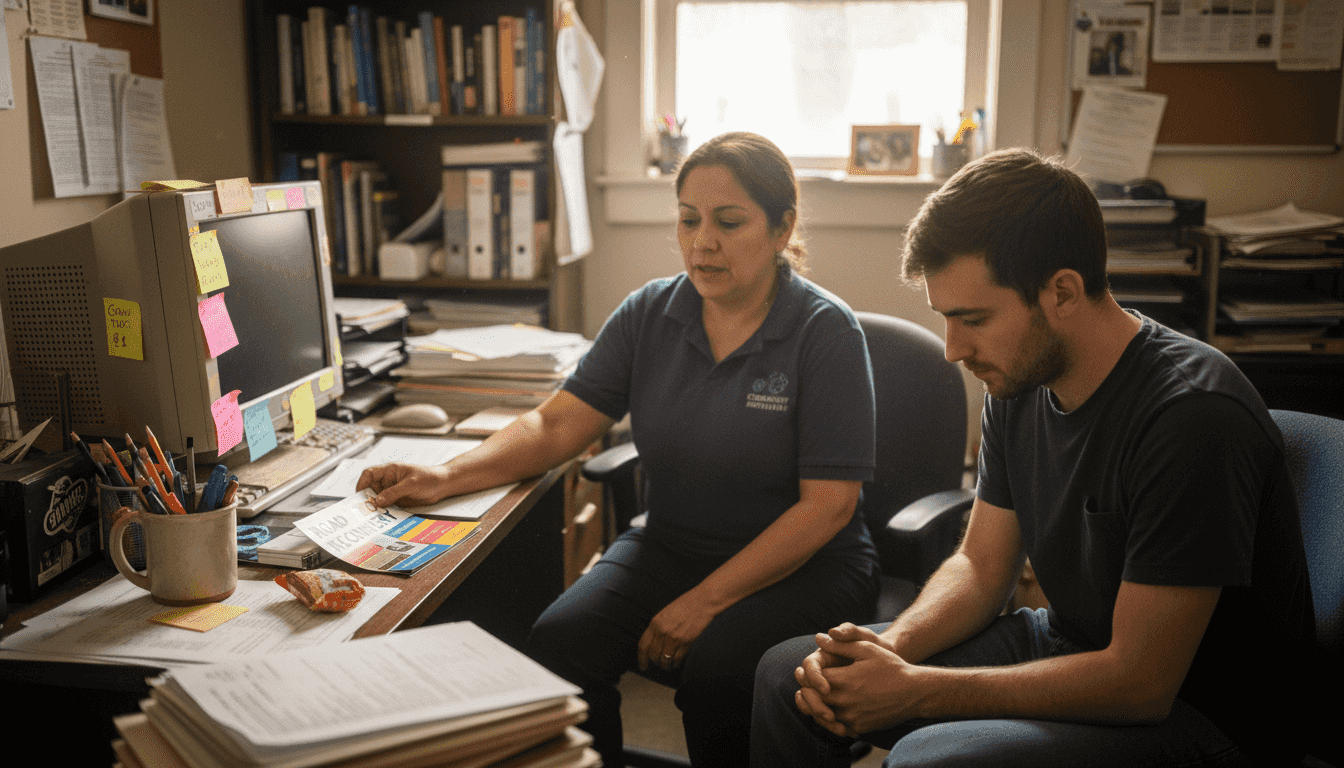
These specialists operate in clinical settings, community health centers, and recovery organizations. Their training ensures they understand trauma-informed approaches, mental health basics, and professional boundaries while maintaining authenticity.
Recovery Community Centers
These are peer-run spaces offering social support, education, and community without clinical focus. Think of them as hubs where people in recovery gather for activities, skill-building, and genuine fellowship.
Many are free or low-cost and operate beyond traditional clinic hours. They bridge the gap between formal treatment and everyday life.
The best peer support model is the one you’ll actually use and that matches where you are in recovery right now.
Pro tip: Try multiple peer support settings before deciding which works best—your ideal model might be one-on-one mentorship plus monthly group meetings, or vice versa, and that’s perfectly fine.
How Peer Relationships Enhance Recovery
Peer relationships do something clinical appointments alone cannot: they prove recovery is real and achievable because someone standing beside you has already done it.
When you’re struggling through early recovery, the isolation can feel unbearable. Peer relationships break that isolation by providing genuine connection with people who understand your specific pain. They’re not judging you—they’ve lived through similar darkness and emerged on the other side.
The Four Ways Peers Transform Recovery
Empathy grounded in lived experience creates trust faster than any therapist credential. Your peer supporter knows what cravings feel like at 3 a.m. They understand the shame, the triggers, the internal battles that clinical notes can’t capture.
Social connection reduces relapse dramatically. Research shows peer relationships lower relapse rates and increase treatment retention. When you feel genuinely belonging to a recovery community, you’re less likely to isolate—the precursor to most relapses.
Hope becomes contagious. Seeing someone further along in recovery living a fulfilling life gives you something to work toward. It’s not false motivation; it’s realistic proof that your future can look different.
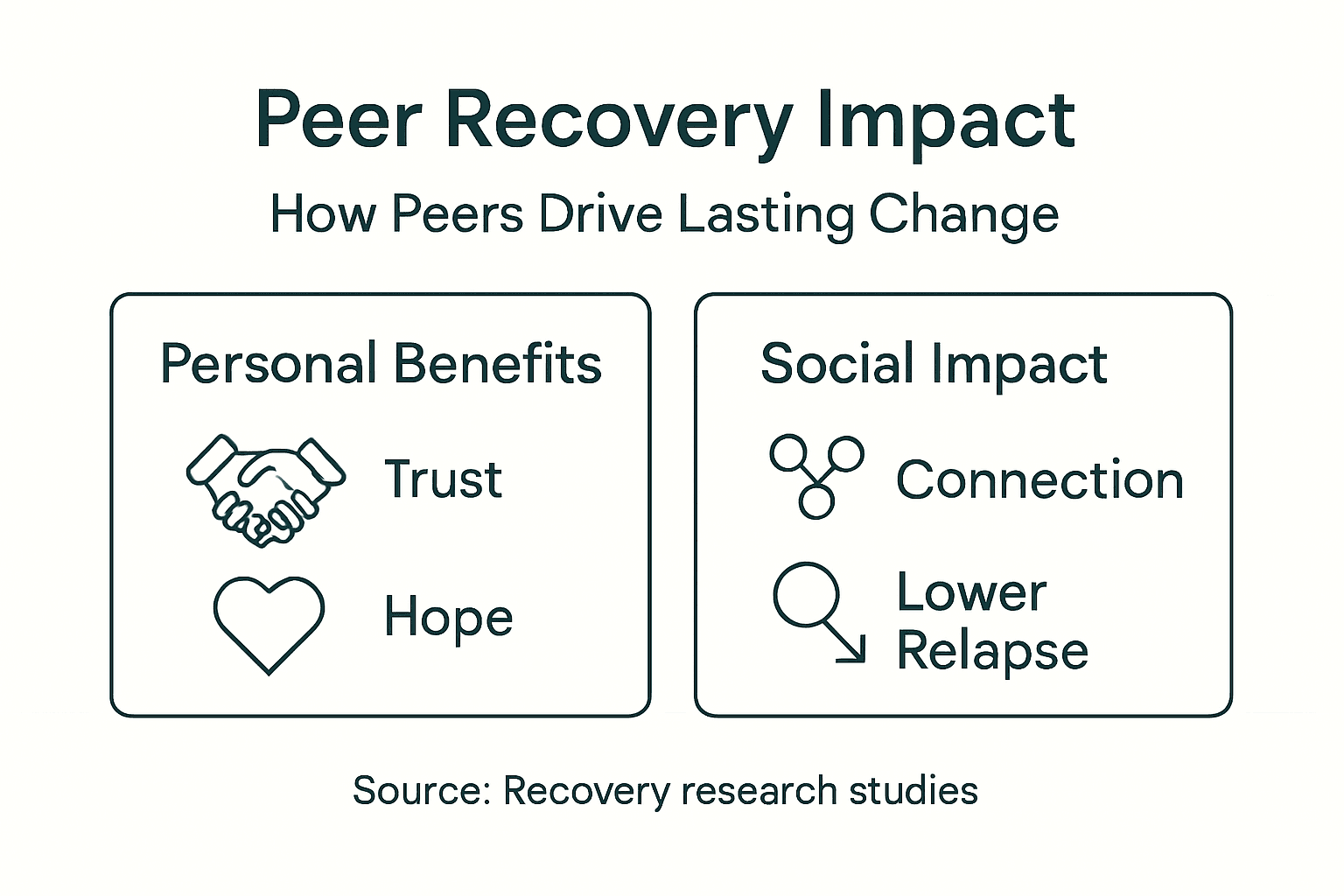
Practical skill-building happens naturally. Peer supporters teach coping strategies, help navigate social situations, and model healthy boundaries—all through conversation rather than worksheets.
Why This Matters for Your Recovery
Peer relationships enhance empowerment and self-direction, helping you reclaim agency over your life. Instead of being told what to do, you’re learning from someone who made their own recovery choices.
In Los Angeles County, where anonymity can feel isolating, peer connections build the belonging that humans need to thrive. You’re no longer fighting alone—you’re part of a community committed to the same goals.
These relationships also bridge the gap between formal treatment and everyday life. Your therapist sees you weekly; your peer supporter is a text away on hard days.
Peer relationships work because they offer something clinical treatment never can: genuine hope from genuine experience.
Many people discover that the friendships formed during recovery become lifelong anchors. These aren’t transactional relationships—they’re authentic connections built on mutual understanding.
Pro tip: Don’t wait until you’re struggling to reach out to your peer network—maintain regular connection during good days so support feels natural when challenges arise.
Qualifications and Best Practices for Peer Mentors
Not everyone who’s in recovery can be an effective peer mentor. The best mentors combine lived experience with training, boundaries, and a genuine commitment to helping others succeed.
A strong peer mentor brings more than personal recovery story. They’ve invested in learning how to support others effectively and ethically.
What Qualifies Someone as a Peer Mentor
Lived recovery experience is the foundation. Your peer mentor has walked the recovery path and understands addiction, relapse triggers, and the emotional landscape of getting sober.
But experience alone isn’t enough. Peer mentor qualifications include specialized training programs and often certification depending on state or organizational standards. This training teaches them how to provide support without crossing into clinical territory.
Core qualifications look like this:
- Sustained personal recovery with demonstrated stability
- Completion of peer support training programs
- Certification or credentials depending on your state
- Understanding of trauma, mental health basics, and ethical boundaries
- Ability to maintain confidentiality and professional relationships
- Cultural competence and respect for diverse backgrounds
At Glendora Recovery Center, peer mentors working alongside your treatment team meet rigorous standards. They’re not just recovered—they’re trained and accountable.
Below is a summary of core qualifications versus best practices for peer mentors:
| Aspect | Qualifications Required | Best Practice Focus |
|---|---|---|
| Experience | Sustained personal recovery | Trauma-informed, empowering |
| Training | Peer mentor programs, certification | Ongoing learning, boundaries |
| Ethics | Confidentiality, professionalism | Collaborative, accountable |
| Cultural Awareness | Respect for diversity | Culturally competent support |
Best Practices That Make Mentors Effective
The best peer mentors practice trauma-informed care, recognizing that many people in recovery have experienced significant trauma. They create safe, non-judgmental spaces where vulnerability is welcomed.
Empowerment-focused mentoring means they help you find your own answers rather than directing your choices. They facilitate goal-setting, skill-building, and community connection while respecting your autonomy.
Effective mentors maintain clear professional boundaries. They’re warm and genuine, but they understand the limits of their role and don’t blur lines between friendship and support.
Key best practices include:
- Using trauma-informed, culturally competent approaches
- Setting clear expectations and boundaries upfront
- Fostering your empowerment and self-direction
- Facilitating community connections and social belonging
- Working collaboratively with your clinical treatment team
- Engaging in ongoing professional development
- Advocating for your needs while respecting your choices
The best peer mentors remember they’re walking beside you, not walking for you.
They understand that recovery is personal. What worked for them might look different for you, and that’s okay. They share experiences as examples, not prescriptions.
Integration with your healthcare team matters too. Good peer mentors communicate with your therapist or counselor to ensure consistent, coordinated support—not conflicting advice.
Pro tip: Ask a potential peer mentor about their training and approach before committing to the relationship—you deserve someone qualified and aligned with your values.
Challenges and Limitations of Peer Support Roles
Peer support is powerful, but it’s not without real constraints. Understanding these challenges helps you appreciate the work peer mentors do and set realistic expectations.
Peer supporters operate in a unique space—they’re neither fully clinical staff nor simply friends. That ambiguity creates genuine difficulties that organizations and individuals must navigate carefully.
The Emotional and Professional Challenges
Peer supporters experience significant emotional labor. They absorb others’ pain, struggles, and crises while managing their own recovery. This intensity can lead to burnout if organizations don’t provide adequate support and boundaries.
Maintaining professional boundaries is genuinely difficult when you’ve shared similar experiences. Your peer mentor might feel tempted to become your best friend, blur confidentiality lines, or take on clinical responsibilities they’re not trained for.
Peer support roles present challenges including role ambiguity when peer tasks overlap with clinical services. It’s unclear who does what, and that confusion can undermine both peer support and clinical treatment.
Common challenges peer mentors face:
- Preventing burnout from emotional intensity and isolation
- Setting healthy boundaries without seeming cold or rejecting
- Navigating what they can and cannot advise on
- Managing dual relationships (recovering themselves while supporting others)
- Dealing with ethical dilemmas around confidentiality
- Avoiding the temptation to provide clinical treatment
Systemic and Organizational Barriers
Beyond individual challenges, the system itself creates limitations. Systemic barriers restrict peer advancement through inadequate funding, lack of standardized training, and the “glass ceiling” effect limiting career progression.
Many peer supporters lack adequate organizational support or supervision. Without clear role definitions and team integration, they struggle to be effective.
Standardized training varies dramatically by state and organization. This inconsistency means the peer mentor in one program might be completely unprepared compared to another.
Systemic limitations include:
- Limited funding for peer support programs
- Lack of career advancement opportunities
- Insufficient ongoing supervision and support
- Stigma peer supporters face despite their credentials
- Role confusion within multidisciplinary teams
- Inconsistent training standards across states
Peer support works best when organizations invest in protecting their peer supporters from burnout and providing clear structure.
When peer mentors lack resources and clarity, they burn out. Then everyone loses—you lose the support, and they lose their recovery stability.
At Glendora Recovery Center, these limitations inform how peer support integrates with your clinical team. Clear communication, defined roles, and professional development help maximize benefits while protecting both clients and peer supporters.
Pro tip: If your peer mentor seems overwhelmed or inconsistent, it’s likely a system issue, not a personal failure—don’t hesitate to involve your clinical team to ensure you’re both getting proper support.
Strengthen Your Recovery with Peer Support at Glendora Recovery Center
Navigating recovery can feel isolating especially in the early stages when you need connection and understanding the most. This article highlights the vital role of peer support as a bridge between clinical treatment and everyday life. At Glendora Recovery Center we recognize that peer relationships built on shared lived experience foster hope, resilience, and lasting motivation. Whether you prefer one-on-one mentorship or group peer support our programs emphasize a trauma-informed person-centered approach that respects your autonomy and empowers your recovery journey.
If you are seeking an upscale facility in Los Angeles County that integrates comprehensive clinical treatment with effective peer support networks explore our programs today. Our skilled team specializes in addiction and co-occurring disorders with flexible scheduling options including mornings evenings weekends and telehealth. Take the next step now to build meaningful peer connections that enhance your treatment by contacting us at Glendora Recovery Center. Learn how our Partial Hospitalization Programs, Intensive Outpatient Programs, and aftercare support can help you sustain recovery and overcome isolation. Start creating your support network with peers who truly understand by reaching out today.
Frequently Asked Questions
What is peer support in rehabilitation?
Peer support in rehabilitation is a voluntary, relationship-based system where individuals with lived recovery experience provide mutual aid to others facing substance use or mental health challenges. Unlike traditional therapy, peer supporters share their experiences to help others navigate their recovery journey.
How does peer support differ from traditional therapy?
Peer support differs from traditional therapy in that it focuses on mutual understanding and shared experiences rather than a hierarchical provider-client relationship. Peer supporters have lived experience and understand the recovery journey, fostering credibility and trust that clinical therapists may not replicate.
What are the benefits of peer support in recovery?
Peer support has been shown to reduce hospitalizations, increase engagement in treatment programs, enhance life satisfaction, and reduce feelings of isolation. It provides genuine connections with others who understand your challenges and can offer practical advice and encouragement.
What types of peer support models are available in recovery settings?
There are several peer support models, including one-on-one peer mentorship, group peer support, certified peer specialists, and recovery community centers. Each model offers different styles and benefits depending on individual needs and preferences.
Recommended
- The Power of Friendship During Alcohol Recovery
- Role of Family in Recovery – Supporting Lasting Change | Glendora Recovery Center
- Role of Support Groups in Recovery Success | Glendora Recovery Center
- Why Ongoing Recovery Matters in Addiction Treatment | Glendora Recovery Center
- Compression Sleeves: An Essential Ally for Your Rehabilitation – KneeSolution