
When a loved one faces a substance use crisis, every second counts. In Los Angeles County, where over 2,400 overdose deaths occurred recently, knowing exactly who to call and what steps to take can mean the difference between tragedy and recovery. This guide provides a clear, actionable emergency response plan tailored specifically for LA County residents, covering preparation, immediate action, and pathways to ongoing care for adults and teens struggling with substance abuse and co-occurring mental health disorders.
Table of Contents
- Understanding substance abuse emergencies in Los Angeles
- Preparation: What you need before an emergency happens
- Step-by-step emergency response: What to do in a substance use crisis
- How these emergency responses work: Pathways to care and what happens next
- Troubleshooting: Barriers and expert tips for effective emergency response
- Next steps: Connect with ongoing support in Los Angeles
- Frequently asked questions
Key Takeaways
| Point | Details |
|---|---|
| Know the right numbers | Keep SASH and DMH helpline numbers saved for fast crisis response anywhere in LA County. |
| Act fast in emergencies | Administer naloxone and call for help immediately when overdose or severe substance reactions occur. |
| Use non-police resources | Crisis lines like DMH/ACR send specialized teams for substance and mental health emergencies without police. |
| Prepare essential info | Have medications, personal health details, and emergency contacts ready to support responders’ work. |
| Long-term support matters | Ongoing treatment and harm reduction improve recovery chances after the initial crisis has passed. |
Understanding substance abuse emergencies in Los Angeles
A substance use emergency includes overdose, severe intoxication, dangerous withdrawal symptoms, suicidal thoughts related to substance use, or drug-induced psychosis. These situations demand immediate, specialized intervention. Los Angeles County’s vast geographic area, diverse population, and high rates of co-occurring mental health disorders create unique challenges that require tailored emergency protocols and helplines.
Recent data shows progress and persistent gaps. Overdose deaths dropped 22% in 2024 to 2,438, the lowest since 2019, with fentanyl-related deaths falling 37% and methamphetamine deaths declining 20%. Despite these improvements, approximately 17.3% of people aged 12 and older have a substance use disorder, yet 95% remain untreated.
Key emergency situations requiring immediate response include:
- Unresponsiveness or difficulty breathing after substance use
- Chest pain, seizures, or extreme confusion
- Severe withdrawal symptoms like hallucinations or tremors
- Suicidal ideation or self-harm behaviors linked to substance use
- Violent or erratic behavior posing danger to self or others
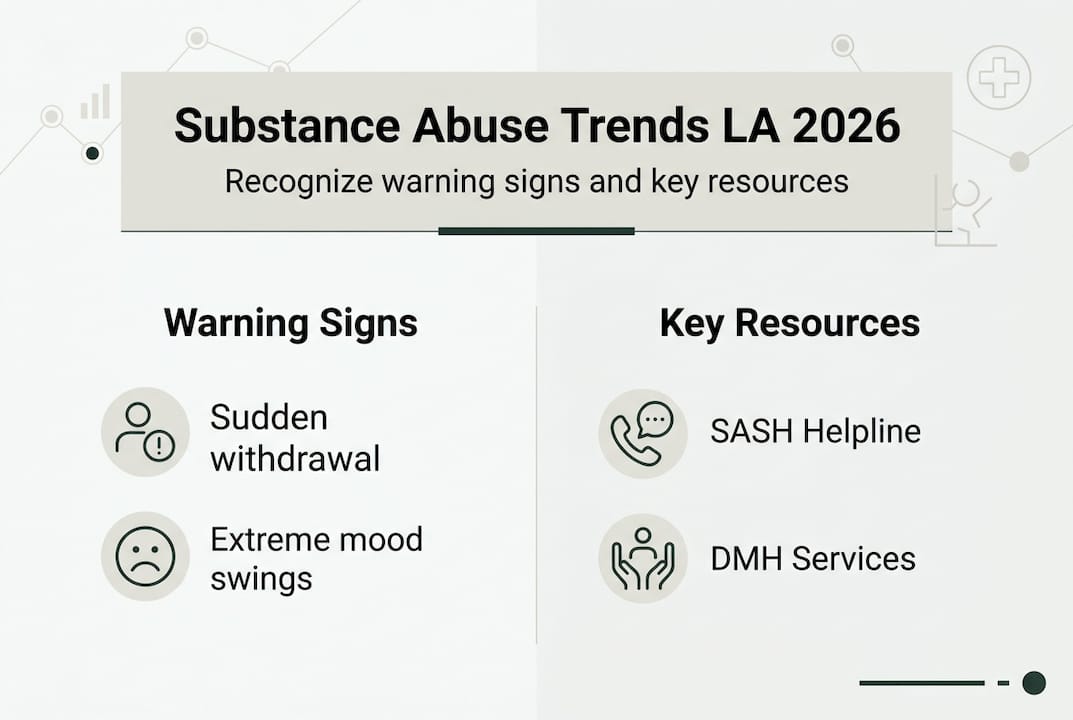
Understanding substance abuse trends in Los Angeles and understanding substance dependence helps you recognize warning signs early. The massive treatment gap means many people experiencing crises have never accessed formal care, making emergency response the critical first connection to recovery services.
Preparation: What you need before an emergency happens
Preparing for a potential substance use emergency dramatically improves outcomes. Having essential resources immediately accessible reduces response time and ensures you can provide responders with vital information.
Pro Tip: Save the Substance Abuse Service Helpline (SASH) at 1-844-804-7500 and the Department of Mental Health (DMH) 24/7 Help Line at 800-854-7771 in your phone contacts right now. Post these numbers on your refrigerator and share them with family members.
Keep these items readily available:
- Photo identification and insurance cards (including Medi-Cal information)
- Complete list of current medications and known allergies
- Emergency contact information for family, friends, and healthcare providers
- Naloxone (Narcan) if available, with instructions for use
- Written record of any previous substance use or mental health treatment
The table below outlines essential LA County emergency resources:
| Resource | Phone Number | Purpose | Availability | Languages | Cost |
|---|---|---|---|---|---|
| Substance Abuse Service Helpline (SASH) | 1-844-804-7500 | Treatment referrals, detox, outpatient, residential for adults and youth | 24/7 | Multiple languages | Free |
| DMH 24/7 Help Line | 800-854-7771 | Crisis support, field teams, co-occurring mental health and substance use | 24/7 | Multiple languages | Free |
| 988 Suicide & Crisis Lifeline | 988 | Mental health crisis, suicidal thoughts | 24/7 | Multiple languages | Free |
| 911 Emergency | 911 | Life-threatening emergencies, violence, weapons | 24/7 | Translation available | Free |
Familiarize yourself with recovery support resources in LA County and review prevention tips for substance abuse to reduce risk. For teens, discuss harm reduction strategies with their pediatrician before a crisis occurs. Visit the official LA County substance abuse page for additional planning resources.
Step-by-step emergency response: What to do in a substance use crisis
When a substance use emergency occurs, follow these clear steps to ensure safety and connect your loved one to appropriate care:
-
Assess immediate safety. Check if the person is breathing and responsive. Move them away from any immediate dangers. If they are unconscious or having seizures, position them on their side to prevent choking.
-
Call the appropriate helpline. For substance use emergencies without violence or weapons, call SASH at 1-844-804-7500 for treatment referrals or the DMH Help Line at 800-854-7771 for crisis support. For co-occurring mental health crises, Alternative Crisis Response (ACR) provides non-police intervention through the same DMH number or 988.
-
Administer naloxone if appropriate. If you suspect opioid overdose and have naloxone available, administer it immediately. Good Samaritan laws protect those who seek help during overdose emergencies. Naloxone reverses opioid effects and is safe even if opioids are not involved.
-
Monitor vital signs continuously. Stay with the person, noting their breathing, consciousness level, and any changes in condition. Keep them awake if possible and talking.
-
Gather critical information. Note what substance(s) were used, how much, when, and any recent unusual behaviors. This information helps responders provide targeted care.
-
Escalate to 911 only when necessary. Call 911 immediately if there is violence, weapons, the person is completely unresponsive, or there is an immediate threat to life that crisis teams cannot address.
When in doubt, administer naloxone and call for help. Delays can cost lives.
Pro Tip: Write down the exact time you discovered the emergency, substances involved, and the person’s condition. This timeline helps medical teams and crisis responders make faster, more accurate treatment decisions.
Understanding when to use each resource is critical. SASH connects you to treatment services and can dispatch mobile crisis teams. The DMH Help Line and 988 provide immediate crisis counseling and can send field intervention teams trained in both mental health and substance use emergencies. Reserve 911 for situations requiring police or paramedics due to violence or life-threatening medical conditions.
Harm reduction principles guide LA County’s emergency response. Responders focus on immediate safety and connection to care without judgment or requiring abstinence. Naloxone availability and training are mandated for treatment providers, and Good Samaritan protections encourage people to seek help without fear of legal consequences.
For ongoing support, explore finding local addiction help and best practices for recovery to understand the full continuum of care available.
How these emergency responses work: Pathways to care and what happens next
Once you contact emergency services, trained professionals triage the situation and connect your loved one to appropriate care. Understanding this process reduces anxiety and helps you advocate effectively.
When you call SASH or the DMH Help Line, specialists assess the severity and type of crisis. They may provide phone-based support, dispatch mobile crisis teams, or arrange immediate transportation to psychiatric urgent care or detoxification services. For co-occurring mental health and substance use issues, ACR teams include mental health clinicians and peer specialists who provide field-based intervention without police involvement.
The table below compares different emergency response options:
| Response Type | When to Use | Response Time | Team Composition | Typical Outcome |
|---|---|---|---|---|
| Police/911 | Violence, weapons, immediate life threat | 5-15 minutes | Police, paramedics | Hospital transport, possible arrest |
| ACR/DMH Teams | Non-violent mental health or substance crisis | 30-90 minutes | Clinicians, peers, sometimes paramedics | Crisis stabilization, treatment referral |
| SASH | Treatment seeking, overdose without violence | Varies | Phone counselors, mobile outreach | Assessment, referral to detox or treatment |
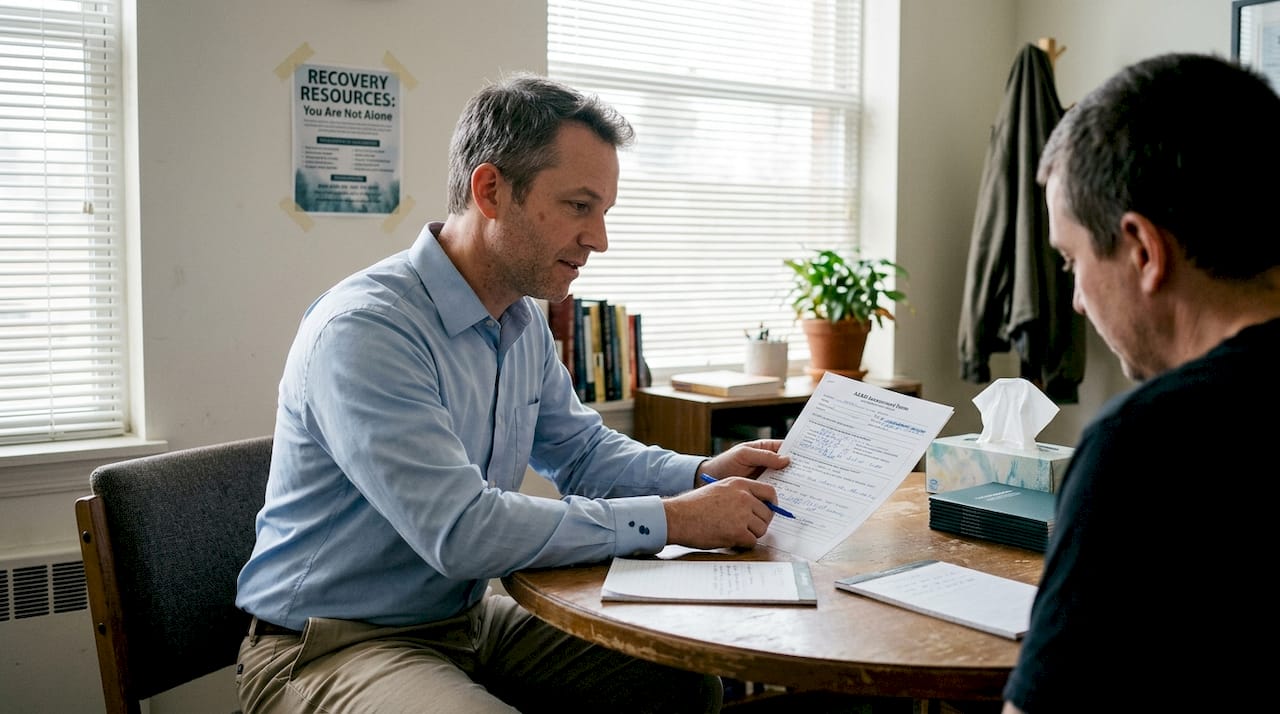
After initial stabilization, your loved one receives a comprehensive assessment using ASAM (American Society of Addiction Medicine) criteria. This evaluation determines the appropriate level of care, from outpatient counseling to residential treatment. Many people begin medication-assisted treatment (MAT) immediately, which significantly improves outcomes.
Recent data shows the impact of expanded intervention and treatment investments, with overdose deaths dropping 22% in 2024 to 2,438. This progress reflects better emergency response coordination and increased access to evidence-based treatment.
Special considerations apply for teens and youth. Adolescent-specific programs address developmental needs and family dynamics. For people with co-occurring mental health disorders, integrated treatment addresses both conditions simultaneously, improving long-term recovery rates.
After care is initiated, ask these important questions:
- What level of care is recommended and why?
- How quickly can treatment begin?
- What insurance or Medi-Cal coverage applies?
- Are there youth-specific or dual diagnosis programs available?
- What family involvement is expected or encouraged?
- What happens if my loved one refuses treatment?
Explore choosing the right detox center and sober living programs to understand next steps. Addressing treatment gaps for youth requires persistent advocacy and specialized resources.
Troubleshooting: Barriers and expert tips for effective emergency response
Even with preparation, you may encounter obstacles when seeking emergency help. Understanding common barriers and how to overcome them ensures your loved one receives timely, appropriate care.
Stigma and fear of legal consequences prevent many people from calling for help during substance use emergencies. Good Samaritan laws protect individuals who seek emergency assistance, and LA County’s harm reduction approach prioritizes health over punishment. Crisis responders focus on safety and treatment connection, not law enforcement, unless violence or weapons are involved.
Insurance and coverage confusion creates another barrier. Medi-Cal covers comprehensive substance use disorder treatment, including emergency services, detoxification, and ongoing care. SASH navigators help determine eligibility and connect people to covered services regardless of insurance status.
The Reaching the 95 initiative specifically targets the 95% of people with substance use disorders who remain untreated. This program uses low-barrier entry, harm reduction principles, field-based services, and expanded medication-assisted treatment to engage people who have avoided traditional treatment systems.
Pro Tip: If your loved one was recently released from jail or prison, request a naloxone kit and immediate support services. The post-incarceration period carries the highest risk for fatal overdose due to reduced tolerance.
For teens and young adults, treatment access remains extremely limited, with only 0.5% of adolescents with substance use disorders receiving treatment. Youth-specific programs, early intervention services, and family-based approaches improve engagement. The R95 initiative removes traditional barriers like abstinence requirements that particularly discourage young people from seeking help.
When standard resources are insufficient, consider these escalation options:
- Request Assisted Outpatient Treatment (AOT) for severe co-occurring mental health conditions
- Ask about intensive case management and wraparound services
- Seek peer support and family therapy to address resistance
- Explore court-ordered treatment if voluntary engagement fails
- Contact specialized youth programs through schools or community centers
If your loved one refuses help initially, continue offering support without judgment. Many people require multiple attempts before accepting treatment. Keep emergency numbers accessible, maintain open communication, and celebrate small steps toward recovery.
Learn more about prevention strategies for teens and adults to reduce future crisis risk and build protective factors.
Next steps: Connect with ongoing support in Los Angeles
Emergency response is just the beginning of the recovery journey. Connecting to comprehensive, ongoing care ensures lasting change and reduces the risk of future crises.
Glendora Recovery Center specializes in helping Los Angeles County residents transition from crisis to sustained recovery. Our upscale facility in Glendora offers individualized treatment for adults and teens struggling with substance abuse and co-occurring mental health disorders. We provide Partial Hospitalization Programs, Intensive Outpatient Programs, and aftercare support with flexible scheduling including morning, evening, weekend, and telehealth sessions.
Our experienced staff uses evidence-based approaches combined with compassionate, harm-reduction principles. We understand that recovery looks different for everyone, and we tailor treatment plans to your unique needs, circumstances, and goals. Whether you are seeking help for yourself, a family member, or a teen, we offer specialized programs that address the whole person.
Explore our comprehensive treatment center options to find the right level of care. Learn about specific addiction treatment options and our integrated mental health treatment services for co-occurring disorders.
Recovery is possible, and you don’t have to navigate this journey alone. Contact Glendora Recovery Center today to speak with a compassionate specialist who can help you take the next step toward healing and hope.
Frequently asked questions
What number should I call for a substance use emergency in Los Angeles County?
Call the Substance Abuse Service Helpline (SASH) at 1-844-804-7500 for treatment referrals and detox services, or the DMH 24/7 Help Line at 800-854-7771 for crisis support including co-occurring mental health and substance use emergencies.
When do I call 911 versus a crisis or substance use helpline?
Call 911 only when there is immediate threat to life, violence, weapons, or complete unresponsiveness. Use SASH, DMH, or 988 for non-violent substance use or mental health crises where specialized crisis teams can provide more appropriate intervention.
What should I do while waiting for help to arrive during a substance use emergency?
Monitor the person closely, administer naloxone if warranted, keep them on their side if unconscious, and gather information about substances used and recent medical history to share with responders.
How do I get help for a teen with a suspected substance use disorder?
Request youth-specific programs when calling SASH or DMH, and consult your teen’s primary care provider about early intervention options tailored to adolescent developmental needs and family involvement.
Recommended
- Substance abuse trends 2025: insights for Los Angeles | Glendora Recovery Center
- Understanding substance dependence in Los Angeles 2026 | Glendora Recovery Center
- 7 Essential Recovery Support Resources for Los Angeles Residents | Glendora Recovery Center
- 10 proven substance abuse prevention tips for LA youth & adults | Glendora Recovery Center