
Every day, more than one in ten American teenagers faces challenges with substance use or mental health struggles. For parents in Los Angeles, finding the right addiction treatment feels urgent when adolescent wellbeing is on the line. Understanding what sets adolescent care apart can help families make informed choices, as specialized programs offer hope for healthier futures rooted in evidence and compassion.
Table of Contents
- Defining Adolescent Addiction Treatment
- Types Of Programs For Teens In Los Angeles
- Key Elements Of Effective Adolescent Care
- Role Of Family And Dual Diagnosis Support
- Risks, Legal Issues, And Program Alternatives
Key Takeaways
| Point | Details |
|---|---|
| Adolescent Addiction Treatment | This treatment addresses substance use disorders in youth aged 12 to 18, focusing on their unique developmental needs and challenges. |
| Types of Programs | Los Angeles offers various treatment options, including Outpatient Programs, Intensive Outpatient Programs, and Residential Treatment, catering to different severity levels. |
| Importance of Family Involvement | Engaging family members in treatment is crucial for uncovering underlying issues and improving recovery outcomes for adolescents. |
| Legal and Ethical Considerations | Understanding legal frameworks in adolescent treatment is essential for balancing care needs with youth rights and ensuring proper interventions. |
Defining adolescent addiction treatment
Adolescent addiction treatment represents a specialized, developmentally responsive approach to addressing substance use disorders in young people aged 12 to 18. Unlike adult treatment models, these interventions recognize the unique neurological, psychological, and social factors that distinguish teenage substance abuse from adult addiction patterns.
The core philosophy of adolescent addiction treatment centers on comprehensive, multidimensional care that addresses not just substance use, but underlying mental health challenges, family dynamics, academic performance, and social development. Treatment programs typically incorporate evidence-based strategies such as cognitive behavioral therapy, family counseling, group therapy, and educational support designed specifically for teenagers. These interventions aim to interrupt addiction cycles early, prevent long-term substance dependency, and support healthy psychological development.
Key components of effective adolescent addiction treatment include age-specific screening tools, individualized treatment plans, trauma-informed care, and integrated mental health support. Developmental research highlights that teenage brains remain highly neuroplastic, making early intervention crucial for preventing lasting neurological and behavioral consequences. Treatment professionals must understand adolescent developmental stages to design interventions that address underlying emotional, social, and psychological needs rather than simply managing symptoms.
Pro Tip: When seeking addiction treatment for a teenager, prioritize programs with specialized adolescent tracks that offer comprehensive support beyond substance abuse intervention.
Types of programs for teens in Los Angeles
Los Angeles offers a comprehensive range of adolescent addiction treatment programs designed to address the complex needs of teenagers struggling with substance use disorders. The Los Angeles County network provides approximately 40 Drug Medi-Cal (DMC) certified treatment locations, ensuring accessible and specialized care for young people across the region.
The primary types of adolescent addiction treatment programs in Los Angeles include Outpatient Programs, Intensive Outpatient Programs (IOP), and Residential Treatment. Outpatient programs typically offer flexible scheduling, allowing teenagers to continue attending school and maintaining family connections while receiving treatment. Intensive Outpatient Programs provide more structured support, with multiple therapy sessions per week that address substance use, mental health, and behavioral challenges. These programs often include individual counseling, group therapy, family therapy, and educational support to create a holistic approach to recovery.
Residential treatment represents the most comprehensive intervention for teenagers with severe substance use disorders or complex mental health needs. These programs provide 24-hour supervised care, creating a controlled environment that removes external triggers and offers immersive therapeutic experiences. In Los Angeles, residential programs often integrate academic support, life skills training, recreational therapy, and individualized treatment plans that address the unique developmental challenges faced by teenagers struggling with addiction.
Pro Tip: When exploring teen addiction treatment options in Los Angeles, prioritize programs that offer integrated mental health support and family involvement to maximize long-term recovery potential.
Here is a comparison of adolescent addiction treatment program types available in Los Angeles:
| Program Type | Level of Support | Typical Duration | Suitability for Severity |
|---|---|---|---|
| Outpatient Program | Low, flexible care | Few hours per week | Mild to moderate cases |
| Intensive Outpatient | Moderate, structured | Multiple sessions/wk | Moderate to severe |
| Residential Treatment | High, 24/7 supervision | Weeks to months | Severe or complex cases |
Key elements of effective adolescent care
Comprehensive adolescent addiction treatment requires a multidimensional approach that addresses the unique developmental needs of teenagers. This approach goes beyond traditional substance abuse intervention, integrating mental health support, family dynamics, educational considerations, and individualized therapeutic strategies.

Key evidence-based treatment elements include Motivational Interviewing, Cognitive Behavioral Therapy (CBT), and Family-Based Interventions. These approaches recognize that teenage substance use is often symptomatic of deeper psychological challenges. Motivational interviewing helps teenagers explore their own motivations for change, while CBT provides critical skills for managing triggers, emotional regulation, and developing healthier coping mechanisms. Family therapy is particularly crucial, as it addresses systemic issues, improves communication, and creates a supportive recovery environment.
Effective adolescent care also demands a holistic, multidisciplinary approach. This means creating integrated treatment plans that coordinate medical professionals, therapists, educators, and family support systems. Comprehensive guidelines emphasize the importance of tailoring therapeutic approaches to each adolescent’s specific developmental stage and individual needs. Treatment professionals must remain flexible, continuously reassessing and adapting interventions to ensure they remain responsive to the teenager’s evolving psychological and emotional landscape.
Pro Tip: Request a comprehensive family assessment during teen addiction treatment to understand underlying dynamics and create a more effective, personalized recovery strategy.
Below is a summary of integrated approaches that enhance effective adolescent addiction care:
| Approach | Role in Treatment | Typical Team Members |
|---|---|---|
| Multidisciplinary Coordination | Addresses diverse teen needs | Therapists, doctors, teachers |
| Family Integration | Improves home support and outcomes | Parents, siblings, clinicians |
| Individualized Plans | Tailored strategies for each teen | Case managers, counselors |
Role of family and dual diagnosis support
Family involvement represents a critical cornerstone in effective adolescent addiction treatment, transforming the recovery process from an isolated intervention to a comprehensive healing journey. Recognizing that substance use disorders rarely exist in isolation, treatment approaches must address the intricate connections between individual struggles, family dynamics, and underlying mental health challenges.
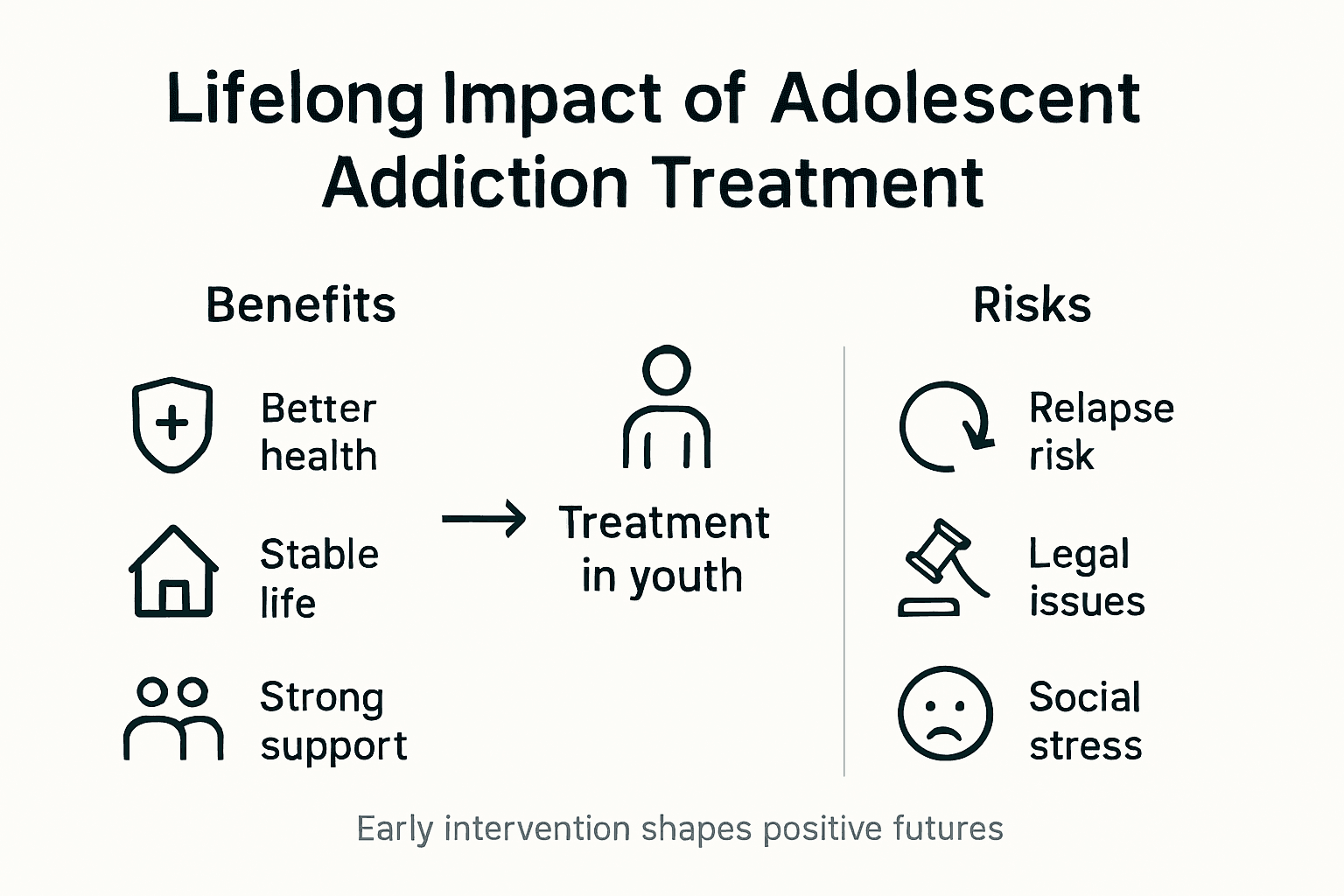
Dual diagnosis treatment emerges as a particularly important strategy for teenagers struggling with co-occurring mental health and substance use disorders. Conditions like depression, anxiety, trauma, and attention deficit disorders frequently intersect with addiction, creating complex psychological landscapes that require nuanced, integrated therapeutic approaches. Comprehensive treatment must simultaneously address both the substance use and the underlying mental health condition, using evidence-based interventions such as cognitive behavioral therapy, medication management, and targeted counseling.
Family therapy frameworks provide essential mechanisms for understanding and addressing the systemic nature of adolescent addiction. By engaging parents, siblings, and extended family members in the treatment process, clinicians can uncover root causes, improve communication patterns, and create supportive home environments that facilitate long-term recovery. This approach recognizes that addiction is not just an individual’s challenge, but a family system dynamic that requires collective healing and understanding.
Pro Tip: Request a comprehensive family assessment that explores generational patterns, communication styles, and potential trauma histories to develop a more holistic addiction recovery strategy.
Risks, legal issues, and program alternatives
Adolescent addiction treatment involves complex legal and ethical considerations that extend far beyond traditional medical interventions. Ethical frameworks demand rigorous protections for vulnerable youth, balancing treatment needs with individual autonomy and consent, ensuring that interventions are both legally sound and developmentally appropriate.
Alternative sentencing and diversion programs emerge as critical pathways for addressing adolescent substance use without imposing overly punitive legal consequences. These approaches recognize that traditional criminal justice models often fail to address the underlying psychological and social factors driving teenage addiction. Alternatives might include mandated treatment programs, community service, educational workshops, and rehabilitative interventions that focus on healing rather than punishment. Such approaches aim to interrupt potential long-term legal consequences while providing structured support for recovery.
Navigating the legal landscape of adolescent addiction treatment requires understanding multiple stakeholder perspectives. Parents, medical professionals, legal authorities, and the teenagers themselves must collaborate to create interventions that respect individual rights, ensure safety, and promote sustainable recovery. This often involves complex negotiations around medical confidentiality, informed consent, and the delicate balance between mandatory reporting requirements and therapeutic trust. Treatment providers must carefully design programs that provide comprehensive support while maintaining legal and ethical standards.
Pro Tip: Consult with legal professionals specializing in adolescent healthcare to understand your specific rights and potential alternative treatment pathways before making treatment decisions.
Support Your Teen’s Journey to Lasting Recovery
Adolescent addiction treatment requires specialized care that goes beyond managing symptoms. As highlighted in the article, addressing dual diagnosis, family dynamics, and developmental needs is essential to prevent long-term impact. At Glendora Recovery Center, we understand the unique challenges your teenager faces including co-occurring mental health issues and the importance of family involvement in healing. Our tailored programs use evidence-based approaches like cognitive behavioral therapy and family therapy to create a comprehensive recovery plan.
Don’t wait to provide the compassionate, integrated support your teen deserves. Explore our flexible options including Partial Hospitalization Programs and Intensive Outpatient Programs designed to fit your family’s schedule. Take the first step toward a healthier future by reaching out today through our Contact Us page. Let our experienced team guide your adolescent through a personalized path to wellness so lasting change can begin now.
Frequently Asked Questions
What is adolescent addiction treatment?
Adolescent addiction treatment refers to specialized programs and interventions aimed at helping young people aged 12 to 18 who are struggling with substance use disorders. These treatments consider the unique neurological, psychological, and social factors affecting teenagers.
How do outpatient programs differ from residential treatment for adolescents?
Outpatient programs offer flexible care with fewer hours per week, allowing teenagers to maintain their daily routines. In contrast, residential treatment provides 24/7 supervision in a controlled environment, making it suitable for individuals with severe substance use disorders or complex mental health needs.
Why is family involvement important in adolescent addiction treatment?
Family involvement is crucial as it transforms the recovery process into a collective healing journey, addressing underlying family dynamics and improving communication, which enhances the effectiveness of treatment and promotes a supportive environment for recovery.
What role does dual diagnosis treatment play in adolescent addiction?
Dual diagnosis treatment is essential for teenagers dealing with co-occurring mental health conditions and substance use disorders. It integrates evidence-based interventions that address both issues simultaneously, ensuring a comprehensive and tailored approach to recovery.