
Facing addiction or co-occurring disorders often means feeling lost and unsure about where real change can begin. Therapy offers a lifeline, guiding individuals in Los Angeles County to confront substance abuse while building new coping skills and understanding personal triggers. By combining behavioral therapies, group sessions, and holistic practices, therapy becomes the core of effective recovery, offering structured support and empowering growth no matter where you are on your healing journey.
Table of Contents
- Therapy’s Role in Addiction Recovery
- Key Types of Recovery Therapy Explained
- How Therapy Supports Mental Health Needs
- Benefits of Individualized and Family Therapy
- Challenges and Misconceptions in Seeking Treatment
- Therapy Versus Other Recovery Approaches
Key Takeaways
| Point | Details |
|---|---|
| Role of Therapy | Therapy is essential in addiction recovery, helping individuals identify triggers and develop coping strategies. |
| Types of Therapy | Various therapeutic approaches, such as CBT and DBT, address different psychological challenges associated with addiction. |
| Group Therapy Benefits | Group therapy fosters community support, reducing isolation and enhancing the recovery experience through shared insights. |
| Myth Busting | Overcoming misconceptions about addiction as a moral failing can encourage individuals to seek necessary treatment without stigma. |
Therapy’s Role in Addiction Recovery
Addiction recovery represents a complex journey where therapy emerges as a critical transformative tool for healing and rehabilitation. Research-based treatment methods demonstrate that therapeutic interventions can effectively counteract the profound neurological and behavioral disruptions caused by substance use disorders.
Therapy serves multiple essential functions in addiction recovery, providing individuals with structured pathways to understanding, managing, and ultimately overcoming their challenges. The primary objectives of therapeutic intervention include:
- Identifying underlying psychological triggers
- Developing personalized coping strategies
- Building emotional resilience
- Addressing co-occurring mental health conditions
- Reconstructing healthy behavioral patterns
Behavioral therapies play a particularly significant role in helping individuals comprehend the root causes of their addiction. Cognitive Behavioral Therapy (CBT) and Dialectical Behavior Therapy (DBT) are especially powerful, enabling patients to recognize destructive thought patterns and replace them with healthier, more constructive approaches to managing stress and emotional challenges.
Group therapy offers another critical dimension of recovery, creating supportive environments where individuals can share experiences, learn from peers, and reduce the isolation often associated with addiction. Substance use disorder treatments frequently incorporate multiple therapeutic modalities to provide comprehensive support.
Pro tip: Approach therapy as a collaborative journey of self-discovery, where vulnerability becomes your greatest strength in creating lasting transformation.
Key Types of Recovery Therapy Explained
Substance abuse treatment encompasses diverse therapeutic approaches designed to address the complex psychological and behavioral challenges of addiction. Group therapy models provide structured environments that support individuals through different stages of recovery, offering multiple pathways to healing.
The primary types of recovery therapy include:
- Cognitive Behavioral Therapy (CBT): Focuses on identifying and changing negative thought patterns
- Dialectical Behavior Therapy (DBT): Helps manage emotional regulation and interpersonal relationships
- Motivational Interviewing: Enhances personal motivation for behavioral change
- Trauma-Informed Therapy: Addresses underlying traumatic experiences contributing to addiction
- Family Systems Therapy: Involves family members in the recovery process
Beyond traditional therapeutic models, complementary mind-body practices like meditation, yoga, and acupuncture can provide additional support during recovery. These holistic approaches help individuals develop stress management skills, improve emotional well-being, and create comprehensive healing strategies.
Here’s a comparison of key recovery therapy types and the core issues each addresses:
| Therapy Type | Primary Focus | Suited For Individuals Who: | Distinctive Benefit |
|---|---|---|---|
| Cognitive Behavioral Therapy | Thought management | Struggle with negative self-talk | Improves problem-solving skills |
| Dialectical Behavior Therapy | Emotional regulation | Experience intense mood swings | Boosts resilience in relationships |
| Motivational Interviewing | Behavior change | Are ambivalent about recovery | Enhances commitment to change |
| Trauma-Informed Therapy | Trauma processing | Have a history of trauma | Provides safer healing environment |
| Family Systems Therapy | Family dynamics | Need family engagement in recovery | Builds lasting support networks |
Group therapy emerges as a particularly powerful intervention, creating supportive communities where individuals can share experiences, learn from peers, and reduce the isolation often associated with addiction. By normalizing recovery experiences and providing mutual support, these therapeutic settings become crucial transformation spaces.
Pro tip: Approach therapy as a personalized journey, remaining open to exploring multiple treatment modalities that resonate with your unique recovery path.
How Therapy Supports Mental Health Needs
Addressing mental health within addiction recovery requires a comprehensive and nuanced approach that recognizes the intricate connections between psychological well-being and substance use. Family therapy combined with individual treatment can significantly improve mental health outcomes by providing holistic support and addressing underlying emotional challenges.
Key ways therapy supports mental health include:
- Identifying and processing underlying emotional trauma
- Developing healthy emotional regulation strategies
- Building resilience and coping mechanisms
- Addressing co-occurring mental health disorders
- Rebuilding damaged interpersonal relationships
- Creating personalized stress management techniques
Therapeutic interventions work to unravel the complex psychological patterns that contribute to addiction. Cognitive restructuring helps individuals recognize and challenge negative thought patterns, while emotional intelligence training equips them with tools to manage triggers and emotional volatility more effectively.

Recovery support systems integrate clinical treatment with peer and family support, creating a comprehensive approach to mental health healing. By addressing psychological vulnerabilities and providing structured emotional support, therapy becomes a transformative tool for sustainable recovery and personal growth.
Pro tip: Embrace therapy as a collaborative journey of self-discovery, approaching each session with openness and a commitment to personal growth.
Benefits of Individualized and Family Therapy
Individual and family therapy represents a powerful dual approach in addiction recovery, addressing both personal challenges and broader relational dynamics. Family therapy in substance use treatment offers a comprehensive strategy that enhances client engagement and supports sustainable recovery by understanding complex family interactions.
Key benefits of individualized and family therapy include:
- Personalized treatment addressing unique psychological needs
- Improved communication within family systems
- Reduced risk of treatment dropout
- Enhanced motivation for sustained recovery
- Healing of interpersonal relationship wounds
- Development of shared support strategies
Individualized therapy provides targeted interventions that explore personal triggers, emotional patterns, and underlying psychological factors contributing to substance use. Cognitive restructuring and trauma-informed approaches help clients develop deeper self-understanding and more adaptive coping mechanisms.
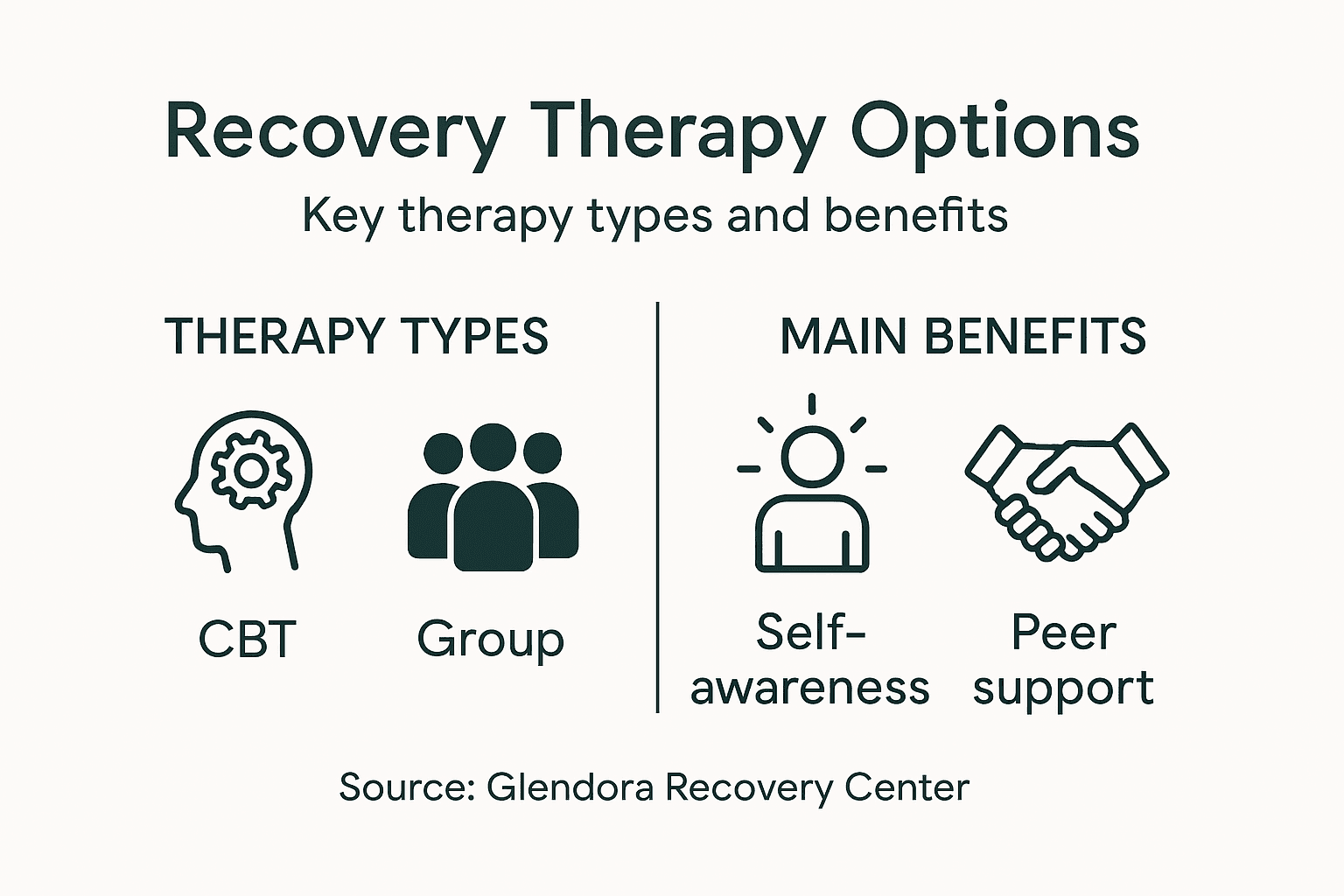
Tailored therapy approaches recognize that recovery is not a one-size-fits-all process. By integrating individual therapeutic work with family involvement, treatment becomes more holistic, addressing both personal healing and systemic relationship dynamics that influence addiction and recovery.
Pro tip: Approach therapy as a collaborative journey, involving trusted family members while maintaining personal boundaries and individual growth.
Challenges and Misconceptions in Seeking Treatment
Navigating the path to addiction recovery is often complicated by deep-rooted societal misconceptions and personal fears. Treatment challenges include persistent stigma that prevents many individuals from seeking the help they critically need, perpetuating a cycle of suffering and isolation.
Common misconceptions that block treatment engagement include:
- Believing addiction is a moral failure rather than a medical condition
- Thinking willpower alone can overcome substance use disorders
- Fearing social judgment and professional repercussions
- Misunderstanding the effectiveness of professional treatment
- Worrying about privacy and confidentiality
- Feeling overwhelming shame about seeking help
Stigma represents the most significant barrier to recovery, creating psychological walls that prevent individuals from acknowledging their struggles and pursuing professional support. These deeply internalized beliefs often stem from societal narratives that mischaracterize addiction as a personal weakness rather than a complex health condition requiring compassionate, professional intervention.
Treatment barriers emerge from misconceptions about addiction’s nature and treatability. By educating communities and individuals about the scientific understanding of substance use disorders, we can gradually dismantle these harmful stereotypes and create more supportive, understanding environments that encourage seeking help.
Pro tip: Remember that seeking treatment is an act of courage, not weakness, and represents the first critical step toward reclaiming your life and health.
Therapy Versus Other Recovery Approaches
Recovery is a multifaceted journey that extends far beyond traditional therapeutic interventions. Recovery involves multiple pathways tailored to individual needs, recognizing that no single approach works universally for every person struggling with substance use disorders.
The table below summarizes how therapy-based recovery compares to peer and community-led approaches:
| Approach | Main Strength | Typical Challenge | Context Where Most Effective |
|---|---|---|---|
| Clinical Therapy | Structured intervention | Requires professional trust | Complex co-occurring conditions |
| Peer Support Groups | Inspires empathy | Limited individual focus | Building connection, sharing stories |
| Medication-Assisted | Reduces withdrawal | Side effects, ongoing meds | Severe physical dependency |
| Community Wellness | Holistic well-being | Less evidence-based | Early recovery, sustaining progress |
Different recovery approaches include:
- Professional clinical therapy
- Peer support groups
- Medication-assisted treatment
- Faith-based recovery programs
- Self-directed strategies
- Holistic wellness practices
- Community-based support networks
Therapeutic approaches provide structured clinical support that addresses underlying psychological patterns, while alternative methods focus on personal empowerment, spiritual growth, and community connection. Each pathway offers unique benefits, with the most successful recovery strategies often integrating multiple approaches to create a comprehensive healing experience.
Recovery pathways emphasize individual personalization rather than adopting a one-size-fits-all solution. This means individuals can explore and combine different methods – from professional counseling to peer support groups – creating a customized recovery strategy that resonates with their personal experiences, cultural background, and healing goals.
Pro tip: Approach recovery as a personal journey of exploration, remaining open to trying different strategies and understanding that healing is a dynamic, evolving process.
Discover How Therapy Can Transform Your Recovery Journey in Los Angeles
The article highlights the crucial role therapy plays in overcoming addiction by addressing underlying psychological triggers, building emotional resilience, and repairing family dynamics. If you are facing challenges such as negative thought patterns, emotional regulation struggles, or the impact of trauma, you deserve individualized care that treats the whole person. Therapy is not just about managing symptoms; it is about creating lasting change and rebuilding your life with compassion and professional support.
At Glendora Recovery Center, we specialize in tailored addiction treatment and mental health services designed to meet your unique needs. Our experienced team offers flexible therapy options including individual, family, and group sessions through Partial Hospitalization and Intensive Outpatient Programs. Start your healing today by connecting with experts who understand that recovery is a collaborative journey. Take the first courageous step and contact us to learn about our comprehensive programs or schedule a consultation through our telehealth services. Your path to transformation begins now.
Frequently Asked Questions
What is the role of therapy in addiction recovery?
Therapy serves as a transformative tool in addiction recovery, helping individuals understand and manage their challenges by addressing underlying psychological triggers, developing coping strategies, and building emotional resilience.
What are the most common types of therapy used in addiction recovery?
Common types of therapy include Cognitive Behavioral Therapy (CBT), Dialectical Behavior Therapy (DBT), Motivational Interviewing, Trauma-Informed Therapy, and Family Systems Therapy, each addressing different aspects of addiction.
How does therapy support mental health in recovery?
Therapy supports mental health by identifying and processing trauma, developing emotional regulation strategies, addressing co-occurring mental health disorders, and rebuilding interpersonal relationships, creating a comprehensive approach to healing.
What challenges might someone face when seeking therapy for addiction recovery?
Common challenges include stigma surrounding addiction, misconceptions about treatment effectiveness, feelings of shame, and concerns about privacy, which can prevent individuals from seeking the help they need.
Recommended
- 7 Essential Recovery Strategies for Adults in Los Angeles | Glendora Recovery Center
- 7 Best Practices for Addiction Recovery in Los Angeles County | Glendora Recovery Center
- Family Therapy Workflow Addiction: Effective Steps for Recovery | Glendora Recovery Center
- Group Therapy Explained: Healing Together in Recovery | Glendora Recovery Center
- Rehabilitative Medicine Explained: Restoring Function in Ottawa