
The journey to lasting recovery in Los Angeles County can feel overwhelming when cravings, withdrawal symptoms, and uncertainty seem to stand in the way. For many adults working hard to reclaim their lives, understanding Medication-Assisted Treatment brings hope and clarity. Combining FDA-approved medications with professional counseling, this approach offers tools to normalize brain chemistry, manage cravings, and support real healing, helping you discover a path grounded in research and individualized care.
Table of Contents
- What Medication-Assisted Treatment Involves
- Approved Medications For Addiction Recovery
- Benefits And Limits Of Medication Use
- Risks, Side Effects, And Safety Concerns
- Innovations And New Medication Approaches
- Common Misconceptions About Medication In Recovery
Key Takeaways
| Point | Details |
|---|---|
| Comprehensive Approach | Medication-Assisted Treatment combines FDA-approved medications and behavioral therapies for effective management of substance use disorders. |
| Personalization | Treatment plans are tailored to each individual, integrating medications with counseling to address unique recovery needs. |
| Integral Role of Medications | Medications such as Methadone, Buprenorphine, and Naltrexone play crucial roles in stabilizing brain chemistry and reducing cravings. |
| Ongoing Support Required | Continuous medical supervision is essential to manage side effects and ensure the effectiveness of the treatment plan. |
What Medication-Assisted Treatment Involves
Medication-Assisted Treatment (MAT) represents a comprehensive approach to addressing substance use disorders by combining specialized medications with behavioral therapies. The goal is not just managing symptoms but creating a holistic pathway toward sustainable recovery.
At its core, MAT involves using FDA-approved medications to normalize brain chemistry and reduce cravings. This evidence-based strategy helps individuals struggling with addiction by:
- Stabilizing brain neurotransmitter functions
- Reducing physical withdrawal symptoms
- Blocking euphoric effects of substances
- Decreasing potential for relapse
- Supporting long-term behavioral changes
The treatment is highly personalized, recognizing that addiction affects individuals differently. Clinically driven treatment plans integrate medication with counseling services to address both physical and psychological aspects of substance dependence.
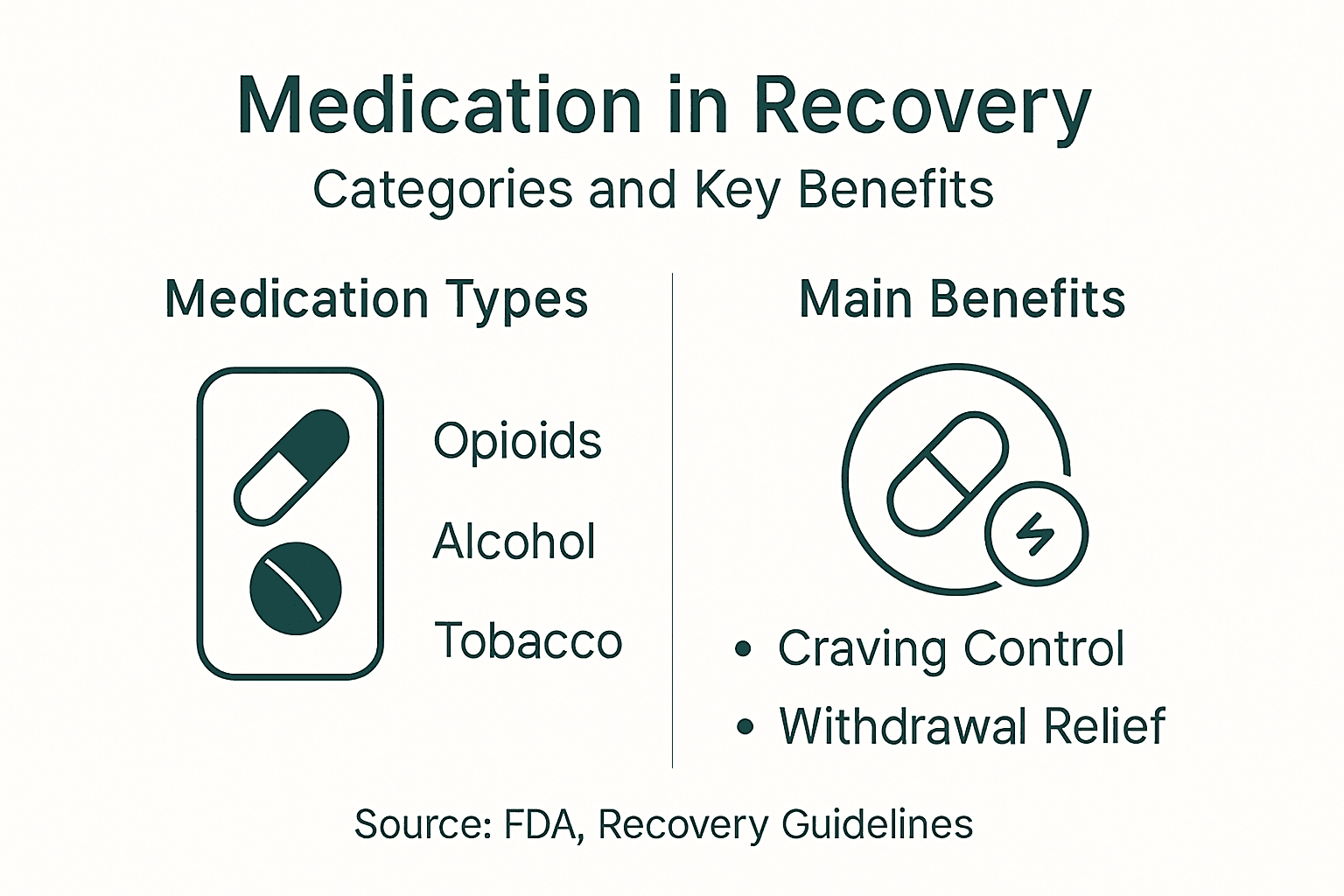
Medication-Assisted Treatment typically involves three primary medication categories: those for opioid addiction, alcohol use disorder, and nicotine dependence. Each category targets specific neurological mechanisms to support recovery. The medications work by either blocking substance receptors, reducing cravings, or mitigating withdrawal symptoms.
Pro tip: Always consult addiction specialists who can design a personalized MAT plan tailored to your specific medical history and recovery goals.
Approved Medications for Addiction Recovery
Medication-Assisted Treatment (MAT) relies on several FDA-approved medications designed to support individuals in overcoming substance use disorders. Federal regulations have expanded access to these critical treatment options, providing hope for those struggling with addiction.
The primary medications used in addiction recovery include:
- Methadone: A full opioid agonist administered in certified treatment programs
- Buprenorphine: A partial opioid agonist prescribed by trained clinicians
- Naltrexone: An opioid antagonist available in oral and injectable forms
Opioid Use Disorder Medications play a crucial role in addressing addiction. Opioid treatment programs regulate medication protocols to ensure patient safety and treatment effectiveness. These medications work by:
- Reducing physical cravings
- Blocking euphoric effects of substances
- Minimizing withdrawal symptoms
- Supporting long-term recovery efforts
Each medication functions differently, targeting specific neurological mechanisms to interrupt addiction cycles. Methadone provides controlled opioid replacement, buprenorphine offers partial activation with reduced risk, and naltrexone blocks opioid receptors completely.
Here’s a comparison highlighting the differences between key MAT medications for opioid use disorder:
| Medication | How It Works | Administration | Unique Safety Feature |
|---|---|---|---|
| Methadone | Full opioid agonist | Daily clinic visits | Monitored dosing required |
| Buprenorphine | Partial opioid agonist | Office or home use | Ceiling effect on overdose |
| Naltrexone | Opioid antagonist | Pill or monthly injection | Non-addictive, blocks opioids |
Pro tip: Always work closely with addiction specialists to determine the most appropriate medication strategy for your specific recovery journey.
Benefits and Limits of Medication Use
Medication-Assisted Treatment (MAT) offers a nuanced approach to addiction recovery, with significant benefits and important limitations. Clinical guidelines highlight the complex nature of using medications to support long-term recovery.
The key benefits of medication use in addiction treatment include:
- Reducing intense physical cravings
- Minimizing withdrawal symptoms
- Preventing potential relapse
- Stabilizing brain chemistry
- Improving overall treatment retention
Treatment Effectiveness goes beyond simply administering medication. Evidence-based clinical approaches demonstrate that medications work most effectively when integrated with comprehensive behavioral therapies and counseling support.
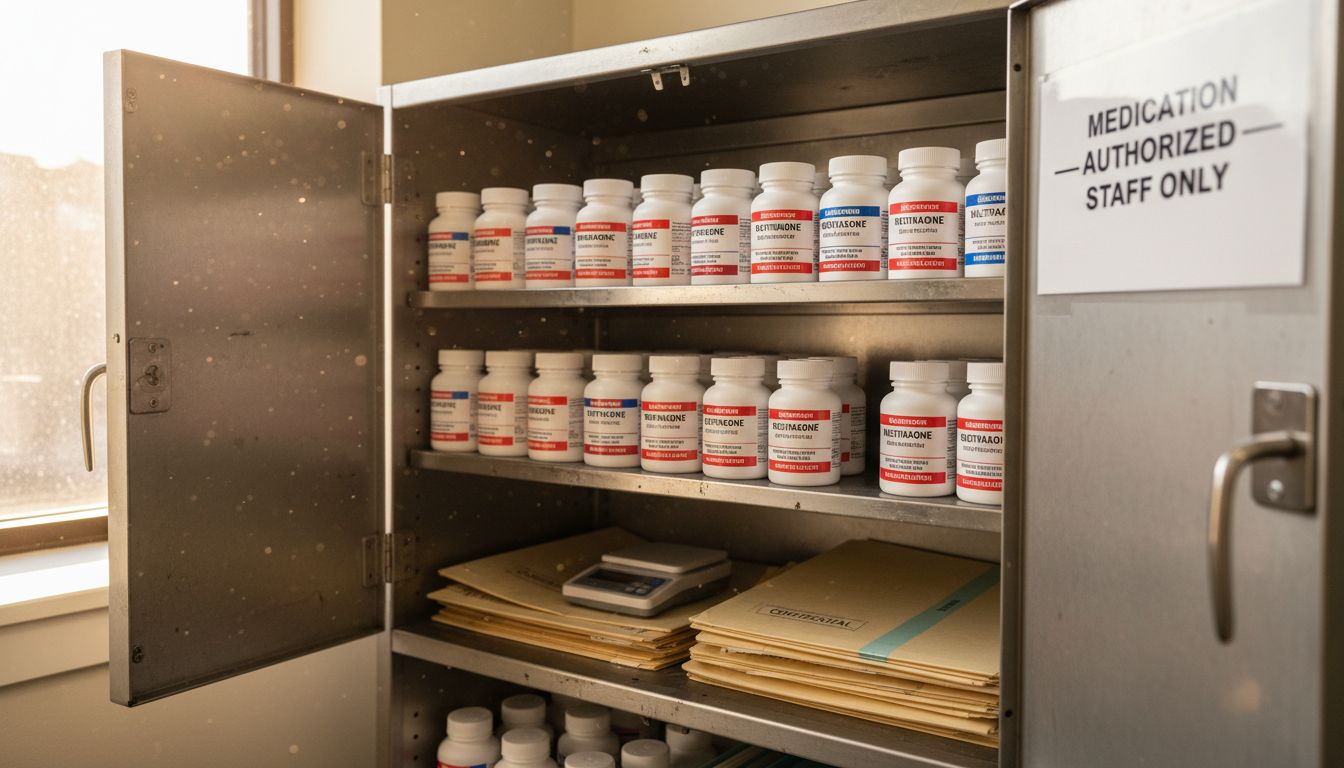
However, medications are not a standalone cure. They represent a critical management tool for the chronic nature of substance use disorders. Important limitations include potential side effects, individual variability in medication response, and the ongoing need for personalized medical supervision.
This summary clarifies how MAT benefits and limitations impact recovery outcomes:
| Aspect | Benefits for Recovery | Important Limitations |
|---|---|---|
| Craving Relief | Fewer intense cravings | May not address all triggers |
| Long-Term Retention | Improves stay in treatment | Side effects possible |
| Recovery Scope | Supports holistic treatment | Ongoing medical monitoring |
Medications are a supportive strategy, not a complete solution. Comprehensive recovery requires holistic treatment addressing psychological, social, and physiological aspects of addiction.
Pro tip: Always maintain open communication with your healthcare provider about medication effectiveness, side effects, and potential adjustments to your treatment plan.
Risks, Side Effects, and Safety Concerns
Medication-Assisted Treatment involves carefully managing potential risks and side effects to ensure patient safety. Addiction health experts closely monitor treatment protocols to minimize potential complications during recovery.
Common side effects associated with addiction recovery medications include:
- Mild nausea and digestive discomfort
- Headaches and dizziness
- Potential respiratory depression
- Mood fluctuations
- Temporary sleep disruptions
Medication Safety Considerations require comprehensive medical supervision. Treatment safety protocols emphasize patient monitoring to prevent potential misuse and manage individual responses to medications.
Each medication presents unique safety profiles. Methadone requires strict clinic-based administration to control dosing, while buprenorphine features a ceiling effect that reduces overdose risks. Naltrexone offers a non-addictive alternative but demands careful medical management.
Safety in medication-assisted treatment is not about eliminating all risks, but intelligently managing them through professional medical guidance and patient education.
Pro tip: Maintain open, honest communication with your healthcare provider about any side effects or concerns to ensure the most effective and safe treatment approach.
Innovations and New Medication Approaches
Medication-Assisted Treatment is experiencing transformative advancements driven by cutting-edge research and technological innovations. Emerging addiction treatment strategies are expanding the possibilities for more personalized, effective recovery approaches.
Key innovations in addiction medication research include:
- Precision medicine techniques
- Genomic targeting of treatment responses
- Digital health tool integration
- Advanced pharmacological development
- Personalized medication protocols
Precision Medicine represents a groundbreaking approach to addiction treatment. Cutting-edge clinical research is exploring how genetic markers can predict individual medication responses, potentially revolutionizing treatment effectiveness.
Researchers are particularly focused on developing targeted medications for challenging substance use disorders like methamphetamine and cocaine, where current treatment options remain limited. These innovations aim to increase medication accessibility, reduce side effects, and improve long-term recovery outcomes.
The future of addiction treatment lies not in universal solutions, but in understanding and addressing the unique biological and psychological landscape of each individual’s recovery journey.
Pro tip: Stay informed about emerging treatment technologies by consulting with addiction specialists who are actively engaged in current medical research.
Common Misconceptions About Medication in Recovery
Medication-Assisted Treatment challenges several persistent myths about addiction recovery. Evidence-based research debunks common misconceptions surrounding the use of medications in treating substance use disorders.
Most prevalent misconceptions about addiction medication include:
- Medications replace one addiction with another
- Recovery must be completely drug-free
- Medication treatments are ineffective
- Medications enable continued substance abuse
- Only weak individuals need medication support
Treatment Stigma often prevents individuals from accessing life-saving medical interventions. Substance abuse experts consistently challenge these harmful beliefs, emphasizing that medications are carefully designed scientific tools for supporting recovery.
Contrary to popular belief, addiction medications do not produce euphoria or impairment. These carefully prescribed treatments stabilize brain chemistry, reduce dangerous withdrawal symptoms, and significantly improve long-term recovery outcomes. They represent a medical approach to managing a complex chronic condition, much like insulin helps manage diabetes.
Medication in addiction recovery is not a crutch, but a scientifically validated approach to healing the neurological impacts of substance use disorders.
Pro tip: Consult addiction specialists who can provide personalized, judgment-free information about how medication might support your unique recovery journey.
Discover How Medication-Assisted Treatment Can Transform Your Recovery Journey
Struggling with addiction means facing complex challenges like managing cravings and overcoming withdrawal symptoms. As the article highlights, Medication-Assisted Treatment (MAT) plays a crucial role in stabilizing brain chemistry and supporting long-term recovery. At Glendora Recovery Center, we understand these pain points and tailor our treatment plans to combine medically supervised medications with compassionate behavioral therapies. This personalized approach helps you regain control and build a solid foundation for lasting wellness.
Take the first step toward a healthier future with our comprehensive programs designed for both adults and teens. Whether you need Partial Hospitalization Programs, Intensive Outpatient Programs, or aftercare support, our experienced team is here to guide you. Don’t wait to access expert care that integrates the latest in addiction medicine and mental health support. Reach out today at Glendora Recovery Center Contact to learn how our personalized MAT solutions can fit your unique recovery path.
Frequently Asked Questions
What is Medication-Assisted Treatment (MAT) in addiction recovery?
Medication-Assisted Treatment (MAT) is a comprehensive approach that combines FDA-approved medications with behavioral therapies to support individuals struggling with substance use disorders. It aims to normalize brain chemistry, reduce cravings, and support long-term recovery.
What medications are commonly used in MAT for addiction recovery?
Common medications in MAT include Methadone, Buprenorphine, and Naltrexone. Each medication works differently to address the neurological aspects of addiction, helping to reduce cravings and withdrawal symptoms.
How does MAT contribute to long-term recovery from addiction?
MAT contributes to long-term recovery by stabilizing brain chemistry, minimizing withdrawal symptoms, and decreasing the likelihood of relapse. When used in conjunction with behavioral therapies, MAT enhances treatment retention and overall recovery outcomes.
Are there any risks or side effects associated with MAT medications?
Yes, MAT medications can have side effects such as nausea, headaches, and mood fluctuations. It’s crucial to work with healthcare providers to monitor these effects and ensure safe treatment protocols.