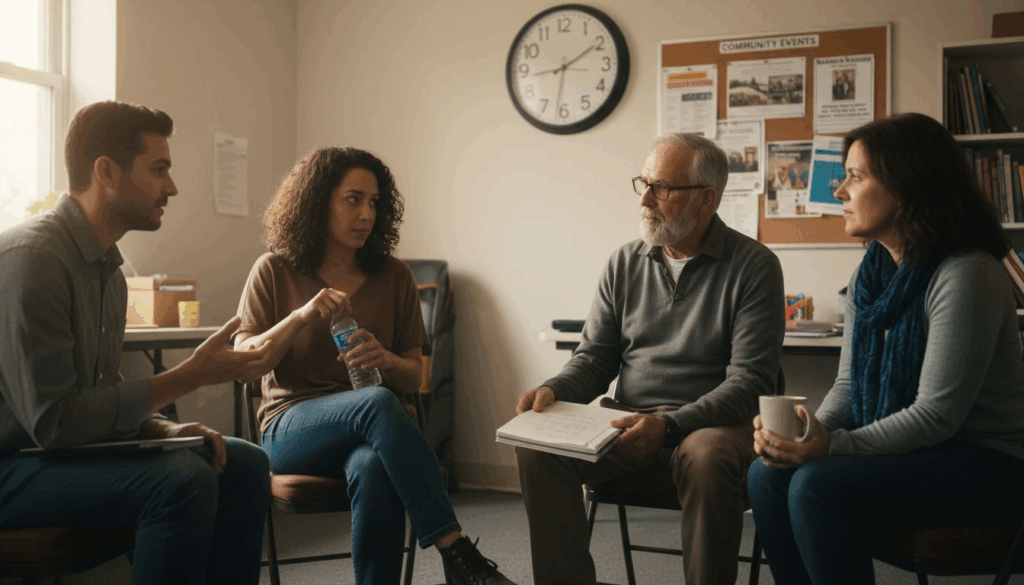
Feeling isolated or overwhelmed can make recovery from addiction seem out of reach. When you try to move forward alone, setbacks feel heavier and hope can fade quickly. But you do not have to face recovery alone. Support groups offer tools and understanding that can make a real difference in your everyday life.
In these groups, you gain more than just company. You discover practical ways to handle stress, manage emotions, and reconnect with your loved ones after tough times. Research shows that peer support can improve quality of life and lower hospitalization rates by providing real understanding and effective guidance.
Get ready to uncover proven benefits of recovery support groups that will help you build accountability, restore relationships, and find motivation you did not know you had. Each insight below gives you a clear advantage on your recovery journey.
Table of Contents
- 1. Gain Emotional Support From Peers In Recovery
- 2. Learn Practical Coping Skills And Strategies
- 3. Build Accountability For Lasting Sobriety
- 4. Find Hope And Motivation Through Shared Stories
- 5. Access Resources For Mental Health And Well-Being
- 6. Strengthen Relationships With Loved Ones
- 7. How To Choose The Right Recovery Support Group
Quick Summary
| Takeaway | Explanation |
|---|---|
| 1. Peer Support Fosters Emotional Healing | Connecting with others in recovery offers understanding and acceptance, which helps combat feelings of isolation and enhances psychological resilience. |
| 2. Acquire Practical Coping Skills | Recovery groups provide actionable techniques for managing stress and cravings, making it easier to navigate difficult situations in real-time. |
| 3. Establish Accountability for Success | Being part of a group creates natural accountability, helping you stay committed to your recovery goals and reducing the chances of relapse. |
| 4. Transformative Power of Shared Stories | Hearing others’ recovery journeys instills hope and motivation, illustrating that achieving lasting sobriety is possible for everyone. |
| 5. Utilize a Network of Resources | Support groups connect you with additional mental health resources and services, enhancing your overall well-being during recovery. |
1. Gain Emotional Support From Peers in Recovery
One of the most powerful benefits of joining a recovery support group is the emotional support you receive from people who genuinely understand what you’re going through. Unlike talking to friends or family members who may not have experienced addiction, your peers in recovery have walked similar paths. They know the cravings, the shame, the setbacks, and the victories because they’ve lived them. This shared experience creates a level of empathy and validation that’s difficult to find elsewhere.
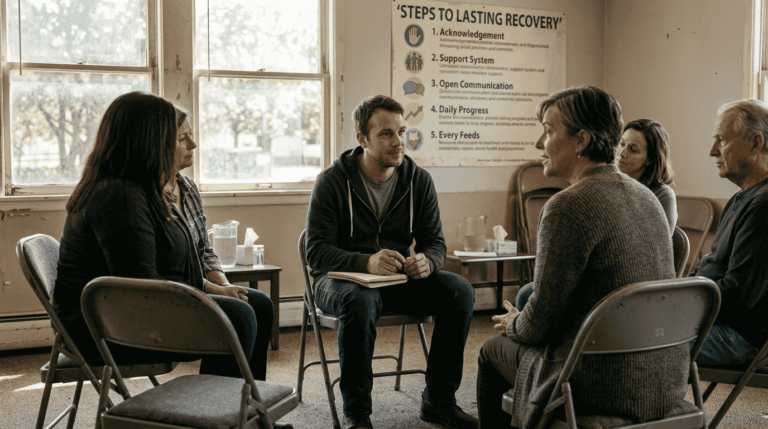
When you sit in a circle with others in recovery, something shifts. You realize you’re not alone in your struggles, and that realization is transformative. Peer support significantly improves quality of life and helps lower hospitalization rates while reducing feelings of isolation. The group provides acceptance without judgment. You can talk openly about your triggers, your fears, and your progress without worrying that someone will judge you or reject you. In fact, you’ll likely find that your vulnerability inspires others and strengthens the entire group. This mutual support creates what researchers call a “recovery community,” where emotional connection becomes a powerful tool for maintaining sobriety and building a healthier life.
The practical benefit here is real and measurable. When you have people who understand your journey, you develop what psychologists call “psychological resilience.” You learn coping strategies from others who have successfully managed similar situations. You witness their recoveries and gain hope for your own. You also gain accountability because you know that others in the group are rooting for your success. Beyond the emotional comfort, this network becomes your lifeline during difficult moments when you might otherwise reach for old habits.
Many people find that the friendships formed in recovery groups extend beyond meetings. These become relationships built on genuine connection and mutual respect rather than substances or unhealthy patterns. You’re building a social circle that actively supports your recovery rather than undermines it.
Pro tip: Attend meetings consistently and try speaking at least once per meeting, even if it’s just a sentence or two, because active participation deepens your connections and accelerates your emotional healing.
2. Learn Practical Coping Skills and Strategies
Recovery support groups teach you tangible skills you can use immediately when cravings hit or stress builds. These aren’t abstract concepts discussed in theory. They’re practical, evidence-based techniques that people in recovery use every single day to stay on track. When you learn coping skills in a group setting, you benefit from watching others apply them and hearing about their real-world results. You’re not just getting information. You’re getting a toolkit for managing the emotional and physical challenges that come with recovery.
The skills taught in recovery groups typically include mood regulation and stress management techniques, communication strategies, and emotional awareness practices. For example, you might learn breathing exercises that calm your nervous system when anxiety creeps in. You might discover journaling prompts that help you process difficult emotions without turning to unhealthy behaviors. You might practice saying no to situations that trigger cravings. These are skills you can use in the moment, not something you need to remember from a therapist’s office weeks later. Many groups use cognitive-behavioral approaches that teach you how your thoughts, feelings, and behaviors are connected. When you understand this connection, you can interrupt negative patterns before they spiral.
What makes learning these skills in a group different is accountability and real-world practice. When someone shares that they used a breathing technique to get through a stressful day at work, you see proof that it actually works. When another person describes how they managed conflict with a family member using communication strategies, you can apply that lesson to your own relationships. You’re learning from people at different stages of recovery, which gives you perspective on what works long term. These coping skills become your defense against relapse and your foundation for building a healthier life. The group reinforces these skills through repetition and encouragement, making them second nature over time.
Professional tip: Practice one new coping skill each week by bringing it up in group and asking others how they’ve used it, so you’re not just learning passively but actively integrating the skill into your daily routine.
3. Build Accountability for Lasting Sobriety
Accountability is one of the most underrated components of lasting recovery. When you know that someone is counting on you and that you’ll need to report back on your progress, your commitment becomes stronger. Recovery support groups create a structure where accountability happens naturally. You’re not just accountable to yourself, which can feel abstract when cravings hit. You’re accountable to a community of people who understand what you’re facing and genuinely want you to succeed. This shift changes everything about how you approach your recovery.
In a support group, accountability works because it combines honesty with compassion. You share your struggles and your wins with people who won’t judge you, but they will hold you to your commitments. If you say you’re going to attend meetings, work your recovery plan, or reach out when you’re struggling, the group remembers. They ask you about it next week. This creates what researchers call “accepted responsibility for actions and commitments,” which directly supports sustained sobriety and helps prevent relapse. Beyond the group itself, building a strong support system with accountability partners like sponsors, trusted friends, or mentors provides multiple layers of accountability. When you have multiple people invested in your recovery, you’re less likely to hide struggles or make excuses.
The practical benefit is that accountability makes your recovery visible. You can’t rationalize skipping meetings or ignoring red flags when someone is going to ask you about it. This external structure becomes especially valuable during difficult periods when your internal motivation wavers. Many people find that once they experience the power of accountability in a group setting, they naturally seek out accountability partners outside the group as well. You might find a sponsor or recovery partner who checks in with you regularly. You might call someone when you’re struggling instead of isolating. These accountability relationships become protective factors that keep you engaged with your recovery long term. The group teaches you that asking for help and being accountable isn’t weakness. It’s strength.
Professional tip: Choose one person in your support group to be your primary accountability partner and exchange contact information so you can reach out during tough moments, not just during scheduled meetings.
4. Find Hope and Motivation Through Shared Stories
One of the most powerful moments in recovery happens when you hear someone share their story and realize that if they made it, you can too. Shared stories are not just feel-good moments. They are transformative tools that rewire your brain and give you concrete evidence that recovery is possible. When you sit in a support group and listen to people describe their darkest moments and how they climbed out of them, something shifts inside you. You move from thinking recovery is impossible to knowing it’s absolutely achievable. This shift from despair to hope is often the turning point that keeps people engaged in their recovery.
Stories work because they speak to the emotional part of your brain in a way that facts and statistics simply cannot. When someone describes exactly how they managed a craving, what they felt, and how they got through it, you can see yourself in that situation. You learn from their experience without having to make every mistake yourself. Personal stories of triumph inspire hope and motivation that keep people moving forward, especially during difficult periods when self-doubt creeps in. Stories also normalize the messy reality of recovery. You hear that relapse is part of some people’s journey and they still recovered. You hear that grief, anger, and frustration are normal parts of the process. You hear that people made mistakes and learned from them. This creates a realistic picture of recovery that isn’t about perfection but about persistence and self-compassion.
The practical impact of hearing these stories is that you develop resilience and motivation. When you’re struggling and thinking about using, you remember someone’s story about how they got through the same struggle. You call someone from the group because you know their story proves that reaching out works. You show up to a meeting on a day you don’t want to because you want to hear from someone who was in your exact situation six months ago and is now thriving. Over time, you also become someone whose story inspires others. As you accumulate months and then years of sobriety, your journey becomes proof to newcomers that recovery works. This creates a beautiful cycle where the group continuously renews its hope and motivation through the stories its members share.
Professional tip: Be willing to share your own story, starting small if needed, because your vulnerability and progress will inspire someone who is sitting where you sat when you first arrived at the group.
5. Access Resources for Mental Health and Well-Being
Recovery support groups don’t exist in isolation. They connect you to a broader ecosystem of resources and services designed to support your mental health and overall well-being. This network of support becomes invaluable as you navigate recovery because mental health and substance use disorders often go hand in hand. When you join a group, you gain access not just to peers but to information about treatment options, crisis services, and wellness tools that can enhance your recovery journey. Group facilitators and members often share knowledge about local and national resources, helping you build a comprehensive support plan that addresses all aspects of your health.
The resources available to you span everything from immediate crisis support to long-term mental health treatment. Crisis helplines and treatment locators provide immediate assistance when you’re in acute distress, and recovery support groups help you connect with people who understand what you’re experiencing. Your group may refer you to therapists who specialize in addiction, psychiatrists who can manage medication, or wellness programs focused on stress reduction and self-care. Many groups have members who work in healthcare or social services, and they can answer questions about navigating insurance, finding affordable treatment options, or accessing specialized services. The group becomes a hub where members share practical information about what resources actually work and how to access them. This peer knowledge is often more accessible and relatable than trying to research everything on your own while dealing with the challenges of early recovery.
Beyond immediate treatment, recovery groups connect you with resources that support whole-person wellness. This includes information about nutrition, exercise, sleep hygiene, stress management techniques, and mental health coping strategies. Some groups partner with local organizations that offer free yoga classes, meditation apps, or support groups focused on specific issues like grief or trauma. The SAMHSA Recovery Resource Center provides comprehensive information on recovery-oriented services that can complement your group participation. When you’re part of a recovery community, you’re not just getting support for your addiction. You’re gaining access to a support system that helps you rebuild your entire life. Members share recommendations for therapists, yoga studios, nutritionists, and other wellness services. You learn about mental health benefits you didn’t know existed. You discover that recovery is about much more than stopping substance use. It’s about creating a life worth living.
Professional tip: Keep a small notebook at group meetings and jot down any resources, websites, or recommendations that other members mention so you have a personalized directory of support options specific to your needs.
6. Strengthen Relationships With Loved Ones
Addiction damages relationships. It erodes trust, creates resentment, and leaves loved ones feeling hurt, angry, and helpless. Recovery support groups offer something powerful that many people don’t expect: a pathway to repairing and rebuilding those crucial connections. When you commit to your recovery through group participation, you’re not just changing your own life. You’re giving your family and close friends the opportunity to believe in your recovery, to witness your transformation, and to rebuild trust with you. This process of relationship repair happens gradually as your actions consistently show that you’re serious about your sobriety.
The group creates space for honest conversations about your relationships and your role in the damage that occurred. You learn from others who have successfully rebuilt trust with their families. You hear stories about parents who went from despair to pride, spouses who reconnected emotionally, and children who got their parent back. Group members share practical strategies for having difficult conversations with loved ones, setting healthy boundaries, and taking responsibility for past actions without drowning in shame. Many groups include family therapy sessions or family education nights where your loved ones can attend and learn about addiction and recovery. This education helps family members understand that addiction is a disease, not a moral failing, and it helps them see your recovery efforts as genuine progress. When your family understands what you’re dealing with, they can support you more effectively and release some of the anger they’ve been carrying.
As you stay consistent with your recovery, something remarkable happens in your relationships. The trust that was broken begins to rebuild. Your loved ones see that you’re showing up for yourself and for them. You’re keeping commitments. You’re honest about your struggles. You’re present emotionally in ways you haven’t been in years. These relationships become sources of motivation and strength. You recover not just for yourself but because you want to be the person your family deserves. Many people find that family relationships become among the most rewarding aspects of their recovery. The connection you rebuild with a parent, partner, or child becomes profoundly meaningful because you both know how close you came to losing it.
Professional tip: Ask someone in your group who has successfully rebuilt family relationships to mentor you through the process, because having someone model healthy family communication makes the repair work less overwhelming and more achievable.
7. How to Choose the Right Recovery Support Group
Not all support groups are created equal, and finding the right one for your specific needs is crucial to your recovery success. The good news is that you don’t have to commit to the first group you attend. You get to shop around, ask questions, and find a group where you feel comfortable and understood. The process of choosing the right group involves considering several factors including the group’s focus, structure, leadership, and whether it aligns with your recovery goals. Some groups are peer-led while others are facilitated by licensed professionals. Some meet in person while others operate entirely online. Some focus specifically on addiction recovery while others address broader mental health or life challenges. Understanding these differences helps you make an informed choice about where to invest your time and energy.
When evaluating groups, start by clarifying what you need. Are you looking for peer-led support groups that emphasize shared experiences, or do you prefer groups led by licensed therapists who provide more structured treatment? Do you want a group focused exclusively on addiction recovery, or would you prefer a group that addresses co-occurring mental health issues like anxiety or depression? Do you prefer the accountability and structure of in-person meetings, or does the flexibility and anonymity of online groups work better for your schedule and comfort level? Consider also the demographics of the group. Some groups are specifically designed for young adults, others for people in specific professions, and still others welcome anyone in recovery. The best group is one where you see yourself reflected in the room and feel that you belong. Attending multiple meetings before deciding helps you get a true sense of the group’s culture and whether it’s a good fit for your needs.
Trust your instincts when evaluating a group. If you walk into a meeting and feel welcomed and heard, that’s a good sign. If you leave feeling energized and hopeful, you’ve likely found something valuable. Conversely, if something feels off or you don’t connect with the group, it’s okay to try a different one. You might also consider supplementing support group attendance with professional help. Many people benefit from combining peer support groups with aftercare support programs or individual therapy that provides additional structure and professional guidance. Recovery is personal, and the right combination of support looks different for everyone. Give yourself permission to experiment until you find what works.
Professional tip: Attend at least three different meetings before deciding whether a group is right for you, because one meeting may not give you an accurate picture of the group’s dynamics and culture.
Here is a comprehensive table summarizing the main strategies and benefits of participating in recovery support groups discussed in the article.
| Key Area | Details and Actions | Outcomes |
|---|---|---|
| Gain Emotional Support | Connect with peers who understand your experiences and can empathize, fostering a non-judgmental environment to share and support each other. | Enhanced emotional resilience and reduced isolation. |
| Learn Coping Skills | Practice and adopt practical, evidence-based techniques for stress management, emotional regulation, and communication within a supportive group setting. | Improved ability to handle challenges and reduce the risk of relapse. |
| Build Accountability | Share commitments and progress with a group, creating an environment of mutual trust, shared responsibility, and support for recovery goals. | Strengthened commitment to recovery and prevention of relapse through continuous encouragement. |
| Discover Hope Through Shared Stories | Listen to and share personal experiences of recovery, recognizing the reality and potential of overcoming challenges. | Develop motivation, resilience, and assurance in the possibility of achieving sustained recovery. |
| Access Comprehensive Resources | Leverage group knowledge of mental health services, crisis support mechanisms, and other wellness resources. | Creation of a personal, versatile support system addressing holistic recovery needs. |
| Enhance Personal Relationships | Rebuild trust and relationships with loved ones through consistent efforts and informed insights from group discussions. | Stronger family and friend connections that reinforce recovery and personal growth. |
| Choose the Right Group | Evaluate different groups based on their focus, structure, and compatibility with your needs. | A supportive community that aligns with personal recovery objectives and fosters growth. |
Discover the Support You Need to Sustain Lasting Recovery
Struggling to find a recovery support group that truly understands your journey can leave you feeling isolated and overwhelmed. The article highlights critical challenges like building emotional support, gaining accountability, and accessing practical coping skills that are essential for lasting sobriety. If you are ready to move beyond feeling alone or unsure about your recovery path, know that you are not without options. At Glendora Recovery Center, we specialize in creating personalized recovery programs that integrate the power of community support with professional guidance. Through our aftercare support and intensive outpatient programs, you gain access to compassionate peers and expert clinicians who help you rebuild your life step by step.
Don’t wait until cravings or setbacks take control. Begin today by connecting with a dedicated team that values your story and your goals. Learn how you can strengthen relationships, build accountability, and find motivation through proven recovery strategies. Reach out now to Contact Us and take the first step toward a healthier future. Find out more about our aftercare support programs designed to keep you connected long after initial treatment. Your recovery community is waiting to welcome you.
Frequently Asked Questions
What emotional support can I expect from recovery support groups?
You can expect to receive emotional support from peers who understand your experiences with addiction. Join a group and actively participate to strengthen these connections, which can enhance your emotional healing.
How can recovery support groups help me learn coping skills?
Recovery support groups provide tangible coping strategies that you can apply immediately for managing cravings and stress. Attend meetings regularly, and focus on practicing one new coping skill each week to incorporate what you’ve learned into your daily life.
In what ways does accountability play a role in recovery support groups?
Accountability in recovery support groups comes from sharing your commitments with a supportive community that genuinely wants you to succeed. Choose one person from your group as your accountability partner and set up regular check-ins to reinforce your recovery efforts.
How can shared stories in recovery support groups motivate me?
Listening to shared stories helps reinforce the belief that recovery is achievable, providing hope during challenging times. Make an effort to share your own story as you progress, as this will not only inspire others but also enhance your own motivation.
What resources can I access through recovery support groups?
Recovery support groups connect you to a variety of resources that promote mental health and well-being, including crisis services and wellness programs. Bring a notebook to meetings and jot down useful resources mentioned by other members to build your personalized support directory.
How do I choose the right recovery support group for my needs?
To choose the right recovery support group, clarify what type of support you need and explore multiple groups to find one that feels comfortable. Attend at least three different meetings to better understand each group’s culture and dynamics before making your decision.
Recommended
- Benefits Of Teen Group Therapy You Need To Know
- 7 Key Benefits of Detox Programs for Recovery Success | Glendora Recovery Center
- 7 Key Benefits of Rehab Programs for Teens and Adults | Glendora Recovery Center
- 7 Effective Ways to Support Recovery in Los Angeles | Glendora Recovery Center
- When Familiarity Fuels Addiction: Breaking Free from the Boca Bubble – Luxury Apartments for Rent in Boca Raton | Premium Boca Raton Apartments | Aapartments Boca Raton