
Over half of people living with PTSD also battle addiction, forming a cycle that can feel impossible to break. This tangled relationship directly affects how individuals heal, manage emotions, and face daily life. By looking closely at how trauma fuels substance use, you will gain real insight into why these conditions connect so strongly and what steps can truly make a difference in recovery.
Table of Contents
- Defining Ptsd And Addiction Connection
- Types Of Ptsd And Substance Abuse Disorders
- Dual Diagnosis: Recognizing Co-Occurring Conditions
- Treatment Options For Ptsd And Addiction
- Risks, Relapse, And Family Support Strategies
Key Takeaways
| Point | Details |
|---|---|
| Interconnection of PTSD and Addiction | PTSD and substance use disorders often co-occur, as individuals use substances to cope with PTSD symptoms, worsening both conditions. |
| Need for Integrated Treatment | Effective recovery requires treatment approaches that address both PTSD and addiction simultaneously, utilizing trauma-informed therapies and support systems. |
| Relapse Risks | Individuals face heightened relapse risks without comprehensive support and coping mechanisms, highlighting the importance of ongoing professional assistance. |
| Role of Family Support | Family members play a critical role in recovery, needing to provide a stable environment, maintain communication, and engage in supportive therapies. |
Defining PTSD and Addiction Connection
PTSD and addiction share a complex, deeply intertwined relationship that significantly impacts mental health and recovery. Post-Traumatic Stress Disorder (PTSD) and substance use disorders frequently co-occur, creating a challenging cycle of emotional pain and destructive coping mechanisms. According to ptsd.va.gov, individuals often turn to substances as a way to manage overwhelming PTSD symptoms, inadvertently creating a pattern that intensifies both conditions.
The connection between trauma and substance abuse is stark and scientifically documented. Drugfree.org reveals that people with a history of trauma are two to four times more likely to develop substance use disorders. This heightened vulnerability stems from the brain’s natural response to traumatic experiences, which can disrupt normal emotional regulation and stress management mechanisms.
Understanding this connection requires recognizing the underlying psychological dynamics. Trauma can create profound emotional wounds that individuals might attempt to numb or escape through substance use. The brain seeks relief from intrusive memories, anxiety, and hypervigilance – common PTSD symptoms – and substances can temporarily provide that escape. Unfortunately, this temporary relief leads to a dangerous feedback loop where addiction and PTSD progressively worsen each other.
Key aspects of the PTSD and addiction connection include:
- Increased risk of substance abuse as a maladaptive coping mechanism
- Higher likelihood of developing co-occurring mental health disorders
- Complex neurological changes that impact emotional processing
- Greater challenges in traditional treatment approaches
For those struggling with both PTSD and addiction, professional support is crucial. PTSD Treatment Los Angeles offers specialized approaches that address the intricate relationship between these challenging conditions, providing hope and comprehensive healing strategies.
Types of PTSD and Substance Abuse Disorders
Understanding the intricate relationship between Post-Traumatic Stress Disorder (PTSD) and substance abuse requires a nuanced exploration of their various manifestations. nctsn.org highlights that these co-occurring conditions present in complex and diverse ways, particularly among adolescents and young adults struggling with emotional and psychological challenges.
PTSD can manifest in several distinct types, each potentially influencing substance abuse patterns differently. wfmh.org explains that specific PTSD symptoms often correlate with particular substance misuse tendencies. These types include:
- Acute Stress PTSD: Short-term trauma response potentially leading to alcohol or stimulant abuse
- Chronic PTSD: Long-term trauma experience often associated with persistent substance dependence
- Complex PTSD: Repeated trauma exposure potentially resulting in more severe addiction patterns
- Delayed-Onset PTSD: Symptoms emerging months or years after trauma, potentially triggering progressive substance use
Substance abuse disorders accompanying PTSD can similarly vary, creating intricate psychological landscapes. These may include alcohol use disorder, prescription medication misuse, and illicit drug dependencies. The interconnected nature of these conditions means that treatment must address both the traumatic experiences and the resulting substance use strategies.
PTSD Treatment Duration: Complete Guide for Recovery provides essential insights into comprehensive treatment approaches that recognize the multifaceted relationship between trauma and addiction. Recognizing these nuanced connections is crucial for developing effective, personalized recovery strategies that address both psychological trauma and substance dependency.
Dual Diagnosis: Recognizing Co-Occurring Conditions
Dual diagnosis represents a complex medical condition where an individual simultaneously experiences a mental health disorder and a substance use disorder. rtor.org emphasizes the critical importance of recognizing and treating both conditions concurrently, as treating one without addressing the other can significantly undermine recovery efforts.
Recognizing co-occurring conditions requires a comprehensive understanding of how PTSD and addiction interact and influence each other. Individuals with PTSD often experience symptoms that can drive substance abuse, such as:
- Intense anxiety and hypervigilance
- Recurring traumatic memories
- Emotional numbing and detachment
- Sleep disturbances and insomnia
- Difficulty managing stress and emotional regulation
These symptoms can create a powerful motivation to self-medicate, leading to a dangerous cycle of substance dependency and worsening mental health symptoms. The interconnected nature of these disorders means that traditional treatment approaches focused on a single condition are often ineffective.

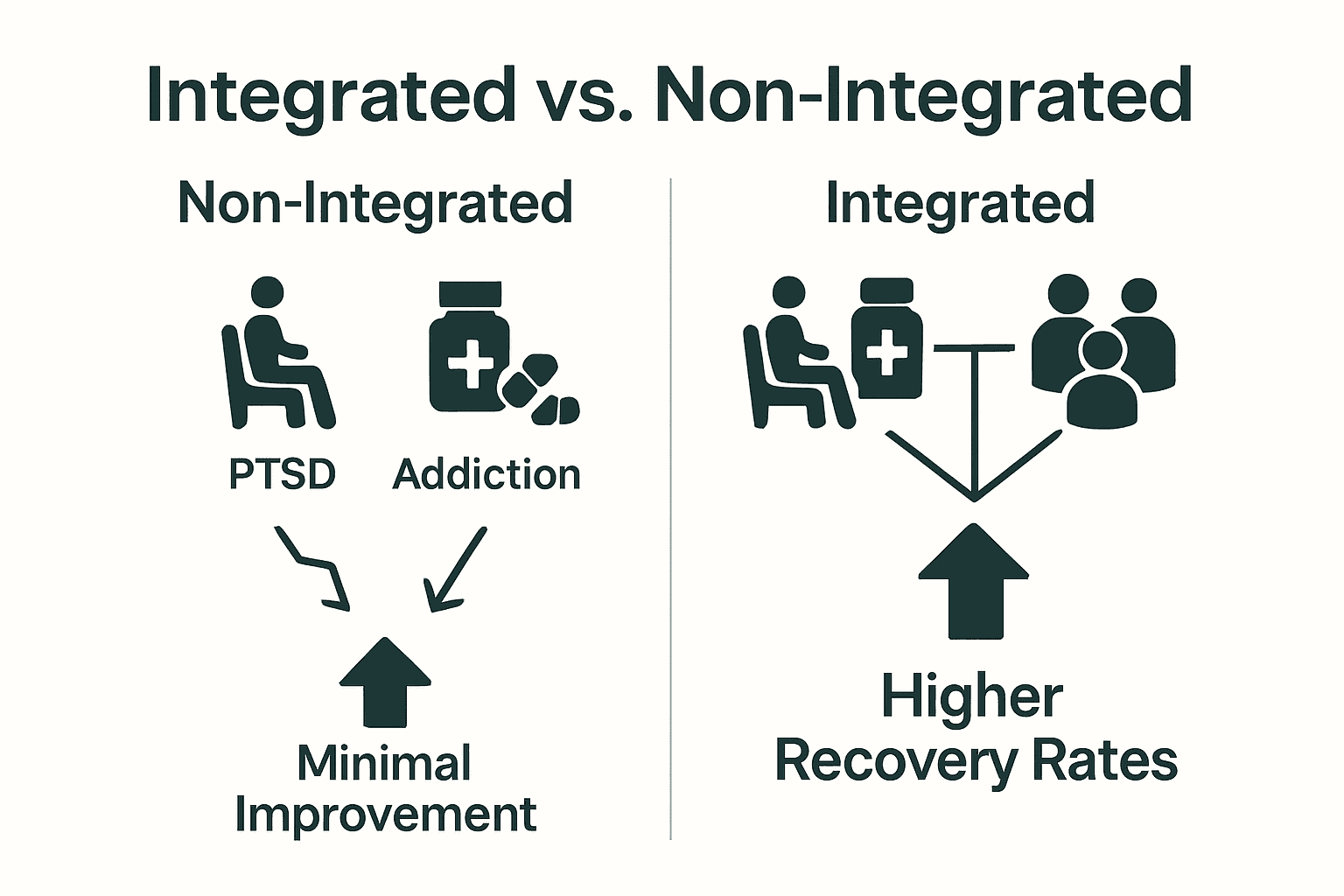
Effective dual diagnosis treatment demands an integrated approach that simultaneously addresses both the underlying trauma and the substance use disorder. This holistic strategy typically involves specialized therapeutic interventions, including trauma-informed cognitive behavioral therapy, medication management, and comprehensive support systems that recognize the unique challenges of co-occurring conditions.
Substance Abuse and Anxiety Disorders Explained provides additional insights into the complex relationship between mental health challenges and substance use, highlighting the nuanced approach required for successful long-term recovery.
Treatment Options for PTSD and Addiction
Integrated treatment is crucial when addressing the complex relationship between PTSD and substance use disorders. ptsd.va.gov emphasizes the importance of comprehensive approaches that simultaneously tackle both conditions, recognizing that treating one in isolation often leads to incomplete recovery.
The most effective treatment strategies typically involve multiple complementary interventions:
- Trauma-Focused Psychotherapy: Specialized techniques that directly address traumatic experiences
- Cognitive Behavioral Therapy (CBT): Helps individuals recognize and modify destructive thought patterns
- Medication-Assisted Treatment: Carefully managed medications to support mental health and addiction recovery
- Support Group Participation: Peer-based support that reduces isolation and provides ongoing recovery resources
wfmh.org highlights that cognitive-behavioral therapies and support groups have shown remarkable effectiveness in treating co-occurring disorders. These approaches work by helping individuals develop healthier coping mechanisms, process traumatic experiences, and build resilience against both PTSD symptoms and substance abuse triggers.
Holistic treatment requires a personalized approach that considers the unique psychological and emotional landscape of each individual.
 This means developing comprehensive treatment plans that adapt to changing needs, provide ongoing support, and address the root causes of both PTSD and addiction.
EMDR Therapy in Los Angeles offers an innovative approach to trauma treatment that can be particularly effective for individuals struggling with PTSD and substance use disorders, providing hope for those seeking comprehensive healing and recovery.
Risks, Relapse, and Family Support Strategies
Relapse is a significant challenge for individuals struggling with PTSD and substance use disorders. ncdhhs.gov highlights the critical risks associated with untreated conditions, emphasizing that without comprehensive support, individuals face substantially higher chances of recurring symptoms and substance abuse.
Key risk factors that can trigger relapse include:
- Intense emotional stress
- Unresolved trauma memories
- Social isolation
- Lack of professional support systems
- Inadequate coping mechanisms
- Sudden life changes or unexpected triggers
allthewaywell.org explores the complex challenges families face when supporting loved ones through recovery. Effective family support strategies require patience, understanding, and a proactive approach to creating a stable, supportive environment that promotes healing.
Successful recovery demands a multifaceted approach where family members become active participants in the healing process. This involves learning about PTSD and addiction, maintaining open communication, establishing healthy boundaries, and participating in family therapy or support groups that provide guidance and emotional resources.
7 Effective Ways to Support Recovery in Los Angeles offers comprehensive insights into creating a supportive recovery environment that empowers both individuals and their families through compassionate, informed strategies.
Find Hope and Healing for PTSD and Addiction Today
Struggling with the heavy weight of PTSD and addiction can feel overwhelming. The cycle of trauma and substance abuse creates unique challenges that require a compassionate, integrated treatment approach. If you or a loved one is seeking relief from intense anxiety, emotional pain, and destructive coping patterns, you deserve specialized care that truly understands the connection between these disorders. At Glendora Recovery Center, we focus on personalized programs designed to break this cycle and rebuild your life with lasting recovery.
Experience evidence-based therapies such as trauma-focused counseling, medication-assisted treatment, and family support—all delivered in a supportive atmosphere tailored for adults and teens. Take the important first step now by reaching out to our expert team who can guide you through options like our Partial Hospitalization and Intensive Outpatient Programs. Don’t wait for another moment burdened by relapse risks or unresolved trauma. Contact us today at Glendora Recovery Center to start your journey toward healing and a healthier future. Learn more about EMDR Therapy in Los Angeles and our comprehensive PTSD treatment programs designed to meet your unique needs.
Frequently Asked Questions
What is the connection between PTSD and addiction?
PTSD and addiction are closely linked, as individuals often turn to substances to cope with overwhelming PTSD symptoms. This can create a cycle where both conditions exacerbate each other, leading to increased emotional pain and destructive behaviors.
What are the types of PTSD that can influence substance abuse?
There are several types of PTSD that can affect substance abuse patterns, including Acute Stress PTSD, Chronic PTSD, Complex PTSD, and Delayed-Onset PTSD. Each type can lead to different tendencies in substance use, reflecting the complexity of the conditions involved.
How can dual diagnosis be treated effectively?
Effective treatment for dual diagnosis involves integrated approaches that address both PTSD and substance use disorders. This typically includes trauma-focused psychotherapy, cognitive behavioral therapy, medication-assisted treatment, and support group participation, ensuring that both conditions are treated simultaneously.
What risks are associated with relapse in individuals with PTSD and addiction?
Relapse risks include emotional stress, unresolved trauma memories, social isolation, and inadequate coping mechanisms. These factors can trigger a return to substance use, emphasizing the need for comprehensive support and effective coping strategies.