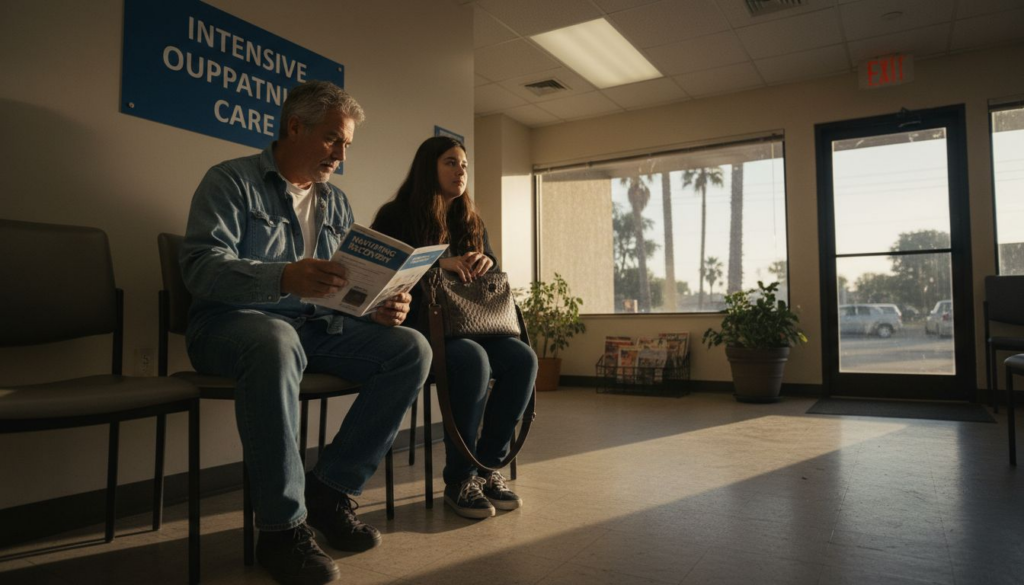
Many people assume addiction treatment requires living in a facility 24/7, but intensive outpatient programs (IOPs) challenge that notion entirely. These programs deliver structured, evidence-based care while allowing participants to sleep at home, maintain jobs, and stay connected with family. For Los Angeles County residents seeking addiction or mental health support, IOPs offer flexible treatment without the full commitment of inpatient rehab. This guide explains what intensive outpatient programs involve, who benefits most, and how they support lasting recovery for adults and teens across the region.
Table of Contents
- Understanding Intensive Outpatient Programs: What They Are And How They Work
- Who Intensive Outpatient Programs Are For: Eligibility And Suitability In Los Angeles
- Key Components And Therapies In Intensive Outpatient Programs
- Benefits And Outcomes Of Intensive Outpatient Programs For Patients And Families
- Explore Intensive Outpatient Programs At Glendora Recovery Center
- Frequently Asked Questions
Key takeaways
| Point | Details |
|---|---|
| Flexible structured care | IOPs combine intensive therapy with the freedom to live at home and maintain daily routines. |
| Multiple weekly sessions | Participants attend therapy, education, and support groups 3-5 days per week for several hours each day. |
| Evidence-based therapies | Programs include individual counseling, CBT, group therapy, family education, and relapse prevention strategies. |
| Ideal for moderate needs | IOPs suit individuals with stable housing who need more than standard outpatient care but less than 24/7 supervision. |
| Family involvement matters | Support networks play a critical role in treatment success and long-term recovery outcomes. |
Understanding intensive outpatient programs: what they are and how they work
Intensive outpatient programs provide a middle ground between inpatient hospitalization and traditional outpatient therapy. Structured treatment allows patients to live at home while participating in therapy multiple times per week. This approach delivers the intensity needed for meaningful progress without requiring participants to leave their lives behind.
Participants typically attend sessions 3-5 days per week, with each session lasting several hours. The schedule varies based on individual needs and program design, but most IOPs require 9-20 hours of treatment weekly. This commitment provides enough structure to address addiction or mental health challenges while preserving space for work, school, or family obligations.
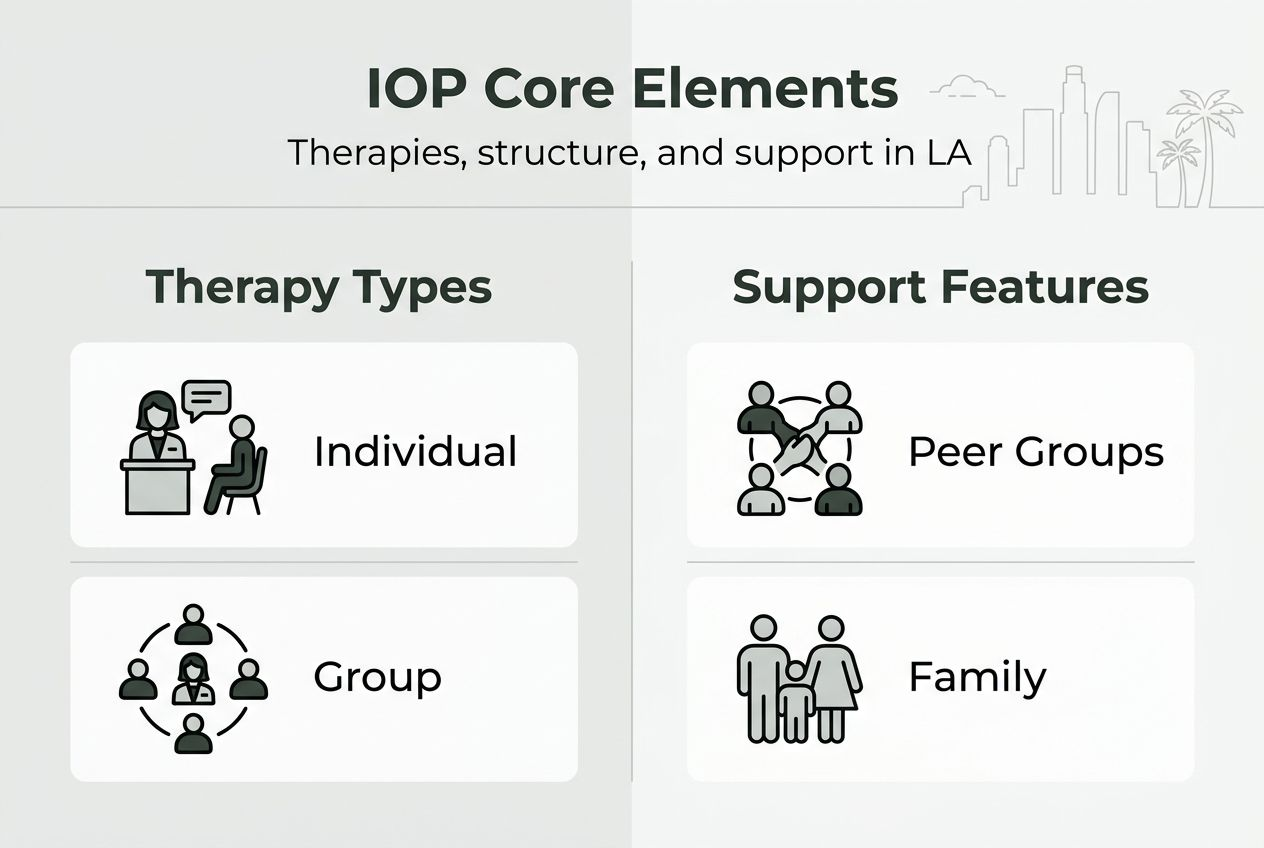
Treatment modalities form the backbone of effective IOPs. Programs typically include:
- Individual therapy sessions with licensed counselors
- Group counseling focused on shared experiences and peer support
- Family education to build healthier home environments
- Relapse prevention training with practical coping strategies
- Educational workshops on addiction science and recovery principles
Patients live at home and navigate daily life while engaged in a structured recovery environment. This real-world practice helps participants apply new skills immediately, testing coping mechanisms in actual situations rather than controlled settings. The freedom comes with accountability, as patients must demonstrate commitment by attending all scheduled sessions and completing therapeutic assignments.
Pro Tip: Choosing an IOP with personalized treatment plans increases chances of lasting recovery because individualized care addresses your specific triggers, strengths, and goals rather than applying generic protocols.
Who intensive outpatient programs are for: eligibility and suitability in Los Angeles
IOPs work best for specific populations with particular needs and circumstances. Individuals with moderate addiction or mental health needs who do not require 24/7 medical supervision benefit most from this treatment level. The program intensity exceeds standard weekly therapy but stops short of full residential care.
Eligibility depends on several factors beyond diagnosis severity. Stable housing creates the foundation for successful IOP participation, as patients need a safe environment to practice recovery skills between sessions. A supportive home environment amplifies treatment effectiveness, while chaotic or actively using households can undermine progress. Medical stability matters too, as IOPs typically lack the nursing staff and medical monitoring available in inpatient settings.
Common IOP candidates include:
- Adults or teens with moderate substance use disorders
- Individuals managing co-occurring mild to moderate mental health conditions
- Patients stepping down from inpatient care who need continued structure
- People motivated for change but requiring accountability and support
- Those balancing recovery with work, school, or family commitments
Los Angeles residents access diverse IOP options tailored to different schedules and populations. Some programs offer morning sessions for people working evening shifts, while others provide weekend or evening slots for students and professionals. Telehealth IOPs expanded significantly, allowing participation from anywhere in the county without commute time, and a fully virtual intensive outpatient program now makes structured addiction care reachable for people who cannot attend in person. This flexibility makes treatment accessible for people who might otherwise skip care due to logistical barriers.
Family involvement enhances treatment success substantially. When loved ones understand addiction as a medical condition rather than a moral failing, they create supportive environments that reinforce recovery. Many IOPs include family therapy sessions or educational workshops that teach relatives how to set healthy boundaries, communicate effectively, and recognize warning signs of relapse.
Patients needing more intensive care may require partial hospitalization programs or inpatient rehab instead. Those experiencing severe withdrawal symptoms, active suicidal ideation, or unstable medical conditions typically need higher levels of care before transitioning to an IOP. The right program match depends on honest assessment of current needs, not wishful thinking about what sounds easiest.
Key components and therapies in intensive outpatient programs
Effective IOPs combine multiple evidence-based therapies to address addiction and mental health from different angles. Cognitive-behavioral therapy, group counseling, family therapy, and relapse prevention education form the core of most programs, with additional modalities added based on individual needs.
Individual counseling provides personalized attention to explore underlying issues, trauma, or co-occurring disorders. Licensed therapists help participants identify triggers, develop coping strategies, and work through emotional barriers to recovery. These one-on-one sessions create space for vulnerable conversations that might not happen in group settings.
Cognitive-behavioral therapy (CBT) teaches participants to recognize and change thought patterns that lead to substance use or mental health symptoms. By identifying distorted thinking and practicing alternative responses, patients build skills that prevent relapse. Dialectical behavior therapy (DBT) adds mindfulness and emotional regulation techniques particularly helpful for people with co-occurring anxiety, depression, or personality disorders.
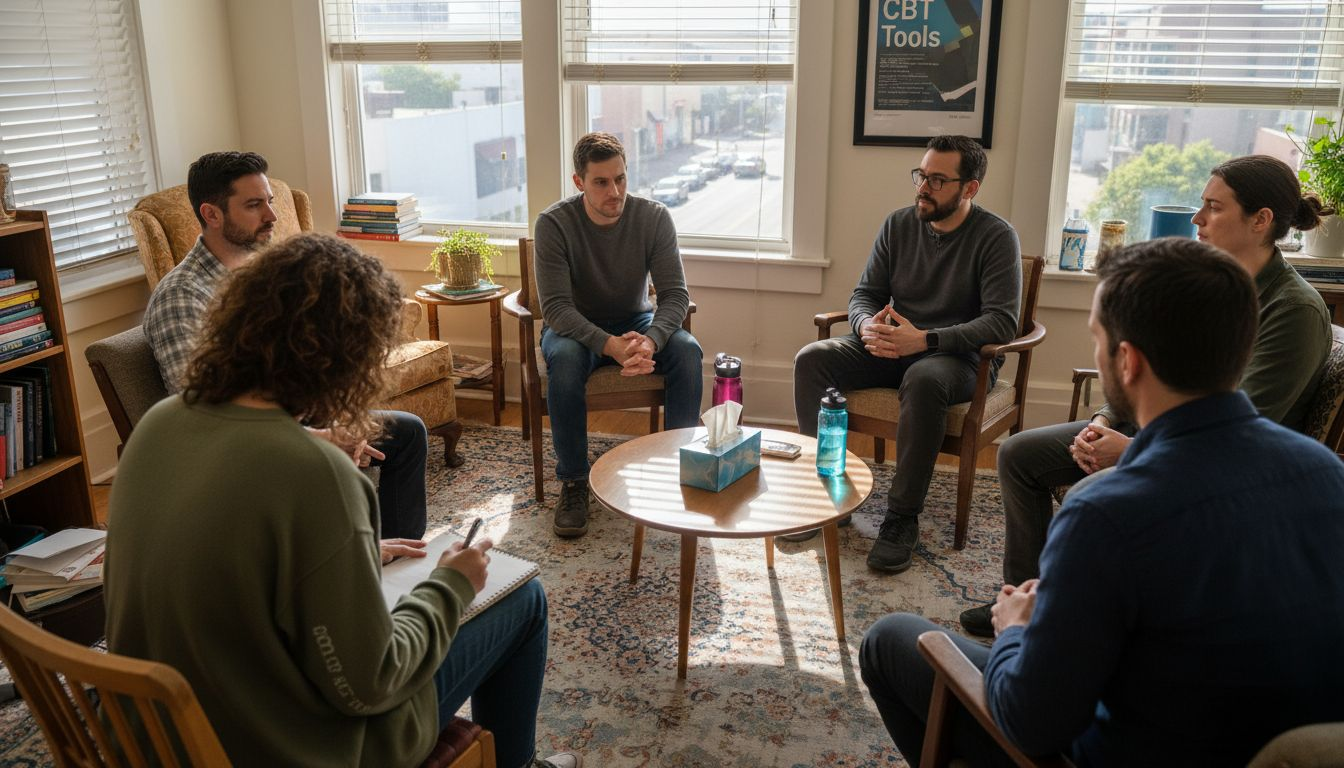
Group therapy sessions leverage peer support and shared experiences. Participants realize they’re not alone in their struggles, learn from others’ successes and setbacks, and practice interpersonal skills in a safe environment. Group formats vary from process-oriented discussions to skills-based workshops on specific topics like stress management or healthy relationships.
Family and couples therapy addresses relationship dynamics that may contribute to or result from addiction and mental health challenges. These sessions help loved ones understand the recovery process, heal damaged trust, and establish new patterns of communication. When families engage actively, patients experience better outcomes and lower relapse rates.
Educational components include:
- Addiction science explaining how substances affect the brain
- Coping skills for managing cravings and emotional distress
- Relapse prevention strategies identifying warning signs and action plans
- Life skills training covering finances, employment, and healthy routines
- Wellness education addressing nutrition, exercise, and sleep hygiene
Support groups such as 12-step programs or peer recovery groups often integrate into IOP treatment schedules. These community connections extend beyond formal treatment, providing ongoing support after program completion.
| Program Type | Treatment Intensity | Daily Hours | Living Arrangement |
| — | — | — |
| Inpatient Rehab | Highest | 24/7 care | Residential facility |
| Partial Hospitalization | High | 5-7 hours daily | Home or sober living |
| Intensive Outpatient | Moderate | 3-4 hours, 3-5 days/week | Home |
| Standard Outpatient | Lower | 1-2 hours weekly | Home |
Pro Tip: Engaging actively in all therapy components and completing homework assignments between sessions greatly increases the likelihood of lasting recovery because real change happens through consistent practice, not just showing up.
Benefits and outcomes of intensive outpatient programs for patients and families
IOPs deliver significant advantages for participants and their support networks. The flexibility to maintain work, school, or family responsibilities while receiving structured treatment removes major barriers that prevent people from seeking help. Parents can continue caring for children, employees keep their jobs, and students stay enrolled in classes while addressing addiction or mental health needs.
Improved engagement and adherence compared to traditional outpatient care results from regular sessions and peer accountability. Meeting multiple times weekly creates momentum and prevents the drift that occurs with monthly appointments. Participants build relationships with peers and counselors, increasing motivation to show up even when feeling resistant or discouraged.
IOPs support sustained recovery by balancing intensive treatment with real-life responsibilities, improving relapse rates and mental health stabilization. Patients practice new skills in actual situations, learning to navigate triggers and stressors while still connected to professional support. This real-world testing builds confidence and competence that transfers beyond treatment completion.
Family education and involvement create supportive home environments essential for sustained recovery. When relatives understand addiction as a chronic condition requiring ongoing management, they adjust expectations and responses accordingly. Families learn to celebrate small victories, recognize warning signs without panic, and provide appropriate support without enabling unhealthy behaviors.
Emotional and mental health stabilization occurs through consistent therapy and coping skill development. Regular sessions allow therapists to monitor symptoms, adjust treatment approaches, and intervene quickly if problems emerge. Participants develop emotional regulation skills that reduce impulsive decisions and improve overall quality of life.
Research demonstrates that intensive outpatient programs achieve comparable outcomes to inpatient treatment for appropriately selected patients, with significantly lower costs and less disruption to daily life, making them an effective first-line treatment option for many individuals.
Key benefits include:
- Convenience allowing treatment without relocating or leaving responsibilities
- Cost-effectiveness compared to residential programs
- Accessibility for Los Angeles residents across the county
- Comprehensive care addressing multiple aspects of recovery
- Relapse prevention support with immediate real-world application
- Community integration maintaining social connections and roles
The lasting recovery approach recognizes that successful treatment extends beyond initial stabilization. IOPs typically include discharge planning and aftercare coordination, connecting participants with ongoing support resources. Many people transition from IOPs to standard outpatient therapy, support groups, or alumni programs that provide continued connection and accountability.
Explore intensive outpatient programs at Glendora Recovery Center
Glendora Recovery Center offers comprehensive intensive outpatient programs tailored to individual needs across Los Angeles County. Their IOPs combine evidence-based therapies with flexible scheduling designed for busy adults and teens balancing recovery with other life commitments. Morning, evening, weekend, and telehealth options ensure accessibility regardless of work schedules or transportation challenges.
The center’s experienced staff specializes in addiction treatment and dual diagnosis care using a compassionate harm-reduction approach. Personalized treatment plans address your specific situation, triggers, and goals rather than applying one-size-fits-all protocols. Family involvement opportunities help create supportive home environments that reinforce recovery efforts.
Explore treatment options and get personalized support to begin or continue your recovery journey. The intake team provides confidential assessments to determine appropriate care levels and answer questions about insurance, scheduling, and program specifics. Taking the first step toward recovery starts with a simple conversation about your needs and how Glendora Recovery Center can help.
Frequently asked questions
What is the duration of an intensive outpatient program?
Typical IOP duration ranges from 8 to 12 weeks but varies based on individual progress and treatment needs. Some participants complete programs in 6 weeks, while others benefit from extended care lasting several months. Programs offer flexibility for shorter or longer stays depending on how quickly you develop coping skills and achieve stability. Your treatment team regularly assesses progress and adjusts the timeline to ensure you receive adequate support without unnecessary extension.
Can I live at home while attending an intensive outpatient program?
Yes, participants typically live at home or in a stable environment while attending therapy sessions multiple times per week. This arrangement allows patients to maintain family connections, work responsibilities, and school attendance throughout treatment. Living at home provides opportunities to practice recovery skills in real-world situations with professional support still available. However, you need a safe, stable living environment free from active substance use to succeed in an IOP format.
How is an intensive outpatient program different from inpatient rehab?
Inpatient rehab requires 24/7 residence at a treatment facility with constant medical supervision and structured activities. IOP allows living at home with scheduled therapy sessions several times weekly, providing less intensive but still structured support. Inpatient programs suit people with severe addiction, medical complications, or unsafe home environments requiring round-the-clock care. IOPs work better for individuals with moderate needs, stable housing, and the ability to maintain some daily responsibilities. Both approaches use similar evidence-based therapies, but the setting and intensity differ significantly.
Do intensive outpatient programs accept insurance?
Most IOPs accept major insurance plans, though coverage varies by provider and policy specifics. Many insurance companies recognize IOPs as medically necessary treatment for substance use disorders and mental health conditions, covering a significant portion of costs. Contact your insurance provider to verify benefits, deductibles, and any pre-authorization requirements before starting treatment. Glendora Recovery Center’s admissions team can help verify your coverage and explain out-of-pocket costs during the intake process.
Can teens participate in intensive outpatient programs?
Yes, many IOPs offer specialized tracks for adolescents addressing their unique developmental needs and challenges. Teen programs typically include age-appropriate therapies, school coordination, and extensive family involvement to support recovery. Adolescent IOPs schedule sessions around school hours to minimize academic disruption while providing intensive support. Teens benefit from peer groups with others their age facing similar struggles, reducing isolation and building healthy social connections. Parents and families play an essential role in teen treatment success through education and therapy participation.