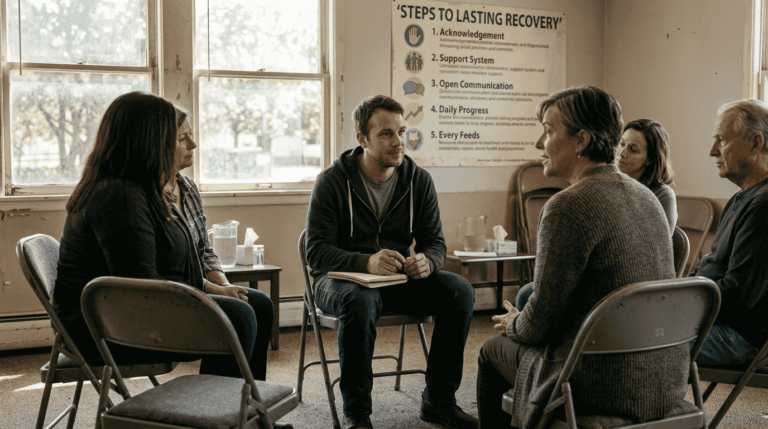

Watching someone you care about in Los Angeles County wrestle with alcohol dependency can make you feel helpless and unsure where to start. The challenge is not just about recognizing problematic drinking but also understanding how to approach your loved one with empathy and the right information. This guide shares clear steps for identifying early warning signs, learning about addiction as a disease, and making supportive choices to help your family member or friend move toward recovery.
Table of Contents
- Step 1: Recognize Early Signs Of Alcoholism
- Step 2: Educate Yourself About Addiction
- Step 3: Start An Open And Honest Conversation
- Step 4: Encourage Professional Treatment Options
- Step 5: Support Ongoing Recovery Efforts
Quick Summary
| Key Point | Explanation |
|---|---|
| 1. Recognize early warning signs of alcoholism | Monitor for changes in drinking habits, such as increased frequency, mood swings, and social withdrawal to identify potential issues early. |
| 2. Educate yourself about addiction | Understand the psychological and physiological aspects of alcoholism to provide informed support and encourage recovery effectively. |
| 3. Initiate a supportive conversation | Approach discussions about alcoholism with empathy, using ‘I’ statements and specific examples to express concern without creating defensiveness. |
| 4. Encourage professional treatment options | Research and present various treatment options to your loved one, emphasizing that seeking help is a sign of strength, not weakness. |
| 5. Support ongoing recovery efforts | Create a supportive environment by attending meetings, celebrating milestones, and actively participating in your loved one’s recovery journey without enabling them. |
Step 1: Recognize early signs of alcoholism
Identifying early signs of alcoholism can help you support a loved one before their drinking becomes a severe problem. Recognizing these warning signals requires keen observation and understanding of behavioral and emotional patterns that indicate potential alcohol dependency.
Some critical early signs of alcoholism include significant changes in drinking habits, such as increased frequency and quantity of alcohol consumption. Look for behavioral red flags like drinking alone, experiencing relationship or work performance issues, and showing signs of emotional instability. An individual struggling with alcoholism might:
- Become defensive or secretive about their drinking
- Experience sudden mood swings
- Neglect personal responsibilities
- Develop a higher alcohol tolerance
- Make unsuccessful attempts to cut back on drinking
Physical symptoms can also provide important clues. Pay attention to unexplained signs of alcohol dependency like tremors, unexpected weight changes, or poor personal hygiene. These indicators suggest that alcohol is significantly impacting their daily functioning.
Here is a summary of early behavioral and physical indicators of alcoholism to watch for:
| Indicator Type | Description | Example Impact |
|---|---|---|
| Behavioral | Secretiveness about drinking | Strains relationships |
| Emotional | Increased mood swings | Reduces work performance |
| Physical | Noticeable tremors or shaking | Affects daily functioning |
| Social | Withdrawing from activities | Limits social support |
| Hygiene | Decline in personal care | Raises health risks |
Early intervention can dramatically improve recovery outcomes and prevent long-term health complications.
Pro tip: Approach the conversation with compassion, avoiding judgmental language or accusatory tones to maintain trust and openness.
Step 2: Educate yourself about addiction
Understanding addiction is crucial for providing meaningful support to a loved one struggling with alcoholism. Addiction is a complex chronic disease that impacts brain function and requires comprehensive knowledge to effectively help someone recover.
To educate yourself effectively, focus on learning about the psychological and physiological aspects of addiction. This includes understanding how alcohol dependency develops, its impact on mental and physical health, and the underlying mechanisms that make recovery challenging. Key areas to research include:
- Neurological changes caused by long-term alcohol use
- Psychological triggers for addiction
- Different treatment approaches and recovery strategies
- Impact of addiction on family dynamics
- Genetic and environmental risk factors
Seek information from reputable sources like medical professionals, addiction specialists, and evidence-based research publications. Substance abuse myths versus facts can help you distinguish between misconceptions and scientific understanding, enabling you to approach the situation with empathy and knowledge.
Knowledge is power when supporting a loved one through addiction recovery.
Pro tip: Attend support group meetings or workshops to gain firsthand insights and connect with professionals who can provide nuanced understanding of addiction.
Step 3: Start an open and honest conversation
Initiating a conversation about alcoholism requires courage, compassion, and strategic communication. Discussing alcoholism with loved ones demands careful preparation and emotional intelligence to create a supportive environment.
When starting this critical dialogue, focus on expressing genuine concern without judgment or accusation. Choose a time and place where your loved one feels safe and comfortable, ensuring privacy and minimal distractions. Your approach should emphasize understanding and support rather than criticism. Key strategies for an effective conversation include:
- Use “I” statements to express your feelings
- Show specific examples of behaviors causing concern
- Listen actively without interrupting
- Demonstrate unconditional love and support
- Avoid lecturing or making ultimatums
Be prepared for potential defensive reactions or denial. Understand that addiction creates complex emotional barriers, and your loved one might not be immediately receptive. Maintain patience, stay calm, and reinforce that you are offering help because you care deeply about their well-being and recovery.
Compassionate communication can be the first step toward healing.
Pro tip: Practice your conversation script beforehand with a trusted friend or counselor to refine your approach and manage your own emotional responses.
Step 4: Encourage professional treatment options
Helping a loved one with alcoholism means guiding them toward professional support that can transform their recovery journey. Professional substance abuse resources offer comprehensive pathways to healing and sustainable recovery.
Encouraging treatment requires a compassionate and strategic approach. Start by researching reputable treatment centers and support programs that specialize in alcohol use disorder. Presenting multiple options demonstrates your commitment to their recovery and helps them feel empowered in their healing process. Key strategies for encouraging professional treatment include:
- Research local rehabilitation centers
- Understand different treatment modalities
- Discuss potential insurance coverage
- Offer to accompany them to initial consultations
- Share success stories of recovery
Be prepared to address potential concerns or fears about treatment. Emphasize that seeking help is a sign of strength, not weakness. Highlight the benefits of professional support, such as medical supervision, personalized treatment plans, and building coping strategies for long-term recovery.

The following table compares common treatment options for alcohol use disorder:
| Treatment Type | Approach | Main Benefit |
|---|---|---|
| Inpatient Rehab | Full-time facility | Intensive medical support |
| Outpatient Program | Scheduled sessions | Flexibility for daily life |
| Support Groups | Peer-led meetings | Ongoing community support |
| Counseling | One-on-one therapy | Addresses root causes |
Recovery is a journey of courage, not a destination of perfection.
Pro tip: Compile a list of treatment resources and contact information beforehand to demonstrate your proactive support and readiness to help.
Step 5: Support ongoing recovery efforts
Supporting a loved one’s recovery is a continuous journey that requires patience, understanding, and consistent engagement. Recovery is a transformative process that demands ongoing commitment from both the individual and their support network.
Helping someone maintain their sobriety involves creating a supportive and understanding environment. This means actively participating in their recovery without becoming controlling or enabling. Your role is to provide encouragement, accountability, and emotional support while respecting their individual recovery path. Key strategies for supporting ongoing recovery include:
- Attend family therapy or support group meetings
- Learn about addiction and recovery processes
- Create a stable, alcohol-free home environment
- Help identify and manage potential triggers
- Celebrate milestones and progress
Recognize that recovery is not linear. Setbacks are part of the healing process, and your consistent support can make a significant difference. Stay patient, communicate openly, and continue to show unconditional love and support, even during challenging moments.
Recovery is a personal journey, but no one has to walk it alone.
Pro tip: Develop a personal self-care routine to maintain your emotional strength and resilience while supporting your loved one’s recovery.

Get Compassionate Support for Your Loved One’s Alcohol Recovery Journey
Helping someone who struggles with alcoholism is challenging. You face concerns like recognizing early signs, navigating open conversations, and encouraging professional treatment as described in the article. These are critical steps to break through denial, manage emotional barriers, and support ongoing recovery. At Glendora Recovery Center we understand these pain points and provide individualized care that meets your loved one’s unique needs with compassion and expertise.
Our comprehensive programs include Partial Hospitalization and Intensive Outpatient options. We specialize in alcohol addiction treatment and family therapy using a harm-reduction approach. If you want to take the next step toward healing today visit Glendora Recovery Center Contact Us. Connect with our experienced professionals who offer flexible scheduling including mornings evenings weekends and telehealth sessions. Don’t wait for another missed opportunity — your loved one’s recovery starts with your informed support and our trusted partnership.
Frequently Asked Questions
What are the early signs of alcoholism to watch for?
Recognizing early signs of alcoholism includes observing changes in drinking habits, emotional instability, and neglect of responsibilities. Look for behaviors like increased secrecy about drinking or mood swings, and observe any physical symptoms such as tremors.
How can I start a conversation about alcoholism with a loved one?
Begin the conversation by expressing genuine concern using “I” statements to share your feelings. Choose a private and comfortable setting, and provide specific examples of behaviors causing worry while listening without interruption.
What professional treatment options should I encourage for someone with alcoholism?
Encourage your loved one to consider professional treatment options like inpatient rehab, outpatient programs, or support groups. Research local resources and present them to show your commitment to their recovery, emphasizing the importance of medical supervision and personalized support.
How can I best support someone’s ongoing recovery from alcoholism?
Support ongoing recovery by participating in their journey and maintaining an alcohol-free environment. Help them identify potential triggers, attend family therapy or support meetings, and celebrate their progress regularly to reinforce their commitment to sobriety.
What should I avoid when helping someone with alcoholism?
Avoid using judgmental language or making accusations, as this can lead to defensiveness. Focus on supportive communication and refrain from controlling their recovery process, allowing them to make their own decisions about treatment and support.
Recommended
- What to Do With an Alcoholic Husband: Effective Steps for Change | Glendora Recovery Center
- How to Help Alcoholic Stop Drinking Naturally and Effectively | Glendora Recovery Center
- How Long Does it Take to Recover from Alcohol Abuse?
- How to Set Boundaries With an Alcoholic for Real Change | Glendora Recovery Center
- How Stigma Impacts Substance Abuse Recovery – 12PanelNow | 12 Panel Drug Test | Free Shipping