
Most American families know that addiction support is not one size fits all. Each journey is shaped by health, environment, and local resources. In fact, over 20 million Americans struggle with substance use each year, yet only a fraction find care tailored to their needs. Understanding how to assess your personal challenges, explore local treatment options, and evaluate support programs can help you build a more effective path toward lasting recovery.
Table of Contents
- Step 1: Assess Your Addiction Support Needs
- Step 2: Research Local Treatment Providers
- Step 3: Evaluate Program Options and Services
- Step 4: Verify Accreditation and Staff Qualifications
- Step 5: Reach Out to Begin the Admission Process
Quick Summary
| Key Point | Explanation |
|---|---|
| 1. Conduct a Self Assessment | Use the Addiction Severity Index to evaluate critical aspects of your addiction and health. This guides your recovery journey effectively. |
| 2. Research Local Treatment Providers | Locate qualified addiction treatment centers and professionals via the Los Angeles County Department of Public Health for personalized care. |
| 3. Evaluate Program Options | Review and compare different treatment programs based on philosophies, methodologies, and integrative care solutions to find your optimal fit. |
| 4. Verify Accreditation | Ensure treatment facilities are accredited and staff members possess necessary qualifications to provide high-quality care. |
| 5. Organize Admission Requirements | Prepare essential documents and a concise summary of your needs to streamline the admission process at chosen treatment centers. |
Step 1: Assess Your Addiction Support Needs
Identifying the right addiction support requires a structured approach to understanding your unique challenges and treatment requirements. The goal is to create a personalized roadmap toward recovery that addresses your specific needs.
Begin by conducting a comprehensive self assessment using the Addiction Severity Index, a professional tool that evaluates critical aspects of your substance use and overall health. This assessment examines seven key domains: medical status, employment circumstances, drug and alcohol consumption patterns, potential legal complications, family dynamics, social relationships, and mental health. By systematically analyzing these areas, you can gain deeper insights into the complexity of your addiction and determine the most appropriate support strategies.
For Los Angeles residents, the local Substance Abuse Prevention and Control department offers additional resources to help guide your assessment process. Reach out to local treatment centers or counseling services that can provide professional evaluations and help you navigate the nuanced landscape of addiction support. Remember that seeking help demonstrates strength and commitment to your personal wellbeing.
Pro tip: Document your self assessment findings in a private journal, which can help you track progress and provide valuable information for healthcare professionals during your recovery journey.
Here is a summary of the key domains assessed by the Addiction Severity Index and their importance:
| Domain Assessed | Why It Matters | Example Questions |
|---|---|---|
| Medical Status | Identifies health conditions impacting recovery | Do you have chronic illnesses? |
| Employment Situation | Reveals stability and financial stress | Are you currently employed? |
| Substance Use Patterns | Measures level and type of substance use | Which substances do you use? |
| Legal Status | Highlights potential legal barriers | Do you have pending legal issues? |
| Family Relationships | Assesses home environment support | Is your family supportive? |
| Social Connections | Gauges strength of social network | Do you have reliable friends? |
| Psychiatric Status | Identifies co-occurring mental health needs | Have you experienced depression? |
Step 2: Research Local Treatment Providers
Researching local addiction treatment providers requires a strategic and comprehensive approach to finding the most suitable support for your recovery journey. Your goal is to identify qualified professionals and facilities that can address your specific needs with personalized care.
Begin by consulting the comprehensive list of Medications for Addiction Treatment providers offered by the Los Angeles County Department of Public Health. This resource provides detailed information about local treatment services, including contact details and specialized program offerings. Cross reference these providers with the SAPC Patient Handbook, which offers an expanded directory of treatment options in Los Angeles County. When evaluating potential providers, consider factors such as their treatment philosophy, available programs, credentials, specialization in your specific type of addiction, and whether they offer comprehensive support that includes mental health services.
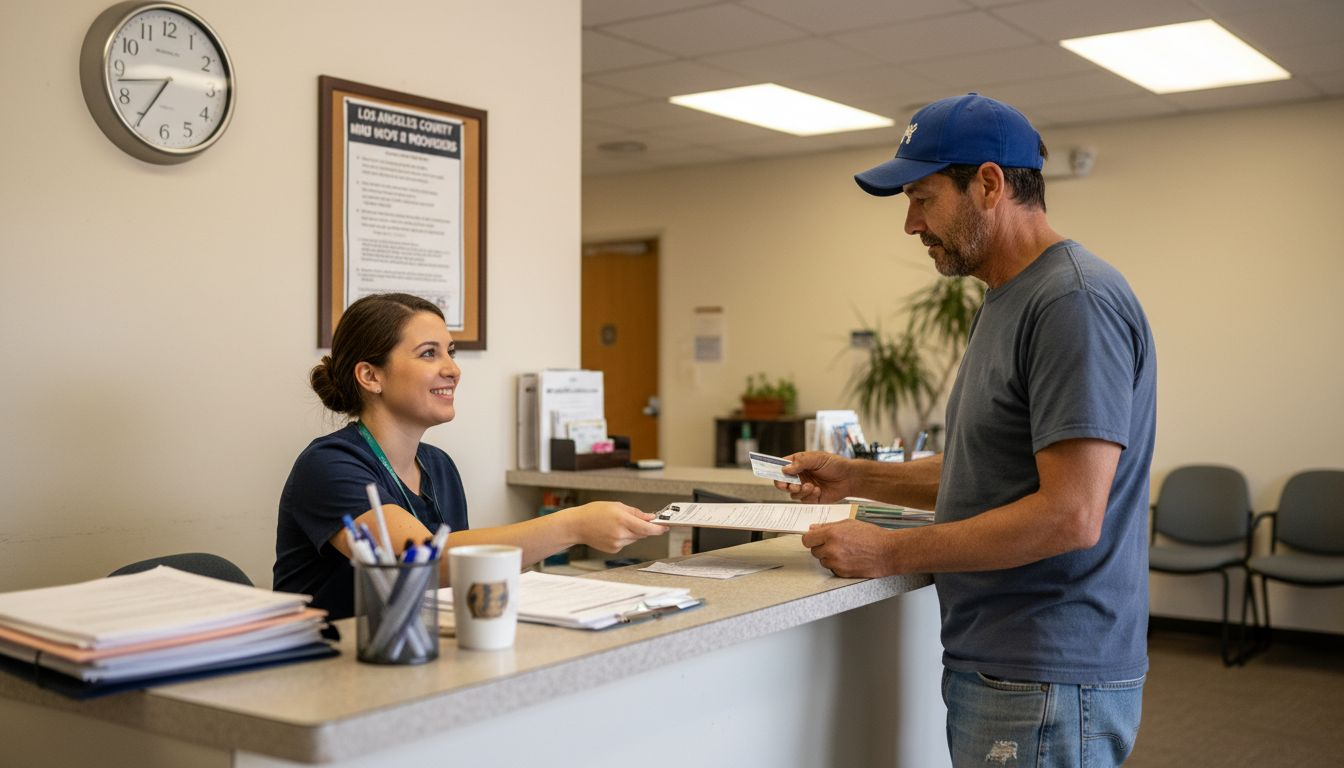
Reach out to multiple treatment centers to schedule initial consultations, which will help you gauge their approach, ask critical questions about their programs, and determine the best fit for your recovery goals. Many centers offer free initial assessments that can provide valuable insights into their treatment methodologies.
Pro tip: Create a spreadsheet to track and compare different treatment providers, noting their specialties, contact information, insurance acceptance, and your personal impressions after initial consultations.
Step 3: Evaluate Program Options and Services
Evaluating addiction treatment programs requires a thoughtful and comprehensive approach to ensure you select the most appropriate support for your unique recovery journey. Your objective is to match your specific needs with the right combination of treatment services and therapeutic approaches.
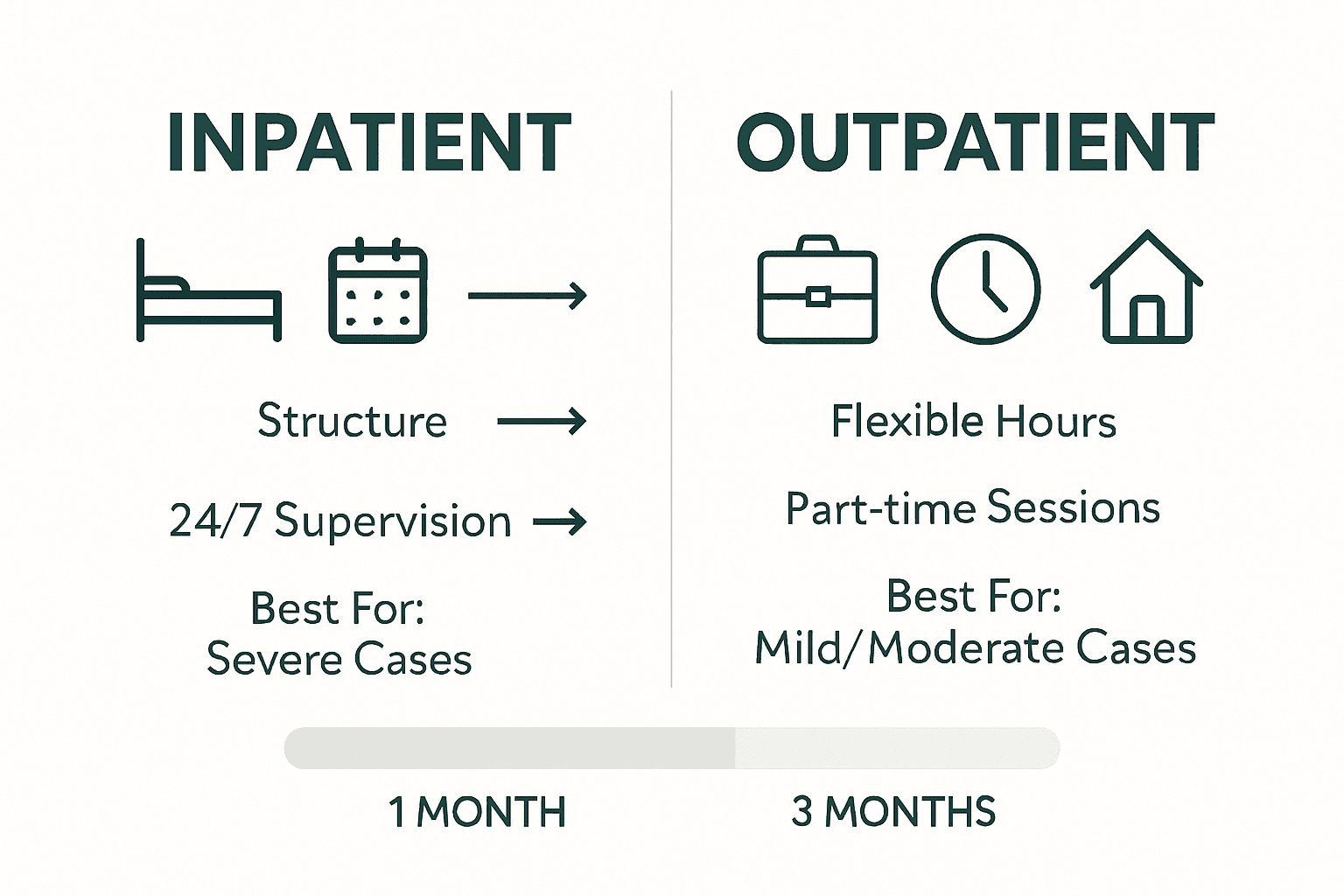
Consult the SAPC Patient Handbook for a detailed overview of available treatment programs in Los Angeles County. This resource provides comprehensive insights into various service options including inpatient and outpatient programs, counseling modalities, and support group structures. When reviewing potential programs, critically assess key factors such as the treatment philosophy, staff credentials, specialized addiction expertise, mental health integration, aftercare planning, and holistic recovery support.
Examine the range of services offered by different treatment providers using the Los Angeles County Department of Public Health’s MAT providers directory. Look beyond basic program descriptions and dig deeper into their treatment approaches, therapeutic techniques, group dynamics, individual counseling options, and long term recovery support strategies. Pay special attention to programs that offer personalized treatment plans, demonstrate flexibility in addressing individual challenges, and provide comprehensive support for both addiction and potential underlying mental health conditions.
Pro tip: Request detailed program brochures and schedule consultations with multiple treatment centers to gain firsthand insights into their recovery approach and determine the best potential fit for your personal recovery goals.
This table compares inpatient and outpatient addiction treatment options to help in program selection:
| Program Type | Structure & Supervision | Best For | Typical Duration |
|---|---|---|---|
| Inpatient | 24/7 structured environment | Severe addictions, high risk | 30 days or longer |
| Outpatient | Scheduled sessions, more freedom | Mild to moderate cases, work commitments | Varies: weeks to months |
Step 4: Verify Accreditation and Staff Qualifications
Ensuring the credibility of an addiction treatment facility requires a methodical approach to validating its professional standards and staff expertise. Your primary goal is to confirm that the treatment center meets rigorous industry benchmarks and employs highly qualified professionals who can provide exceptional care.
Refer to the SAPC Patient Handbook for comprehensive guidance on identifying accredited treatment facilities. This resource offers critical insights into the key credentials and qualifications you should look for when evaluating addiction treatment providers. Begin by checking each facility’s state licensing status verify their authorization to provide addiction treatment services. Examine staff credentials carefully ensure they possess advanced degrees in counseling psychology addiction medicine relevant therapeutic disciplines.
Utilize the Los Angeles County Department of Public Health’s MAT providers directory to cross reference treatment centers professional standings. Look for additional certifications from reputable organizations such as the Substance Abuse and Mental Health Services Administration (SAMHSA) or the Joint Commission which indicate advanced professional standards. Pay special attention to staff members specialized training in evidence based treatment methodologies individualized care approaches mental health integration and comprehensive recovery support strategies.
Pro tip: Create a detailed checklist of required credentials and professional certifications before your initial consultations to streamline your verification process and ensure thorough evaluation of potential treatment providers.
Step 5: Reach Out to Begin the Admission Process
Initiating the admission process for addiction treatment requires proactive communication and careful preparation. Your goal is to establish meaningful contact with potential treatment providers and navigate the initial steps toward recovery with confidence and clarity.
Consult the SAPC Patient Handbook for comprehensive guidance on the admission documentation and process requirements. This resource provides critical insights into the necessary steps for entering a treatment program including the specific paperwork and personal information you will need to prepare. Gather essential documents such as identification insurance information medical history mental health records and any relevant legal documentation before making your initial contact.
Utilize the Los Angeles County Department of Public Health’s MAT providers directory to locate contact information for treatment centers. When reaching out prepare a concise summary of your treatment needs current health status and specific concerns. Be prepared to discuss your addiction history mental health background insurance coverage and treatment goals during initial consultations. Many treatment centers offer free phone assessments that can help determine the most appropriate level of care for your specific situation.
Pro tip: Create a dedicated folder or digital file to organize all your medical documents insurance information and treatment center communications to streamline the admission process and ensure you have quick access to critical information.
Find Local Addiction Help in Los Angeles with Glendora Recovery Center
Struggling to navigate the complex steps for addiction treatment discussed in the article can feel overwhelming. Whether you are assessing your specific needs using tools like the Addiction Severity Index or researching local treatment providers and services, taking the first step toward recovery requires trusted guidance and expert support. Key challenges include finding accredited programs that match your unique situation, verifying staff qualifications, and swiftly beginning the admission process without delays.
At Glendora Recovery Center, we understand these obstacles and offer personalized care tailored to your individual needs and goals. Our range of programs such as Partial Hospitalization and Intensive Outpatient can accommodate diverse recovery journeys including co-occurring disorders, all provided by compassionate professionals. We provide flexible scheduling with morning, evening, weekend, and online telehealth sessions to suit your lifestyle and ease your transition into treatment.
Don’t let uncertainty or lack of local resources slow your progress. Take control of your recovery now by contacting our experienced team for a confidential consultation. Learn more about how we can support your journey by visiting Glendora Recovery Center Contact and start the admission process with confidence. Your path to healing in Los Angeles County begins with one call.
Frequently Asked Questions
How can I quickly assess my addiction support needs?
To quickly assess your addiction support needs, conduct a comprehensive self-assessment using the Addiction Severity Index. Focus on the seven key domains it evaluates, such as medical status and substance use patterns, to gain insights into your specific challenges and treatment requirements.
What steps should I take to find local treatment providers in Los Angeles?
Start by researching local treatment providers through resources like the Los Angeles County Department of Public Health. Create a list of potential treatment centers, and reach out to them for initial consultations to assess which one best matches your needs.
How do I evaluate addiction treatment programs effectively?
When evaluating addiction treatment programs, review their services and approaches detailed in the SAPC Patient Handbook. Focus on factors such as the treatment philosophy and staff qualifications to choose a program that aligns with your individual recovery goals.
What qualifications should I look for in addiction treatment staff?
Look for treatment facilities with accredited staff who hold advanced degrees in counseling or addiction medicine. Confirm their credentials and any additional certifications to ensure they have the expertise needed for effective care.
What do I need to start the admission process for addiction treatment?
To begin the admission process for addiction treatment, gather essential documentation such as identification, insurance information, and medical history. Prepare a summary of your treatment needs and reach out to your chosen treatment providers to initiate the process smoothly.
How can I document my recovery progress?
Document your recovery progress by maintaining a private journal where you can record your self-assessment findings and treatment experiences. Regularly updating this journal will help you track progress and provide valuable information for healthcare professionals.
Recommended
- Sober Living in Los Angeles County: How Glendora creates an impact
- How Long Does it Take to Recover from Alcohol Abuse?
- 7 Essential Recovery Strategies for Adults in Los Angeles | Glendora Recovery Center
- 7 Essential Recovery Support Resources for Los Angeles Residents | Glendora Recovery Center
- Emergency Repair Service: Fast Solutions for Homeowners