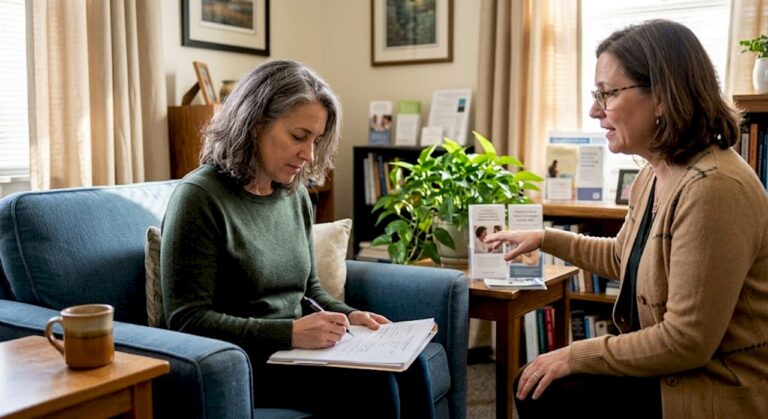

Over 40 million American adults face anxiety disorders each year, making it one of the most common mental health struggles in the United States. Recognizing the signs early can help prevent anxiety attacks from taking control of your day. Knowing what to look for, how to create a calming environment, and key self-care techniques gives you practical ways to manage your well-being and support those around you.
Table of Contents
- Step 1: Recognize Early Signs of an Anxiety Attack
- Step 2: Create a Safe and Calming Environment
- Step 3: Guide Breathing and Grounding Techniques
- Step 4: Offer Reassurance and Supportive Presence
- Step 5: Verify Calm and Create an Ongoing Safety Plan
Quick Summary
| Key Insight | Explanation |
|---|---|
| 1. Recognize anxiety attack signs | Identify physical and emotional symptoms early to intervene effectively and prevent escalation. |
| 2. Cultivate a calming environment | Optimize your home space with soothing elements to enhance emotional well-being and reduce stress. |
| 3. Practice breathing and grounding techniques | Use methods like the 4-7-8 breathing or the 5-4-3-2-1 grounding technique to regain calm during anxiety. |
| 4. Offer supportive presence | Provide gentle support and validate feelings of those experiencing anxiety to create a sense of safety. |
| 5. Develop a personalized safety plan | Create a structured plan with coping strategies and supportive contacts to manage future anxiety episodes. |
Step 1: Recognize Early Signs of an Anxiety Attack
Understanding how to recognize the early warning signals of an anxiety attack can help you take swift action and prevent escalation. According to Mayo Clinic Health System, key symptoms include physical and emotional indicators that signal your body is entering a heightened stress response.
Physical signs often emerge first and can feel overwhelming. You might notice your heart racing unexpectedly, your breathing becoming shallow and rapid, or sudden trembling in your hands or legs. Sweating without physical exertion, feeling lightheaded, or experiencing chest tightness are also common precursors. Emotionally, you could feel an intense sense of impending danger or uncontrollable worry that seems disconnected from your immediate environment.
Pay close attention to your body’s signals. Some people experience these symptoms as a gradual buildup, while others feel them strike suddenly. Learning to recognize these early warning signs empowers you to intervene quickly, whether through deep breathing techniques, grounding exercises, or reaching out to a trusted support person. Remember that experiencing anxiety symptoms does not make you weak just aware and ready to take care of yourself.
If anxiety attacks become frequent or significantly disrupt your daily life, consulting with mental health professionals can provide personalized strategies for managing your specific experience.
Step 2: Create a Safe and Calming Environment
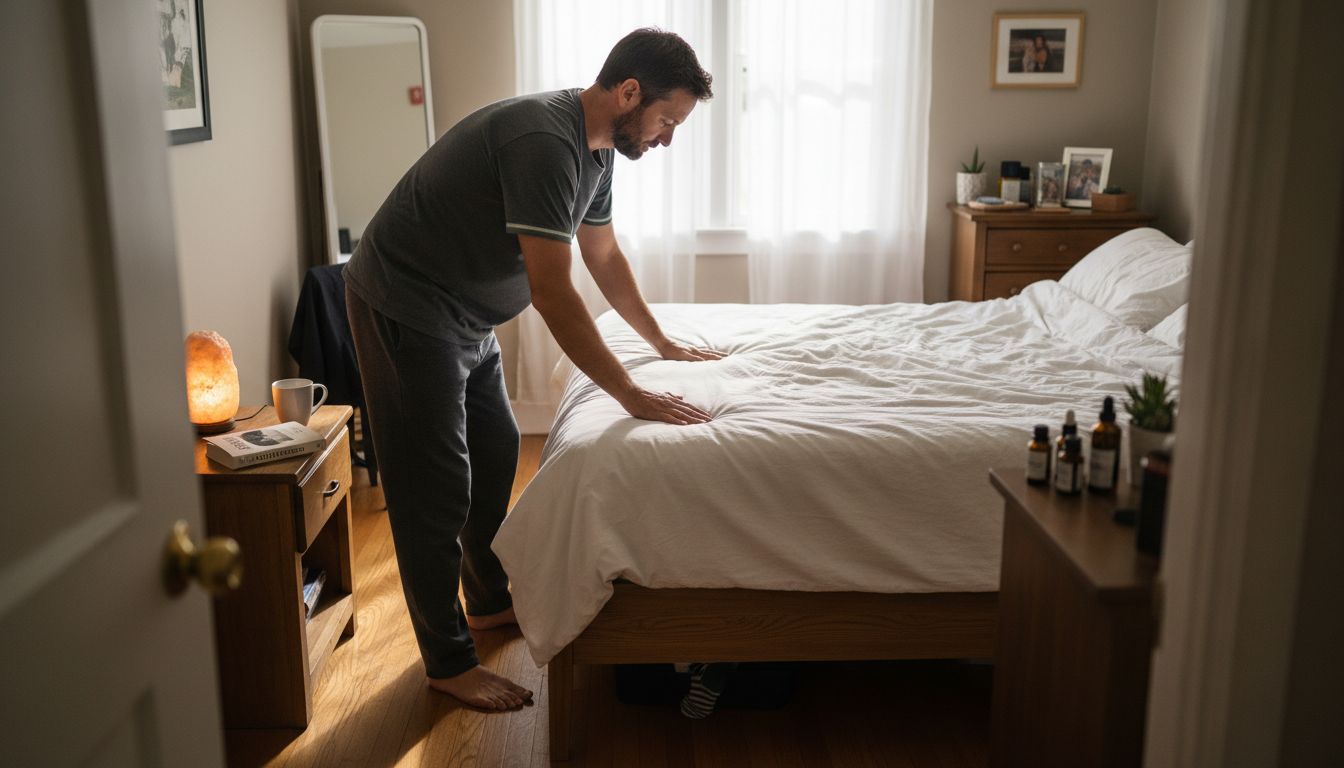
Creating a sanctuary where you feel secure and relaxed is crucial when managing anxiety. Optimizing your home environment can significantly reduce stress and provide a sense of comfort and control, transforming your living space into a therapeutic retreat.
Start by decluttering your primary living and sleeping areas. Excess items can create visual noise that triggers anxiety, so focus on minimalist design with purposeful, soothing elements. Incorporate natural materials like wood and stone, which can create a grounding effect. Soft, neutral color palettes such as muted blues, greens, and earth tones help promote calmness. Consider adding soft textiles like plush throws, comfortable cushions, and gentle lighting that can be adjusted to create a warm, protective atmosphere.
Pay special attention to your bedroom, which should be a dedicated sanctuary for rest and recovery. Invest in comfortable bedding, use blackout curtains to regulate light, and consider white noise machines or soft nature sounds to create a peaceful auditory environment. If possible, remove electronic devices that might disrupt your mental peace or trigger anxious thoughts. A carefully curated space can be a powerful tool in managing anxiety, offering you a physical space that mirrors the internal calm you are working to cultivate.
If you need additional support in managing anxiety, our professionals can help create personalized strategies that complement your home environment approach.
Step 3: Guide Breathing and Grounding Techniques
Breathing and grounding techniques are powerful tools for interrupting anxiety attacks and helping your body return to a state of calm. These practical strategies work directly with your nervous system to shift your physiological response from fight or flight to rest and restore.
Start with the 4-7-8 breathing technique a simple yet profound method to reset your nervous system. Inhale quietly through your nose for 4 seconds. Hold that breath for 7 seconds. Then exhale completely through your mouth for 8 seconds creating a deliberate pattern that signals safety to your brain. Repeat this cycle 4 to 5 times. For grounding techniques focus on sensory awareness. The 5-4-3-2-1 method can help. Identify 5 things you can see around you 4 things you can touch 3 things you can hear 2 things you can smell and 1 thing you can taste. This exercise pulls your attention away from anxious thoughts and anchors you in the present moment.
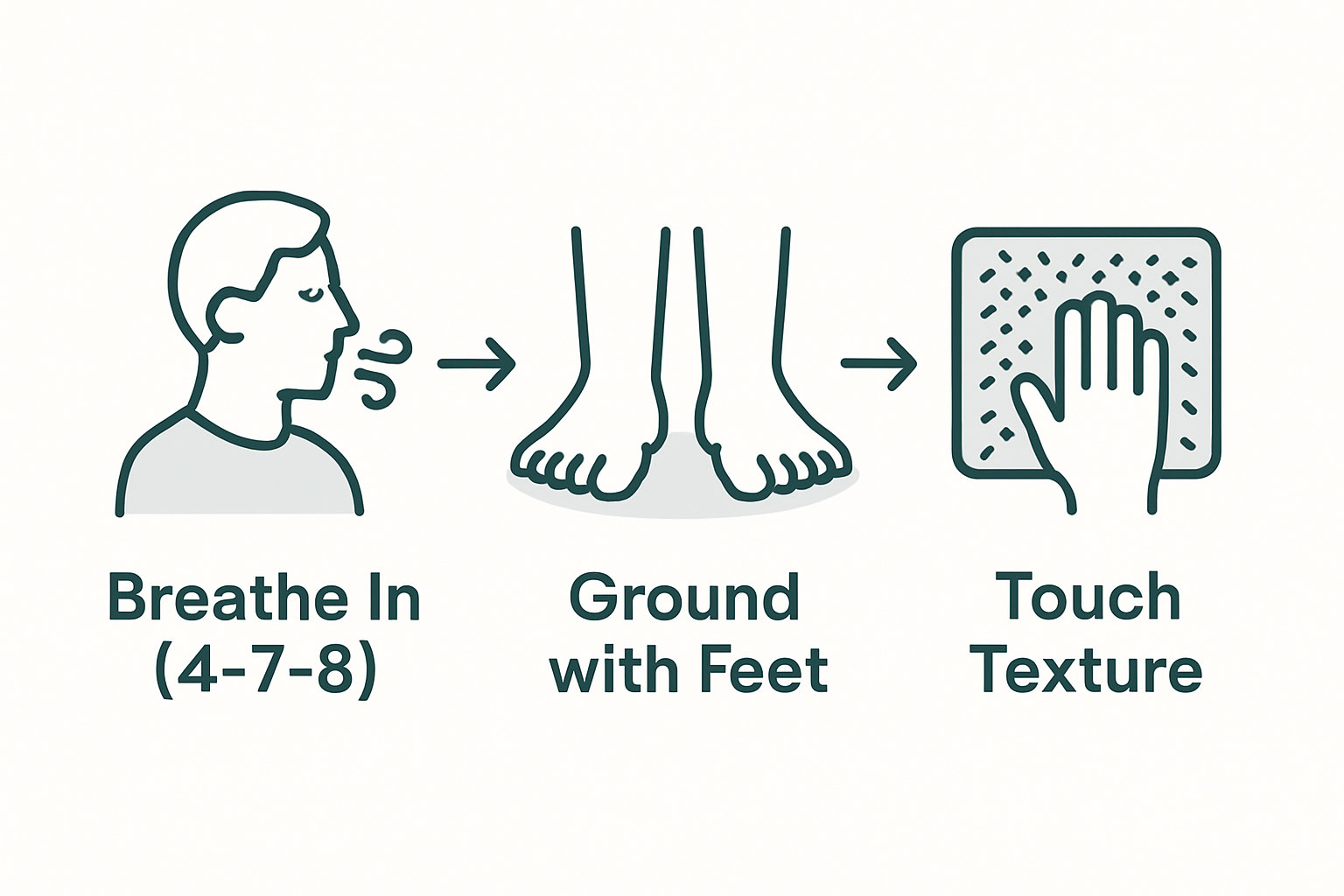
Physical grounding can also provide immediate relief. Press your feet firmly into the ground feel the solid surface beneath you or hold a cold object like a stone or ice cube. These tactile sensations create a powerful neurological interrupt to spiraling anxiety. If anxiety continues to feel overwhelming, professional support can provide additional personalized coping strategies tailored to your specific experience.
Step 4: Offer Reassurance and Supportive Presence
Staying connected and offering genuine support can significantly lower stress and anxiety levels, creating a lifeline for someone experiencing an anxiety attack. Your calm and compassionate presence can be a powerful tool in helping someone navigate through their intense emotional experience.
Approach the person with a gentle demeanor and soft speaking voice. Use phrases that validate their feelings without minimizing their experience such as I hear you or This must feel really difficult right now. Avoid saying things like calm down or there is nothing to worry about which can make them feel misunderstood. Instead ask what they need in the moment. Would they prefer sitting quietly together or having you speak softly? Some individuals want physical proximity like a hand on their shoulder while others might prefer a bit of space. Always ask for consent before touching.
Remain patient and present. Anxiety attacks can feel overwhelming and unpredictable so your steady presence communicates safety. Professional guidance can help develop more nuanced strategies for supporting loved ones through anxiety and understanding their unique emotional landscape. Remember that supporting someone does not mean fixing their experience but being a compassionate witness to their journey.
Step 5: Verify Calm and Create an Ongoing Safety Plan
Creating a personalized calm corner with intentional comfort strategies can help establish a sense of safety during and after anxiety attacks. This final step focuses on stabilizing your emotional state and developing a proactive approach to managing future anxiety episodes.
Start by developing a written safety plan that includes specific coping techniques you know work for you. List your personal triggers warning signs and most effective grounding methods. Include contact information for trusted support people and mental health professionals. Create a physical calm space in your home filled with sensory items that help you feel secure a soft blanket noise canceling headphones a calming playlist or comforting photographs. Practice safe place visualization regularly imagine a serene environment where you feel completely protected and in control. This mental technique can become a powerful tool for redirecting anxious thoughts.
Review and update your safety plan quarterly to ensure it remains relevant to your current emotional needs. Pay attention to what strategies work best and be willing to adapt your approach. Compassionate self talk is crucial during this process remind yourself that experiencing anxiety does not define you and that you are actively taking steps to support your mental wellness. Professional counseling can provide additional personalized strategies for refining your anxiety management approach and developing long term resilience.
Find Lasting Relief from Anxiety with Expert Support
Anxiety attacks can feel overwhelming and isolating, especially when faced alone with racing heartbeats, shortness of breath, or uncontrollable worry. This article emphasizes the importance of recognizing early signs, creating calming environments, and using grounding techniques—all vital first steps toward managing anxiety naturally. If you find these challenges persistent or disruptive to your daily life it is essential to seek comprehensive care tailored to your unique needs.
At Glendora Recovery Center we specialize in helping adults and teens overcome not only substance abuse but also co-occurring anxiety and mental health disorders. Our compassionate team offers flexible programs including Partial Hospitalization Programs and Intensive Outpatient care designed to build resilience through personalized coping strategies. Don’t wait to transform your journey toward calm and control with trusted professional guidance.
Take the step to regain peace today by reaching out to our experienced staff for individualized support at Glendora Recovery Center Contact. Learn how our evidence-based therapies and safe healing environment can empower you to manage anxiety naturally and improve your overall well-being. Your path to sustained relief starts with a single decision.
Frequently Asked Questions
How can I recognize the early signs of an anxiety attack?
You can recognize early signs of an anxiety attack by monitoring both physical and emotional symptoms, such as a racing heart, shallow breathing, and feelings of impending doom. Pay close attention to these signals when they arise, and consider implementing deep breathing techniques immediately to help regain control.
What steps can I take to create a calming environment at home for anxiety relief?
To create a calming environment, declutter your living space and incorporate soft colors, natural materials, and comfortable textiles. Focus on transforming your bedroom into a serene retreat by investing in quality bedding and reducing electronic distractions.
What breathing techniques can help during an anxiety attack?
One effective method is the 4-7-8 breathing technique. Inhale through your nose for 4 seconds, hold for 7 seconds, and exhale through your mouth for 8 seconds, repeating this cycle 4 to 5 times to help calm your nervous system.
How can I support someone else having an anxiety attack?
You can support someone experiencing an anxiety attack by offering a calm presence and validating their feelings. Use soothing language and ask what they need at that moment, creating an atmosphere of safety and understanding.
What should I include in my safety plan for managing anxiety?
Your safety plan should include personal triggers, warning signs, effective coping techniques, and contact information for trusted support. Regularly review and adjust the plan based on your ongoing experience, ensuring it remains relevant and effective.
How can I practice grounding techniques for anxiety relief?
You can practice grounding techniques by using the 5-4-3-2-1 method: identify 5 things you can see, 4 things you can touch, 3 things you can hear, 2 things you can smell, and 1 thing you can taste. This exercise helps redirect your focus to the present moment, easing anxious thoughts.
Recommended
- anxiety treatment center in los angeles | Glendora Recovery
- Substance Abuse and Anxiety Disorders Explained | Glendora Recovery Center
- How to Get Through Xanax Withdrawal | Glendora Recovery
- PTSD Treatment Los Angeles
- 7 Natuurlijke middelen tegen allergie voor beter welzijn – Mijn Voedsel Intolerantie Test