
More than 20 million American adults face addiction every year, yet true recovery is about much more than quitting substances. The journey requires rebuilding identity, relationships, and emotional strength while facing deep psychological and social challenges. This guide reveals how personalized strategies, honest conversations, and strong support networks can help American families and communities support lasting healing.
Table of Contents
- Defining Recovery and Its Unique Challenges
- Types of Questions That Promote Honesty
- Exploring Relapse Triggers and Personal Goals
- Supporting Emotional and Mental Health Needs
- Role of Family and Community in Recovery
Key Takeaways
| Point | Details |
|---|---|
| Complex Nature of Recovery | Recovery is a profound personal transformation requiring holistic strategies that address psychological, emotional, and social rebuilding. |
| Importance of Support Networks | Developing robust support systems and practicing effective communication significantly enhance the recovery journey for individuals. |
| Managing Relapse Triggers | Identifying relapse triggers and setting personal goals are crucial for sustainable recovery and emotional resilience. |
| Role of Family and Community | Supportive relationships within families and communities provide essential emotional and practical resources, fostering accountability and connection during recovery. |
Defining Recovery and Its Unique Challenges
Recovery from addiction is far more complex than simply abstaining from substances. It represents a profound personal transformation that involves psychological, emotional, and social rebuilding. Comprehensive recovery strategies recognize addiction as a multifaceted experience requiring holistic healing.
At its core, recovery involves understanding addiction not as a moral failure, but as a chronic behavioral health condition with intricate neurological and psychological components. Research indicates that recovery is a deeply personal journey where individuals progressively reclaim agency over their lives. According to scholarly perspectives, recovery encompasses more than symptom management – it’s about reconstructing identity, rebuilding relationships, and developing healthier coping mechanisms.
The challenges inherent in recovery are significant and nuanced. Individuals must navigate complex psychological landscapes, addressing underlying trauma, managing potential mental health comorbidities, and developing resilience against relapse triggers. Successful recovery plans recognize that healing is nonlinear, involving setbacks, personal growth, and continuous self-discovery. Each person’s path is unique, requiring personalized approaches that respect individual experiences and support long-term wellness.
Critical elements of sustainable recovery include:
- Developing robust support networks
- Learning effective emotional regulation techniques
- Addressing co-occurring mental health conditions
- Creating meaningful life goals beyond substance use
- Cultivating self-compassion and personal accountability
Types of Questions That Promote Honesty
In addiction recovery, the quality of communication can significantly impact an individual’s healing journey. Effective questioning techniques create a safe environment where individuals feel supported, understood, and motivated to share authentic experiences. The goal is not interrogation, but genuine connection and mutual understanding.
Some powerful question types encourage deeper self-reflection and honest disclosure. Open-ended questions allow individuals to explore their thoughts and feelings without feeling defensive. These queries invite comprehensive responses that reveal underlying emotions, motivations, and challenges. For example, instead of asking “Did you use substances this week?”, a more effective approach might be “What challenges have you encountered in maintaining your recovery?”
Psychologically sensitive questioning requires a delicate balance of compassion and directness. Nonjudgmental inquiries help individuals feel respected and heard, reducing the likelihood of defensive responses. Questions that demonstrate empathy and recognize the complexity of addiction can create a collaborative atmosphere. By focusing on personal growth, understanding triggers, and developing positive coping strategies, these conversations become transformative tools for recovery.
Key characteristics of questions that promote honesty include:
- Using a calm, neutral tone
- Avoiding accusatory language
- Showing genuine interest in the person’s experience
- Allowing sufficient time for thoughtful responses
- Demonstrating active listening and emotional validation
Additional strategies for encouraging honest communication involve:
- Creating a physically and emotionally safe environment
- Maintaining consistent body language
- Practicing patience during vulnerable conversations
- Respecting personal boundaries
- Offering unconditional support without expecting perfection
Exploring Relapse Triggers and Personal Goals
Recovery is a nuanced journey of self-discovery that requires deep understanding of personal vulnerabilities and aspirational potential. Addiction recovery strategies recognize that identifying relapse triggers and establishing meaningful personal goals are critical components of sustainable healing.

Relapse triggers represent complex psychological and environmental stimuli that can potentially compromise an individual’s recovery progress. These triggers are highly individualized and can stem from emotional states, social situations, physical environments, or specific memories. Emotional triggers might include stress, anxiety, loneliness, or unresolved trauma, while environmental triggers could involve specific locations, social gatherings, or interactions that remind an individual of past substance use patterns.
Developing personal goals serves as a powerful counterbalance to potential relapse vulnerabilities. By creating a forward-looking framework, individuals in recovery can redirect their energy toward constructive life objectives that provide meaning, purpose, and motivation. These goals might encompass professional aspirations, relationship rebuilding, educational pursuits, physical wellness, or personal development milestones that reinforce positive self-identity and emotional resilience.
Key strategies for exploring and managing relapse triggers include:
- Conducting thorough self-reflection
- Documenting specific trigger patterns
- Developing personalized coping mechanisms
- Creating contingency plans for challenging situations
- Establishing a supportive accountability network
Effective goal-setting approaches for individuals in recovery involve:
- Creating realistic, incremental objectives
- Celebrating small victories
- Maintaining flexibility and self-compassion
- Regularly reassessing and adjusting goals
- Connecting personal goals with broader recovery journey
Supporting Emotional and Mental Health Needs
Comprehensive mental health support is fundamental to sustainable addiction recovery, recognizing that emotional wellness and psychological healing are interconnected journeys requiring specialized, compassionate intervention. Recovery is not merely about abstaining from substances, but about addressing the underlying emotional landscapes that contribute to addictive behaviors.
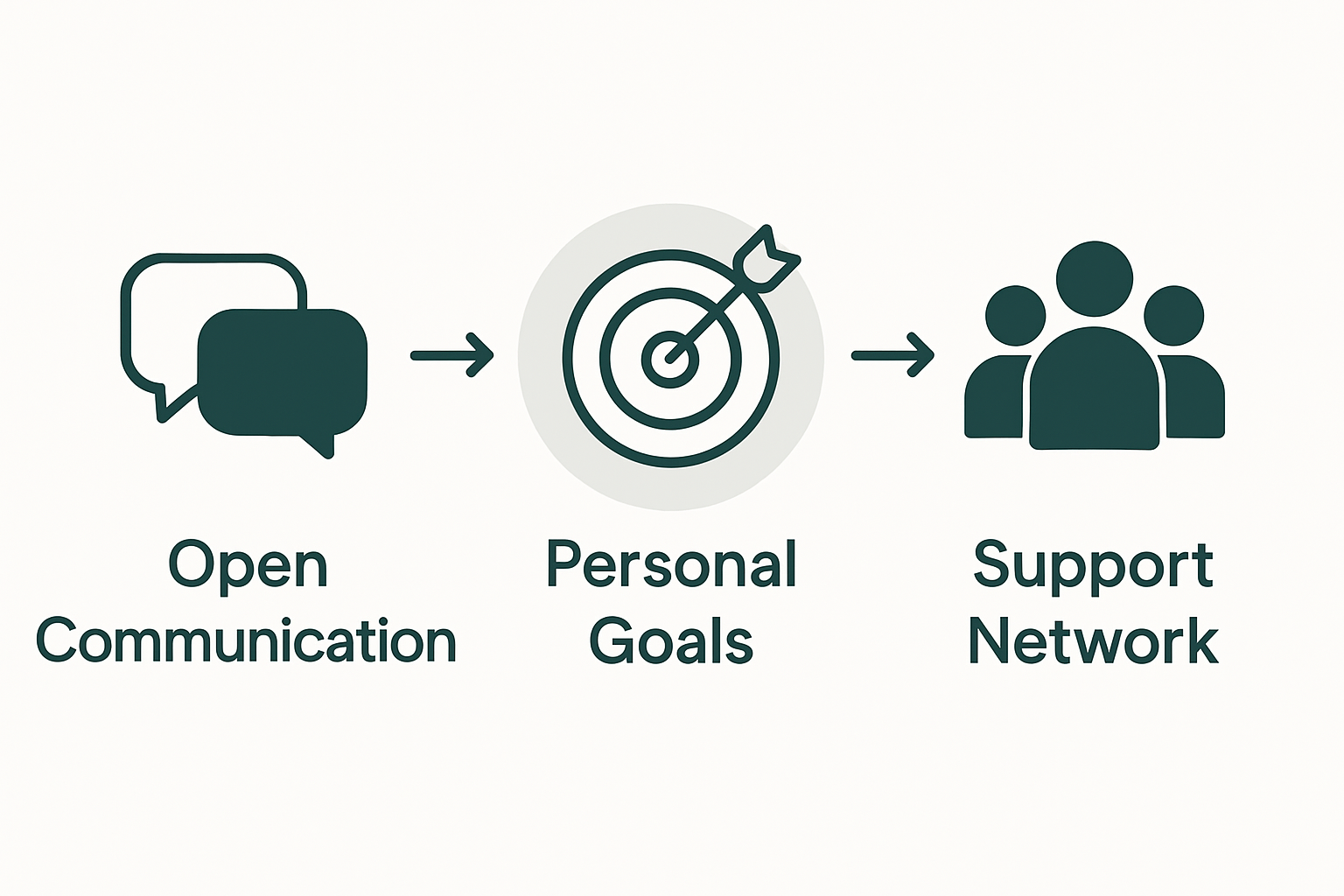
Trauma-informed care emerges as a critical approach in supporting individuals’ emotional and mental health needs. This methodology acknowledges that many individuals struggling with addiction have experienced significant psychological wounds that require gentle, nuanced treatment. Emotional healing involves creating safe therapeutic environments where individuals can explore their psychological patterns, unpack complex emotional experiences, and develop healthier coping mechanisms without judgment or re-traumatization.
Addressing co-occurring mental health conditions is essential in addiction recovery. Many individuals experience simultaneous struggles with depression, anxiety, post-traumatic stress, or other psychological challenges that intersect with substance use disorders. Healthy coping strategies become instrumental in developing resilience, emotional regulation, and constructive approaches to managing psychological distress.
Key elements of emotional and mental health support include:
- Personalized therapeutic interventions
- Evidence-based psychological treatments
- Holistic approaches addressing mind-body connections
- Developing emotional intelligence
- Building robust support networks
Critical components of effective mental health support involve:
- Comprehensive psychological assessments
- Individualized treatment planning
- Ongoing emotional skill development
- Family and relationship counseling
- Long-term mental wellness strategies
Role of Family and Community in Recovery
Supportive relationships are fundamental to sustainable addiction recovery, transforming the healing journey from an isolated struggle into a collaborative process of transformation. Families and communities serve as critical support systems that provide emotional scaffolding, accountability, and genuine connection during challenging recovery phases.
Honest communication emerges as a pivotal element in family and community engagement. Effective support strategies involve creating safe, non-judgmental environments where individuals in recovery can openly discuss their challenges, fears, and progress. This transparent approach helps rebuild trust, repair fractured relationships, and develop mutual understanding about the complexities of addiction and recovery.
Beyond emotional support, families and communities play instrumental roles in providing practical resources and reinforcing positive behavioral changes. This involves creating structured support networks, participating in family therapy, learning about addiction dynamics, and developing healthy boundary-setting skills. The goal is to foster an ecosystem that encourages personal growth, resilience, and sustained recovery while avoiding enabling behaviors.
Key responsibilities of supportive family and community networks include:
- Practicing active, empathetic listening
- Educating themselves about addiction recovery
- Maintaining consistent, non-judgmental support
- Participating in family counseling
- Recognizing and celebrating recovery milestones
Critical strategies for effective family and community support involve:
- Attending support group meetings
- Developing clear communication protocols
- Establishing healthy emotional boundaries
- Creating collaborative recovery plans
- Implementing mutual accountability mechanisms
Empower Honest Conversations to Support Lasting Recovery
Recovery is a deeply personal journey that requires both courage and compassionate communication. This article highlights the importance of asking the right questions—those that promote honesty, foster self-reflection, and create a safe space for growth. Understanding relapse triggers and personal goals is critical to overcoming the unique challenges faced in recovery. At Glendora Recovery Center, we recognize these pain points and offer tailor-made treatment programs designed to guide individuals through this complex process with emotional support and strategic care.
If you or a loved one is striving for lasting change, partnering with experienced professionals can make all the difference. Our comprehensive programs address co-occurring disorders, mental health, and the emotional needs vital for sustainable healing. Take the first step toward a brighter future by reaching out to Glendora Recovery Center today. Learn how our compassionate team can support honest communication and long-term wellness by exploring our Partial Hospitalization Programs and Intensive Outpatient Programs tailored to your unique recovery journey.
Frequently Asked Questions
What types of questions promote honesty in recovery discussions?
Effective questions that promote honesty include open-ended and nonjudgmental inquiries. These types of questions encourage deeper self-reflection and create a safe environment for individuals to share their experiences.
How can families support their loved ones in recovery?
Families can support their loved ones by practicing active listening, educating themselves about addiction recovery, maintaining non-judgmental support, and participating in family counseling to rebuild trust and understanding.
What are some common relapse triggers to be aware of during recovery?
Common relapse triggers include emotional states such as stress and anxiety, as well as environmental stimuli, like specific locations or social situations that remind individuals of past substance use.
How important is setting personal goals in the recovery process?
Setting personal goals is crucial in recovery as it provides individuals with a forward-looking framework, helping them focus on constructive life objectives, which can enhance motivation and reinforce positive self-identity.
Recommended
- There Is No Shame in Seeking Help for Addiction
- Drug Rehab Programs Are Built to Provide Long Term Benefits
- What to Say to an Addict: A Supportive Conversation Guide | Glendora Recovery Center
- Drug Classes: How It Can Transform Someone’s Life?
- How can we Overcome Addiction? – Future Family Office
- Complete Guide to Role of Supplements in Recovery – Nutribliss Inc.