
Confused by the language used in addiction treatment? For many in Los Angeles County, understanding these complex terms is a crucial step toward building hope and finding help. With so many programs and recovery options available, families and individuals often face a maze of unfamiliar words. This guide breaks down the most important terminology in clear, accessible language, empowering you to make informed choices and support lasting recovery.
Table of Contents
- Addiction Treatment Glossary Explained
- Common Program Types And Approaches
- Essential Terms In Dual Diagnosis Care
- Key Roles And Responsibilities In Recovery
- Harm Reduction, Aftercare, And Legal Terms
Key Takeaways
| Point | Details |
|---|---|
| Understanding Addiction Terminology | Familiarizing oneself with key addiction terms enhances communication and supports the recovery process for patients and families. |
| Diverse Treatment Approaches | Personalized and flexible treatment plans that integrate various therapeutic strategies are essential for effective addiction recovery. |
| Importance of Dual Diagnosis Care | Integrated treatment for co-occurring mental health and substance use disorders is crucial for addressing complex patient needs holistically. |
| Role of Support Systems | Engaging with professionals and support networks fosters a collaborative recovery journey that sustains long-term healing. |
Addiction Treatment Glossary Explained
Addiction treatment terminology can feel overwhelming and complex, but understanding these key terms helps patients and families navigate recovery more effectively. Addiction experts define this condition as a chronic medical disorder characterized by compulsive substance use despite significant negative consequences. By demystifying these terms, individuals can better comprehend their recovery journey and recognize the nuanced nature of substance use disorders.
The language of addiction treatment encompasses several critical concepts that describe different stages and experiences of recovery. Chemical dependency refers to a physiological reliance on substances where an individual’s body develops tolerance and experiences withdrawal symptoms when substance use stops. Abstinence represents a foundational recovery goal where an individual completely refrains from using addictive substances. Another essential term is enabling, which describes behaviors by family or friends that inadvertently support or protect an individual’s addictive patterns, potentially hindering their recovery process.
Understanding these terms goes beyond academic definitions – they represent critical tools for communication between patients, medical professionals, and support networks. Relapse, for instance, is not a failure but a potential part of the long-term recovery process. Medical professionals recognize that addiction is a complex chronic condition requiring comprehensive, compassionate treatment strategies that address both psychological and physiological aspects of substance use disorders.
Pro tip: When discussing addiction, approach terminology with compassion and view recovery as a personal journey of healing rather than a series of successes or failures.
Common Program Types and Approaches
Addiction treatment programs encompass a diverse range of strategies designed to address the complex nature of substance use disorders. Evidence-based prevention models recognize that effective recovery requires personalized, comprehensive approaches tailored to individual needs. These programs typically integrate multiple therapeutic techniques to support holistic healing and long-term recovery.
The primary program types include Outpatient Treatment, which allows individuals to receive therapy and support while maintaining their daily responsibilities, and Residential Treatment, where patients live at a specialized facility to receive intensive, round-the-clock care. Intensive Outpatient Programs (IOPs) offer a middle ground, providing structured treatment sessions that accommodate work and family commitments. Comprehensive treatment strategies also incorporate critical components like individual counseling, group therapy, medication-assisted treatment, and family support services.
Here’s a quick comparison of common addiction treatment program types:
| Program Type | Level of Supervision | Typical Duration | Best For |
|---|---|---|---|
| Outpatient Treatment | Minimal, weekly check-ins | Several months | Mild to moderate cases |
| Intensive Outpatient | Moderate, structured sessions | Several weeks to months | Balancing work or family |
| Residential Treatment | 24/7 supervision | 30 days or longer | Severe or complex cases |
Behavioral therapy approaches play a crucial role in addiction treatment. Cognitive Behavioral Therapy (CBT) helps patients identify and change destructive thought patterns, while Dialectical Behavior Therapy (DBT) focuses on emotional regulation and developing healthy coping mechanisms. Some programs also integrate holistic approaches such as mindfulness training, physical fitness programs, and nutritional counseling to support comprehensive healing and reduce the risk of relapse.
Pro tip: When exploring treatment options, prioritize programs that offer personalized, flexible approaches and demonstrate a commitment to addressing both the psychological and physiological aspects of addiction.
Essential Terms in Dual Diagnosis Care
Dual diagnosis represents a complex medical condition where individuals simultaneously experience mental health disorders and substance use disorders. Integrated treatment approaches recognize the intricate relationship between mental health challenges and addiction, emphasizing the need for comprehensive, coordinated care that addresses both conditions simultaneously.

Key terminology in dual diagnosis care includes comorbidity, which describes the coexistence of two or more medical conditions, and co-occurring disorders, a term specifically used to describe the concurrent presence of mental health and substance use disorders. Integrated Dual Diagnosis Treatment (IDDT) is a specialized approach that combines mental health interventions with addiction treatment strategies, focusing on personalized care that acknowledges the interconnected nature of these conditions. Common dual diagnosis combinations include depression with alcohol use disorder, anxiety disorders with stimulant addiction, and post-traumatic stress disorder (PTSD) with substance abuse.
Specialized treatment models emphasize the importance of holistic assessment, which involves comprehensive psychological and medical evaluations to develop a nuanced understanding of an individual’s unique challenges. Treatment teams typically include psychiatrists, addiction specialists, therapists, and medical professionals who collaborate to create tailored treatment plans that address the complex interactions between mental health symptoms and substance use patterns.
Pro tip: When seeking dual diagnosis treatment, prioritize programs that offer integrated care with multidisciplinary teams capable of providing comprehensive, personalized support for both mental health and addiction challenges.
Key Roles and Responsibilities in Recovery
Addiction recovery involves a complex network of professionals and support systems working collaboratively to guide individuals toward sustainable healing. Substance abuse counselors play critical roles in developing personalized treatment strategies that address both psychological and behavioral aspects of addiction. These professionals serve as primary guides throughout the recovery journey, offering compassionate support and strategic interventions.
Key professionals in addiction recovery include addiction counselors, who specialize in creating individualized treatment plans and providing targeted therapeutic support. Recovery coaches offer practical guidance and motivation, helping clients navigate challenges and develop healthy coping mechanisms. Mental health professionals such as psychiatrists and psychologists collaborate to address underlying psychological conditions, while medical professionals monitor physical health and potential medication interventions. Addiction treatment teams typically include social workers, therapists, and peer support specialists who contribute unique perspectives and expertise to comprehensive care.
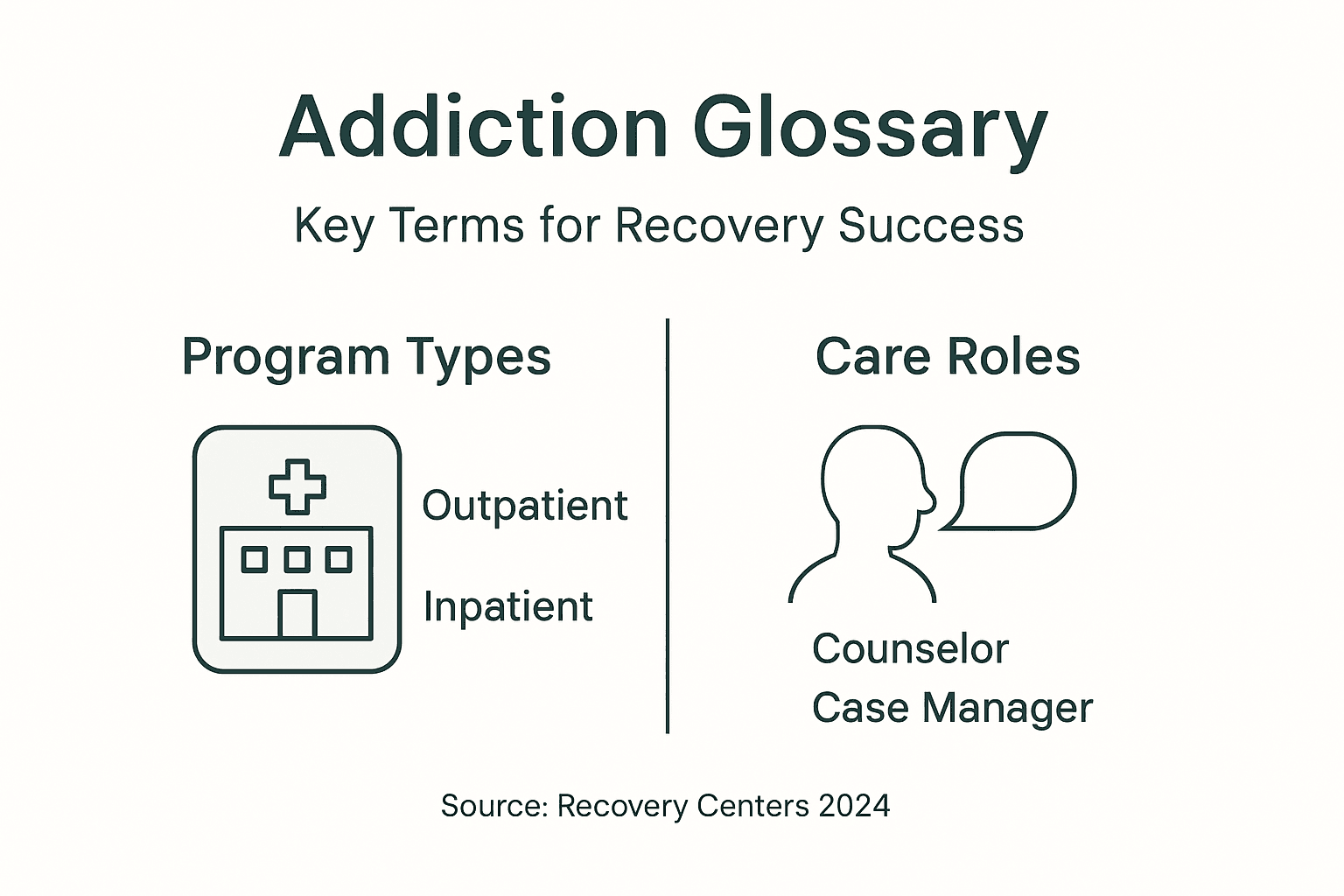
This summary outlines key professional roles in addiction recovery teams:
| Role | Main Responsibility | Interaction Frequency |
|---|---|---|
| Addiction Counselor | Develops individual treatment plans | Weekly counseling sessions |
| Recovery Coach | Provides motivation and guidance | Frequent check-ins |
| Psychiatrist | Manages medication and mental health | As needed, by appointment |
| Peer Support Specialist | Shares lived experience, offers support | Group meetings, ongoing |
Family members and support networks also play crucial roles in recovery, providing emotional support, accountability, and helping to create stable environments conducive to healing. Community resources, support groups, and aftercare programs complement professional interventions, creating a holistic approach that recognizes recovery as a multifaceted, ongoing process requiring consistent commitment and compassionate guidance.
Pro tip: Understand that recovery is a collaborative journey involving multiple professionals and support systems, and be open to engaging with different experts who can provide comprehensive, personalized care.
Harm Reduction, Aftercare, and Legal Terms
Harm reduction represents a pragmatic public health approach designed to minimize the negative consequences associated with substance use. Public health interventions focus on strategies that prioritize individual safety and dignity without mandating complete abstinence. These approaches include programs like needle exchange services, overdose prevention education, and community-based support initiatives that recognize addiction as a complex health challenge.
Legal terminology in addiction treatment encompasses several critical concepts. Court-ordered treatment refers to rehabilitation programs mandated by judicial systems as an alternative to traditional criminal penalties. Decriminalization represents a policy approach that reduces legal penalties for substance-related offenses, emphasizing treatment over punishment. Addiction treatment glossaries highlight important terms like enabling, which describes behaviors that inadvertently support continued substance use, and aftercare, a structured support system designed to prevent relapse and support long-term recovery after initial treatment.
Aftercare programs are essential components of sustainable recovery, typically involving ongoing counseling, support group participation, and structured reintegration strategies. These programs may include individual therapy, family counseling, vocational rehabilitation, and peer support networks that help individuals develop resilience and maintain their recovery momentum. Legal resources and support systems work collaboratively to create comprehensive support structures that address the multifaceted challenges of addiction recovery.
Pro tip: Approach harm reduction and legal resources as collaborative tools for healing, focusing on compassionate support and practical strategies that empower individuals in their recovery journey.
Understand the Language of Recovery and Take the First Step Today
Navigating addiction treatment terminology like dual diagnosis, relapse, and harm reduction can be confusing and overwhelming. If you or a loved one are struggling to make sense of these critical concepts and want a compassionate, personalized approach to care, Glendora Recovery Center is here to help. We specialize in addressing co-occurring disorders and offer flexible programs ranging from Partial Hospitalization to Intensive Outpatient care. Our experienced team understands how important it is to communicate clearly and support you at every stage of your recovery journey.
Don’t let complex terms or uncertainty hold you back from finding the right treatment. Explore how our court-approved programs and aftercare support can provide comprehensive healing with a harm reduction approach tailored to your needs. Reach out now to speak with our caring professionals and begin building a strong foundation for lasting recovery by visiting Glendora Recovery Center Contact Us. Your path to understanding and wellness starts here.
Frequently Asked Questions
What is chemical dependency?
Chemical dependency is a physiological reliance on substances where the body develops a tolerance and experiences withdrawal symptoms when usage is stopped.
How is relapse viewed in the context of addiction recovery?
Relapse is considered a potential part of the long-term recovery process and not a failure; it indicates the complex nature of addiction and the ongoing journey of healing.
What is dual diagnosis in addiction treatment?
Dual diagnosis refers to individuals who experience both mental health disorders and substance use disorders simultaneously, requiring integrated treatment approaches that address both conditions.
What role do recovery coaches play in addiction recovery?
Recovery coaches offer practical guidance and motivation, helping clients navigate challenges and develop healthy coping mechanisms during their recovery journey.
Recommended
- Dependence vs. Addiction: Complete Guide for Clarity | Glendora Recovery Center
- Addiction Recovery Process Explained: Pathways to Healing | Glendora Recovery Center
- Addiction Recovery Process 2025: Complete Guide | Glendora Recovery Center
- Recovery Programs: Pathways to Lasting Sobriety | Glendora Recovery Center