Watching your teen struggle with emotional challenges or behavior changes can leave you feeling overwhelmed and unsure where to turn. You want tools that actually make a difference and help your child build real skills for coping, communicating, and healing. The right therapeutic approaches can transform daily life for your family and give your teen the support they need to thrive.
This guide reveals proven methods that work for teenagers, from Cognitive Behavioral Therapy to creative therapies and coping skills training. You’ll discover actionable strategies designed to improve communication, emotional regulation, and family connection—each backed by real world therapy and expert recommendations. If you’re ready to learn practical steps you can use right away, these insights will help your teen feel less alone and move closer to lasting recovery.
Table of Contents
- Understanding Cognitive Behavioral Therapy for Teens
- The Benefits of Group Therapy in Teen Recovery
- How Family Therapy Supports Lasting Change
- Mindfulness Techniques to Help Teens Manage Stress
- Motivational Interviewing to Build Self-Esteem
- Art and Creative Therapies for Emotional Expression
- Coping Skills Training for Real-Life Challenges
Quick Summary
| Key Message | Explanation |
|---|---|
| 1. Cognitive Behavioral Therapy helps reshape thoughts | Teens learn to identify and challenge negative thought patterns, fostering healthier emotional responses and coping mechanisms. |
| 2. Group therapy fosters community and accountability | Sharing experiences with peers reduces feelings of isolation and builds essential social skills for recovery. |
| 3. Family therapy enhances trust and communication | Involving family members creates a supportive network and improves relationships crucial for the teen’s healing journey. |
| 4. Mindfulness techniques aid stress management | Encouraging daily mindfulness practice enables teens to regulate emotions and cultivate resilience against stressors. |
| 5. Coping skills training builds emotional resilience | Teaching proactive strategies equips teens with tools to effectively manage challenges and develop lifelong emotional intelligence. |
1. Understanding Cognitive Behavioral Therapy for Teens
Cognitive Behavioral Therapy (CBT) is a powerful therapeutic approach designed specifically to help teenagers understand and transform their thought patterns and emotional responses. Cognitive techniques help teens recognize and modify destructive thinking that can negatively impact their mental health and behavior.
At its core, CBT operates on a fundamental principle: our thoughts directly influence our feelings and actions. For teenagers navigating complex emotional landscapes, this therapy provides a structured framework to understand how their internal dialogue shapes their external experiences. By learning to identify negative thought patterns, teens can develop healthier coping mechanisms and more constructive emotional responses.
The therapy works through a collaborative process where therapists guide teens to examine their thought processes critically. Instead of being passive recipients of treatment, teenagers actively participate in recognizing cognitive distortions such as catastrophizing, overgeneralization, or black and white thinking. Behavioral strategies help adolescents develop practical emotional skills that can be applied in real world situations.
Practical implementation of CBT involves teaching teens specific techniques like cognitive restructuring, where they learn to challenge and reframe negative thoughts. For example, instead of thinking “I always mess everything up,” a teen might learn to reframe this as “I made a mistake, but that doesn’t define my entire worth.” These small shifts can dramatically improve self esteem and emotional resilience.
Pro tip: Practice journaling to track thoughts and emotional patterns, which can provide valuable insights during CBT sessions and help teens recognize their cognitive patterns more effectively.
2. The Benefits of Group Therapy in Teen Recovery
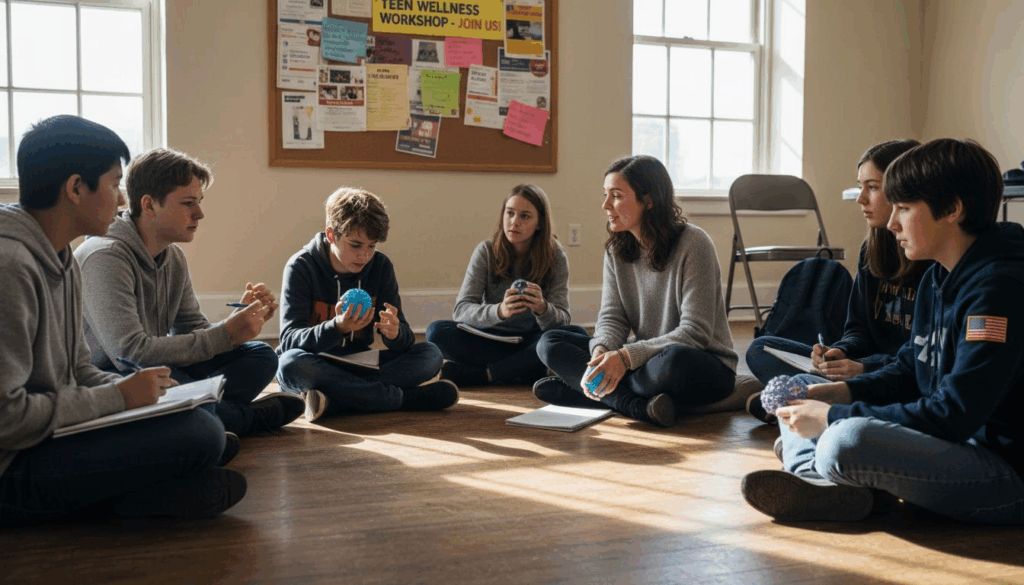
Group therapy offers a powerful healing environment specifically designed to support teenagers navigating recovery challenges. Therapeutic group settings provide unique emotional support that individual counseling cannot always replicate.
The core advantage of group therapy lies in its ability to create a sense of community and shared understanding among participants. Teenagers often feel isolated in their struggles, but group therapy demonstrates that they are not alone. By hearing similar experiences from peers, teens can develop empathy, reduce feelings of shame, and recognize that their challenges are valid and manageable.
Structured Support and Learning
Unlike informal support groups, professional group therapy is led by licensed therapists who guide conversations and ensure productive interactions. Therapeutic approaches help teens build essential coping skills through structured activities and professional intervention.
Participants learn critical social and emotional skills such as communication, conflict resolution, and healthy boundary setting. These skills are particularly crucial for teenagers in recovery, as they provide tools for navigating complex interpersonal relationships and managing emotional triggers.
Peer Accountability and Motivation
Group therapy creates a unique accountability system where teens support and challenge each other constructively. Hearing success stories from peers who have made progress can be incredibly motivating, offering hope and practical strategies for personal growth.
Pro tip: Encourage your teen to approach group therapy with an open mind and actively participate, as engagement is key to experiencing the full therapeutic benefits.
3. How Family Therapy Supports Lasting Change
Family therapy represents a transformative approach to teen recovery that recognizes healing happens within the context of family relationships. Functional Family Therapy provides comprehensive healing strategies that address the entire family system rather than focusing solely on the individual teen.
Traditional recovery approaches often isolate the teenager experiencing challenges, but family therapy understands that emotional struggles are interconnected. By bringing all family members into the therapeutic process, this approach creates a supportive ecosystem where communication improves, understanding deepens, and collective healing becomes possible.
Understanding Family Dynamics
The core principle of family therapy is recognizing that each family member plays a role in overall emotional wellness. Negative interaction patterns often develop unconsciously over time, creating cycles of miscommunication and tension. Therapists work to identify these patterns and help families develop healthier ways of relating to one another.
Rebuilding Trust and Communication
Recovery is not just about the individual teen but about rebuilding trust within the family unit. Family therapy sessions provide a safe space for honest conversations, allowing family members to express their feelings, fears, and hopes. This open dialogue helps repair relationships damaged during periods of struggle and creates a foundation for mutual support.
Practical Skills and Emotional Growth
Family therapy teaches practical skills such as active listening, emotional regulation, and conflict resolution. These skills are crucial not just for the teen in recovery but for all family members. Parents learn more effective communication strategies, siblings understand how to provide support, and the entire family becomes equipped with tools for emotional resilience.
Pro tip: Approach family therapy with an open mind and commit to consistent participation, remembering that healing is a collaborative journey that requires patience and genuine effort from everyone involved.
4. Mindfulness Techniques to Help Teens Manage Stress
Mindfulness offers teenagers a powerful toolkit for navigating the complex emotional landscape of adolescence. Mindfulness strategies help teens regulate emotions by providing practical techniques to stay grounded during challenging moments.
In a world of constant digital stimulation and academic pressure, teenagers face unprecedented levels of stress. Mindfulness is not about eliminating stress entirely but about developing a healthier relationship with challenging emotions. By learning to observe their thoughts and feelings without judgment, teens can create space between their experiences and their reactions.
Practical Mindfulness Techniques
One fundamental mindfulness practice is deep breathing. When stress feels overwhelming, teens can use a simple technique of breathing deeply into their belly for four counts, holding for four counts, and exhaling for four counts. This method signals the body to move from a fight or flight response to a calmer state.
Grounding Exercises
Simple mindfulness videos offer teen guidance through accessible grounding techniques. The 5 4 3 2 1 sensory method is particularly effective. Teens can pause and identify five things they can see, four things they can touch, three things they can hear, two things they can smell, and one thing they can taste. This exercise helps redirect attention from anxious thoughts to the present moment.
Building Emotional Resilience
Mindfulness is not a quick fix but a skill that develops with consistent practice. Encouraging teens to spend just five to ten minutes daily practicing mindfulness can significantly improve their ability to manage stress, reduce anxiety, and build emotional resilience.
Pro tip: Create a dedicated mindfulness space at home with comfortable seating and minimal distractions to support your teen’s regular practice and make mindfulness feel like a welcoming, non intimidating experience.
5. Motivational Interviewing to Build Self-Esteem
Motivational Interviewing offers a compassionate approach to helping teenagers discover their inner strength and potential for positive change. Collaborative therapy empowers teen self discovery by creating a supportive environment that respects their autonomy and unique experiences.
Traditional therapeutic approaches often feel prescriptive and directive, which can make teenagers feel defensive or misunderstood. Motivational Interviewing takes a different path by recognizing that meaningful change comes from within. Instead of telling teens what they should do, this approach helps them explore their own motivations and barriers to personal growth.
Understanding the Core Principles
The method centers on four key communication strategies: expressing empathy, developing discrepancy, rolling with resistance, and supporting self efficacy. Therapists use open ended questions that invite teens to reflect on their experiences, goals, and potential for change. This approach transforms therapy from a one sided conversation into a collaborative journey of self discovery.
Practical Communication Techniques
Motivational Interviewing uses specific communication techniques that help teens feel heard and valued. Reflective listening becomes a powerful tool where therapists mirror back what they hear, helping teens feel truly understood. For example, a therapist might say “It sounds like youre feeling frustrated with these challenges” instead of offering immediate advice.
Building Internal Motivation
The ultimate goal of this approach is to help teens recognize their own capacity for change. By asking thoughtful questions and providing genuine affirmation, therapists help teenagers identify their personal values and goals. This process naturally increases their motivation to make positive life choices and build genuine self esteem.
Pro tip: Practice active listening at home by responding to your teen with curious questions that invite deeper reflection, rather than jumping straight to solutions or advice.
6. Art and Creative Therapies for Emotional Expression
Art and creative therapies offer teenagers a powerful alternative language for exploring complex emotions when words feel inadequate. Creative arts therapies support emotional healing by providing a safe, non threatening pathway for self discovery and expression.
Traditional talk therapy can feel intimidating for many teenagers who struggle to articulate their inner experiences. Creative therapies transform this challenge by allowing emotional exploration through painting, drawing, music, movement, and other artistic mediums. These approaches meet teens exactly where they are emotionally without requiring them to verbalize everything perfectly.
Understanding the Therapeutic Process
The magic of art therapy lies not in creating beautiful artwork but in the healing journey of creation. Art making facilitates personal exploration where teens can externalize internal experiences. A teenager might paint anger as a stormy red landscape or sculpt anxiety as a tight, compressed shape revealing profound emotional insights that words cannot capture.
Diverse Creative Therapy Options
Creative therapies are wonderfully diverse. Music therapy allows emotional expression through sound and rhythm. Dance movement therapy helps teens reconnect with their bodies. Drama therapy enables role playing and narrative exploration. Each modality offers a unique pathway for teenagers to process complex feelings and experiences.
Emotional Regulation and Self Discovery
These therapies provide more than just emotional release. They teach valuable skills in emotional regulation, self awareness, and non verbal communication. Teens learn to recognize, understand, and healthily channel their emotions through creative processes that feel engaging and empowering.
Pro tip: Encourage your teen to explore different creative therapy approaches without pressure, allowing them to discover which medium feels most comfortable and meaningful for their personal expression.
7. Coping Skills Training for Real-Life Challenges
Coping skills training provides teenagers with a critical toolkit for navigating the complex emotional landscape of adolescence. Personal stress management strategies build resilience by empowering teens to respond effectively to challenging situations.
Adolescence is a period of significant emotional and social transformation, where teens encounter unprecedented levels of stress and uncertainty. Coping skills training moves beyond traditional reactive approaches by teaching proactive strategies for emotional regulation and self management. These skills become lifelong resources that support mental health and personal growth.
Developing Emotional Toolkits
Effective coping skills training involves multiple dimensions of emotional intelligence. Mindful self compassion techniques support teen resilience by teaching teenagers to approach their experiences with kindness and understanding. This means learning to recognize challenging emotions without becoming overwhelmed by them.
Practical Coping Strategies
Key coping strategies include deep breathing exercises, cognitive reframing, progressive muscle relaxation, and emotional journaling. Teens learn to identify their personal stress triggers, develop personalized response plans, and practice self soothing techniques that interrupt negative emotional cycles.
Building Long Term Emotional Capacity
The ultimate goal of coping skills training is not just managing current challenges but developing lifelong emotional intelligence. By learning these skills during adolescence, teens build a foundation of resilience that will serve them throughout adulthood. They learn to view challenges as opportunities for growth rather than insurmountable obstacles.
Pro tip: Create a personal coping skills notebook where your teen can document their strategies, track their progress, and reflect on what techniques work best for their unique emotional landscape.
Below is a comprehensive table summarizing the main therapeutic approaches and techniques for teenagers’ mental health as discussed throughout the article.
| Therapeutic Approach | Core Concept | Expected Outcomes |
|---|---|---|
| Cognitive Behavioral Therapy | Focused on identifying and reframing negative thought patterns to positively influence emotions and behaviors. | Improved emotional resilience, healthier coping mechanisms, and constructive emotional responses. |
| Group Therapy | Enhancing emotional support and empathy through shared experiences in a guided peer environment. | Development of social skills, reduced isolation, and increased accountability. |
| Family Therapy | Addressing emotional challenges within the family context to improve communication, trust, and family roles. | Strengthened family relationships, trust rebuilding, and collective emotional healing. |
| Mindfulness Techniques | Practices like deep breathing and sensory awareness to maintain emotional grounding in stress-inducing situations. | Enhanced stress management abilities, reduced anxiety, and increased self-awareness. |
| Motivational Interviewing | Collaborative exploration of personal motivations and barriers to empower positive change. | Greater self-esteem, enhanced self-awareness, and motivation to make positive choices. |
| Art and Creative Therapies | Utilizing artistic expressions such as drawing, music, or drama to process emotions in a supportive and nonverbal way. | Improved emotional expression, self-discovery, and development of coping mechanisms through creative outlets. |
| Coping Skills Training | Teaching proactive emotional regulation techniques like journaling, deep breathing, and cognitive reframing. | Development of practical lifelong strategies for managing stress and navigating emotional challenges. |
Unlock Healing for Teens with Proven Therapy Techniques
Navigating the challenges of teen recovery can feel overwhelming when dealing with complicated emotions, negative thought patterns, and strained family relationships. This article highlights effective therapies such as Cognitive Behavioral Therapy, Motivational Interviewing, Group Therapy, and Family Therapy that empower teens to build emotional resilience, self esteem, and healthier communication skills. Teens deserve personalized support that addresses these specific needs while fostering internal motivation and lasting change.
At Glendora Recovery Center, we understand the pain points teens and families face during recovery. Our expert team specializes in comprehensive addiction and mental health treatment tailored for adolescents. We provide evidence based programs including family therapy, individual counseling, and group sessions in a compassionate environment designed to foster growth and healing. With flexible scheduling and telehealth options, help is available when it is needed most.
Take the next step towards your teen’s recovery journey today. Discover how our specialized programs can integrate these powerful therapy techniques to build emotional strength and promote sustained wellness. Connect with us now at Contact Us to learn more about personalized care and start creating lasting positive change.
Frequently Asked Questions
What is Cognitive Behavioral Therapy and how does it help teens?
Cognitive Behavioral Therapy (CBT) helps teens understand their thought patterns and emotions, allowing them to modify destructive thinking. To experience its benefits, encourage your teen to participate in sessions with a licensed therapist for a structured exploration of their feelings.
How does group therapy support emotional healing for teenagers?
Group therapy offers teens a community where they can share experiences and build trust. Seek out a local group where your teen can connect with peers and learn essential coping skills through guided activities.
What role does family therapy play in a teen’s recovery journey?
Family therapy focuses on improving communication and relationships within the family, recognizing that healing occurs in the family context. Encourage your family to commit to regular sessions, fostering a supportive atmosphere that promotes mutual healing and understanding.
What mindfulness techniques can teens use to manage stress?
Mindfulness techniques, such as deep breathing and the 5-4-3-2-1 grounding exercise, help teens stay centered during stressful situations. Introduce these practices at home and encourage your teen to spend just 5-10 minutes daily on mindfulness to reduce stress and enhance emotional resilience.
How can Motivational Interviewing build self-esteem in teens?
Motivational Interviewing empowers teens to discover their strengths and motivations by using empathetic communication and reflective listening. Engage in open conversations with your teen, asking thought-provoking questions that encourage them to consider their own goals and personal growth.
What are some creative therapies that can help teens express their emotions?
Creative therapies, such as art, music, and drama, allow teens to express complex feelings when words fail. Encourage your teen to explore different artistic mediums as a form of self-expression and healing, helping them find the method that resonates the most with them.