
More than twenty million American adults face substance use disorders while trying to keep up with demanding jobs and family life. In Los Angeles County, balancing treatment and responsibilities can feel impossible without the right support. Finding outpatient addiction care that fits your daily routine changes everything. This guide breaks down practical steps so you can make recovery part of your real life, not just your schedule.
Table of Contents
- Step 1: Assess Personal Needs And Lifestyle Factors
- Step 2: Identify Program Types And Available Services
- Step 3: Compare Facility Credentials And Treatment Approaches
- Step 4: Evaluate Scheduling, Accessibility, And Insurance Coverage
- Step 5: Verify Program Effectiveness And Ongoing Support
Quick Summary
| Key Insight | Explanation |
|---|---|
| 1. Assess personal needs early | Evaluate your lifestyle, commitments, and support systems to find a matching outpatient program. |
| 2. Understand program types | Familiarize yourself with various outpatient options, including Standard Outpatient, Intensive Outpatient Programs, and Partial Hospitalization. |
| 3. Verify facility credentials | Investigate the accreditation and credentials of facilities to ensure high-quality care and expertise. |
| 4. Check scheduling and insurance | Consider flexible scheduling options and verify insurance coverage to ensure accessibility and affordability. |
| 5. Evaluate long-term support systems | Investigate program effectiveness and aftercare support to promote sustained recovery beyond initial treatment. |
Step 1: Assess personal needs and lifestyle factors
Choosing the right outpatient program requires an honest and comprehensive evaluation of your unique circumstances. Understanding how your personal lifestyle intersects with treatment needs is the first critical step toward successful recovery. Social determinants of health play a significant role in shaping your treatment approach.
Start by conducting a thorough self assessment across multiple life domains. Consider your work schedule, family responsibilities, existing support network, financial constraints, and personal commitments. Reflect on how these factors might impact your ability to consistently participate in an outpatient program. For instance, if you work a demanding job with irregular hours, you might need a program offering flexible evening or weekend sessions. Alternatively, if you have significant family caregiving responsibilities, you may require a treatment plan that accommodates your personal schedule.
Carefully evaluate your specific treatment goals and match them with program offerings. Lifestyle Redesign approaches emphasize creating personalized interventions that integrate seamlessly with your daily routine. This means looking beyond just treatment schedules and examining how a program can help you develop sustainable habits and coping strategies that align with your broader life objectives.
Pro tip: Create a detailed personal inventory listing your constraints, goals, and available support resources before initial program consultations to maximize your matching process.
Step 2: Identify program types and available services
Navigating the landscape of outpatient treatment requires understanding the diverse range of outpatient services available to support your recovery journey. These programs are not one size fits all but instead offer specialized approaches tailored to individual needs and circumstances.
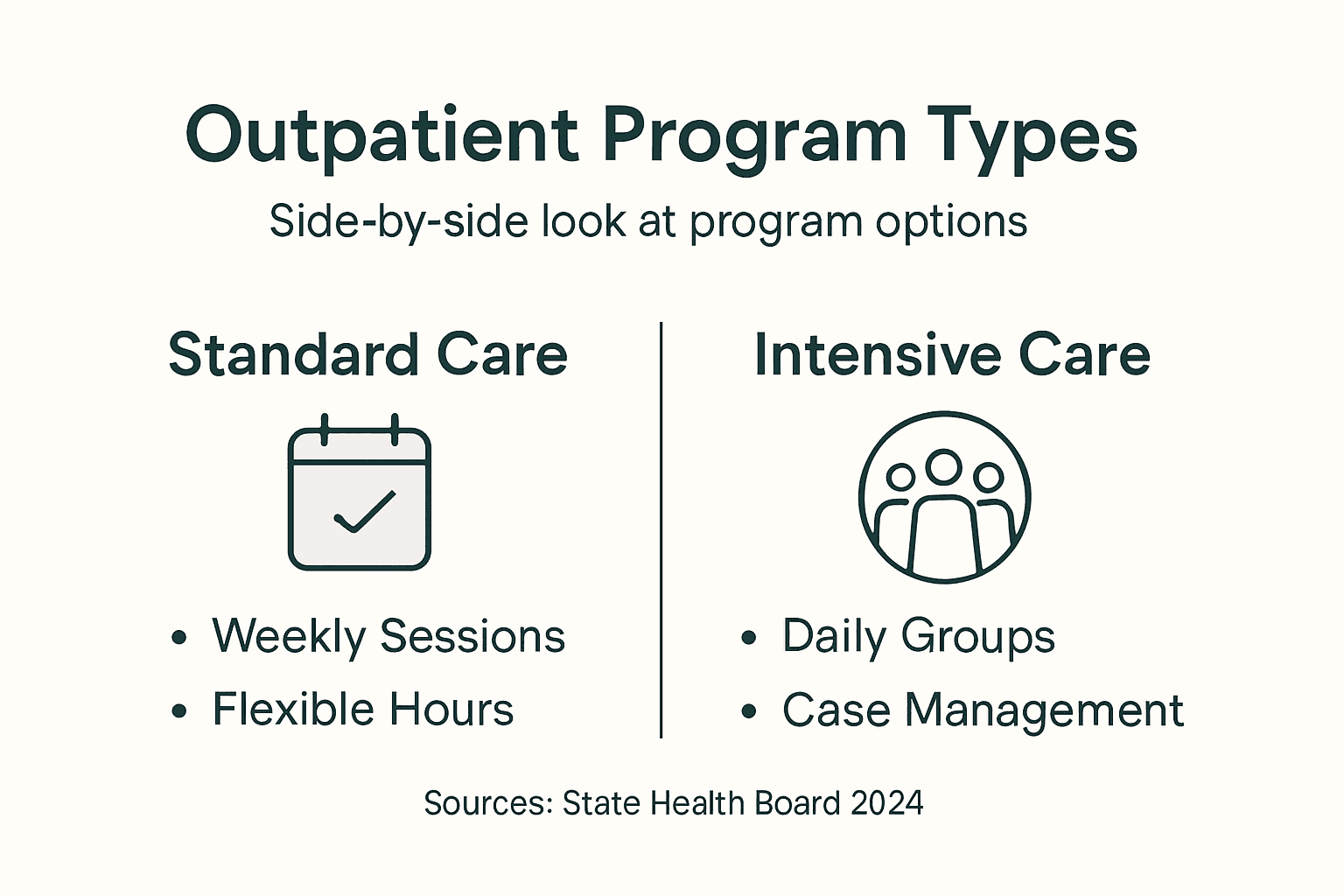
Explore the spectrum of outpatient treatment options, which typically range from standard outpatient programs to more intensive interventions. Standard outpatient services usually involve weekly therapy sessions and minimal time commitment. Intensive Outpatient Programs (IOPs) provide more structured treatment with multiple weekly sessions, allowing you to maintain work and family responsibilities. Partial Hospitalization Programs (PHPs) offer the most comprehensive daytime treatment while allowing you to return home in the evenings.
Here is a quick comparison of common outpatient program types and who they may best serve:
| Program Type | Time Commitment | Ideal For |
|---|---|---|
| Standard Outpatient | 1-2 sessions per week | Mild needs, strong daily structure |
| Intensive Outpatient Program | 3-5 sessions per week | Balancing work/family, need support |
| Partial Hospitalization Program | Daily, 4-6 hours | Higher acuity, home support needed |
Look specifically for Certified Community Behavioral Health Clinics that provide comprehensive mental health and substance use disorder services. These clinics often offer holistic care including risk assessment, case management, crisis intervention, and care coordination. When evaluating programs, consider factors like treatment approach, staff expertise, therapy modalities, group session options, and flexibility in scheduling.
Pro tip: Request detailed service breakdowns and ask about their specific treatment philosophies to ensure alignment with your personal recovery goals.
Step 3: Compare facility credentials and treatment approaches
Evaluating the credibility and quality of potential treatment facilities is a crucial step in your recovery journey. Understanding facility accreditation standards helps you make an informed decision about where to seek treatment and ensures you receive high quality care.
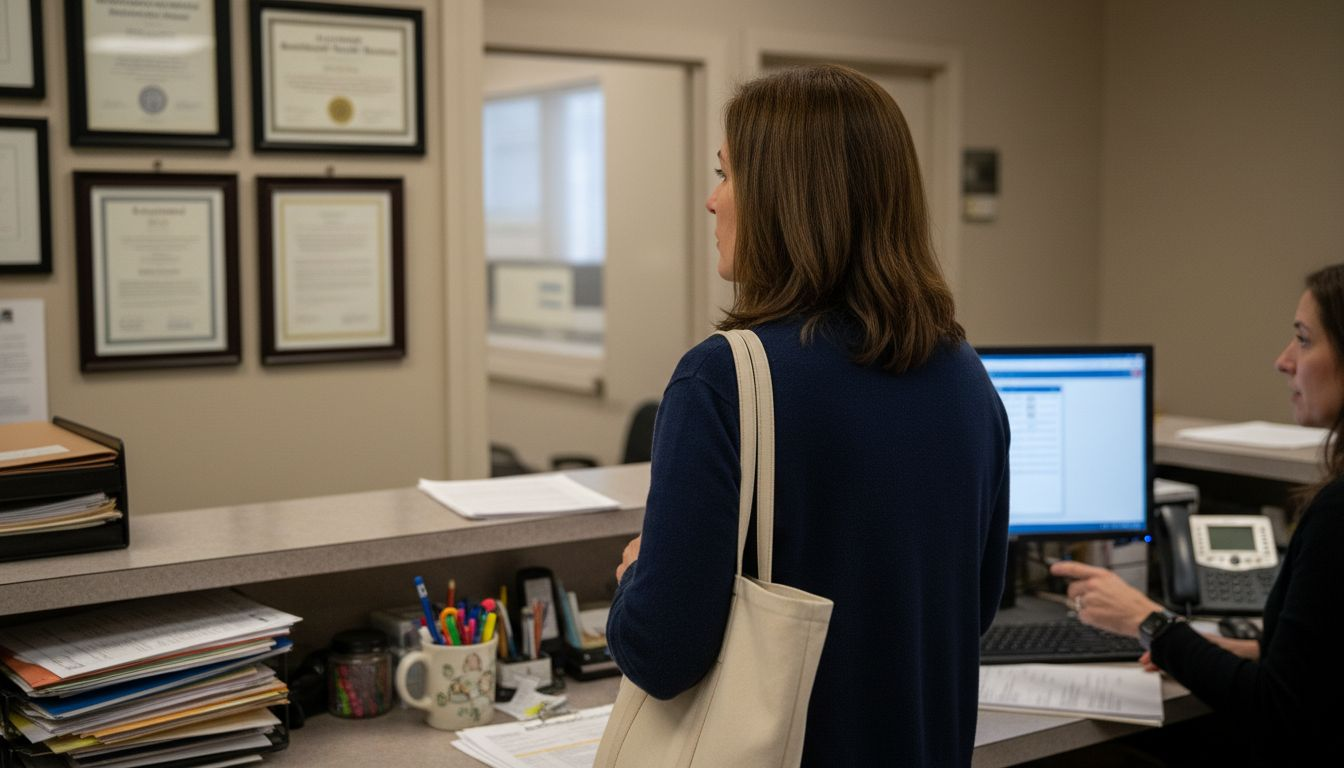
Start by investigating the professional credentials of each facility. Look for Joint Commission accreditation, which represents a gold standard in healthcare quality and patient safety. This certification indicates that a facility has undergone rigorous external evaluation of its treatment protocols, staff qualifications, and organizational performance. Pay close attention to the specific credentials of individual treatment providers, including their licensure, specialized training in addiction treatment, years of experience, and any additional certifications in mental health and substance use disorder recovery.
Beyond formal credentials, examine the treatment philosophy and approach of each facility. Some programs might focus on cognitive behavioral therapy, while others emphasize holistic approaches or 12 step methodologies. Request detailed information about their treatment models, success rates, aftercare support, and individualized treatment planning. Consider scheduling consultations or information sessions to get a deeper understanding of how each facility approaches recovery and whether their methodology aligns with your personal goals and values.
Below is a summary of key factors to check when evaluating outpatient treatment facilities:
| Factor | Why It Matters | What to Look For |
|---|---|---|
| Accreditation | Indicates quality & safety standards | Joint Commission, CARF certifications |
| Staff Credentials | Ensures provider expertise | Licensure, mental health training |
| Treatment Philosophy | Impacts recovery experience | Evidence-based, holistic, 12-step |
| Success Metrics | Shows track record & accountability | Published outcomes, patient feedback |
Pro tip: Request and verify professional licenses and certifications directly with state licensing boards to confirm the authenticity of facility and provider credentials.
Step 4: Evaluate scheduling, accessibility, and insurance coverage
Choosing an outpatient program requires careful consideration of practical logistics that can significantly impact your treatment experience. Understanding outpatient service scheduling is crucial to ensuring the program fits seamlessly into your lifestyle and personal commitments.
Begin by examining the flexibility of scheduling options. Many modern treatment centers offer diverse appointment times including early morning, evening, and weekend sessions to accommodate different work and personal schedules. Medical appointment scheduling plays a critical role in treatment accessibility, so inquire about their scheduling approaches. Some programs utilize wave or cluster scheduling techniques that can provide more convenient appointment windows. Additionally, investigate telehealth options that might offer even greater flexibility, allowing you to participate in therapy sessions from home or during work breaks.
Next, conduct a thorough insurance verification process. Contact your insurance provider to understand exactly what outpatient services are covered under your plan. Request a detailed breakdown of in network facilities, potential copayments, and any preauthorization requirements. Some treatment centers offer financial counseling services that can help you navigate complex insurance landscapes and identify potential payment assistance programs. Remember that comprehensive coverage can significantly reduce your out of pocket expenses and make high quality treatment more accessible.
Pro tip: Request a written insurance coverage verification and keep detailed documentation of all communications to protect yourself from unexpected billing surprises.
Step 5: Verify program effectiveness and ongoing support
Evaluating the long term success and support mechanisms of an outpatient program is crucial to ensuring you receive comprehensive and meaningful treatment. Program evaluation frameworks provide systematic approaches to understanding treatment effectiveness and potential long term outcomes.
Research the program’s track record by requesting specific metrics and outcome data. Look for evidence of successful patient recovery, reduced relapse rates, and documented patient experiences. Certified Community Behavioral Health Clinics often maintain rigorous quality metrics and continuous evaluation processes that can provide transparent insights into their treatment effectiveness. Ask about their follow up protocols, aftercare support, and strategies for monitoring patient progress. Inquire about their approach to continuous improvement and how they adapt treatment methodologies based on patient feedback and emerging research in addiction recovery.
Pay close attention to the program’s ongoing support infrastructure. An effective outpatient program should offer comprehensive care that extends beyond initial treatment. This includes robust aftercare planning, relapse prevention strategies, family support resources, and potential connections to community support groups. Verify their commitment to long term recovery by understanding their approach to transitional support, alumni networks, and continued counseling options that can help you maintain progress after completing the primary treatment program.
Pro tip: Request to speak with program alumni who can provide unfiltered insights about their personal recovery experiences and the program’s long term effectiveness.
Find the Right Outpatient Program Tailored to Your Life
Choosing an outpatient program can feel overwhelming when you face challenges like balancing work, family, and personal recovery goals. This guide emphasized the importance of assessing your unique needs and understanding program types and treatment approaches. At Glendora Recovery Center, we recognize those pain points and offer flexible options such as Partial Hospitalization Programs and Intensive Outpatient Programs with scheduling tailored to your lifestyle. Our compassionate staff ensures individualized care that respects your commitments while helping you build sustainable recovery habits.
Don’t wait to take control of your recovery journey. Explore how our comprehensive services align with your goals and circumstances by reaching out through our Contact Us page. If you want to learn more about program features like telehealth sessions or aftercare support that address your specific needs, start the conversation today. Your path to healing can begin now with personalized support designed for lasting success.
Frequently Asked Questions
How do I assess my personal needs before choosing an outpatient program?
Begin by evaluating your work schedule, family responsibilities, financial constraints, and existing support network. Create a detailed personal inventory to identify your individual treatment goals and how they align with program offerings.
What types of outpatient programs are available?
Outpatient programs generally range from standard outpatient services to Intensive Outpatient Programs (IOPs) and Partial Hospitalization Programs (PHPs). Assess the time commitment and service types of each program to determine which best suits your needs.
How do I evaluate the credentials of outpatient facilities?
Check for accreditation from established organizations to ensure quality and safety. Verify the professional credentials of staff members, including their licensure and training in addiction treatment, to confirm their expertise.
What should I consider regarding scheduling flexibility when choosing a program?
Look for programs that offer diverse appointment times, including early mornings, evenings, and weekends. Ensure that the scheduling fits well with your other commitments to enable consistent participation in the treatment.
Why is it important to verify insurance coverage for outpatient programs?
Verifying insurance coverage helps you understand what services your plan covers, which can significantly reduce out-of-pocket expenses. Contact your insurance provider for a detailed breakdown of in-network facilities and any associated costs or requirements.
How can I assess the effectiveness of an outpatient program?
Request specific outcome data and success metrics from the program to understand its track record. Inquire about their follow-up protocols and support systems to ensure continuity of care and long-term recovery support.
Recommended
- Outpatient Rehab Programs: Complete Guide for 2025 | Glendora Recovery Center
- Why Choose Outpatient Rehab: Complete Guide | Glendora Recovery Center
- outpatient mental health | glendora recovery center | sober living
- Outpatient Detox: Flexible Recovery for Busy Lives | Glendora Recovery Center
- Detox Symptoms Handling Guide: Manage and Minimize Discomfort – Mahoney inter