
Most American families in Glendora face the harsh reality that over 20 million adults nationwide struggle with substance abuse every year. For many, the decision to choose inpatient rehab feels confusing, especially with so much misinformation about what these programs really offer. Understanding the true purpose and benefits of inpatient rehabilitation can give both those seeking help and their loved ones the clarity they need to pursue effective, life-changing addiction treatment options.
Table of Contents
- Defining Inpatient Rehab And Common Misconceptions
- Types Of Inpatient Rehab For Addiction
- How Inpatient Rehab Programs Work
- Who Should Consider Inpatient Treatment
- Key Benefits And Costs Of Inpatient Rehab
- Inpatient Vs. Outpatient Rehab: Core Differences
Key Takeaways
| Point | Details |
|---|---|
| Inpatient Rehab Definition | Inpatient rehabilitation provides intensive, round-the-clock care for patients recovering from severe medical conditions, focusing on regaining independence and functionality. |
| Types of Inpatient Rehab for Addiction | The main types include medical detoxification, long-term residential treatment, and short-term intensive programs, each catering to specific substance use disorder needs. |
| Program Structure | Inpatient programs operate on a structured daily routine that includes various therapeutic activities, ensuring comprehensive support for recovery. |
| Inpatient vs. Outpatient | Inpatient rehab offers immersive, full-time treatment with continuous medical supervision, while outpatient programs provide flexible, part-time options allowing individuals to maintain daily responsibilities. |
Defining Inpatient Rehab and Common Misconceptions
Inpatient rehabilitation is a specialized medical treatment program where patients receive intensive, round-the-clock care and therapy to recover from serious medical conditions. Unlike standard hospital stays, inpatient rehabilitation hospitals provide comprehensive medical and therapeutic services designed to help patients regain independence and functional abilities.
Typically, inpatient rehab centers serve individuals recovering from significant medical events such as strokes, spinal cord injuries, brain injuries, major surgeries, or complex orthopedic procedures. Patients in these programs require continuous medical supervision and intensive therapy interventions that cannot be safely or effectively provided in other healthcare settings. The core goal is to restore physical functionality, rebuild critical skills, and support patients through comprehensive medical and therapeutic approaches.
Many people misunderstand inpatient rehab, assuming it is similar to standard hospital care or long-term nursing facilities. However, these programs are uniquely structured with dedicated multidisciplinary teams including physicians, nurses, physical therapists, occupational therapists, and mental health professionals who collaborate to create personalized recovery strategies. Patients typically receive at least three hours of specialized therapy daily, with treatment plans meticulously designed to address individual medical needs and rehabilitation goals.
Pro Tip: Before selecting an inpatient rehabilitation facility, verify their specialized treatment expertise and ask about their success rates in helping patients with conditions similar to yours.
Types of Inpatient Rehab for Addiction
Inpatient rehabilitation for addiction encompasses several specialized treatment approaches designed to address complex substance use disorders. These comprehensive programs provide structured environments where individuals can focus entirely on recovery while receiving intensive medical and therapeutic support. Patients struggling with severe addiction often benefit from intensive outpatient programs that offer comprehensive addiction treatment as part of their recovery journey.
The primary types of inpatient rehab for addiction include medical detoxification programs, long-term residential treatment centers, and short-term intensive rehabilitation facilities. Medical detox programs focus on safely managing withdrawal symptoms under professional medical supervision, helping patients transition through the initial stages of substance abstinence. Long-term residential treatment centers typically provide structured environments lasting 6-12 months, offering comprehensive psychological counseling, behavioral therapy, and skill-building workshops designed to support lasting recovery.
Short-term intensive rehabilitation facilities provide concentrated treatment experiences, usually lasting 30-90 days. These programs are particularly effective for individuals with serious addiction histories who require immersive treatment environments. Treatment approaches within these programs often include individual counseling, group therapy sessions, cognitive behavioral therapy, trauma-informed care, and holistic wellness strategies. Each program is uniquely structured to address specific substance dependencies, underlying mental health conditions, and individual patient needs.
The table below summarizes the main types of inpatient rehab for addiction and what sets them apart:
| Type of Program | Typical Length | Main Focus | Ideal Candidates |
|---|---|---|---|
| Medical Detoxification | 3-10 days | Safe withdrawal management | Individuals with physical dependence |
| Long-Term Residential | 6-12 months | In-depth psychological therapy | Severe or repeated addiction cases |
| Short-Term Intensive | 30-90 days | Immersive, structured treatment | Those needing rapid stabilization |
Pro Tip: When exploring inpatient rehab options, request detailed information about their specific treatment methodologies, staff qualifications, and post-treatment support services to ensure the most comprehensive recovery approach.
How Inpatient Rehab Programs Work
Inpatient rehabilitation programs operate through a comprehensive, structured approach designed to provide intensive healing and recovery support. Intensive rehabilitation facilities deliver multi-dimensional treatment strategies that address physical, psychological, and emotional aspects of addiction and recovery. These programs create personalized treatment plans tailored to each patient’s unique medical history, substance dependency challenges, and individual recovery goals.
The core framework of inpatient rehab involves a carefully orchestrated daily routine that maximizes therapeutic interventions. Patients typically engage in multiple treatment modalities throughout the day, including individual counseling sessions, group therapy meetings, medical assessments, and specialized therapeutic activities. The multidisciplinary treatment team collaborates continuously, which includes physicians, psychiatrists, psychologists, addiction specialists, nurses, and holistic wellness professionals who coordinate comprehensive care strategies.

A typical day in an inpatient rehabilitation program follows a structured schedule designed to support consistent recovery progress. Mornings often begin with medical check-ins and medication management, followed by individual or group therapy sessions that explore underlying addiction triggers, develop coping mechanisms, and build essential life skills. Afternoon activities might include physical wellness programs, educational workshops about addiction science, cognitive behavioral therapy sessions, and recreational therapies that promote emotional healing and stress management. Evening periods often focus on reflection, peer support groups, and preparing patients for continued recovery strategies.
Pro Tip: Request a detailed daily schedule from potential rehabilitation centers to understand the specific treatment approaches and ensure they align with your personal recovery needs and goals.
Who Should Consider Inpatient Treatment
Inpatient treatment represents a critical recovery pathway for individuals experiencing severe or complex substance use disorders that cannot be effectively managed through less intensive interventions. Individuals exploring treatment options should carefully evaluate their specific outpatient program needs to determine whether inpatient rehabilitation is the most appropriate approach. Typically, candidates for inpatient treatment include those with long-term addiction histories, individuals struggling with multiple substance dependencies, and patients experiencing significant mental health challenges alongside their addiction.
Certain clinical indicators strongly suggest that inpatient treatment might be the most effective recovery strategy. These include a history of repeated unsuccessful recovery attempts, severe withdrawal symptoms, co-occurring mental health disorders, high-risk living environments that compromise recovery potential, and documented medical complications related to substance abuse. Patients with chronic addiction patterns who require comprehensive medical supervision, structured therapeutic interventions, and immersive treatment environments will benefit most from inpatient rehabilitation programs.
Beyond clinical considerations, personal circumstances play a crucial role in determining inpatient treatment suitability. Individuals experiencing significant life disruptions such as job loss, relationship breakdowns, legal challenges, or severe financial instability due to addiction might require the comprehensive support and skill-building resources available in inpatient settings. Moreover, patients with limited support systems, those living in environments that enable continued substance use, or individuals struggling to maintain sobriety through outpatient programs are prime candidates for the intensive, holistic approach offered by inpatient rehabilitation.
Pro Tip: Consult with addiction treatment professionals who can conduct a comprehensive assessment to objectively evaluate whether inpatient rehabilitation matches your specific recovery needs and personal circumstances.
Key Benefits and Costs of Inpatient Rehab
Inpatient rehabilitation offers profound benefits that extend far beyond traditional treatment approaches, providing comprehensive recovery support through intensive medical and therapeutic interventions. Understanding the complex financial aspects of rehabilitation coverage is crucial for patients considering this transformative treatment option. The primary advantages include structured medical supervision, immersive therapeutic environments, holistic treatment strategies, and dedicated professional support that significantly enhance recovery potential.
The key benefits of inpatient rehab encompass multiple critical dimensions of healing. Patients receive 24/7 medical monitoring, which ensures immediate intervention for potential complications or health challenges during recovery. Intensive therapy sessions addressing physical, psychological, and emotional recovery are conducted multiple times daily, creating a comprehensive treatment approach that targets addiction from multiple perspectives. Additional benefits include skill-building workshops, relapse prevention training, mental health counseling, and personalized treatment plans that adapt to individual patient needs and progress.
Cost considerations for inpatient rehabilitation can vary significantly depending on treatment duration, facility type, and insurance coverage. Most comprehensive programs range between $20,000 to $60,000 for a standard 30-day treatment cycle, with luxury or specialized facilities potentially charging higher rates. Insurance providers often cover a portion of inpatient rehabilitation costs, though patients should carefully review their specific policy details. Medicare and private insurance may require extensive documentation demonstrating medical necessity, and out-of-pocket expenses can include deductibles, copayments, and charges for supplementary services not directly covered by standard insurance plans.
Pro Tip: Contact your insurance provider directly to obtain a detailed breakdown of your specific inpatient rehabilitation coverage and potential out-of-pocket expenses before committing to a treatment program.
Inpatient vs. Outpatient Rehab: Core Differences
Inpatient and outpatient rehabilitation represent two distinct approaches to addiction treatment, each designed to address varying levels of substance use disorder complexity and individual patient needs. Exploring comprehensive outpatient rehabilitation strategies reveals significant variations in treatment intensity, structure, and patient commitment between these two recovery models. The fundamental difference lies in the level of medical supervision, treatment immersion, and the patient’s ability to maintain daily life responsibilities during the recovery process.
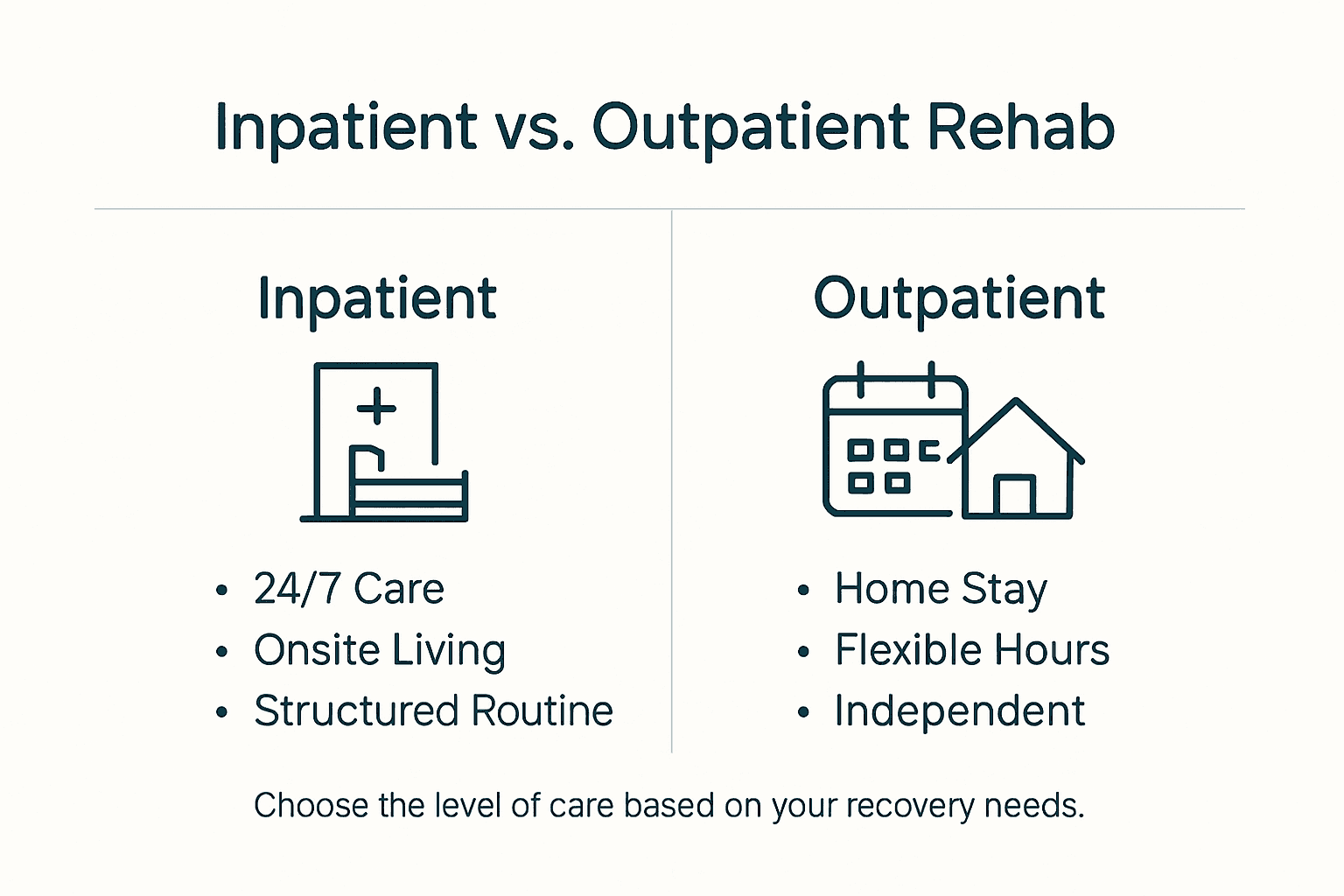
Inpatient rehabilitation requires patients to reside full-time at a treatment facility, providing 24/7 medical monitoring, structured therapeutic interventions, and complete separation from potential triggers or enabling environments. Patients receive intensive, multiple-daily therapy sessions addressing physical, psychological, and emotional recovery dimensions. Outpatient programs, conversely, allow individuals to continue living at home while attending scheduled treatment sessions, typically ranging from a few hours per week to more intensive daily programs. This model supports patients who have work or family commitments, possess strong support systems, and demonstrate significant self-motivation and emotional stability.
Key differentiating factors include treatment duration, medical oversight, and recovery support levels. Inpatient programs generally last 30-90 days and provide comprehensive, immersive healing environments with constant professional guidance. Outpatient treatments offer more flexible schedules, with varying program intensities like standard outpatient, intensive outpatient programs (IOPs), and partial hospitalization programs. Cost represents another critical distinction, with inpatient rehabilitation typically ranging from $20,000 to $60,000 for a standard treatment cycle, while outpatient programs are significantly more affordable, often costing between $3,000 to $10,000 depending on treatment complexity and duration.
Here is a comparison of inpatient and outpatient rehab along key dimensions:
| Aspect | Inpatient Rehab | Outpatient Rehab |
|---|---|---|
| Living Arrangement | Reside at facility | Live at home |
| Medical Supervision | 24/7 monitoring | Limited, periodic check-ins |
| Schedule Intensity | Full-day, immersive | Part-time, flexible |
| Cost Range | $20,000-$60,000 | $3,000-$10,000 |
Pro Tip: Consult addiction treatment professionals to conduct a comprehensive personal assessment that objectively determines whether inpatient or outpatient rehabilitation best matches your specific recovery requirements and lifestyle constraints.
Take the Next Step Toward Lasting Recovery with Expert Support
Struggling with severe addiction or complex co-occurring disorders calls for an approach as comprehensive as inpatient rehab described in the article. If you face challenges like intense withdrawal symptoms, repeated relapse attempts, or the need for 24/7 medical supervision and immersive therapy, you deserve a recovery plan tailored to these exact needs. At Glendora Recovery Center, we understand that regaining control requires more than just stopping substance use — it takes compassionate care, personalized treatment strategies, and proven dual diagnosis expertise.
Our upscale facility offers individualized programs including Intensive Outpatient Programs and structured Partial Hospitalization Programs designed to provide the comprehensive support critical for sustainable healing. If inpatient treatment is right for you or a loved one, do not wait to access professional guidance. Reach out today through our Contact Us page and start your personalized recovery journey now to build the strong foundation you need for long-term wellness.
Frequently Asked Questions
What is inpatient rehab?
Inpatient rehab is a specialized medical treatment program where patients receive round-the-clock care and therapy to recover from serious medical conditions, including substance use disorders. Patients reside at a facility where they undergo intensive therapy and medical supervision.
Who should consider inpatient rehab?
Individuals with severe or complex substance use disorders, those with long-term addiction histories, and patients experiencing co-occurring mental health disorders may benefit the most from inpatient rehab. It’s also suitable for those with high-risk living situations that could compromise their recovery.
What types of therapies are offered in inpatient rehab?
Inpatient rehab centers typically provide a range of therapies, including individual counseling, group therapy sessions, cognitive behavioral therapy, trauma-informed care, and holistic wellness strategies, designed to address both physical and psychological aspects of recovery.
How does inpatient rehab differ from outpatient rehab?
Inpatient rehab requires patients to stay at a treatment facility full-time, providing 24/7 medical monitoring and intensive therapy, while outpatient rehab allows individuals to live at home and attend scheduled treatment sessions, which generally require less time commitment and supervision.