
Over half of American adults facing mental health challenges never enter treatment due to barriers like paperwork and unclear processes. Getting started with a Partial Hospitalization Program can seem daunting, but understanding each step helps make the transition manageable. This guide highlights what every American needs to prepare for admission, from essential documents to aftercare planning, ensuring you feel confident and supported throughout your recovery journey.
Table of Contents
- Step 1: Prepare For Admission With Essential Documentation
- Step 2: Complete Comprehensive Intake And Assessment
- Step 3: Design A Personalized Treatment Plan With Clinicians
- Step 4: Engage In Daily Therapeutic Sessions And Activities
- Step 5: Monitor Progress And Adjust Care Strategies
- Step 6: Transition To Appropriate Aftercare Support
Quick Summary
| Key Point | Explanation |
|---|---|
| 1. Gather Essential Documentation | Assemble your government ID, health insurance proof, and medical records for a smooth admission process. |
| 2. Participate in Comprehensive Intake | Engage fully in the assessment for personalized treatment planning based on your unique mental health needs. |
| 3. Collaborate on Treatment Plan | Work with clinicians to create a tailored therapy strategy that identifies specific recovery goals and interventions. |
| 4. Regularly Monitor Progress | Attend progress reviews to evaluate your advancements and adjust your treatment plan as needed for effective recovery. |
| 5. Develop Aftercare Support Plan | Plan for ongoing recovery resources and support to maintain progress after completing the Partial Hospitalization Program. |
Step 1: Prepare for admission with essential documentation
Getting ready for your Partial Hospitalization Program (PHP) admission requires careful preparation of important personal documents. Your documentation serves as the foundation for a smooth entry into treatment, ensuring the administrative process moves quickly and efficiently.
Start by gathering key personal identification materials. You will need a valid government issued photo ID such as a driver’s license or passport, proof of health insurance, and social security documentation. The California Department of Public Health recommends compiling a comprehensive checklist to ensure you have all necessary paperwork. Additionally, collect recent medical records, medication lists, and any previous mental health treatment summaries that can provide context for your current treatment needs.
Bring multiple copies of each document and organize them in a folder or accordion file for easy access during your admission process. This proactive approach helps streamline your intake and demonstrates your commitment to your recovery journey. Some treatment centers might also request emergency contact information and current living situation details, so have those prepared as well.
Pro tip: Make digital scans or take clear smartphone photos of all your documents as a backup. This ensures you have an additional set of records in case the originals get misplaced during the admission process.
Step 2: Complete comprehensive intake and assessment
The intake and assessment process represents your first in depth interaction with the treatment team at Glendora Recovery Center. This critical step involves creating a comprehensive understanding of your unique mental health and treatment needs through a structured evaluation.
Regulatory guidelines require a thorough initial screening and risk assessment that helps treatment professionals develop a personalized care plan. During this process, you will participate in detailed interviews with licensed clinicians who will explore your medical history, current symptoms, psychological background, and specific treatment goals. Expect a series of conversations and potentially some standardized assessment tools that help the team understand the complexity of your individual situation. These assessments might cover areas like substance use history, mental health diagnoses, family medical background, current medications, and your overall psychological and emotional wellness.
During the intake process, you will also receive important information about the treatment program, including expectations, confidentiality policies, and treatment protocols. The clinicians will work to create a comfortable and supportive environment where you can openly discuss your experiences and challenges. This collaborative approach ensures that your treatment plan will be precisely tailored to address your specific needs and support your recovery journey.
Pro tip: Be as open and honest as possible during your assessment. The more transparent you are, the more effectively the treatment team can design a recovery strategy that truly works for you.
Step 3: Design a personalized treatment plan with clinicians
Creating your personalized treatment plan marks a pivotal moment in your recovery journey. This collaborative process transforms the insights gathered during your initial assessment into a targeted roadmap for healing and personal growth.
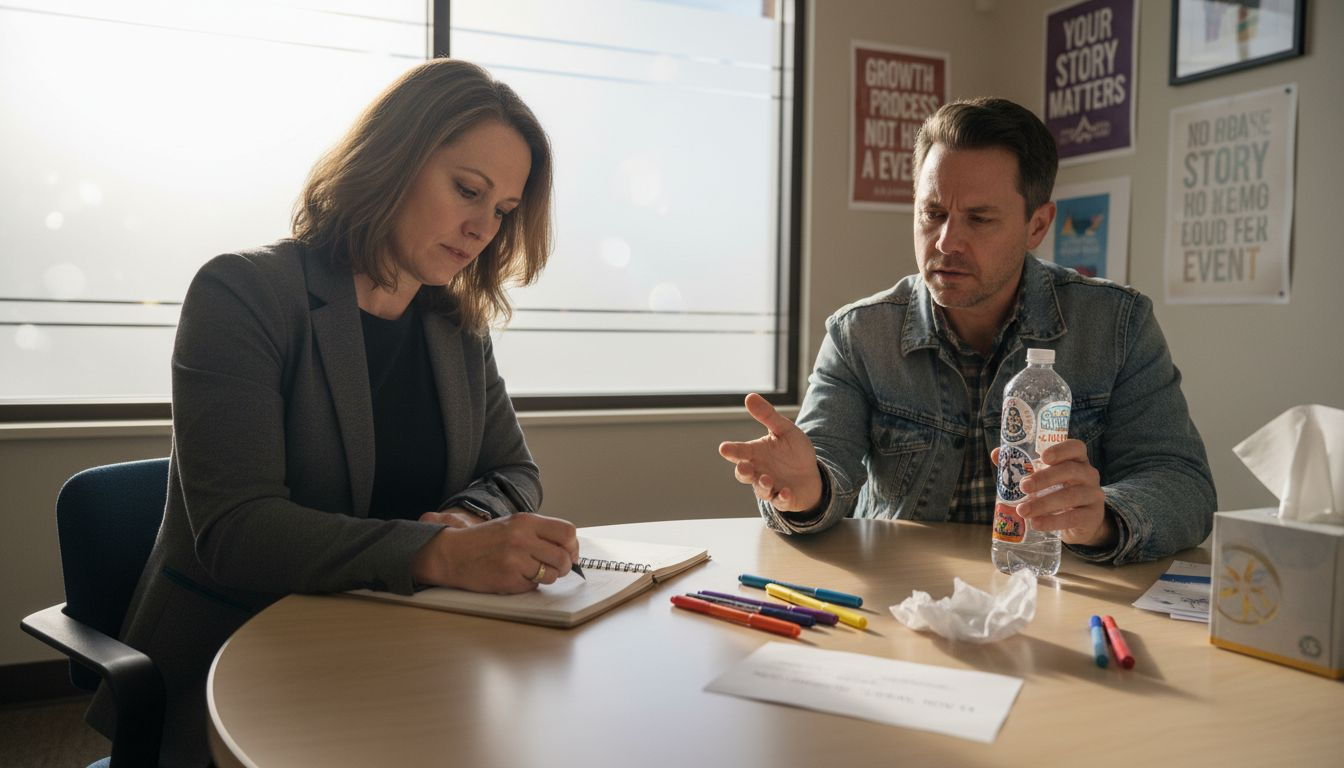
State regulations require detailed documentation and regular plan reviews to ensure your treatment remains responsive to your evolving needs. During this session, you will work closely with your treatment team to identify specific therapeutic goals, establish measurable outcomes, and determine the most appropriate interventions for your unique situation. Your clinicians will draw from multiple treatment modalities such as individual therapy, group counseling, medication management, and holistic wellness approaches to craft a comprehensive plan that addresses not just your symptoms but your overall mental health and life objectives.
Expect an open and collaborative dialogue where you actively participate in setting goals and discussing potential strategies. Your clinicians will help you break down larger recovery objectives into smaller actionable steps, creating a sense of achievable progress. They will also discuss potential challenges, develop coping strategies, and establish clear markers to track your advancement through the treatment program.
Pro tip: Come prepared with your own insights and goals. The most effective treatment plans are those where clients are fully engaged and invested in their own recovery process.
Step 4: Engage in daily therapeutic sessions and activities
Your Partial Hospitalization Program represents an intensive healing experience designed to support comprehensive mental health recovery. Los Angeles County guidelines specify that these programs provide 20 or more hours of clinically intensive programming per week, ensuring you receive comprehensive and consistent care.
Daily therapeutic activities at Glendora Recovery Center are thoughtfully structured to address multiple dimensions of your wellness. You will participate in individual counseling sessions, group therapy workshops, skill building through art therapy, and specialized therapeutic interventions tailored to your treatment plan. These sessions might include cognitive behavioral techniques, mindfulness practices, emotional regulation training, and trauma informed care approaches. Each activity is designed to help you develop coping mechanisms, understand underlying psychological patterns, and build resilience for long term recovery.

The structured environment provides predictability and safety while challenging you to grow and develop new perspectives. Your treatment team will continuously assess your progress, adjusting activities and approaches to match your evolving needs and goals. Expect a dynamic and supportive experience where you are an active participant in your healing journey.
The table below summarizes common therapy modalities used in Partial Hospitalization Programs and their core benefits:
| Therapy Type | Core Benefit | Example Techniques |
|---|---|---|
| Individual Therapy | Personalized mental health support | CBT, talk therapy |
| Group Counseling | Build peer support and communication | Process groups, psychoeducation |
| Art Therapy | Enhance self-expression and emotional processing | Drawing, painting sessions |
| Medication Management | Stabilize symptoms and monitor safety | Psychiatric evaluation, dosage review |
| Mindfulness Practices | Develop stress reduction and self-awareness | Meditation, breathing exercises |
Pro tip: Approach each therapeutic session with openness and curiosity. Your willingness to engage authentically will significantly enhance your treatment outcomes and personal growth.
Step 5: Monitor progress and adjust care strategies
Your recovery journey is dynamic and evolving, requiring consistent evaluation and strategic adjustments. State treatment regulations mandate regular review and updating of individual service plans, ensuring your treatment remains responsive to your changing needs and progress.
During periodic progress meetings with your treatment team, you will engage in comprehensive assessments that examine your psychological growth, emotional resilience, and therapeutic advancement. These collaborative sessions involve detailed discussions about your experiences in various therapy modalities, challenges you have encountered, and breakthroughs you have achieved. Your clinicians will use standardized evaluation tools, personal interviews, and insights from effective therapy strategies to develop a nuanced understanding of your treatment trajectory.
The goal of these monitoring sessions is not to judge your progress but to provide supportive, adaptive care that evolves alongside your personal growth. Your treatment team will work transparently with you to modify therapeutic approaches, adjust intervention strategies, and celebrate the incremental steps you are taking toward comprehensive wellness.
Pro tip: Document your personal insights and emotional experiences between formal review sessions. These personal notes can provide valuable context during your progress evaluations and help your treatment team understand your unique journey more comprehensively.
Step 6: Transition to appropriate aftercare support
Transitioning from Partial Hospitalization to ongoing recovery support marks a critical milestone in your healing journey. Los Angeles County offers structured Assisted Outpatient Treatment programs designed to provide continuous support during this important phase of your recovery.
Your treatment team will collaborate with you to develop a comprehensive aftercare plan that supports your continued recovery and independence. This personalized strategy might include ongoing individual counseling, group therapy sessions, support group recommendations, medication management, and connections to community resources. The goal is to create a seamless continuity of care that maintains the momentum you have built during your Partial Hospitalization Program while gradually increasing your autonomy and self management skills.
Expect a gradual and supportive transition that respects your individual pace and unique recovery needs. Your aftercare plan will be flexible and adaptable, allowing for adjustments as you continue to grow and develop new coping strategies. The transition is not about leaving support behind but about building a sustainable network of resources and skills that empower your long term wellness.
Pro tip: Treat your aftercare plan as a living document. Stay proactive by regularly communicating with your treatment team about your experiences, challenges, and evolving needs to ensure your support remains responsive and effective.
Here’s a comparison of key steps and their primary focus in the Partial Hospitalization Program admission process:
| Step | Main Focus | Key Participant |
|---|---|---|
| Prepare Documentation | Gather legal and medical paperwork | Client and administrative staff |
| Intake & Assessment | Detailed evaluation of mental health needs | Clinicians and client |
| Treatment Planning | Develop tailored therapy strategies | Clinicians and client |
| Daily Therapeutics | Engage in structured therapy and activities | Client and treatment team |
| Progress Monitoring | Review and adjust care based on outcomes | Clinicians and client |
| Aftercare Transition | Develop ongoing recovery support plan | Client and aftercare specialist |
Take Control of Your Partial Hospitalization Journey with Glendora Recovery Center
Navigating the complex Partial Hospitalization Program process in Los Angeles can feel overwhelming when facing the challenge of assembling paperwork, undergoing detailed intake assessments, and designing a personalized treatment plan. You may be concerned about managing daily therapy sessions, tracking progress, or transitioning successfully to aftercare support. At Glendora Recovery Center, we understand these specific pain points and the emotional weight behind every step of your recovery journey.
Our team offers compassionate guidance through every stage—from preparing essential documentation to engaging in flexible, evidence-based therapeutic activities tailored to your unique needs. Experience clarity and confidence as you work with clinicians who focus on your growth and healing. Don’t wait to build the strong foundation that will lead to lasting wellness. Reach out today to start your path forward with individualized care that truly meets you where you are. Connect with us now at Contact Glendora Recovery Center to learn more about how our Partial Hospitalization Program can support your recovery goals. Your comprehensive, supportive transition awaits—take the first step with expert help today.
Frequently Asked Questions
What documents do I need to prepare for admission to a Partial Hospitalization Program in Los Angeles?
Gather essential personal documents such as a valid government-issued photo ID, proof of health insurance, and social security documentation. Additionally, collect recent medical records and medication lists to facilitate a smooth admission process.
How does the intake and assessment process work in a Partial Hospitalization Program?
The intake and assessment process involves a structured evaluation with licensed clinicians to understand your mental health needs. Expect detailed interviews and assessments to create a personalized treatment plan tailored to your situation.
What types of therapeutic sessions and activities are included in a Partial Hospitalization Program?
Engage in a variety of therapeutic sessions, including individual counseling, group therapy workshops, and skill-building activities like art therapy. These sessions are designed to help you develop coping mechanisms and enhance emotional resilience, with a focus on your specific treatment plan.
How is progress monitored throughout the Partial Hospitalization Program?
Progress is monitored through regular meetings with your treatment team to review your psychological growth and therapeutic advancements. Use these sessions to discuss challenges and progress, allowing your treatment strategies to adapt as you evolve in your recovery journey.
What should I expect during the transition to aftercare support after completing the Partial Hospitalization Program?
During the transition to aftercare support, your treatment team collaborates with you to develop a comprehensive plan that includes ongoing counseling and community resource connections. This plan is designed to maintain the momentum gained during the program while promoting your independence in managing recovery.
How can I actively participate in my treatment and aftercare planning?
Actively participate by sharing your insights, goals, and any challenges you face with your treatment team. Engaging in this open dialogue ensures that your treatment and aftercare plans are responsive to your evolving needs and promote your long-term wellness.
Recommended
- Partial Hospitalization Program: Why It’s Highly Effective?
- Top Partial Hospitalization Program Tips Individuals Should Know
- PHP | Glendora Recovery Center | Partial Hospitalization Program
- Partial Hospitalization Program: Why This Program Is More Efficient?
- How Physical Therapy Can Help You Recover From Traumatic Brain Injury