
Over one in five American adults experience mental health challenges every year. No matter where you are on your recovery path, making the decision to seek support can change everything. From professional counseling in Los Angeles to building personal support networks and healthy routines, the right guidance helps American individuals face addiction and mental health struggles with strength and clarity. This guide offers proven strategies to help you or your loved ones take meaningful steps toward sustainable recovery.
Table of Contents
- Seeking Professional Support and Counseling
- Building a Strong Personal Support Network
- Incorporating Healthy Daily Routines
- Utilizing Flexible Outpatient and Telehealth Services
- Managing Triggers with Mindfulness Techniques
- Setting Achievable Personal Recovery Goals
- Engaging in Aftercare and Community Programs
Quick Summary
| Takeaway | Explanation |
|---|---|
| 1. Seek Professional Counseling | Professional support helps navigate recovery, providing tailored treatment and structured healing plans. |
| 2. Build a Support Network | Form meaningful connections with empathetic individuals who will aid your recovery journey and provide emotional resources. |
| 3. Establish Daily Routines | Creating a structured daily schedule promotes stability and positive habits essential for long-term recovery. |
| 4. Utilize Telehealth Services | Flexible outpatient and telehealth options allow access to therapy while maintaining personal responsibilities. |
| 5. Set Achievable Goals | Establish specific, realistic recovery goals to measure progress and maintain motivation in your healing journey. |
1. Seeking Professional Support and Counseling
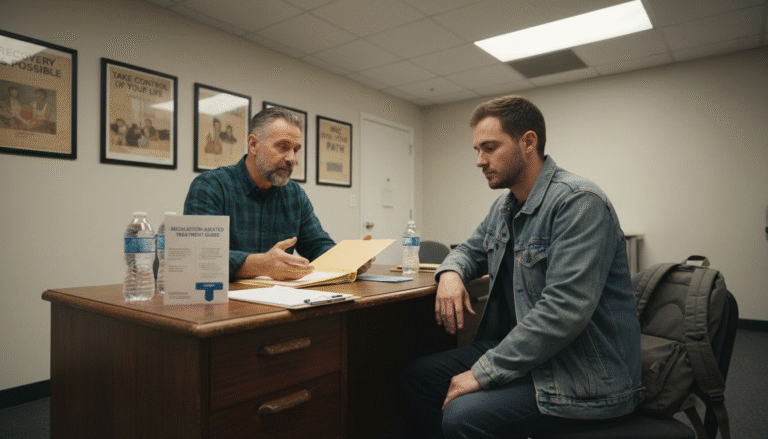
Recovery is a deeply personal journey that requires professional guidance and compassionate support. Professional counseling provides structured pathways for healing, offering individuals struggling with addiction or mental health challenges a comprehensive approach to understanding and addressing their unique experiences.
Mental health professionals in Los Angeles specialize in creating personalized treatment plans that address the complex underlying factors contributing to substance use and psychological challenges. These experts utilize evidence based therapeutic techniques such as cognitive behavioral therapy, trauma informed care, and motivational interviewing to help individuals develop healthier coping mechanisms.
In Los Angeles, seeking professional support means accessing a wide network of experienced mental health professionals who can navigate challenges with skill and empathy. These specialists understand that recovery is not a one size fits all process and tailor their approach to meet individual needs.
The counseling process typically involves comprehensive assessments, individual therapy sessions, group support opportunities, and ongoing evaluation to track progress. Trained therapists help clients develop insight into their behavioral patterns, identify triggers, and build resilience strategies that support long term recovery.
Pro Tip: Schedule an initial consultation with a licensed therapist who specializes in addiction recovery and mental health to create a customized treatment roadmap that addresses your specific challenges and goals.
2. Building a Strong Personal Support Network
Recovery is not a solitary journey but a collective effort that requires meaningful connections and genuine support. Building a strong personal support network provides individuals with critical emotional resources essential for sustainable healing and personal transformation.
A robust support network goes beyond casual friendships, encompassing relationships with people who understand your challenges, offer unconditional compassion, and actively contribute to your recovery process. This network typically includes trusted family members, supportive friends, recovery peers, and professional counseling resources that connect individuals with mental health professionals.
Key Components of an Effective Support Network
Successful support networks are characterized by several fundamental qualities: emotional availability, non judgmental attitudes, consistent communication, and a shared commitment to personal growth. These relationships provide multiple layers of accountability and encouragement during challenging recovery stages.
In Los Angeles, individuals can build their support networks through various channels including recovery support groups, therapy communities, wellness workshops, and structured rehabilitation programs. Each connection represents an opportunity to share experiences, learn coping strategies, and develop resilience.
Strategies for developing meaningful support connections include participating in group therapy sessions, attending recovery meetings, engaging in community wellness programs, and being open about your recovery journey with trusted individuals who demonstrate genuine empathy and understanding.
Pro Tip: Start by identifying two to three individuals who demonstrate consistent reliability, emotional intelligence, and a genuine commitment to supporting your personal growth and recovery goals.
3. Incorporating Healthy Daily Routines
Structured daily routines are transformative tools in recovery, providing stability, predictability, and a sense of purpose during challenging healing processes. Consistent routines help rewire neural pathways, reduce stress, and create positive behavioral patterns that support long term wellness.
Core Elements of Effective Recovery Routines
Healthy daily routines extend far beyond simple scheduling. They represent intentional choices that promote physical, mental, and emotional well being. These routines create a framework for self care, personal growth, and sustainable recovery by establishing predictable rhythms that minimize uncertainty and emotional volatility.
Key components of recovery focused routines include:
- Morning Mindfulness: Starting each day with meditation or deep breathing exercises
- Physical Movement: Regular exercise that supports both physical and mental health
Physical activity releases endorphins, reduces stress hormones, and provides a constructive outlet for emotional processing. Whether through yoga, walking, swimming, or structured fitness programs, movement becomes a powerful recovery tool.
Nutritional consistency plays an equally critical role in recovery. Balanced meals, proper hydration, and mindful eating patterns support neurological healing and emotional regulation. Establishing regular meal times and preparing nutritious foods can create a sense of control and self respect.
Mental health professionals recommend creating personalized routines that align with individual recovery goals. This might involve dedicated time for journaling, attending support groups, practicing self reflection, or engaging in creative pursuits that promote emotional expression.
Pro Tip: Design your daily routine like a personal wellness blueprint, scheduling specific times for self care activities and remaining flexible enough to accommodate unexpected challenges.
4. Utilizing Flexible Outpatient and Telehealth Services
Modern recovery strategies recognize that healing does not require a one size fits all approach. Flexible outpatient and telehealth services represent revolutionary options for individuals seeking comprehensive mental health support while maintaining their daily responsibilities and personal commitments.
Telehealth services have transformed traditional treatment models by removing geographical and scheduling barriers. These innovative platforms enable individuals to access professional counseling, therapy sessions, and support groups from the comfort and privacy of their own environments.
Key Advantages of Flexible Treatment Options
Outpatient and telehealth services offer multiple benefits for recovery journeys:
- Convenient scheduling that accommodates work and personal commitments
- Reduced transportation barriers
- Increased accessibility for individuals with mobility challenges
- Consistent support without extensive disruption to daily life
- Enhanced privacy and confidentiality
These modern treatment approaches leverage technology to provide personalized care strategies. Advanced video conferencing platforms, secure messaging systems, and digital assessment tools enable mental health professionals to deliver targeted interventions with unprecedented flexibility.
In Los Angeles, where professional and personal demands can be intense, telehealth services provide a critical lifeline for individuals navigating complex recovery processes. These services ensure continuous support without requiring complete withdrawal from personal and professional responsibilities.
Pro Tip: Schedule an initial consultation with a telehealth provider to discuss your specific recovery needs and explore customized treatment options that align with your lifestyle and personal goals.
5. Managing Triggers with Mindfulness Techniques
Triggers are powerful emotional responses that can potentially derail recovery progress. Mindfulness techniques offer strategic interventions to recognize, understand, and effectively manage these complex psychological experiences without becoming overwhelmed or reacting impulsively.
Understanding Emotional Triggers
Emotional triggers are sensory or psychological experiences that activate intense emotional memories or automatic stress responses. These stimuli can range from specific sounds and environments to interpersonal interactions that unconsciously remind individuals of past traumatic experiences.
Mindfulness provides a structured approach to interrupting automatic reactive patterns by teaching individuals to observe their emotional experiences with curiosity and detachment. This technique transforms trigger responses from unconscious reactions to intentional, measured responses.
Key mindfulness strategies for trigger management include:
- Breath Awareness: Using controlled breathing techniques to create immediate physiological calm
- Body Scanning: Systematically observing physical sensations without judgment
- Cognitive Defusion: Separating thoughts from emotional experiences
- Meditation: Developing sustained attention and emotional regulation skills
Practical implementation involves creating personalized trigger response protocols. This might include developing a mental checklist for recognizing escalating emotional states, practicing immediate grounding techniques, and establishing clear communication strategies with support networks.
Mindfulness is not about eliminating triggers but developing a more resilient relationship with challenging emotional experiences. By practicing consistent awareness, individuals can transform potentially destabilizing moments into opportunities for personal growth and emotional understanding.
Pro Tip: Create a personal mindfulness toolkit with 3 to 5 specific techniques you can immediately implement when experiencing emotional triggers, such as a guided breathing exercise, a brief meditation, or a specific physical movement sequence.
6. Setting Achievable Personal Recovery Goals
Personal recovery is a transformative journey that requires intentional planning and strategic goal setting. Developing a structured approach to recovery empowers individuals to create meaningful progress while maintaining motivation and momentum.
Goal setting in recovery goes beyond traditional objective planning. It involves creating a holistic framework that addresses psychological, emotional, and behavioral dimensions of healing. Successful recovery plans integrate systematic approaches to personal transformation with compassionate self understanding.
Components of Effective Recovery Goals
Successful recovery goals share several critical characteristics:
- Specificity: Clearly defined and measurable objectives
- Realism: Attainable targets that match current capabilities
- Flexibility: Room for adaptation and personal growth
- Incremental Progress: Breaking larger objectives into manageable steps
The goal setting process requires honest self assessment and a commitment to gradual, sustainable change. This might involve identifying specific behavioral patterns, establishing boundaries, developing healthier coping mechanisms, and creating accountability structures.
Individuals should approach goal setting with self compassion, understanding that recovery is nonlinear. Each small achievement represents meaningful progress, regardless of occasional setbacks. Tracking progress through journaling, therapy discussions, or support group sharing can provide additional motivation and perspective.
Pro Tip: Create a recovery goal map with three tiers short term goals (achievable within weeks), medium term goals (3 to 6 months), and long term aspirational goals, ensuring a comprehensive approach to personal transformation.
7. Engaging in Aftercare and Community Programs
Recovery is not a destination but a continuous journey of personal transformation. Aftercare and community programs provide critical ongoing support that bridges the gap between formal treatment and independent living.
Aftercare programs represent essential scaffolding for sustained recovery, offering structured environments that help individuals maintain momentum and prevent potential relapse. These programs recognize that healing extends far beyond initial treatment phases.
Components of Comprehensive Aftercare
Effective aftercare programs typically include:
- Ongoing Therapy: Regular counseling sessions to address emerging challenges
- Support Group Participation: Consistent peer connections and shared experiences
- Skill Building Workshops: Learning practical life management techniques
- Relapse Prevention Strategies: Developing personalized intervention plans
Community programs in Los Angeles offer diverse resources tailored to individual recovery needs. These may include specialized support groups, vocational training, wellness workshops, and social integration activities designed to rebuild personal confidence and professional capabilities.
Engaging with aftercare programs provides multiple benefits beyond clinical support. These communities offer accountability, emotional validation, practical skill development, and a sense of belonging that is crucial for sustainable personal transformation.
Pro Tip: Select 2 to 3 community programs or support groups that align with your specific recovery goals, and commit to consistent participation for at least six months to maximize potential benefits.
This table provides a summary of strategies and components essential for addiction and mental health recovery, as discussed in the article.
| Topic | Description | Key Considerations |
|---|---|---|
| Professional Support | Involves personalized treatment plans by mental health professionals. | Utilizes evidence-based techniques like CBT and trauma-informed care. |
| Support Network | Includes connections with family, peers, and professionals. | Emphasizes emotional availability and consistent communication. |
| Daily Routines | Structured routines providing stability and predictability. | Involves physical movement and nutritional consistency. |
| Outpatient & Telehealth | Modern options for flexible mental health support. | Offers convenience, accessibility, and privacy. |
| Mindfulness Techniques | Strategies to manage emotional triggers effectively. | Includes breath awareness and cognitive defusion. |
| Personal Recovery Goals | Involves intentional planning and goal setting. | Focus on specificity, realism, and incremental progress. |
| Aftercare Programs | Ongoing support for sustained recovery. | Includes therapy sessions and relapse prevention strategies. |
Take Control of Your Recovery Journey with Expert Support in Los Angeles
Facing the challenges of addiction and mental health recovery can feel overwhelming but you do not have to navigate this journey alone. The article highlights essential strategies like professional counseling, building a strong support network, flexible outpatient services, and mindfulness techniques that are critical for lasting transformation. At Glendora Recovery Center, we understand these pain points and goals deeply. Our compassionate team specializes in personalized treatment plans, including intensive outpatient programs and telehealth options, designed to fit your unique needs and busy lifestyle.
Discover how our flexible scheduling and evidence-based therapies can support your path to sustained recovery. Whether you want to incorporate mindfulness practices, set achievable personal goals, or engage in aftercare community programs, our upscale facility offers the resources and expertise you need. Get started with a tailored approach by contacting our caring staff today. Take the next step toward healing now because lasting recovery starts with meaningful support. Learn more about our mental health and addiction services and how we can guide your transformation every step of the way.
Frequently Asked Questions
What are the key components of a strong personal support network for recovery?
Building a strong personal support network involves having relationships with individuals who understand your challenges and provide emotional support. Start by identifying family members, trusted friends, and recovery peers who can offer compassionate encouragement, and engage with supportive communities to strengthen these connections.
How can I utilize mindfulness techniques to manage triggers in my recovery journey?
Mindfulness techniques are effective for managing emotional triggers by promoting awareness and response control. Implement practices like breath awareness or meditation to create a personal toolkit, allowing you to reassess situations and respond thoughtfully when you encounter a trigger.
What should I include in my daily routine to support my recovery?
Incorporating healthy daily routines is essential for recovery; focus on activities that promote physical, mental, and emotional wellness. Schedule specific times for self-care activities like exercise, healthy meals, and mindfulness exercises to create stability and purpose in your daily life.
How can I set achievable personal recovery goals?
To set achievable personal recovery goals, start by defining clear, specific objectives tailored to your needs. Break larger goals into smaller, manageable steps and regularly assess your progress to stay motivated and adjust your plan as needed.
What role do aftercare programs play in sustaining recovery?
Aftercare programs provide ongoing support that bridges the transition from formal treatment to independent living, helping individuals maintain momentum in their recovery. Engage actively in activities such as support group meetings and skill-building workshops to strengthen your recovery and prevent relapse.
Recommended
- 7 Effective Ways to Support Recovery in Los Angeles | Glendora Recovery Center
- 7 Essential Mental Health Recovery Tips for Los Angeles | Glendora Recovery Center
- Teen Addiction Recovery Steps: A Complete Los Angeles Guide | Glendora Recovery Center
- Intensive Outpatient Programs In Los Angeles: Many Don’t Know Benefits
- How Chiropractic Aids Recovery: Complete Guide